2026 Best Decorative Lighting Why Is It Important?

Time:2026-10-26 Author:Henry
0%

Decorative lighting has become more than a finishing touch in modern interiors. It shapes mood, supports daily routines, and gives a room a recognizable visual identity. This is why many homeowners and designers ask, “why is decorative lighting important in interior design?” A carefully chosen pendant above a dining table can make evening meals feel warmer. A sculptural floor lamp can soften an empty reading corner. Even a small wall sconce can guide movement through a hallway.

The best decorative lighting in 2026 balances beauty with practical performance. Designers increasingly consider LED efficiency, accurate color rendering, glare control, dimming, and repairable materials. These details matter when a light is used for several hours each evening. A warm 2700K setting may suit a bedroom, while a brighter neutral tone can help a kitchen feel more functional. Smart controls also offer flexibility, but they should remain simple for every household member.

Light should serve people.

Professional experience shows that scale is often overlooked. A large fixture may dominate a compact room, while a tiny lamp can disappear above a long table. However, there is no universal formula. Personal taste, ceiling height, furniture placement, and natural daylight can change the result. Some fashionable fixtures may also create harsh shadows or costly maintenance. A thoughtful choice tests comfort, proportion, and long-term use before appearance alone. This guide explores leading decorative lighting options for 2026, with practical insights for creating interiors that feel welcoming, efficient, and authentically lived in.
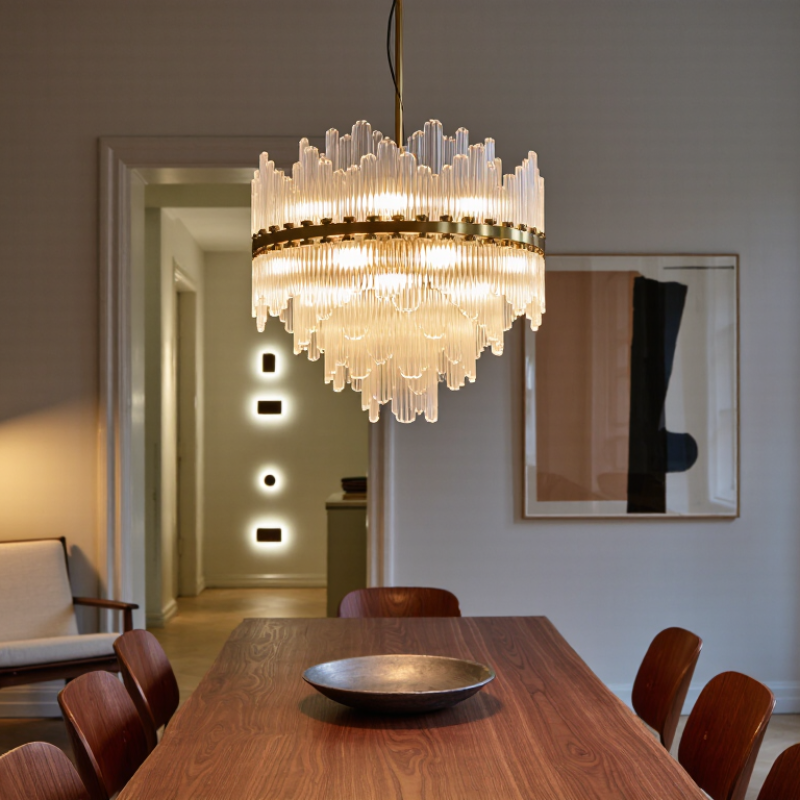
2026 Best Decorative Lighting Why Is It Important?

What Is Decorative Lighting and How Does It Differ From General Lighting?

Decorative lighting is designed to shape atmosphere, identity, and visual interest. General lighting serves a broader practical purpose: it creates even illumination for movement, reading, cooking, and safe daily activities. A ceiling fixture may brighten an entire room, while a pendant above a dining table may create intimacy and focus. A wall light can also wash a textured surface, making stone, wood, or artwork feel more dimensional.

The boundary is not perfectly fixed. A decorative pendant can provide useful task light, but its form may matter more than its output. In professional lighting design, brightness, beam spread, glare, color temperature, and color rendering must work together. The Illuminating Engineering Society emphasizes evaluating lighting by visual performance, not wattage alone. The International Energy Agency reports that lighting uses about 15% of global electricity and produces roughly 5% of global greenhouse gas emissions. Better efficiency matters.

LED technology can reduce energy use substantially. The U.S. Department of Energy reports that LEDs use at least 75% less energy and last up to 25 times longer than incandescent lamps. However, decorative fixtures are not automatically efficient. Poor shielding may cause glare, and excessive brightness can weaken the intended mood. Less light, carefully placed, often feels richer. That judgment remains partly subjective, and even experienced designers may revise a scheme after seeing it at night.

Why Is Decorative Lighting Important in Modern Interior Design?

Decorative lighting is no longer a final styling detail. In modern interior design, it shapes mood, rhythm, and how people experience space. A sculptural pendant can define a dining area, while a warm wall light can make a narrow hallway feel calmer. Light also directs attention toward artwork, textured walls, or a carefully arranged table.

The U.S. Department of Energy reports that LED bulbs use at least 75% less energy and last up to 25 times longer than incandescent bulbs. This makes decorative LED lighting a practical design choice, not merely an attractive one. The International Energy Agency also identifies efficient lighting as an important part of reducing building energy demand. Still, energy efficiency does not guarantee comfort. I have seen beautiful rooms feel cold because every fixture used the same harsh color temperature. That mistake deserves more attention.

Tips: Layer ambient, task, and accent lighting. Use dimmers where possible. Select warm white light, often between 2700K and 3000K, for living spaces. Check color rendering before buying; a high CRI can reveal furniture and artwork more naturally. Keep fixtures proportional to the room. Oversized lighting can overwhelm a small space, while tiny fixtures may disappear above a large table. Test the light at night, not only in a showroom.

2026 Best Decorative Lighting: Why Is It Important in Modern Interior Design?

Design Dimension Recommended Data or Specification Why Decorative Lighting Is Important Practical Interior Application Evaluation Indicator
Visual Hierarchy Use focal-point lighting on artwork, dining tables, entryways, or architectural features. Creates a clear visual order and directs attention to the most important elements in a room. Install a pendant above a dining table, wall lighting beside artwork, or a sculptural fixture in an entrance area. The intended focal point is noticed first without making the room feel visually crowded.
Ambient Comfort Typical residential ambient illumination: approximately 100–200 lux, depending on room use and finishes. Supports comfortable movement and helps prevent a space from feeling flat, dim, or overly clinical. Combine decorative ceiling fixtures with indirect wall or cove lighting instead of relying on one central source. Illumination is distributed evenly, with no uncomfortable dark zones or harsh bright spots.
Atmosphere and Mood Warm white light is commonly 2700–3000 K; neutral white is commonly 3500–4000 K. Color temperature influences the perceived warmth, intimacy, energy, and visual character of an interior. Use 2700–3000 K for bedrooms, lounges, and restaurants; consider 3500–4000 K for kitchens, studios, and work areas. The light color supports the room’s purpose and coordinates with flooring, textiles, wall colors, and furniture.
Color Quality A color rendering index of 80 or higher is a common baseline; 90 or higher is preferred for artwork, textiles, and premium interiors. Accurate color rendering makes finishes, food, artwork, wood, and fabrics appear more natural. Select high-color-rendering light sources for dining areas, dressing zones, galleries, retail displays, and material samples. Colors remain natural and consistent when viewed under the selected fixture.
Layered Lighting Use three complementary layers: ambient, task, and accent lighting. Improves flexibility by allowing one room to support relaxation, work, entertaining, and display functions. Pair general illumination with reading lights, under-cabinet lighting, picture lights, or adjustable accent fixtures. Each activity can be supported without operating every light at full output.
Energy Efficiency Typical LED efficacy is approximately 80–120 lumens per watt, while traditional incandescent lamps are commonly about 10–17 lumens per watt. Efficient light sources can reduce electricity use, heat output, and long-term operating costs. Use efficient LED sources with appropriate lumen output, dimming compatibility, and replaceable or serviceable components where possible. Compare lumens, watts, rated life, dimming performance, and expected annual energy use before selection.
Annual Energy Example At 4 hours per day, a 10 W LED uses about 14.6 kWh per year; a 60 W incandescent lamp uses about 87.6 kWh per year. The example demonstrates how lamp wattage affects yearly electricity consumption under the same operating schedule. Use the formula: watts ÷ 1,000 × daily hours × 365. Multiply the result by the local electricity rate for cost estimation. The comparison uses equal brightness, operating hours, and fixture quantity wherever possible.
Glare Control Use diffusers, shades, shielding, indirect light, and appropriate mounting heights to limit direct view of bright sources. Reduces visual discomfort and improves the perceived quality of decorative fixtures. Choose opaque or diffused shades for eye-level fixtures and aim adjustable spotlights away from direct lines of sight. People can view the room comfortably from normal seating and walking positions.
Dimming and Control Use compatible dimmers, scene controls, occupancy sensors, or scheduled controls where appropriate. Allows lighting levels to adapt to time of day, activity, mood, and daylight availability. Create separate scenes for dining, relaxation, cleaning, entertaining, and nighttime circulation. Controls operate smoothly without flicker, buzzing, delayed response, or incompatible lamp behavior.
Material and Finish Enhancement Use grazing, washing, or directional illumination according to surface texture and reflectance. Reveals texture in stone, wood, brick, plaster, metal, and fabric while adding depth to the interior. Place wall-washing fixtures near textured walls and use grazing light when stronger surface relief is desired. The lighting enhances the material instead of exposing distracting glare, unevenness, or unwanted shadows.
Safety and Installation For damp areas, select fixtures with an appropriate ingress-protection rating; IP44 is commonly used for splash protection, while IP65 provides stronger dust and water-jet protection. Correct specification improves safety, durability, and reliability in kitchens, bathrooms, balconies, and outdoor transition areas. Confirm local electrical requirements, fixture location, moisture exposure, mounting method, and professional installation needs. The fixture rating matches the actual environment and complies with applicable local codes.
Adaptability and Longevity Prioritize replaceable lamps, accessible drivers, modular parts, and standardized control compatibility where available. Makes future maintenance, renovation, and changes in interior style easier and less wasteful. Select timeless forms and flexible mounting systems for spaces likely to be rearranged or remodeled. The fixture can be maintained, repositioned, or upgraded without replacing the entire installation.

Data values are general design guidance and planning references. Final lighting levels, electrical specifications, ingress protection, and installation methods should be verified against local codes, project conditions, and professional recommendations.

Which Types of Decorative Lighting Are Popular in 2026?

2026 Best Decorative Lighting Why Is It Important?

In 2026, decorative lighting is becoming more than a visual accessory. It shapes mood, supports daily routines, and gives rooms a stronger identity. Popular designs include sculptural pendants, slim wall sconces, and layered ceiling fixtures. These lights often use curved forms, textured glass, brushed metal, or warm wood details. Their appearance matters, but glare control and light distribution matter more.

Layered lighting remains highly practical. A pendant can illuminate a dining table, while wall lights soften nearby shadows. Portable rechargeable lamps are also gaining attention for balconies, bedrooms, and flexible workspaces. Many homeowners prefer adjustable color temperatures, especially during evenings. Warm light near 2700K can feel relaxing, while neutral light suits reading or detailed tasks. Smart controls add convenience, although complicated systems may frustrate some users.

Natural materials and energy-efficient light sources are popular choices in 2026. Recycled glass, woven fibers, and responsibly sourced wood can create a tactile atmosphere. Still, “sustainable” should not be accepted without checking material details and product lifespan. I have seen beautiful fixtures fail because their light was too weak or replacement parts were unavailable. That is an easy mistake. The best decorative lighting balances proportion, comfort, maintenance, and personal taste instead of following every trend.

How Can Decorative Lighting Improve Mood, Function, and Visual Appeal?

Decorative lighting does more than fill a room with brightness. It shapes how people feel, move, and notice details. A warm pendant above a dining table can make conversation feel calmer. Soft wall light can reduce harsh shadows during evening reading. Yet brightness and color should match the room’s purpose.

In real interiors, layered lighting often works best. Combine ambient light, task light, and decorative accents. A small lamp beside a chair supports reading without flooding the room. Recessed fixtures can guide movement, while a sculptural fixture creates a visual focal point. Dimmers add control when daylight changes. They can also reduce unnecessary energy use.

Mood is personal. Very warm light may feel relaxing to one person and dull to another. I once preferred dramatic low lighting, but it made a work corner tiring after several hours. That mistake changed my approach. I now test fixtures at different times, from morning through late evening. Check glare, shadows, color accuracy, and cleaning access before choosing a fitting. Materials matter too. Glass spreads light differently from fabric or metal. A beautiful fixture can still fail if it shines directly into someone’s eyes. Good decorative lighting should support daily habits, not merely photograph well.

What Should You Consider When Choosing Decorative Lighting in 2026?

2026 Best Decorative Lighting: Why Is It Important?

Choosing decorative lighting in 2026 requires more than matching a fixture to a sofa. The light should support daily routines, visual comfort, and responsible energy use. The International Energy Agency reports that lighting consumes about 15% of global electricity. The U.S. Department of Energy states that LED products can use at least 75% less energy than incandescent lamps and last up to 25 times longer. These figures make efficiency a practical design choice, not merely a technical detail.

Start with the room’s real behavior. A pendant above a dining table needs controlled downward light, while a hallway may need gentle, low-glare illumination. Check color temperature, dimming range, beam spread, and color rendering. A warm 2700K source can soften wood and fabric, but it may make white surfaces appear yellow. Test samples at night. Small differences matter.

Look beyond appearance and examine repairability. The Global E-waste Monitor 2024 recorded 62 million tonnes of electronic waste in 2022, with only 22.3% formally recycled. Choose replaceable drivers, standard components, and clear maintenance information where possible. Smart controls can reduce unnecessary operating time, yet complicated systems sometimes frustrate occupants. I have seen beautiful installations remain permanently dimmed because the controls were unclear. That is a design failure, even when the fixture looks perfect. Reliable decorative lighting should feel effortless, remain comfortable after hours, and fit the room’s actual habits.

FAQS

Why is decorative lighting important in modern interior design?

It shapes mood, rhythm, and visual focus. A sculptural pendant can define a dining zone. A warm wall light can soften a narrow hallway.

How can decorative lighting improve daily comfort?

Use ambient light for general visibility. Add task lighting for reading or cooking. Use accent light to highlight artwork or textured walls. Comfort matters more than appearance alone.

What color temperature works well in living spaces?

Warm white light between 2700K and 3000K often suits living rooms. It can soften wood and fabric. However, it may make white surfaces look yellow.

How much energy can LED decorative lighting save?

LED bulbs can use at least 75% less energy than incandescent bulbs. They may also last up to 25 times longer. Efficiency is practical, not merely technical.

What should be checked before buying a decorative fixture?

Check dimming range, beam spread, color temperature, and color rendering. Confirm the fixture fits the room’s scale. Test it at night, not only in a showroom.

How should lighting be chosen for a dining table?

A pendant should provide controlled downward light. Its size should relate to the table. An oversized fixture may dominate the room. A tiny one may disappear.

Why is repairability important for decorative lighting?

Replaceable drivers and standard components can extend a fixture’s useful life. Clear maintenance information also helps. Disposal creates a larger problem than many people expect.

Are smart lighting controls always a good choice?

Smart controls can reduce unnecessary operating time. Complex systems may frustrate occupants, though. I have seen attractive installations stay permanently dimmed because controls were unclear. That is a design failure.

What common lighting mistake should be avoided?

Avoid using the same harsh color temperature everywhere. A room can look polished yet feel cold. I still think some lighting plans need more nighttime testing.

Conclusion

Decorative lighting is more than a source of illumination; it is an important design element that adds character, atmosphere, and visual focus to an interior. Unlike general lighting, which mainly provides practical brightness, decorative lighting combines function with artistic form through pendants, chandeliers, wall lights, table lamps, sculptural fixtures, and other expressive designs. This explains why is decorative lighting important in interior design: it helps define a room’s identity while supporting everyday activities.

In 2026, popular decorative lighting trends emphasize flexible, layered, and visually distinctive solutions. Carefully selected fixtures can create a welcoming mood, highlight architectural details, improve task visibility, and make a space feel more balanced and comfortable. When choosing decorative lighting, consider the room’s size, ceiling height, existing colors, desired atmosphere, energy efficiency, light direction, brightness control, and maintenance needs. The best choice should complement the overall interior style while providing practical value and long-term adaptability.

Henry

Henry

Henry is a dedicated marketing professional with a profound expertise in the company's offerings. With years of experience in the industry, he possesses an impressive understanding of the market dynamics and consumer behaviors that drive success. Henry is committed to sharing his insights through......