The convergence of energy-efficiency mandates, smart building integration, and human-centric design defines the evolution of global architectural illumination.
The modern global landscape for architectural decorative lighting has shifted from simple illumination to integrated structural art and energy management. Today, tier-one developers, architectural firms, and municipal engineers treat facade and indoor accent lighting as core architectural features that define building identity. This dynamic transition demands high-efficiency LED solutions, programmable DMX control architectures, and robust structural ratings (IP65 to IP68) to survive extreme environmental stresses.
From the high-ceiling glass lobbies of financial centers in New York and London to the dynamic, media-facade skylines of Shanghai and Dubai, lighting is now expected to deliver measurable ROI. It achieves this by lowering operational expenditures through IoT-enabled smart controls and boosting tenant occupancy rates by creating inviting visual ecosystems. In this demanding scenario, choosing the right supplier is no longer a purchasing choice; it is a critical engineering partnership.
For international projects, supply chains must operate with absolute precision. Architectural specifications demand strict adherence to local codes, such as Title 24 in California or CE/RoHS directives in the European Union. Consequently, exporters must offer robust quality assurance protocols along with customizable manufacturing capabilities.
Furthermore, the current market trends highlight an increasing demand for sustainable materials (such as low-carbon aluminum and recyclable borosilicate glass) combined with high-luminous-efficacy LED light engines that minimize overall power density without sacrificing design flexibility.
Seamless pixel-addressable automation pathways supporting dynamic facade storytelling and real-time color temperature adjustments.
Engineered to maximize lumens-per-watt output, reducing thermal dissipation overhead while extending the service life of LED clusters.
Advanced double-sealed polymer and silicone gaskets ensure long-term structural resilience in demanding outdoor environments.
Explore our highly customizable, architectural-grade lighting solutions tailored for complex indoor layouts and exterior elevations.
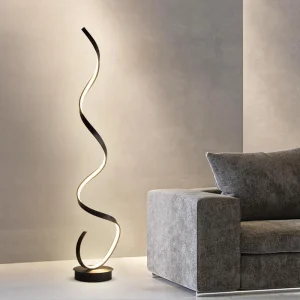
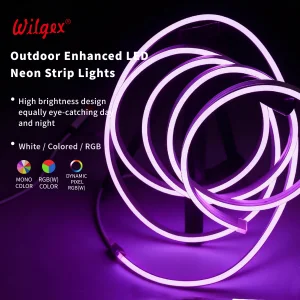
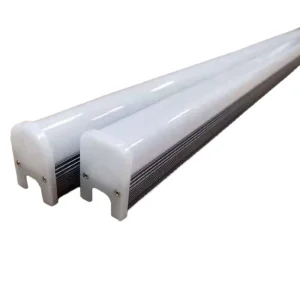
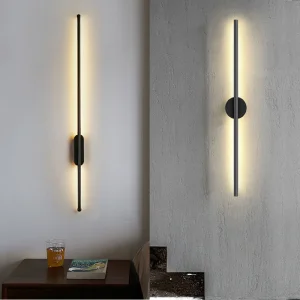
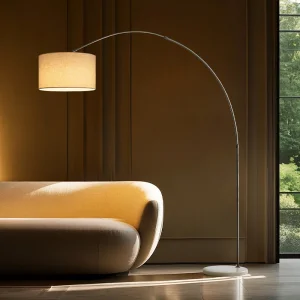
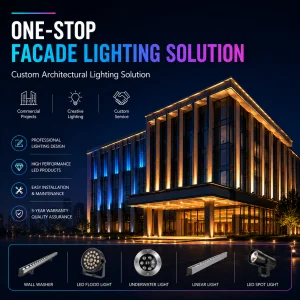
High-End Custom OEM/ODM Production Base for Global Project Deliveries.
Ningbo Layr Light Co., Ltd. is a professional decorative lighting manufacturer specializing in custom LED lighting, architectural lighting systems, and smart lighting solutions for residential, commercial, hospitality, and public-space applications. Established in 2013, the company is strategically located in Ningbo, Zhejiang Province, China, a major manufacturing and export hub offering seamless connection to global shipping routes.
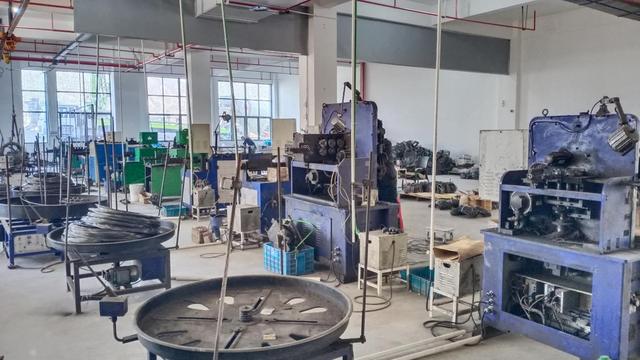
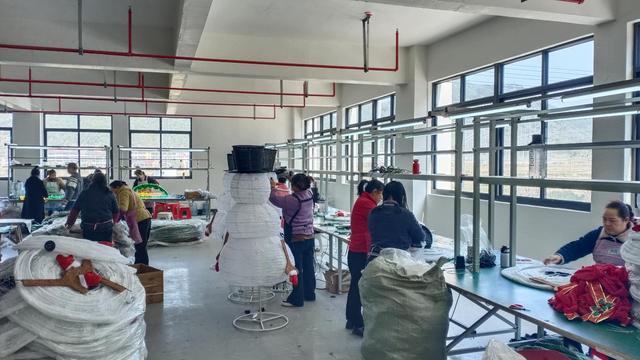
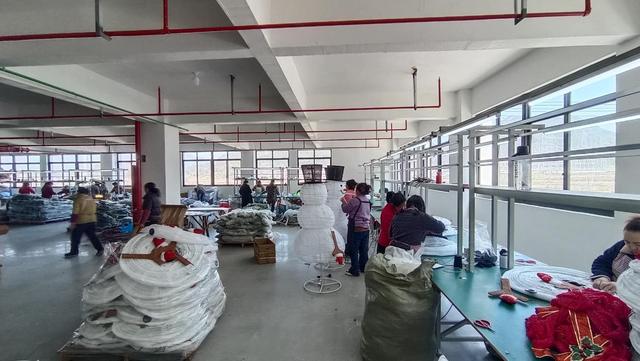
Operating a modern manufacturing facility that spans more than 15,000 square meters, our team of over 220 experienced employees integrates product design, engineering, custom tooling, mass production, quality management, and global sales operations. Our advanced production lines and testing chambers ensure exceptional performance, high energy efficiency, and strict compliance with international quality standards.
As a trusted OEM and ODM manufacturing partner, Layr Light provides comprehensive customization services, including product development, private labeling, project-based engineering support, tailored packaging design, and professional technical consultation. Our high-performance fixtures are exported to North America, Europe, the Middle East, Southeast Asia, Australia, and other international markets.
Our ongoing investments in LED chips (Cree, Osram, Lumileds) and intelligent driver systems (Mean Well, Lifud, Inventronics) ensure that our decorative lighting solutions stand up to demanding operating profiles. By matching high aesthetic design with robust industrial engineering, we turn architectural dreams into stunning, long-lasting visual landmarks.
Why sourcing from Ningbo, China ensures maximum product quality, shorter lead times, and cost-effective customization pipelines.
Sourcing architectural lighting fixtures globally requires balancing cost with quality. The Ningbo lighting manufacturing cluster provides distinct advantages in this area. Through extensive vertical integration, raw materials such as extruded aluminum 6063, optical lenses, and custom silicon gaskets are sourced locally, eliminating supply chain friction and reducing production lead times.
Additionally, China’s industrial ecosystem offers unmatched speed for rapid prototyping. Our engineering team can transform an architect's CAD sketch into a functional, photometrically verified sample in a fraction of the time required by Western manufacturers. This speed helps global contractors meet tight building timelines without sacrificing lighting design or performance.
Furthermore, Ningbo Port's advanced shipping networks streamline logistics. Directly connecting to global hubs reduces transit times, avoids unnecessary customs handling, and lowers shipping costs. For major international lighting buyers, this logistical efficiency means predictable scheduling, lower carrying costs, and faster installation timelines.
We combine this regional structural advantage with strict quality control. From testing components with integrating spheres to running high-pressure IP waterproof tests, every production step is documented under ISO 9001 standards. This ensures that every shipped container delivers reliable, ready-to-install lighting fixtures.
Tailoring luminescent intensity, beam angles, and ingress ratings to specific structural environments.
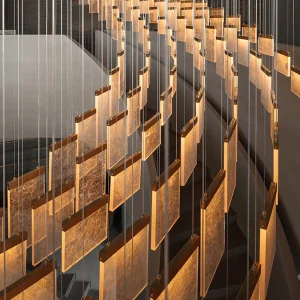
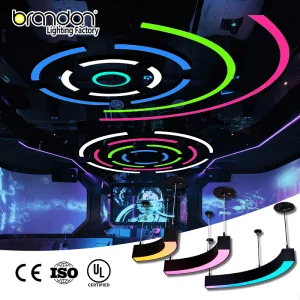
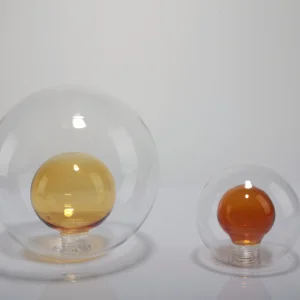
High-ceiling lobbies and luxury atriums require high-output, dimmable pendant lighting and custom chandeliers. Our fixtures feature high color rendering indexes (CRI > 90) to enhance interior materials, fabrics, and architectural details.
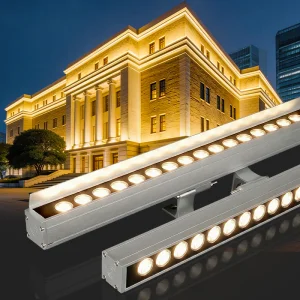
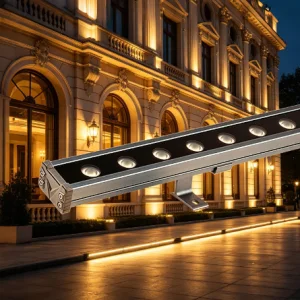
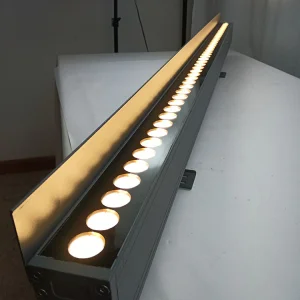
For high-rise elevations, our DMX512 wall washers project narrow, precise beam angles that reach heights of over 30 meters. This design ensures uniform color mixing and minimizes light pollution in surrounding urban areas.
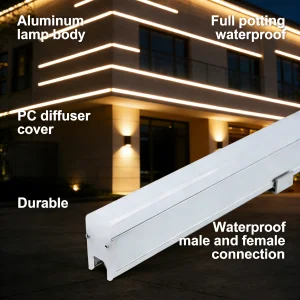
Our IP68 silicone neon flexes and LED profiles are designed for pathways, architectural curves, and wet environments. They resist UV radiation and chemical exposure, ensuring reliable performance in harsh conditions.
The convergence of low-carbon manufacturing, smart controls, and customizable forms is driving the next generation of lighting design.
1. Tunable White & Circadian Integration: Modern architectural lighting goes beyond simple static color. Dynamic control systems let designers shift color temperatures from warm 2200K to cool 6500K throughout the day. This matches natural light patterns, improving user well-being and productivity in commercial and corporate spaces.
2. Sustainable Architecture & Carbon Reduction: Global standards like LEED and BREEAM encourage building designs with lower power densities. Today's lighting systems feature smart control protocols and high-efficacy LED modules that deliver over 130 lumens-per-watt, keeping energy consumption to a minimum.
3. Smart Wireless Protocols (IoT & Bluetooth Mesh): Traditional wired DMX systems are increasingly paired with secure wireless networks. Bluetooth Mesh, Zigbee, and Dali-2 systems make installation simpler and allow for easy grouping and adjustments via mobile applications.
4. Architectural Miniaturization: Lighting designers prefer fixtures that blend seamlessly into building structures. Minimalist linear channels, thin neon strips, and recessed downlights provide bright illumination while keeping the light source hidden from direct view.
How we address certification, customs, and technical compliance to guarantee smooth international deliveries.
Purchasing custom architectural fixtures from overseas can present challenges around certification, testing standards, and shipping coordinates. Layr Light resolves these issues through comprehensive technical and engineering support during the quoting process.
We provide full photometric data, including IES files, along with complete thermal simulation reports before production begins. This gives architects and engineers the data they need to verify lighting performance prior to shipment, ensuring compliance with local codes and electrical regulations.
Our logistics team handles complete documentation for global transit, including UL, CE, RoHS, and FCC compliance certificates. This preparation avoids customs delays, minimizes tariff risks, and ensures that deliveries arrive on-site, ready to install, exactly when scheduled.
High-performance linear profiles, wall washers, and customized exterior solutions designed to withstand challenging environments.
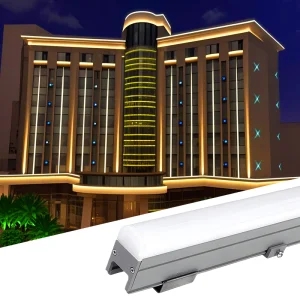
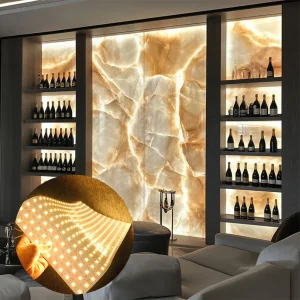
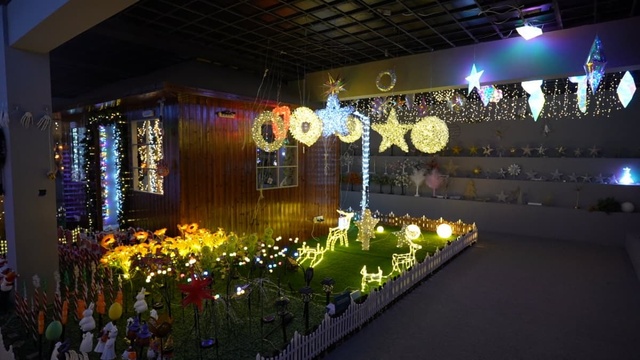
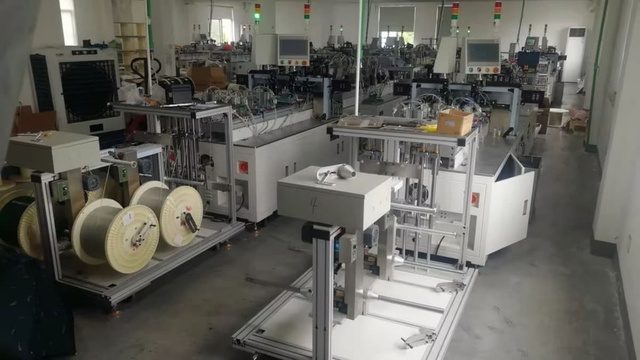
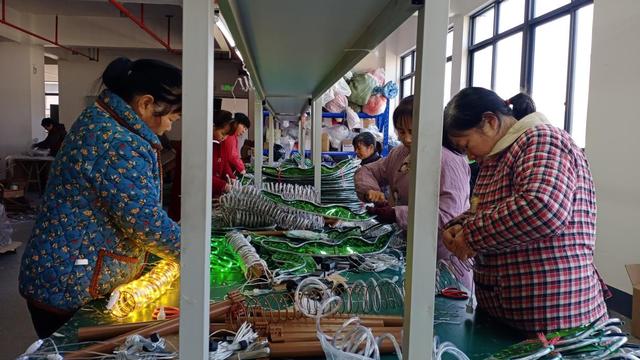
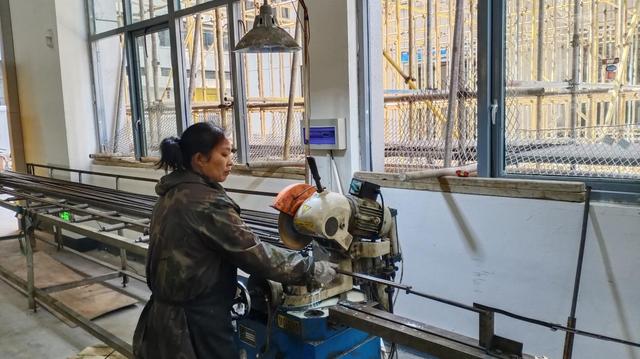
Take a virtual look inside Ningbo Layr Light’s manufacturing facility, assembly lines, testing chambers, and warehouses.


Get answers to common technical, shipping, and customization questions about our architectural decorative systems.
 Layr Light