2026 Top Decorative Lighting Ideas for Retail Stores?

Time:2026-10-11 Author:Oliver
0%

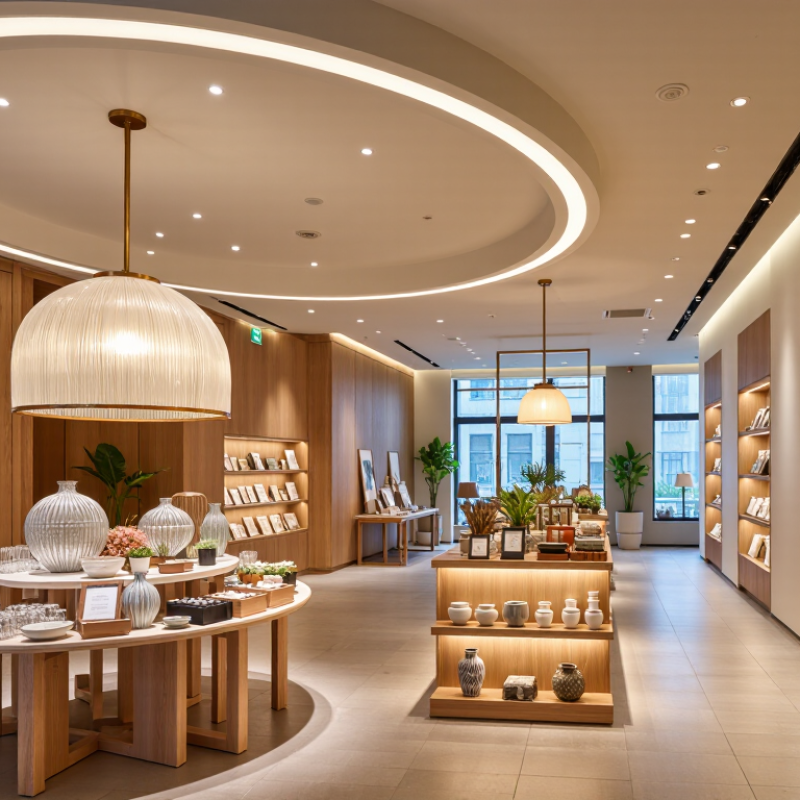
In 2026, decorative lighting will help retail stores feel more distinctive, comfortable, and memorable. Shoppers notice atmosphere before they examine product labels. A softly glowing pendant above a display table can create focus, while concealed LED strips can guide movement through a narrow aisle. These details matter. They influence dwell time, product perception, and emotional comfort.

Richard Kelly, a pioneer of architectural lighting, wrote, “Light is the key to all visual experience.” His insight remains valuable for retailers planning how to improve retail environments with decorative lighting. The strongest schemes combine ambient, accent, and decorative layers instead of depending on one dramatic fixture. Warm-white LEDs, high colour rendering, dimming controls, and glare protection can make merchandise appear more natural. Textured glass, recycled metal, timber, and handmade ceramic fixtures may also support a store’s identity. However, visual impact should not replace practical performance. A beautiful pendant can obstruct sightlines or produce harsh reflections on glossy packaging.

This guide explores 2026 decorative lighting ideas for retail stores, from sculptural installations to adaptable smart systems. It considers energy use, maintenance, customer comfort, and brand storytelling. Some fashionable concepts may age quickly. That deserves honest attention. The best design is not always the most dramatic one. It is the solution that still works during a quiet weekday, a crowded sale, and changing seasonal displays.
2026 Top Decorative Lighting Ideas for Retail Stores?

Retail Lighting Trends Shaping Store Design in 2026

Retail lighting in 2026 is moving beyond decoration. It is becoming part of the shopping journey. In recent store planning projects, I have seen layered light guide attention more gently than bright ceiling grids. A warm pendant above a display table can create a natural pause. Slim vertical fixtures can make shelves feel taller. The strongest schemes combine ambient, accent, and low-level architectural lighting. Each layer needs a clear purpose. Otherwise, the store becomes visually noisy. That risk deserves attention.

Retail Lighting Trends Shaping Store Design in 2026 include adaptive controls that respond to daylight, traffic, and product changes. Tunable white lighting can shift from crisp morning tones to warmer evening hues. This supports comfort, but it should not feel theatrical. Motion sensors may reduce wasted energy in quiet aisles and fitting areas. Poorly calibrated controls can leave shoppers in dim patches. Test lighting at eye level, not only on a ceiling plan. Small errors become obvious.

Decorative fixtures will also express stronger material stories. Ribbed glass, brushed metal, and soft textile shades can add texture above key displays. Choose high color rendering for clothing, cosmetics, and food. Colors should look trustworthy under the fixture. Maintenance matters too. Dust collects quickly on detailed surfaces. A beautiful fitting that is difficult to clean may become a costly mistake. Mock-ups reveal more than drawings, although they can expose ideas that need rethinking.

Choosing Decorative Fixtures for Different Retail Environments

2026 Top Decorative Lighting Ideas for Retail Stores

Choosing Decorative Fixtures for Different Retail Environments

Retail lighting should respond to customer behavior, not only visual trends. In a boutique, warm pendants over display tables can make fabrics feel richer and more approachable. In a technology store, slim sculptural fixtures create identity while keeping product details clear. From practical retail projects, I have found that decorative lighting works best when it supports the shopping path. A beautiful fixture can still fail if it creates glare on screens or hides merchandise. Small details matter.

Choose fixture scale according to ceiling height and aisle width. Large chandeliers suit open atriums, but they may overwhelm compact stores. Linear fixtures can guide movement through long spaces. In jewelry areas, controlled sparkle should complement products without competing with them. Food retailers need easy-clean finishes and protected components near preparation zones. Color temperature also deserves testing, because samples may look different after installation. I would not trust a showroom impression alone.

Tips: Test one fixture in the real environment before ordering many. Check shadows, reflections, cleaning access, and viewing angles during busy hours. Keep decorative elements above head level and outside customer circulation. Ask staff for feedback. They notice visual fatigue and maintenance problems early. Leave room for adjustment. Perfect plans are rare.

Layering Ambient, Accent, and Task Lighting Effectively

2026 Top Decorative Lighting Ideas for Retail Stores

Layering ambient, accent, and task lighting creates a retail space that feels intentional, not excessively bright. Ambient light should provide comfortable general visibility across aisles and fitting areas. Accent fixtures can then highlight displays, textures, and seasonal merchandise. Task lighting belongs where customers inspect details, such as counters, mirrors, and product tables.

The U.S. Department of Energy reports that LED lighting uses at least 75% less energy and lasts up to 25 times longer than incandescent lighting. This supports efficient decorative schemes, but energy savings alone do not guarantee a good customer experience. The International Energy Agency identifies lighting as roughly 10% of global electricity demand, making efficient retail design commercially and environmentally relevant.

Use warm-to-neutral color temperatures carefully. Poor color rendering can make fabrics appear dull or skin tones look unnatural. I would not treat one lighting formula as universal. Store size, ceiling height, merchandise, and local daylight change the result.

Tips:

Start with ambient light, then add focused layers. Aim accent beams at merchandise, not shoppers’ eyes. Keep task lighting shadow-free. Test displays at opening time and after sunset. Measure glare, color appearance, and energy use for several days. A beautiful mock-up can still fail during busy hours. Reflection matters. Controls should allow staff to adjust scenes without technical training. Calibration is often overlooked.

Using Smart Controls and Sustainable Lighting Materials

2026 Top Decorative Lighting Ideas for Retail Stores: Using Smart Controls and Sustainable Lighting Materials

Decorative lighting in 2026 should do more than attract attention. It should guide movement, protect merchandise, and reduce wasted energy. The International Energy Agency’s Energy Efficiency 2023 report estimates that lighting uses about 15% of global electricity. That figure makes every glowing display worth questioning. In retail audits, dimmed feature lights often preserve visual impact while lowering operating demand. Small changes matter.

Use occupancy sensors in storage rooms and low-traffic aisles. Add daylight sensors near storefront windows. The U.S. Department of Energy reports that advanced lighting controls can produce meaningful commercial energy savings, especially when schedules, dimming, and occupancy detection work together. Warm, adjustable light can create a calmer fitting-room experience. Cooler task lighting can sharpen product details. Keep controls simple. Staff will ignore systems that feel confusing.

Material choices also shape the store’s environmental profile. Recycled aluminum shades, replaceable LED modules, responsibly sourced wood, and low-emission coatings can reduce waste and support healthier interiors. The Ellen MacArthur Foundation emphasizes designing products for durability, repair, and reuse. That principle deserves more attention in decorative lighting. A beautiful fixture that cannot be repaired becomes expensive waste. I still see projects specifying recycled materials without checking their certification or maintenance plan. That is a weak point. Specify documented content, accessible components, and a realistic replacement schedule.

2026 Top Decorative Lighting Ideas for Retail Stores

Recommended illuminance ranges for smart, sustainable retail lighting design

Ambient lighting commonly targets 300–500 lux, while accent and merchandise lighting often uses higher levels to improve product visibility. Smart dimming, occupancy sensing, and daylight harvesting can reduce unnecessary operating hours. Specify durable, repairable fixtures made with recyclable materials such as aluminum or steel, and select high-CRI LEDs for accurate product colors.

Planning, Installing, and Maintaining a Decorative Lighting System

Decorative lighting can shape how shoppers notice products, move through aisles, and remember a store. Planning should begin with the customer journey, not fixture selection. Map entrances, display tables, fitting areas, payment counters, and quieter corners. Then record ceiling height, available circuits, daylight levels, and surface colors. A lighting plan should balance decorative appeal with safe visibility. Warm light may suit homeware, while clearer light can protect product colors. Test samples beside real merchandise before approving the final layout.

Installation needs careful coordination. A qualified electrician should confirm circuit capacity, mounting strength, cable protection, and local electrical requirements. Keep decorative fixtures away from sprinklers, moving doors, and customer contact zones. Use layered lighting: ambient illumination for comfort, accent beams for displays, and gentle feature lighting for identity. Leave access for future repairs. My first retail layout used too many narrow beams, creating bright spots and tired eyes. It looked dramatic in photographs, but shoppers needed more even coverage.

Maintenance protects both appearance and reliability. Clean shades with suitable materials, inspect connections, and replace damaged parts promptly. Check light color and brightness every few months, especially near windows. Dust changes the atmosphere faster than expected. Keep a simple log with inspection dates, faults, repairs, and replacement details. Staff should report flickering, unusual heat, loose fittings, or dark areas immediately. A lighting system is never truly finished. Seasonal displays, rearranged shelves, and changing daylight may require another review.

FAQS

How is retail lighting changing store design in 2026?

Lighting now guides the shopping journey, not just the store’s appearance. Warm pendants can create natural pauses near display tables.

What does layered lighting mean in a retail store?

It combines ambient, accent, and task lighting. Ambient light covers aisles, accent light highlights products, and task light supports detailed inspection.

Where should task lighting be installed?

Place it near counters, mirrors, fitting areas, and product tables. Keep these areas bright enough to reduce shadows.

How can smart controls reduce wasted energy?

Daylight sensors can adjust fixtures near windows. Occupancy sensors can dim quiet aisles, storage rooms, and unused fitting areas.

Can automated lighting create problems?

Yes. Poor calibration may leave shoppers standing in dim patches. Test settings at eye level during busy and quiet periods.

Which decorative materials suit modern retail lighting?

Ribbed glass, brushed metal, soft textile shades, and recycled aluminum can add texture. Detailed surfaces need regular cleaning.

Why does color rendering matter in stores?

High color rendering helps clothing, cosmetics, and food appear more accurate. Poor light can make fabric look dull and skin tones unnatural.

How should retailers evaluate a lighting design before installation?

Build a physical mock-up and test it at opening time and after sunset. Measure glare, color appearance, reflections, and energy use.

What makes sustainable lighting more practical?

Choose replaceable LED modules, documented recycled content, repairable parts, and low-emission finishes. A beautiful fixture may still become waste.

Is one lighting formula suitable for every store?

No. Ceiling height, store size, merchandise, and daylight change the result. I would avoid treating one successful layout as universal.

Conclusion

In 2026, decorative lighting will play a central role in creating memorable, flexible, and energy-conscious retail environments. This guide explores how to improve retail environments with decorative lighting by combining visual appeal with practical performance. It covers emerging design trends, including sculptural fixtures, warm layered illumination, adaptable layouts, and materials that support more sustainable store development. It also explains how to select decorative fixtures according to different retail settings, from compact boutiques and showrooms to large department stores and hospitality-inspired shopping spaces.

Effective retail lighting requires a balanced combination of ambient, accent, and task lighting. The article outlines ways to highlight merchandise, guide customer movement, improve visibility, and reinforce a store’s atmosphere without creating glare or visual discomfort. It also discusses smart controls, energy-efficient systems, responsible material choices, and practical considerations for planning, installation, maintenance, and future upgrades. Together, these strategies help retailers create inviting spaces that support stronger customer experiences and long-term operational efficiency.

Oliver

Oliver

Oliver is a seasoned marketing professional with a wealth of expertise in driving brand awareness and engagement. With a deep understanding of our company's product offerings, he consistently delivers high-quality content that enriches our professional blog. His insights not only shed light on......