Choosing decorative lighting is not only about finding a beautiful pendant. It is about shaping how a room feels, functions, and ages.
The U.S. Department of Energy reports that LED bulbs use at least 75% less energy than incandescent lighting. They also last up to 25 times longer. These figures make efficiency an important design decision, not a technical afterthought. The American Society of Interior Designers also emphasizes layered lighting, combining ambient, task, and accent sources for greater comfort. Still, real homes are rarely perfect. A lamp may look elegant online but cast harsh shadows beside a sofa.
Lighting designer Randall Whitehead describes lighting as “the jewelry of architecture.” That comparison is useful. A brass wall sconce can act like a carefully chosen accessory, while a large chandelier can dominate the entire visual composition. Before selecting finishes, observe the room at 8 a.m., 2 p.m., and 9 p.m. Note reflective surfaces, dark corners, ceiling height, and common activities. These details reveal what photographs often hide.
This guide explains how to choose decorative lighting for a home through seven practical considerations. It covers scale, placement, color temperature, brightness, materials, controls, and energy performance. The advice draws from professional lighting principles and everyday interior experience. Some choices may still feel uncertain. That is normal. Decorative lighting involves both measurable performance and personal response. A fixture can be technically correct yet emotionally disappointing. The best result balances both.
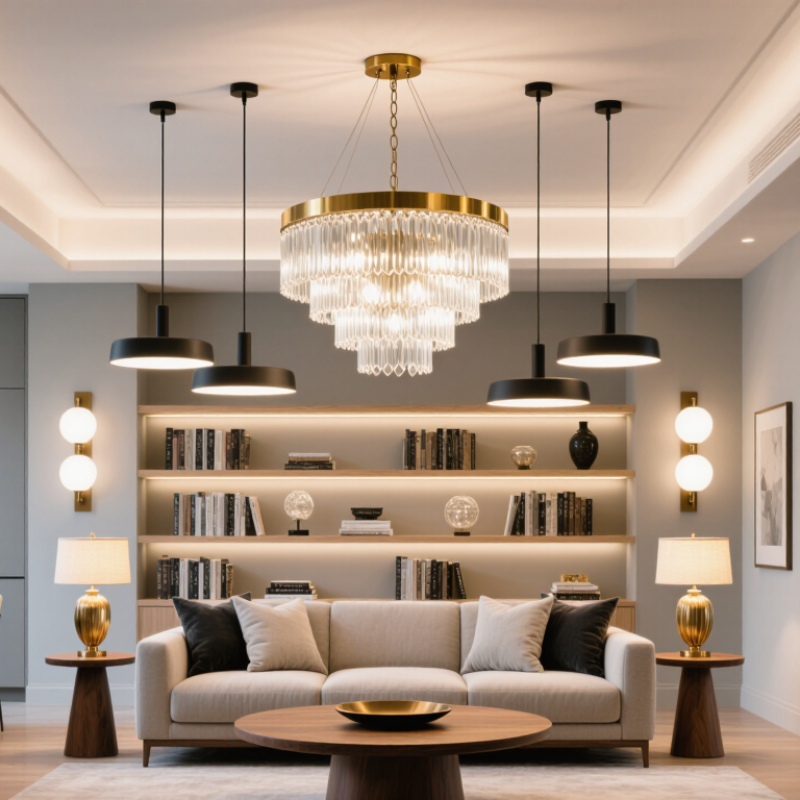
Choosing decorative lighting starts with understanding how your home is used. A dining room needs focused light for meals and conversation. A hallway needs safe, even illumination. Bedrooms usually benefit from softer, warmer light. I measure the room before shopping, including ceiling height, table width, and available wiring. A fixture that looks elegant online may feel oversized above a small table.
Your decorative style should support the architecture, not compete with it. Curved fixtures can soften rooms filled with sharp furniture. Metal finishes may echo cabinet handles, window frames, or door hardware. For a calm interior, I often choose warm white bulbs around 2700K to 3000K. Check the color rendering index when accurate colors matter, especially near artwork or a dressing mirror. Dimmers also help one fixture serve different moods.
I once selected a beautiful pendant without checking its drop length. It hung too low and interrupted eye contact. That mistake changed my process. Now I test the height with a paper template before installation. I also check whether the ceiling box can support the fixture and whether damp-rated lighting is required near bathrooms. The perfect style is not enough. Light distribution, maintenance, glare, and daily comfort matter too. Sometimes a slightly plainer fitting works better than the dramatic choice.
Decorative lighting should fit the room before it impresses the eye. Begin with its length, width, and ceiling height. In a compact entryway, a wide pendant can obstruct movement and make walls feel closer. In a large living room, one small fixture may look lost above the furniture. Measure twice. Leave comfortable clearance over walkways and seating areas. Ceiling height and door swings matter.
Study the layout before choosing a shape. A round fixture can soften a square dining table, while a linear design may suit a long table better. Place wall lights where their glow will not fight with mirrors, artwork, or shelving. I once installed a beautiful lamp beside a reading chair, then noticed its shade blocked the book and cast glare. The fixture was attractive, but the position was wrong.
Existing light sources deserve equal attention. Note where daylight enters during morning and evening hours. Check ceiling lights, task lamps, under-cabinet lighting, and illuminated screens. Decorative pieces should add depth, not create competing bright spots. Match color temperature when possible, especially in open-plan spaces. Use dimmable controls for flexibility, but confirm compatibility before installation. A warm light may feel welcoming in a bedroom, while a brighter tone can support detailed tasks. Test the effect at night. Rooms often look different then.
Decorative lighting should do more than fill an empty ceiling. Start with the room’s task, ceiling height, and existing electrical points. In a dining room, a linear pendant can spread light across a long table. An adjustable wall sconce works better beside a reading chair. For low ceilings, flush mounts preserve headroom without making the room feel bare. I once chose a pendant that looked perfect online but hung too low over a narrow walkway. Measure twice. That mistake still matters.
Material affects both appearance and maintenance. Glass shades soften glare, while metal shades direct light and create sharper contrast. Fabric can add warmth, but it collects dust and needs careful cleaning. Natural wood brings texture, yet humidity may cause movement near kitchens or bathrooms. Check the fixture’s weight before choosing a ceiling box. An electrician should confirm that the mounting surface and wiring can support it. Do not rely on a decorative plate to hide poor installation.
Finish should relate to the room’s fixed details, not match every object exactly. Brushed metal hides fingerprints better than polished surfaces in busy homes. Matte finishes reduce reflections, while glossy finishes catch attention under direct light. Mixing two finishes can feel intentional when one repeats in hardware or furniture. Too many finishes can make a small room look unsettled. Warm bulbs usually flatter brass and wood, but test the color at night. Photos mislead. Real rooms change with daylight, wall color, and bulb temperature.
7 Tips for Choosing Decorative Lighting for Your Home
Match light color to the room’s mood and daily use. Tip 1: Choose warm white light for bedrooms, lounges, and dining areas. It creates a softer atmosphere. Tip 2: Use neutral white light in kitchens, bathrooms, and work corners. Colors appear more natural there. Tip 3: Check the color temperature before buying. A display photo can look misleading.
Tip 4: Consider brightness, not only appearance. A beautiful pendant may leave a table too dim for reading. Use layered lighting with ceiling fixtures, wall lights, and small lamps. Tip 5: Compare lumen output for practical brightness. I once installed a charming light that looked perfect but illuminated almost nothing. That mistake taught me to measure the space first.
Tip 6: Match each fixture to its function. Entryways need welcoming light, while stairs need clear visibility and fewer shadows. Tip 7: Notice the color rendering index when choosing lights for mirrors or artwork. Higher rendering usually shows skin tones and colors more accurately. I still sometimes over-light small rooms. It feels safe, but not always comfortable. Test one fixture at night before installing several. The room may disagree.
7 Tips for Choosing Decorative Lighting for Your Home
Plan Safe Installation, Energy Efficiency, and Long-Term Maintenance
Decorative lighting should look beautiful, but safety comes before appearance. Check the fixture’s weight, wiring requirements, and installation surface before buying. A ceiling light needs secure support, not just a decorative hook. Turn off the power at the electrical panel, and use a qualified electrician when wiring is unfamiliar. I have seen small installation mistakes create loose connections, flickering, and unnecessary heat. That detail is easy to underestimate.
Tip 1: Choose fixtures with accessible bulbs and sturdy, heat-resistant materials. Tip 2: Keep lights away from curtains, damp areas, and crowded shelves. Leave enough space around the fixture for airflow. Children and pets also need consideration. A low-hanging pendant can become a daily hazard in a busy hallway.
Energy use matters over years, not only on the first day. Select efficient bulbs with a suitable brightness and color temperature for each room. Warm light can make a bedroom comfortable, while brighter neutral light may improve kitchen visibility. Add dimmers or timers where practical, but confirm that the controls match the bulbs. Tip 3: Record bulb types and cleaning dates in a small home-maintenance note. Dust reduces brightness and may trap heat. Inspect cords, sockets, and mounting points twice a year. Honestly, maintenance is often postponed until something fails. That habit deserves reconsideration.
Plan safe installation, energy efficiency, and long-term maintenance by comparing the estimated annual electricity use of common decorative bulb types.
Chart basis: Estimated for 10 bulbs used 3 hours per day for 365 days. Annual use is calculated from typical bulb wattages: 60 W incandescent, 14 W compact fluorescent, and 9 W LED. At an electricity rate of $0.16 per kWh, lower wattage can reduce operating costs while LEDs generally require less frequent replacement.
Measure the room’s length, width, and ceiling height. Leave clear space above walkways and seating. Check door swings, too. A wide pendant can crowd a small entryway.
Choose round fixtures for square tables. Linear designs often suit long tables. Match the fixture to the furniture’s proportions. The wrong shape can feel strangely unbalanced.
Observe daylight in the morning and evening. Note ceiling lights, task lamps, screens, and under-cabinet lighting. Decorative lights should add depth, not competing bright spots.
Warm white light creates a softer, welcoming atmosphere. It suits bedrooms, lounges, and dining areas. Check the actual color temperature before buying.
Neutral white light usually supports kitchens, bathrooms, and work corners. It can make colors appear more natural. Photos can mislead you.
Consider lumen output, not appearance alone. A beautiful pendant may leave a table too dim for reading. Use ceiling lights, wall lights, and smaller lamps together. Test the room at night.
Position them where their glow does not fight mirrors, artwork, or shelving. Keep reading areas free from glare. A lamp beside a chair may block the page.
Higher color rendering usually shows skin tones and artwork more accurately. It matters near mirrors and displayed objects. Still, I sometimes over-light small rooms. More brightness is not always more comfort.
Dimmable controls can adjust lighting for meals, reading, and quiet evenings. Confirm compatibility before installation. Test one fixture first. The room may disagree.
Choosing decorative lighting for your home begins with understanding both your practical needs and personal style. To learn how to choose decorative lighting for a home, consider the purpose of each room, the available natural light, and the existing layout. Measure the space carefully so fixtures are proportionate, then select suitable types such as pendants, wall lights, chandeliers, or table lamps. Materials, shapes, and finishes should complement your furniture and overall décor without overwhelming the room.
Light color and brightness also have a major effect on comfort and atmosphere. Use softer, warmer light for relaxing areas and brighter, clearer illumination for workspaces or task-focused rooms. Consider dimming options and layered lighting to create flexibility throughout the day. Finally, plan installation safely, choose energy-efficient bulbs, keep fixtures accessible for cleaning, and select durable designs that can remain attractive and functional over time.

Layr Light