When designing modern interiors, lighting plays a crucial role. The right lighting can transform a space, enhancing both aesthetics and functionality. According to renowned interior designer Sarah Thompson, "What lighting works best for modern interiors is about striking the perfect balance." Her insight emphasizes the importance of blending natural and artificial light sources.
Understanding what lighting works best for modern interiors means considering your unique style and the atmosphere you want to create. For instance, recessed lighting offers a sleek look while pendant fixtures can add a bold statement. Layering light sources can highlight architectural features, yet it requires careful planning and an eye for detail.
However, not all lighting solutions are perfect for every space. A poorly chosen fixture can overpower a room or create an uninviting ambiance. It’s essential to evaluate the specific needs of each area in your home. Are functionality and warmth your priority, or do you seek a minimalist vibe? Reflecting on these questions will guide you in discovering what lighting works best for modern interiors in your unique context.
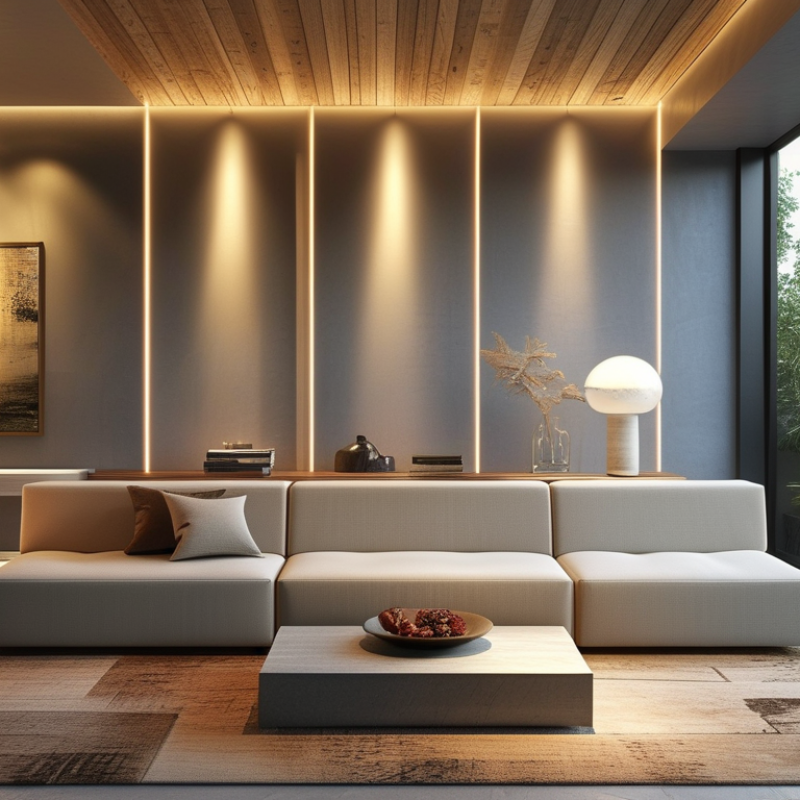
Choosing the Right Color Temperature for Modern Home Lighting
Choosing the right color temperature can profoundly impact modern home lighting. Typically measured in Kelvins (K), this value determines whether a light appears warm or cool. For instance, warm white light (2700K-3000K) creates a cozy atmosphere, perfect for living rooms and bedrooms. In contrast, cool white light (4000K-5000K) enhances focus, making it suitable for kitchens and workspaces.
Tips: When selecting bulbs, consider your room's purpose. Warm tones invite relaxation, while cooler hues boost productivity. Experimenting with different fixtures can also alter the feel of the space. Don't hesitate to mix both types for different areas.
Lighting design isn't perfect. Some may find overly warm tones uncomfortable for reading, while cool lights can feel harsh in a relaxed setting. It's essential to assess how you experience light during daily activities. Keep in mind your personal preferences and the overall mood you wish to create in each room.
Understanding the Role of Natural Light in Modern Interior Design
Natural light plays a crucial role in modern interior design. It transforms spaces, creating a sense of openness. When sunlight enters a room, it enhances colors and textures, bringing life to even the simplest furnishings.
Large windows and open layouts encourage light flow. This design choice not only illuminates but also enlarges the perceived space.
However, natural light can also present challenges. Overexposure can lead to glare and fading of materials over time. Homeowners need to consider the angles of light throughout the day. This awareness helps in arranging furniture and décor for maximum benefit.
Using sheer curtains or strategically placed mirrors can help diffuse harsh light. These elements add sophistication while managing the intensity of sunlight.
Incorporating natural light requires thoughtful planning. Balancing light sources, both natural and artificial, is essential. Homeowners should also consider seasonal changes in light quality. Reflecting on how light interacts with your space can improve the overall ambiance.
A well-lit room not only feels inviting but also promotes well-being. Creating a harmonious relationship between light and design is key to modern interiors.
Exploring Different Types of Lighting Fixtures for Contemporary Spaces
In contemporary interiors, lighting plays a pivotal role in shaping ambiance. The right fixtures can enhance design elements, providing both function and aesthetic appeal. According to the American Lighting Association, nearly 80% of interior designers believe that lighting is the most crucial design element in a room. This insight emphasizes the need for thoughtful selection of lighting types.
Modern spaces often benefit from layered lighting. Ambient, task, and accent lights offer flexibility. Ambient lighting provides overall illumination, while task lighting focuses on specific areas like workspaces or reading nooks. Accent lighting can highlight artwork or architectural features. The International Association of Lighting Designers notes that effective layering creates depth and interest. A striking pendant fixture can transform a dining area, while soft wall sconces add warmth to living spaces.
However, challenges exist in achieving the perfect balance. Overly harsh lighting can create discomfort. Research indicates that around 50% of homeowners feel their lighting is inadequate or uninviting. Choosing the right color temperature, intensity, and fixture type is essential. Experimenting with dimmable features can help adapt to varying needs throughout the day. Therefore, while modern lighting holds great potential, careful consideration is necessary for creating inviting atmospheres.
The Impact of LED Technology on Energy Efficiency in Home Lighting
LED technology has transformed home lighting, impacting energy efficiency significantly. LEDs consume up to 75% less energy than traditional incandescent bulbs. This translates to substantial cost savings on electricity bills. According to the U.S. Department of Energy, if all American homes switched to LED lighting, the national savings could exceed $30 billion per year.
The lifespan of LED bulbs is another point worth noting. While traditional bulbs may last about 1,000 hours, LEDs can last up to 25,000 hours. This reduces waste and the need for frequent replacements. However, not all LEDs are created equal, and consumers often face a dilemma about quality. Some lower-quality LEDs may flicker or provide inadequate light quality. Choosing the right product requires careful consideration.
Incorporating LEDs into modern interiors also allows for innovative design solutions. Their compact size means they can be installed in various fixtures, enhancing aesthetics. However, homeowners must be mindful of color temperature. Warmer tones can create cozy atmospheres, while cooler tones may promote alertness. Understanding these nuances is crucial for achieving the desired ambiance in different spaces.
Lighting Efficiency in Modern Interiors
This chart illustrates the energy consumption in watts of various lighting types used in modern interiors, highlighting the efficiency of LED technology compared to traditional options.
Creating Layered Lighting: Combining Ambient, Task, and Accent Options
Layered lighting is essential for creating a modern home interior. It involves combining three types of lighting: ambient, task, and accent.
Ambient lighting provides general illumination. It sets the mood and creates a comfortable atmosphere. This lighting can come from ceiling fixtures or wall sconces. Choosing softer tones can make a room feel cozy.
Task lighting focuses on specific areas where work occurs. Think about your kitchen counter or reading nook. Desk lamps or under-cabinet lights are great examples. They need to be bright enough for tasks but not harsh. It’s crucial to position them correctly to avoid glare.
Over time, you might discover your task lighting is too dim or too bright for your needs.
Accent lighting adds personality and highlights features in your home. Use spotlights on artwork or decorative plants. This shifts focus and creates interest.
However, finding the right balance can be challenging. Too much accent lighting can overwhelm a space. Reflecting on your choices ensures a harmonious blend.
Consider your lifestyle and how lighting affects your daily activities.
FAQS
: Natural light creates openness and enhances colors, making spaces feel lively and inviting.
Overexposure can cause glare and material fading, requiring careful consideration of light angles.
Using sheer curtains and mirrors helps diffuse sunlight and adds sophistication to the space.
The three types are ambient, task, and accent lighting, each serving a distinct purpose.
Ambient lighting provides overall illumination and sets a mood, adding comfort to any space.
Task lighting focuses on specific areas like workspaces, ensuring visibility without harshness.
Accent lighting highlights features and adds personality, but balance is crucial to avoid overwhelm.
Many homeowners find their lighting inadequate or uninviting, leading to uncomfortable atmospheres.
The right color temperature can affect mood and comfort levels, making careful selection essential.
Reflecting on lighting can improve ambiance and ensure it meets daily lifestyle needs.
Conclusion
In today’s homes, understanding what lighting works best for modern interiors is crucial for achieving both functionality and aesthetic appeal. Selecting the right color temperature plays a key role; cooler tones often enhance contemporary designs, while warmer hues can create a cozy atmosphere. Additionally, the role of natural light cannot be overstated, as it interacts with artificial lighting to enhance space and mood.
Moreover, exploring various types of lighting fixtures, such as pendant lights, recessed lighting, and wall sconces, allows for versatility in design. The advancements in LED technology have also revolutionized energy efficiency in home lighting, making it more sustainable and cost-effective. Lastly, creating layered lighting through a combination of ambient, task, and accent options can dramatically elevate the ambiance of any space, making it inviting and practical.

 Layr Light