10 Best Smart Lighting Tips for Home Decoration Ideas?

Time:2026-08-12 Author:Isabella
0%

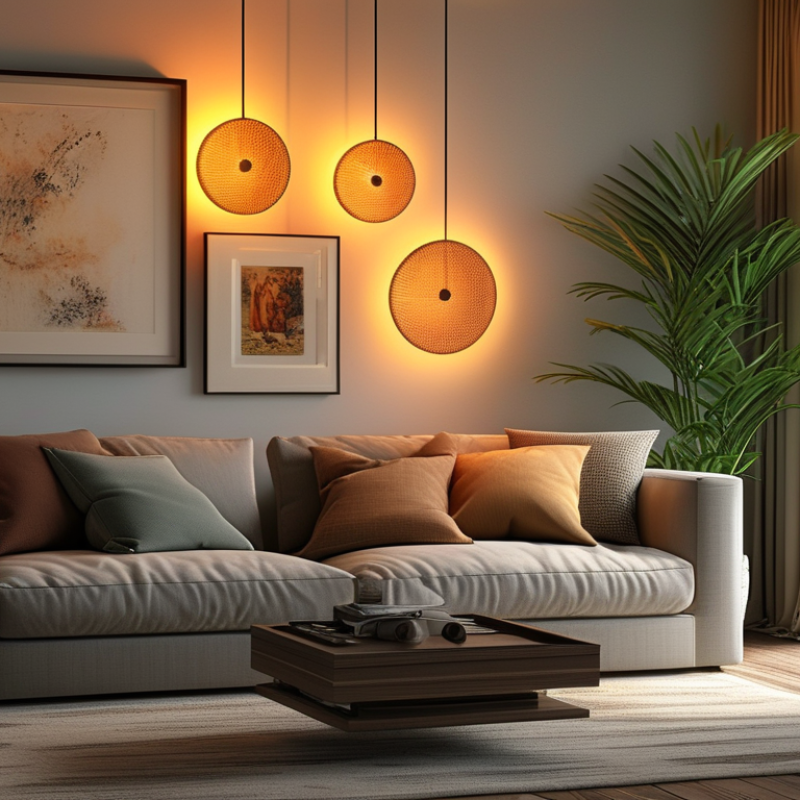
Smart lighting has revolutionized home decoration, offering both functionality and style. The ability to control lighting through apps or voice commands enhances convenience. But how to use smart lighting in home decoration? It goes beyond simple tasks. Thoughtfully chosen colors and brightness levels can transform a room's mood and ambiance.

Consider your space carefully. A well-placed smart bulb can highlight artwork or create cozy corners. Use warm tones for relaxation in the living room and cooler shades in workspaces. Experimenting with various settings encourages creativity, yet it may take time to find the perfect combination.

Reflect on the balance between practicality and aesthetics. While smart lighting is versatile, getting overwhelmed is easy. Remember, the goal is to enhance your living environment, not complicate it. Embrace the learning curve, and discover how small changes can significantly impact your home’s vibe.
10 Best Smart Lighting Tips for Home Decoration Ideas?

Choosing the Right Smart Lighting System for Your Home

When selecting a smart lighting system for your home, several key factors should be considered. Many homeowners are unaware that the right lighting can dramatically influence mood and productivity. According to a report by the American Psychological Association, lighting affects our emotions and can enhance focus and relaxation.

Compatibility with smart home ecosystems is essential. A survey by Statista highlighted that 63% of consumers prioritize integration with existing devices. This means that a smart light should easily connect with your home assistant. Look for systems that offer these connections without complications. Smooth integration enhances the ease of use.

Color temperature is another important aspect. Warmer tones are relaxing while cooler tones can boost alertness. A study from the Lighting Research Center found that adjustable color temperatures can improve well-being. Many systems allow customization based on time of day or activities. Choosing a versatile system helps craft the perfect environment in your home. Remember, not all smart lighting options suit every space. Reflect on your needs carefully before making a decision.

Understanding Different Types of Smart Light Bulbs and Fixtures

Smart lighting is an essential element in home decor. Different types of smart light bulbs and fixtures can enhance both functionality and aesthetics. These bulbs come in various options, such as LED, incandescent, and smart bulbs. LED bulbs are energy-efficient and last longer. They can change colors and brightness based on your mood. Incandescent bulbs offer a warm glow, creating a cozy environment.

Smart fixtures add another layer of sophistication. They include smart ceiling lights, wall sconces, and lamps that integrate with home automation systems. Touch-sensitive lights and those controlled by apps provide convenience. However, not all options suit every space, and sometimes the installation can be tricky. Each bulb type has its own ambiance and purpose, so careful consideration is necessary.

While many people enjoy customizing their lighting, achieving the perfect effect may take time. Not every combination will work as expected. For example, a bright blue hue might feel overwhelming in a small room. Testing different setups can lead to a better understanding. The goal is to balance functionality and style while finding what truly resonates with your space.

10 Best Smart Lighting Tips for Home Decoration Ideas

Tip Description Best For Types of Bulbs
Layered Lighting Combine ambient, task, and accent lighting. Living Rooms, Bedrooms Smart LED, Dimmable Bulbs
Mood Lighting Adjust lighting for a cozy atmosphere. Entertainment Areas Smart Color-RGB Bulbs
Automated Schedules Set lighting to turn on/off automatically. Any Room Smart LED Bulbs
Voice Control Use voice commands to control lights. Any Room Smart Bulbs with Virtual Assistant
Energy Efficiency Choose energy-saving bulbs. All Areas LED Bulbs
Accent Lighting Highlight artwork or architectural features. Entryways, Living Rooms Smart Spotlights
Smart App Control Control lights via a smartphone app. Any Room Smart LED Bulbs
Color Temperature Choose warmer or cooler light based on activity. Workspaces, Relaxation Areas Tunable White LEDs
Scene Setting Create preset lighting scenes for different activities. Dining, Movie Nights Smart RGBW Bulbs
Integration with Other Smart Devices Connect lights with security systems or thermostats. Whole House Smart LED Bulbs

Creative Ways to Use Smart Lighting for Mood and Ambiance

Smart lighting can transform the mood and ambiance of your home. A report from the American Lighting Association highlighted that well-designed lighting can enhance the overall aesthetics of any space. For instance, using adjustable color temperature in living rooms can help create a cozy environment. Warm tones work well for relaxation, while cooler tones boost focus and energy.

Consider different zones in your home. The kitchen might benefit from bright, white lights for tasks, while bedrooms could use softer hues to promote sleep. A study by the Lighting Research Center found that lighting impacts productivity and well-being. Adjusting brightness and color can significantly influence our mood. Yet, it’s important not to overdo it. Striking a balance between light and dark areas can make a space feel more interesting.

Integrating smart lighting systems allows for flexibility. You can change settings based on the time of day or for events. However, it’s essential to avoid overwhelming a space with too many colors or effects. Some users reported feeling distracted by overly complex lighting setups. Finding a simpler, cohesive style can lead to better satisfaction in your home décor.

Integrating Smart Lighting with Home Automation Systems

Smart lighting plays a crucial role in enhancing home automation systems. According to a recent report by Research and Markets, over 40% of households are integrating smart lighting with other smart devices. This integration can boost energy efficiency and provide seamless control. For instance, homeowners can set their lighting to mimic their daily routines. This automation not only saves energy but also adds convenience to daily life.

When planning smart lighting, consider how it interacts with security systems. Studies indicate that more than 50% of burglaries occur during the night. By connecting smart lights to motion sensors, you can illuminate areas when movement is detected. This not only deters potential intruders but also adds an element of safety. However, it’s vital to ensure that the lighting is not overly bright. Too much light can create a harsh environment, detracting from aesthetics.

Customization is key when integrating smart lighting. Users should be aware of their preferences and how they change over time. A study by Statista found that 67% of smart lighting users modify their settings regularly. Knowing how these preferences evolve can enhance the home ambiance. But, it’s important to reflect on whether constant adjustments lead to frustration. Balancing automation with human touch can create a harmonious living space.

Smart Lighting Efficacy in Home Automation

Tips for Layering Smart Lighting in Different Interior Spaces

Layering smart lighting in your home can transform any space. Start by identifying the key areas. Consider ambient lighting for general illumination. Use warm tones to create a cozy atmosphere in living rooms. Soft white bulbs work well in these areas, making gatherings feel inviting.

Task lighting is crucial for workspaces. Place focused light above desks or reading nooks. Adjustable fixtures can help direct light exactly where you need it. In kitchens, bright, cool lighting enhances safety while cooking. Layering different light temperatures can create depth and enhance functionality.

Accent lighting adds personality. Highlight artwork or architectural features. Use spotlights or smart bulbs that change colors for visual interest. Don't be afraid to play with shadows and brightness. Mistakes can lead to surprising results. Experiment and reflect. Adjusting light intensity can shift the room's mood. Embrace the learning process to achieve the perfect balance.

FAQS

: How can smart lighting enhance home automation systems?

: Smart lighting boosts energy efficiency and provides control. It can mimic daily routines.

What should I consider when integrating smart lighting with security systems?

Connect lights to motion sensors to illuminate areas when movement is detected for safety.

How does customization affect smart lighting use?

Regular modifications cater to evolving preferences, enhancing ambiance and user experience.

Can too much light be an issue in smart lighting?

Yes, overly bright lighting can create a harsh environment. Balance is essential for aesthetics.

What types of lighting should I use in living rooms?

Use ambient lighting with warm tones. Soft white bulbs create a cozy atmosphere for gatherings.

How can task lighting improve workspace productivity?

Focused light above desks helps direct illumination where it’s needed, enhancing functionality.

What role does accent lighting play in interior design?

Accent lighting highlights features and adds personality, using colors to create visual interest.

Is experimenting with light settings beneficial?

Yes, mistakes can lead to surprising results. Embrace the learning process for better outcomes.

Should I reflect on frequent adjustments to smart lighting?

Constant changes may cause frustration. Finding a balance can improve the living space experience.

How can different light temperatures impact a room?

Layering temperatures adds depth and shifts the mood, enhancing the room’s overall functionality.

Conclusion

In the quest for home decoration, learning how to use smart lighting can significantly enhance both functionality and aesthetics. Choosing the right smart lighting system is crucial, as it sets the foundation for your decor. Understanding the various types of smart light bulbs and fixtures available allows you to select the best options that complement your space.

Creative applications of smart lighting can transform your home’s mood and ambiance, providing dynamic solutions that adapt to different occasions. Integrating smart lighting with home automation systems paves the way for seamless control throughout your living areas. Moreover, layering smart lighting in different interior spaces enables you to create depth and enhance the overall design, ensuring that your home is not only stylish but also reflects your unique taste and lifestyle.

Isabella

Isabella

Isabella is a dedicated marketing professional with a sharp focus on driving brand growth and engagement through strategic content creation. With an extensive background in digital marketing, she combines her passion for storytelling with her keen understanding of industry trends to deliver......