Choosing the right lighting is crucial for creating a welcoming atmosphere in hotels. Decorative lighting can enhance the overall experience for guests, making their stay memorable. Understanding how to choose decorative lighting for hotels involves balancing aesthetics with functionality.
When selecting lighting, consider the hotel’s theme and style. Unique fixtures can serve as focal points, transforming ordinary spaces into extraordinary ones. It’s important to reflect the character of the hotel while ensuring that the lighting meets practical needs. The wrong choice can make a space feel uninviting or even claustrophobic.
Additionally, energy efficiency is a key factor to ponder. Eco-friendly options can reduce costs and appeal to environmentally conscious travelers. Guests often appreciate hotels that care for sustainability. However, it’s easy to overlook how lighting affects mood and perception. A well-thought-out design can elevate a guest's experience, while poor choices may lead to disappointment. Through thoughtful planning, hotels can illuminate their spaces effectively and beautifully.
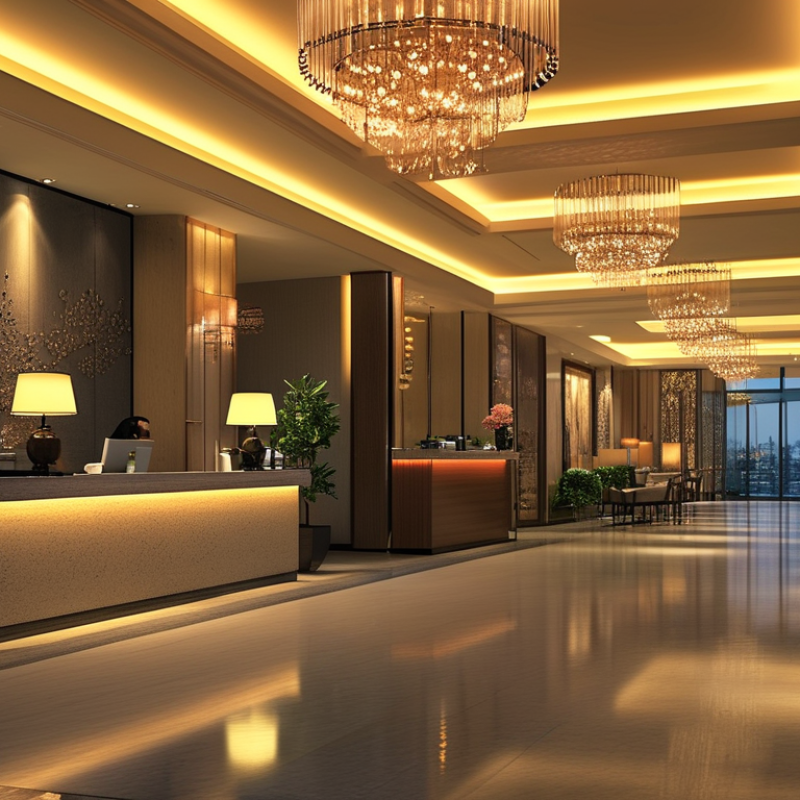
Lighting plays a pivotal role in shaping the aesthetics of hotel spaces. It's not just about visibility; it's about creating an atmosphere that feels welcoming. Studies show that effective lighting can increase customer satisfaction by nearly 30%. A well-lit space can significantly enhance the guest experience, providing comfort and warmth.
The principles of good lighting design should focus on layering. This includes ambient, task, and accent lighting. Layered lighting allows for flexibility, catering to different moods and activities. Reports indicate that 70% of hotel guests consider lighting a significant factor when choosing accommodations. Poor lighting can lead to fatigue and discomfort, ultimately impacting a guest's decision to return.
Additionally, the choice of fixtures contributes to overall hotel aesthetics. Unique and stylish lighting can serve as a focal point. However, it’s crucial to strike a balance between functionality and design. Too many decorative elements can overwhelm a space. Reflecting on these elements reveals the fine line between creating a visually appealing environment and ensuring guest comfort. What may seem like an elegant choice can sometimes detract from the overall experience if it sacrifices practicality.
| Tip Number | Tip | Description | Importance |
|---|---|---|---|
| 1 | Layer Your Lighting | Combine ambient, task, and accent lighting for a well-rounded effect. | Creates a warm and inviting atmosphere. |
| 2 | Consider the Function | Choose lighting that suits the specific area and its use. | Enhances guest experience and utility. |
| 3 | Choose the Right Color Temperature | Opt for warm whites for relaxation and cooler tones for focus. | Influences mood and comfort. |
| 4 | Incorporate Decorative Fixtures | Use unique designs for a touch of elegance. | Enhances the overall decor and character. |
| 5 | Utilize Dimmers | Adjust lighting levels based on time of day or event. | Offers flexibility and ambiance control. |
| 6 | Focus on Sustainability | Choose energy-efficient lighting options. | Reduces costs and environmental impact. |
| 7 | Highlight Architectural Features | Use lighting to accentuate design elements. | Adds depth and visual interest. |
| 8 | Incorporate Smart Technology | Utilize smart lighting systems for convenience. | Enhances control and efficiency. |
| 9 | Use Layered Light in Common Areas | Combine various light sources to create dynamic spaces. | Encourages social interaction and comfort. |
| 10 | Maintain Consistency | Ensure all lighting choices align with hotel branding. | Strengthens brand identity and guest recognition. |
: Lighting affects visibility and atmosphere, enhancing guest comfort and satisfaction.
Key layers include ambient, task, and accent lighting. This provides flexibility for different activities.
Poor lighting may cause fatigue and discomfort, influencing guests' likelihood of returning.
Lighting should complement the hotel's overall theme, whether it's vintage or modern.
Warm tones create an inviting feel, while cooler tones promote energy and alertness.
It allows easy transitions between mood settings, improving guest experiences.
Real-world testing reveals if fixtures cause unwanted shadows or glare.
Guest feedback on lighting can guide adjustments that enhance their experience.
Some installations lack user-friendly controls, frustrating guests and detracting from comfort.
Reassess lighting systems and ensure guests feel comfortable adjusting settings.
When considering how to choose decorative lighting for hotels, it's crucial to understand lighting's role in enhancing the overall aesthetics and atmosphere. Different types of decorative lighting options should be evaluated to ensure they align with the hotel’s theme and ambiance. For instance, whether opting for chic fixtures or warm, inviting sconces, the selection should resonate with the desired guest experience.
Additionally, energy efficiency is a significant factor in contemporary lighting choices, helping hotels reduce costs while being environmentally responsible. Flexibility is also vital; lighting can set various moods for different occasions, ensuring the space remains adaptable for events and personal preferences. By carefully evaluating these aspects, hotel managers can create a welcoming and harmonious environment that appeals to guests.

 Layr Light