10 Best Tips to Choose Decorative Lighting for Your Home?

Time:2026-06-05 Author:Isabella
0%

Choosing the right decorative lighting is vital for enhancing the ambiance of any home. According to a 2022 report by the American Lighting Association, nearly 61% of homeowners believe that lighting significantly impacts their moods. This emphasizes the need to understand how to choose decorative lighting for a home effectively.

Expert designer Lisa Adams emphasizes, "Lighting is not just about visibility; it's about creating an atmosphere." This insight underscores the complexity involved in selecting the perfect lighting fixtures. Many homeowners often overlook details such as color temperature and fixture scale, resulting in mismatched aesthetics. For instance, a trendy pendant light can become overwhelming in a small space. Choosing wisely can maximize both function and style.

Even with comprehensive tips available, preferences can vary greatly. Some might prioritize aesthetics, while others focus on energy efficiency. Reflecting on personal needs is crucial. Ultimately, effective decorative lighting should balance design and practical usability, thus creating inviting and functional spaces.
10 Best Tips to Choose Decorative Lighting for Your Home?

Choosing the Right Decorative Lighting: A Guide to Function and Aesthetics

Choosing decorative lighting for your home is both an art and a science. The right lighting enhances aesthetics while serving functional needs. According to the American Society of Interior Designers, approximately 80% of interior designers emphasize the importance of lighting in spatial perception. An appropriately lit room can make a small space feel larger and more inviting.


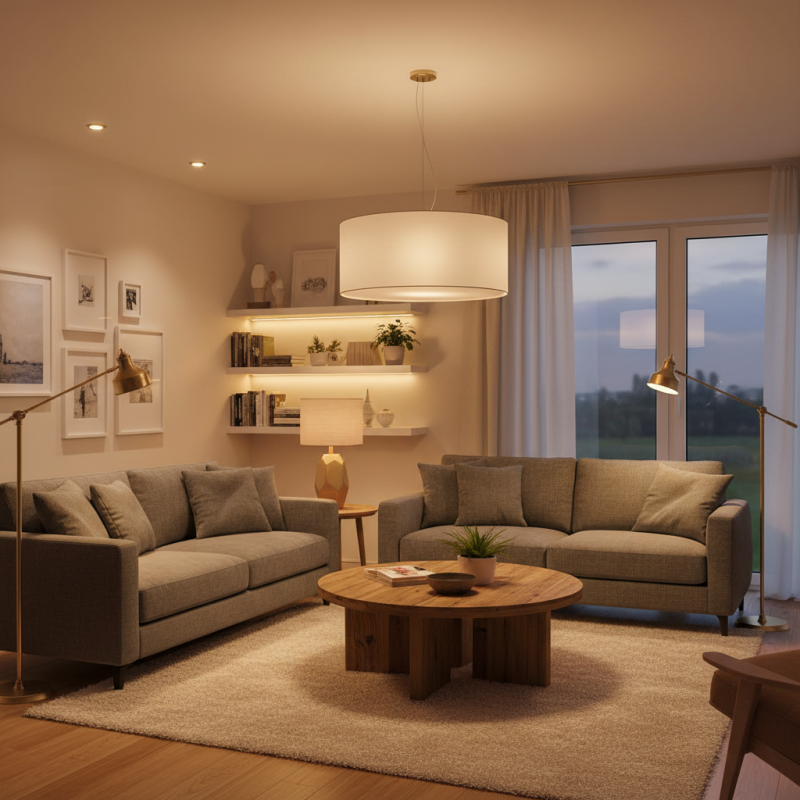
Consider ambient, task, and accent lighting when designing your space. Ambient lighting provides overall illumination. Task lighting focuses on specific areas, like reading nooks or kitchen counters. Accent lighting draws attention to artwork or architectural features. The lighting you choose should complement your furniture and color palette. A well-selected light fixture can often become the centerpiece of a room.


Data from the National Lighting Bureau shows that proper lighting design can improve moods and productivity. Yet, many homeowners overlook this. They often choose fixtures based solely on appearance, neglecting the light quality. It’s critical to balance function with aesthetics. For example, a stunning chandelier might not suffice in a home office. Reflection on your lighting choices can lead to profound improvements in your space’s overall ambiance.

Understanding Different Types of Decorative Lighting Fixtures and Their Uses

When considering decorative lighting, understanding the types of fixtures available is crucial. Fixtures come in various forms, each serving unique purposes. Chandeliers, for example, make a bold statement in dining rooms. They offer both illumination and elegance. Wall sconces can add warmth to hallways, creating inviting spaces. Floor lamps work well in corners, providing soft light without taking up too much space.

In addition, pendant lights can enhance kitchen islands and dining areas. They draw the eye and create focal points. For outdoor settings, string lights create a cozy, festive atmosphere. However, choosing the right type can be challenging. Consider aspects like ceiling height and existing décor. Sometimes, mixing different styles generates an eclectic feel, but it can also come off as cluttered.

Balance is key when selecting fixtures. Too much lighting can overwhelm, while too little can leave areas dim. Pay attention to the size of the room as well. A small fixture can disappear in a large space. Reflecting on how each piece fits within your home is important. Good lighting should enhance your environment, not distract from it.

Assessing Your Space: Measuring Room Dimensions for Optimal Lighting Placement

When choosing decorative lighting, assessing your space is essential. Start by measuring your room dimensions. This gives you an idea of how much light you need. For example, a large room may require multiple light sources. A small room might only need one statement piece.

Pay attention to the height of your ceilings. High ceilings can handle larger fixtures without feeling cramped. For lower ceilings, consider flush or semi-flush mounts to create an airy feel. Additionally, think about where you spend time. If you read often in one corner, a focused light source is necessary.

When selecting fixtures, consider your room’s purpose. Warm lighting can create a cozy atmosphere, ideal for living areas. In contrast, bright, white light works best in kitchens or workspaces. Don’t forget to reflect on how each fixture complements your decor. Mixing styles may lead to a disjointed look. Aim for a cohesive design that enhances your space's charm.

Color Temperature and Lumens: The Science Behind Lighting Choices

When selecting decorative lighting for your home, understanding color temperature and lumens is essential. Color temperature, measured in Kelvin (K), affects the mood of a space. Warmer temperatures, around 2700K to 3000K, create a cozy atmosphere. These are perfect for living rooms and bedrooms. Cooler temperatures, like 4000K to 5000K, mimic daylight. They enhance focus, making them ideal for workspaces.

Lumens measure brightness. A higher lumen count indicates a brighter bulb. For instance, a 100-watt incandescent bulb offers about 1600 lumens. However, you might not need that much light everywhere. In your bedroom, softer lighting can create a more relaxing vibe.

Choosing the right lighting involves balancing these factors. You may find some areas too bright or others dim. Regularly reassess your lighting choices. Consider dimmers or multiple fixtures to adjust the light's intensity. Experimenting can lead to a more personalized and inviting space. Always remember that lighting impacts how colors and textures in your home are perceived.

Understanding Color Temperature and Lumens

This chart illustrates the relationship between color temperature (measured in Kelvin) and the typical lumens output for a 100W equivalent bulb. Choosing the right lighting can enhance your home atmosphere significantly.

Incorporating Energy Efficiency: Selecting LED Options for Sustainable Decor

When it comes to decorative lighting, energy efficiency should be a guiding principle. Incorporating LED options can drastically reduce energy consumption. According to the U.S. Department of Energy, LEDs use at least 75% less energy than traditional incandescent bulbs. This impressive efficiency translates to a significant decrease in your electricity bill.

Another point of consideration is the lifespan of LED lights. They can last about 25,000 hours, far outpacing incandescent bulbs, which usually last around 1,000 hours. This longevity means fewer replacements and less waste, contributing to a more sustainable home environment. However, it’s essential to evaluate the initial cost against long-term savings. Some homeowners might feel reluctant about upfront investments.

Aesthetic choices in LED lighting have also evolved. There are now various designs that can fit any decor style. It’s vital to choose fixtures that not only illuminate but also enhance the atmosphere of a room. Additionally, the color temperature can affect mood and perception of space. Bright white lights can invigorate, while warmer tones create a cozy feel. Keep in mind that not all LED products are created equal; look for reputable certifications to ensure reliability and quality. Exploring these options will improve your home’s sustainability and its overall ambiance.

10 Best Tips to Choose Decorative Lighting for Your Home

Tip Description Energy Efficiency LED Options
1. Identify Your Style Consider modern, rustic, or industrial styles. Choose fixtures with Energy Star ratings. Select LED bulbs that match your fixture style.
2. Use Dimmer Switches Control brightness for different moods. LED dimmable options save energy. Ensure the LED is compatible with dimmers.
3. Layer Your Lighting Combine ambient, task, and accent lighting. Use LED for each layer to maximize efficiency. Consider LED strip lights for accent layers.
4. Choose the Right Bulb Select bulbs based on color temperature. Opt for LED bulbs for longer life. Use warm white LEDs for a cozy feel.
5. Consider Placement Position lights where they serve their purpose. Strategic placement improves energy usage. Place LEDs in frequently used areas.
6. Match Lighting to Room Function Use brighter lights in kitchens, softer in bedrooms. LED can be versatile across different functions. Select appropriate LED wattages for different rooms.
7. Optimize Natural Light Use mirrors and light colors to enhance light. Energy savings from reduced need for electric lights. Align LED placement to leverage natural light.
8. Ensure Safety Features Avoid lights near water sources. Use water-resistant LED options in bathrooms. Select IP-rated LED lights for safety.
9. Test Before Finalize Check how lights look at different times of day. Compare energy use vs. output. Evaluate lumens output of LED before purchase.
10. Consult with Experts Seek advice on layout and fixture selections. Expert guidance can help save energy. Ask for LED recommendations from professionals.

FAQS

: Why is it important to measure room dimensions before choosing lighting?

: Measuring room dimensions helps determine how much light is needed. Larger rooms might need multiple sources, unlike smaller ones.

How does ceiling height influence lighting fixture selection?

High ceilings can support larger fixtures. Lower ceilings benefit from flush mounts to maintain an open feel.

What type of lighting is best for cozy living areas?

Warm lighting around 2700K to 3000K creates a cozy atmosphere, ideal for living spaces.

How do color temperatures affect room moods?

Warmer color temperatures create comfort, while cooler ones enhance focus, making them suitable for workspaces.

What should I consider about lumens when choosing lights?

Lumens indicate brightness. A bulb with higher lumens is brighter, but softer lighting is often better for bedrooms.

How can I adjust lighting intensity in my space?

Use dimmers or multiple fixtures. Experiment to find the right balance of light in different areas.

What happens if I mix different lighting styles?

Mixing styles may create a disjointed look. Aim for a cohesive design that enhances your space’s charm.

Why is it advised to regularly reassess lighting choices?

Regular reassessment helps you adapt to changing needs. Some areas may feel too bright or too dim over time.

What is the effect of lighting on colors and textures?

Lighting significantly impacts how colors and textures appear. A well-lit space can bring out the best in decor.

Is it okay to choose lighting based solely on aesthetics?

While aesthetics matter, consider functionality too. Focus on how well the lighting serves your daily activities.

Conclusion

Choosing decorative lighting for a home is a balance between functionality and aesthetic appeal. It begins with understanding the various types of lighting fixtures available and their specific applications. Proper assessment of your space, including measuring room dimensions, is crucial for determining the optimal placement of these fixtures. Additionally, grasping the concepts of color temperature and lumens will help you make informed lighting choices that create the desired ambiance in your home.

Energy efficiency should also play a significant role in your decision-making process. Selecting LED options can enhance your home's decor sustainably while reducing energy consumption. By following these guidelines, homeowners can confidently navigate how to choose decorative lighting for a home, ensuring that their spaces are both beautifully illuminated and environmentally friendly.

Isabella

Isabella

Isabella is a dedicated marketing professional with a sharp focus on driving brand growth and engagement through strategic content creation. With an extensive background in digital marketing, she combines her passion for storytelling with her keen understanding of industry trends to deliver......