Natural light can make a room feel open, calm, and connected to the outdoors. Artificial light provides consistency when daylight fades. The best results come from treating them as one responsive system, not separate choices. This is the practical challenge behind how to combine natural and artificial lighting.
The International Energy Agency reports that building operations consume about 30% of global final energy. Lighting remains a significant part of that demand, especially in commercial interiors. The IEA’s Buildings 2023 analysis supports stronger efficiency measures, including better controls and reduced energy waste. Daylight sensors, dimmable LED fixtures, and layered lighting can respond to changing sky conditions. A desk near a bright window may need only gentle ambient light at noon. By late afternoon, it may require balanced task lighting without creating glare.
Lighting researcher Peter Boyce has stated, “Lighting is not about light; it is about people.” This principle matters in every room. A cool, bright ceiling fixture may support concentration, but it can feel harsh beside warm evening daylight. A softer wall wash or adjustable floor lamp can restore visual comfort. Small details matter.
The formula is not flawless.
Window direction, surface reflectance, climate, and personal sensitivity change the outcome. Designers should measure illuminance, observe shadows, and test scenes at different hours. The U.S. Department of Energy also emphasizes daylight-responsive controls as a practical efficiency strategy. Good lighting design remains iterative. It should save energy, protect comfort, and still feel natural when conditions shift.
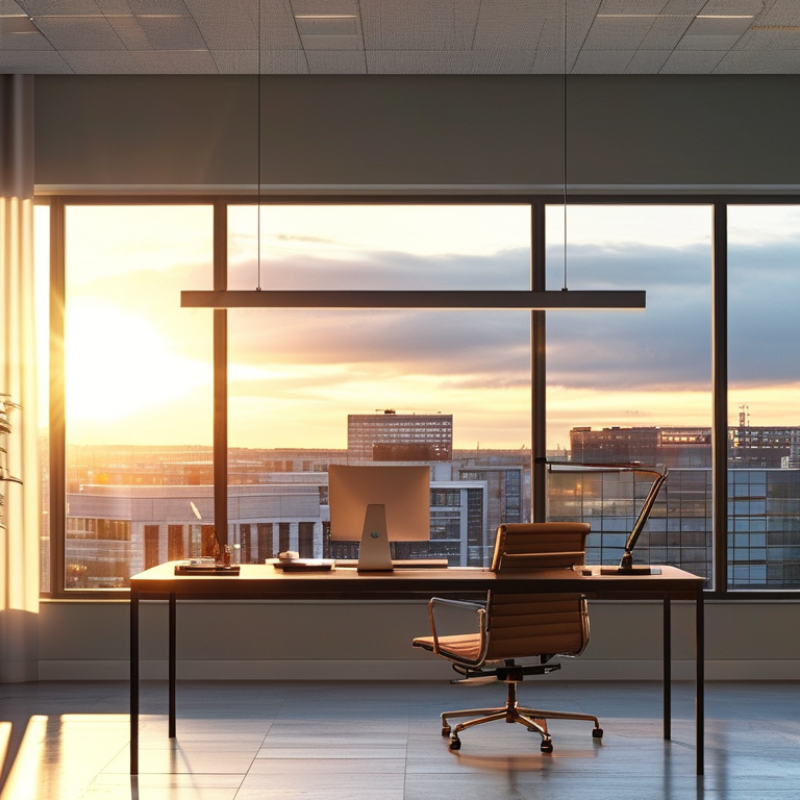
Assessing light in a space begins with observation, not decoration. I visit the room at morning, noon, and evening. Sunlight may reach the floor at 9 a.m., then disappear behind a neighboring wall. I note glare on screens, shadows under cabinets, and the color of white surfaces. These details reveal how the room actually performs. A simple light meter can support these observations, but readings need context.
Natural light changes with season, weather, window direction, and interior finishes. Pale walls can spread daylight, while dark flooring absorbs much of it. I compare the brightest and dimmest areas from the doorway. This helps identify whether artificial light should fill, support, or contrast with daylight. Artificial fixtures should be assessed for brightness, beam spread, color appearance, and control. Warm light may feel comfortable after sunset, yet it can make some tasks harder. Cool light can improve visual clarity, but may feel harsh in a quiet room.
I also check the transition between sources. A bright ceiling fixture beside blue evening light can make skin and materials look uneven. That mismatch is easy to overlook. In practice, I adjust one layer at a time: ambient light, task lighting, then accents. I leave the room for several minutes before judging comfort. My first assessment is not always right. Personal sensitivity, age, and screen use can change the result. A useful plan records time, weather, task, and user response, rather than relying on appearance alone.
Start by identifying what the room needs to support. A reading corner needs focused, comfortable light. A hallway needs safe movement and clear edges. A kitchen requires even illumination across work surfaces. Natural light can change quickly with clouds, seasons, and nearby buildings. Observe the room at morning, midday, and evening. Note glare on screens, dark corners, and reflections on polished surfaces.
I once planned a workspace beside a bright window. The daylight looked pleasant, but it created strong shadows across the desk. My first solution used excessive ceiling light. It felt harsh and wasted energy. A better approach added a shaded task light and softer ambient lighting.
Keep daylight as the visual foundation when possible. Place artificial sources where daylight cannot reach. Curtains, blinds, or adjustable shades can control glare without blocking every useful ray.
Measure rather than guess. A light meter can reveal uneven areas that your eyes overlook. Many detailed tasks need higher illumination than relaxed activities.
Check local building guidance for recommended levels and accessibility requirements. Use warmer light for restful spaces and more neutral light for concentration, but personal comfort still matters.
Color rendering also affects appearance, especially around food, artwork, and skin tones. Test the arrangement for several days. Real use often exposes problems that a design sketch misses.
What Is the Best Way to Combine Natural and Artificial Light?
Planning the balance between daylight and electric light starts with observing the room. Track sunlight across the day, not just at noon. A desk beside a bright window may need less electricity, but it can create glare and screen reflections. Use adjustable blinds, light shelves, and matte surfaces to soften direct sun. The International Energy Agency reported in its 2024 Global Status Report that buildings consume about 30% of global final energy. Lighting decisions therefore influence both comfort and operational energy.
Electric lighting should respond to daylight instead of competing with it. Install dimmable fixtures near windows and brighter task lighting only where work requires precision. Occupancy and daylight sensors can reduce unnecessary operation, although poorly calibrated controls may frustrate users. Keep this human factor visible. The U.S. Department of Energy notes that daylight-responsive controls can reduce lighting energy use in suitable commercial spaces, but savings depend on layout, weather, and user behavior. A practical target is even illumination, not maximum brightness. CIE guidance commonly uses 300 lux as a useful daylight reference for many indoor tasks, yet real rooms rarely behave perfectly. Test the space during a cloudy morning, a sunny afternoon, and after sunset. Then adjust. Some assumptions will fail.
| Space or Activity | Recommended Maintained Illuminance | Preferred Daylight Contribution | Electric Lighting Strategy | Recommended Controls | Planning Considerations |
|---|---|---|---|---|---|
| Living Room | 100–300 lux | Use daylight as the primary daytime source whenever glare and overheating are controlled. | Provide dimmable ambient lighting with separate task or accent circuits. | Daylight dimming, occupancy detection, and scene control. | Place seating to receive diffuse daylight while avoiding direct reflections on screens. |
| Home Office | 300–500 lux | Use strong, evenly distributed daylight during working hours; supplement shaded areas electrically. | Use adjustable task lighting and low-glare ambient fixtures. | Manual dimming combined with daylight-responsive control. | Position the desk perpendicular to windows where possible to reduce screen glare. |
| Kitchen and Food Preparation | 300–500 lux | Prioritize daylight near work surfaces, but maintain reliable electric lighting for cloudy conditions and evening use. | Use layered lighting: general, under-cabinet task, and localized accent lighting. | Separate switching for work surfaces and general lighting. | Ensure the user’s body does not cast shadows across countertops. |
| Bedroom | 100–200 lux | Allow moderate morning daylight while providing options for privacy and darkness. | Use low-level, warm-colored ambient and bedside task lighting. | Dimmer switches, occupancy control, and blackout or shading control. | Use layered controls so general lighting can be reduced without disabling bedside lighting. |
| Bathroom | 200–300 lux | Use daylight where available, while ensuring consistent facial illumination at the mirror. | Provide ambient lighting plus vertical lighting at the mirror or vanity. | Occupancy sensor with manual override and independent mirror-light control. | Diffuse light at the face to minimize harsh shadows; use fixtures suitable for damp areas. |
| Classroom or Study Area | 300–500 lux | Maximize useful daylight with shading that limits glare and excessive contrast. | Use independently dimmable lighting zones parallel to the window wall. | Daylight harvesting, occupancy detection, and presentation-mode scenes. | Keep the area near windows from becoming substantially brighter than the rear of the room. |
| Corridor and Circulation Area | 50–100 lux | Use available daylight to reduce daytime electric-light demand. | Provide uniform, low-level ambient lighting with brighter points only where needed. | Occupancy or time scheduling with daylight override. | Avoid abrupt transitions between bright rooms and darker circulation spaces. |
| Stairway | 100–200 lux | Use daylight where possible, but maintain dependable electric lighting at every step. | Use continuous or well-overlapped lighting to prevent dark treads and shadows. | Occupancy sensors with extended fade-out time and emergency-lighting provision where required. | Uniformity and clear visibility of tread edges are more important than maximum brightness. |
| Dining Area | 100–200 lux | Use daylight for daytime atmosphere while controlling direct sun on tables and occupants. | Combine dimmable ambient lighting with focused pendant or accent lighting. | Scene presets for daytime, dining, cleaning, and evening use. | Use dimming to preserve visual comfort as outdoor brightness changes. |
| Detailed Reading or Precision Task | 500–750 lux | Use daylight for general visibility, supplemented by localized task lighting. | Provide adjustable, glare-controlled task lighting with a stable output. | Personal dimming and local on/off control. | Higher illuminance should be targeted only at the task area, not necessarily the whole room. |
Good lighting begins with the room’s daylight, not a fixture catalogue. I usually observe a space at morning, noon, and late afternoon before choosing equipment. Window direction, glare, wall colors, and task locations all affect the decision. A warm light source can soften a lounge, while a neutral source may support detailed work. Keep color rendering high where people inspect food, materials, or skin tones. Natural light changes constantly.
Choose fixtures by purpose. Recessed fittings can provide clean general lighting, but they may create glare on glossy desks. Pendant fixtures bring light closer to dining surfaces and can add visual comfort. Wall lighting helps balance bright windows and reduces harsh contrast. For most indoor applications, efficient LED sources offer stable output and flexible color temperatures. I prefer adjustable white systems when daylight varies widely. However, complexity can increase maintenance and user confusion.
Control systems should remain simple enough for daily use. Combine daylight dimming with occupancy detection in offices, then include a clear manual override. Use separate circuits for ambient, task, and accent lighting. Scene controls can support cleaning, meetings, or quiet evening use. Test sensors from seated and standing positions. A badly placed sensor can leave a desk dark while the hallway stays bright. I once specified too many control zones, and occupants stopped using them. That mistake taught me to prioritize intuitive operation over technical ambition. Commissioning matters. Verify light levels, dimming behavior, and nighttime comfort after installation.
Combining daylight with electric light works best as an ongoing adjustment, not a fixed switch setting. In my workspace, a bright morning can make a desk lamp feel harsh by noon. I now check the desk surface rather than judging the room from the doorway. Aim for even light across the work area, with no bright window reflected in the screen. Sheer blinds can soften sunlight without removing it. When clouds pass, lower the artificial output gradually instead of turning it off completely. Small changes matter. A dimmer or daylight sensor can help, but neither replaces observation. Light levels near the eyes may feel comfortable while the page remains too dark. That mismatch can cause squinting and early fatigue.
For reading or detailed work, place the task light beside the non-writing hand. This reduces shadows from the hand and keeps the page clear. Keep the room light slightly softer than the task light, rather than creating a bright island in a dark room. Neutral white light often supports alert work, while warmer light may feel calmer later in the day. Personal sensitivity differs, so treat these ranges as starting points, not rules. I once increased brightness to solve eye strain, then discovered glare from a pale wall was the real problem. Moving the fixture and tilting the shade worked better. Check the setup in the morning, afternoon, and evening. Record what causes glare, tired eyes, or screen reflections. Comfort is useful evidence, although it is not a perfect measurement. Reassess after a week, especially when seasons or furniture change.
Use daylight as the first source and dim electric lighting until the combined illuminance reaches the recommended maintained level for the task. The target values below are commonly specified in EN 12464-1:2021 for indoor work areas.
Measure the available daylight at the work surface. If the measured value is below the target, provide only the missing illuminance with dimmable artificial light. This approach supports visual comfort while reducing unnecessary energy use.
: Identify the room’s main activities. A reading corner needs focused light. A hallway needs safe, even visibility. A kitchen needs clear work surfaces.
Check the room in the morning, midday, and evening. Clouds, seasons, and nearby buildings can change brightness. Notice glare, reflections, and dark corners.
Use curtains, blinds, or adjustable shades. Keep useful daylight when possible. Direct artificial light toward areas daylight cannot reach.
Combine a shaded task light with softer ambient lighting. Strong daylight may cast shadows across a desk. Too much ceiling light can feel harsh and waste energy.
Warmer light often suits restful spaces. Neutral light can support concentration and detailed work. Personal comfort still matters. Test the arrangement for several days.
High color rendering helps food, materials, artwork, and skin tones look natural. Poor rendering can distort colors under indoor lighting. Appearance matters.
Recessed fittings can provide general lighting. Pendant fixtures can place light closer to dining surfaces. Wall lighting can soften contrast near bright windows. Glossy desks may reflect recessed light.
Yes, they usually provide stable output and flexible color temperatures. Adjustable white systems can respond to changing daylight. However, extra features may increase maintenance and confusion.
Keep controls simple for daily use. Use separate circuits for ambient, task, and accent lighting. A manual override helps when sensors behave poorly. Too many zones can discourage people from using the system.
Verify light levels, dimming behavior, sensor response, and nighttime comfort. Test sensors while seated and standing. A desk should not remain dark while a nearby hallway stays bright.
Combining natural and artificial light effectively begins with understanding how daylight moves through a space and how existing electric lighting supports different activities. The best approach is to identify the purpose of each area, whether it is used for focused work, relaxation, circulation, or social interaction, and then determine the brightness, color quality, and distribution required. This assessment helps create a practical plan for balancing sunlight with electric light throughout the day.
Learning how to combine natural and artificial lighting also involves selecting suitable fixtures, light sources, and control systems that can respond to changing conditions. Layered lighting, adjustable intensity, and independent controls allow users to supplement weak daylight without creating glare or excessive brightness. Regular adjustments can improve visual comfort, reduce eye strain, and increase energy efficiency. By coordinating daylight with carefully planned electric lighting, a space can remain functional, welcoming, and adaptable from morning to night.

Layr Light