Creating a warm and inviting atmosphere in your living space begins with ambient lighting. According to a report by the American Lighting Association, around 70% of homeowners believe effective lighting can transform a room. This statistic highlights how crucial it is to master the art of how to create ambient lighting in living spaces.
Lighting expert Sarah Johnson states, "The right ambient light sets the mood and enhances the overall experience of a home." Her insights point to the need for thoughtful design in our lighting choices. Often, people underestimate how a simple fixture can affect the ambiance of a room. The key lies in choosing layers of light sources, including lamps, sconces, and dimmers.
However, it's easy to get it wrong. Too harsh can feel clinical, while too dim can create a gloomy space. Ideal lighting varies by room and purpose, emphasizing the need for reflection and adjustment. Let's explore effective strategies to achieve ambient lighting that truly transforms living spaces into cozy retreats.
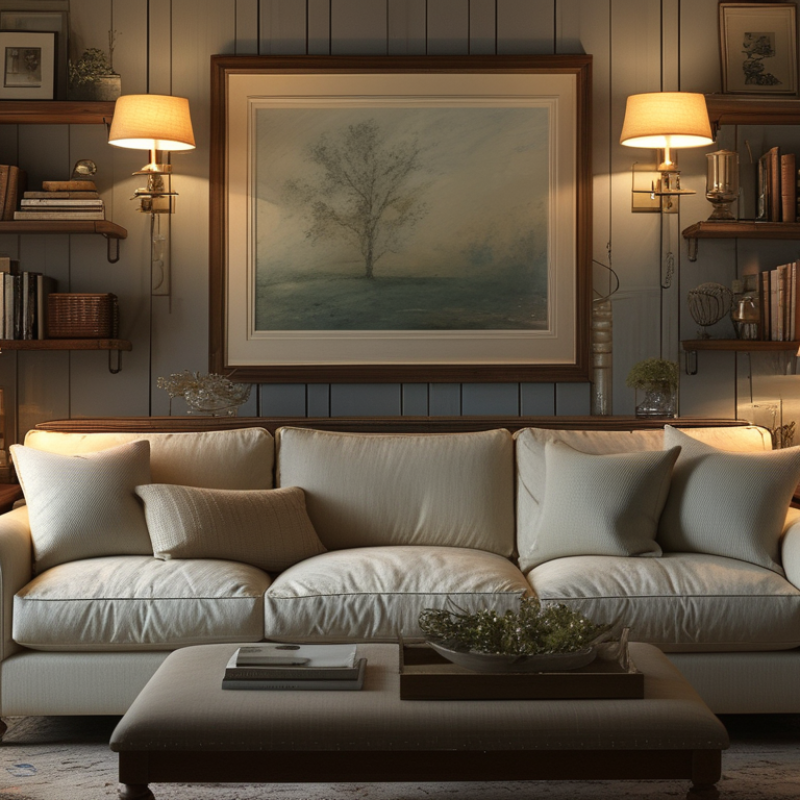
Creating a cozy living space starts with choosing the right light sources for ambient lighting. Some people often overlook the power of soft illumination. Warm light can transform a room, making it feel inviting and comfortable. Think about soft white bulbs that emit a gentle glow. These are perfect for living areas where relaxation takes priority.
Table and floor lamps are essential choices for ambient lighting. They illuminate corners and provide adjustable light levels. A multi-functional lamp with a dimmer switch can create various moods throughout the day. Try placing these lamps near seating areas to enhance the cozy atmosphere.
Wall sconces can also add a layer of warmth while saving floor space.
However, be cautious about light distribution. Sometimes, too many bright lights can feel harsh. Layer your lighting to balance brightness and softness. Consider using candles in addition to electric lighting for an intimate feel. Reflecting on your choices will help you create a true ambient experience. Remember, a cozy space is about comfort, not just aesthetics.
Creating ambient lighting in your living spaces involves strategic layering of different types of lighting. For effective results, combine ambient, task, and accent lighting. According to the American Lighting Association, proper layering can enhance the mood and functionality of any room.
Ambient lighting serves as the primary light source. It allows for general illumination. It's essential to understand that not all ambient lighting is the same. Soft LED bulbs can create a warm glow, while brighter options may feel harsh. A balance is key. Overly bright ambient light can lead to discomfort.
Task lighting, on the other hand, focuses on specific activities. Think reading lamps or under-cabinet lights. These lights should be brighter and more direct. They provide clarity without overpowering the space. According to a recent study by the Lighting Research Center, good task lighting can reduce eye strain by 30%.
Accent lighting highlights specific features. It could include track lighting or wall sconces. This type of lighting adds depth and interest. However, misuse can create shadows that are unflattering. Thus, reflect on your choices. Are the light levels consistent? Are there areas too dark or too bright? Layering lighting is both an art and a science. Your living space deserves the perfect mix.
This chart illustrates the effectiveness of various types of lighting used to create a cozy atmosphere in living spaces. The data indicates the percentage impact each lighting type has on the overall ambiance, based on a survey of interior design preferences.
Creating ambient lighting in living spaces can transform your home. One effective method is to utilize dimmers and smart controls. Research indicates that good lighting enhances mood by up to 20%. Adjusting light intensity allows you to tailor your environment for relaxation or productivity.
Dimmers are versatile. They enable you to change the brightness according to time of day or activity. For instance, a warm glow is ideal for movie nights. However, not all dimmers work with LED bulbs, which can lead to flickering or inadequate dimming. It's important to choose compatible products for consistent results.
Smart controls add another layer of flexibility. With these devices, you can create schedules or adjust settings remotely. Data from the Lighting Research Center shows that smart lighting can save up to 30% energy compared to traditional setups. Yet, the technology can be overwhelming. Many consumers struggle to navigate the various options. It's essential to research and reflect on what works best for you.
Incorporating natural elements can significantly enhance the coziness of living spaces. A recent study by the National Institute of Health found that rooms enriched with plants reduce stress levels by up to 60%. By placing potted plants or hanging ferns in your living room, you can invite a sense of calm and well-being. Alternatively, using reclaimed wood for shelving or furniture adds warmth and character. The texture of natural materials fosters a connection with the outdoors, making interiors feel more inviting.
Lighting plays a critical role in creating a cozy ambiance. Use warm-toned bulbs that mimic the glow of candlelight. According to a report from the American Society of Interior Designers, the right lighting can improve mood and productivity. Natural light is essential; consider sheer curtains that allow sun rays to filter through. However, keep in mind that overexposure to direct sunlight can be harsh, necessitating a balance. Layer your lighting: combine table lamps, floor lamps, and dimmable overhead lights to achieve a soft, inviting glow.
A cozy atmosphere can be achieved through thoughtful design choices. Elements like stone accents, earthy colors, and organic fabrics all contribute to a relaxing environment. It’s vital to remember that everyone's sense of comfort differs. Experimentation and personalization in your space are key. Be prepared for a few missteps as you discover what truly creates a cozy feeling for you.
Decorative lighting fixtures can transform a living space. They offer style and ambiance. Consider statement pieces like vintage chandeliers or modern pendant lights. These fixtures draw attention and can be a conversation starter. The right choice creates warmth and charm.
Layering is essential in lighting design. Combine different sources like floor lamps, wall sconces, and string lights. This adds depth. You might find balancing intensity challenging. Test different combinations to see what works best for your space. Ambient light should feel inviting, not excessive.
Don’t forget about the aesthetics. The colors and materials of your fixtures matter. A brass finish may give a cozy vibe, while a sleek chrome option feels modern. Choose items that fit your overall décor. Remember to reflect on how each piece makes you feel in the space. Your living area should be a sanctuary.
| Lighting Type | Description | Ideal Use | Style |
|---|---|---|---|
| Table Lamps | A versatile light source that can be placed on side tables, providing localized illumination. | Living Rooms, Bedrooms | Modern, Classic |
| Floor Lamps | Tall lamps that provide ambient light and serve as a design element. | Reading Nooks, Corners | Contemporary, Industrial |
| String Lights | Flexible lighting solution that adds a whimsical touch to any space. | Outdoor Spaces, Bedrooms | Bohemian, Rustic |
| Wall Sconces | Mounted lights that save space while providing soft lighting. | Hallways, Living Rooms | Traditional, Minimalist |
| Candles | Natural light source that creates a warm and intimate atmosphere. | Dining Tables, Baths | Romantic, Vintage |
: Dimmers allow you to adjust brightness based on time of day or activity. This creates an inviting atmosphere.
Not all dimmers are compatible with LED bulbs. Some may flicker or may not dim properly. Always check compatibility.
Smart controls let you set schedules and adjust lighting remotely, offering more flexibility and energy savings.
Many consumers find smart technology overwhelming, struggling to navigate their features. Research is crucial for informed choices.
Decorative lighting fixtures enhance style and ambiance while acting as statement pieces in your living area.
Combine floor lamps, wall sconces, and pendant lights for depth. Adjust intensity to create an inviting feel.
The finish affects the overall vibe. For example, brass feels cozy, while chrome looks modern. Reflect on how you feel about each choice.
It may take time to test different combinations to see what works best. Lighting should feel inviting, not excessive.
Good lighting can enhance mood by up to 20%. Adjusting the light environment is key to creating a comfortable space.
Consider colors and materials that match your decor. Reflect on how each piece contributes to the atmosphere of your living space.
Creating ambient lighting in living spaces is essential for establishing a warm and inviting atmosphere. To start, choosing the right light sources is crucial. Soft, diffused light from lamps and ceiling fixtures can help create a cozy environment. Layering different types of lighting—such as task, accent, and ambient fixtures—maximizes the effect, providing both functionality and warmth.
Incorporating dimmers and smart controls allows for flexible lighting options, enabling you to adjust the brightness according to your mood or activity. Additionally, integrating natural elements, like plants and wooden textures, can further enhance the cozy ambiance. Finally, accessorizing with decorative lighting fixtures not only adds style but also serves as a focal point in the room, bringing everything together harmoniously. By following these guidelines, you'll master how to create ambient lighting in living spaces that feels both inviting and comfortable.
Layr Light