How Does Decorative Lighting Influence Your Mood?

Time:2026-06-10 Author:Henry
0%

Decorative lighting plays a crucial role in shaping our environments. It can transform a simple space into a cozy retreat or a vibrant gathering spot. The key question becomes, how does decorative lighting affect mood? Studies show that lighting influences our emotions and behaviors. Different colors and intensities can evoke various feelings, such as relaxation or excitement.

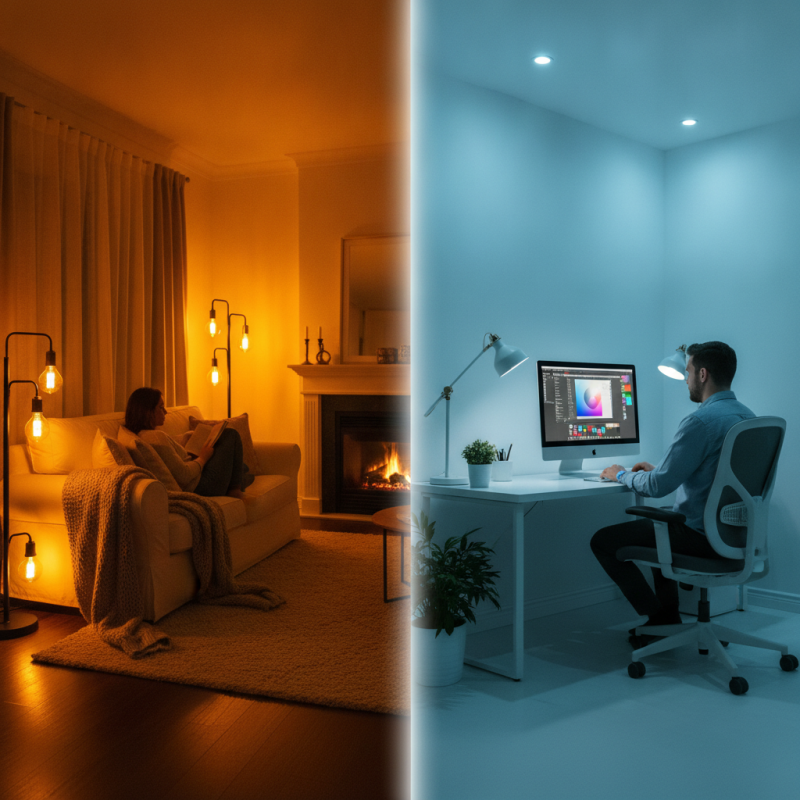
Warm, soft lights often create a sense of calm. They invite us to unwind after a long day. Conversely, bright, cool lights may energize and motivate us. Think of the ambiance in a restaurant, where gentle lighting fosters intimate conversations. In contrast, a well-lit workspace encourages productivity.

However, not all decorative lighting achieves the desired effects. Sometimes, mismatched lighting can lead to discomfort or unease. Overly harsh lights can make a room feel sterile, while dim spaces can evoke sadness. Reflecting on personal experiences with lighting can help us understand its impact on mood. Being mindful of how we use lighting can enhance our daily lives significantly.
How Does Decorative Lighting Influence Your Mood?

Understanding Decorative Lighting and Its Role in Environment

Decorative lighting plays a crucial role in shaping our environment. Its presence can transform any space, affecting both the aesthetics and our emotional responses. Warm lights often create a cozy atmosphere, fostering relaxation. Conversely, bright, cool lights can energize a room, promoting productivity and alertness.

The choices we make about lighting can reflect our mood and intentions. For instance, dim, ambient lighting can evoke calmness during a dinner setting. However, harsh lighting might amplify feelings of stress or anxiety. It is essential to reflect on how different lighting scenarios impact daily life. Do we feel more at ease with soft glows or vibrant flashes?

Moreover, it’s intriguing to consider how lighting influences our thoughts. While some people thrive in brightly lit areas, others may find solace in shadows. This subjective experience highlights the complexity of human emotion, reminding us that our surroundings continuously shape our mental state. Evaluating the effectiveness of decorative lighting in our lives can lead to a deeper understanding of our emotional well-being.

The Psychological Impact of Light: How It Affects Mood and Emotions

Light plays a significant role in shaping our emotions and mood. Bright, warm lighting can uplift our spirits, making spaces feel inviting and cozy. In contrast, dim or harsh lighting might induce feelings of anxiety or melancholy. The color temperature of light also matters. Warmer tones tend to be soothing, while cooler tones can stimulate alertness and focus.

Research shows that natural light improves well-being. It can enhance productivity and creativity. Imagine sitting in a room flooded with sunlight; it’s energizing and refreshing. On the other hand, inadequate lighting can lead to fatigue and lethargy. People often underestimate how these small changes affect their day-to-day life.

It is not just about brightness. The arrangement and type of lighting impact our emotions deeply. Soft, ambient light creates a relaxing atmosphere. Yet, spotlights can draw attention to specific tasks or areas, sharpening focus. The challenge lies in finding a balance that caters to individual needs. Emotions can shift with the seasons, and so should our lighting. Being aware of these effects can lead to more conscious choices in our environments.

Types of Decorative Lighting and Their Influence on Ambience

Lighting plays a crucial role in shaping our environment. Decorative lighting can elevate the mood and enhance the atmosphere of any space. Different types of lighting serve distinct purposes and evoke various feelings. For instance, soft, warm lights create a cozy and inviting vibe. They are ideal for living rooms or bedrooms where relaxation is key.

Conversely, bright, cooler lighting can boost energy and focus. This type of lighting is often used in workspaces or kitchens. It stimulates alertness and encourages productivity. Incorporating decorative elements, such as pendant lights or chandeliers, can further personalize a room. These choices reflect your style and influence how you feel in that space.

It’s essential to consider how lighting impacts daily life. You might find that harsh lighting can lead to feelings of anxiety or discomfort. Experimenting with different lighting types is worthwhile. Adjusting the intensity and color temperature of lights can reveal surprising effects on your mood. Finding the right balance is an ongoing process that requires reflection and adjustment.

Color Temperature of Lighting: Warm vs. Cool and Its Emotional Effects

The color temperature of lighting, whether warm or cool, significantly affects our mood and feelings. Warm light, typically between 2700K and 3000K, has a cozy and inviting quality. Research from the Lighting Research Center reveals that warm light can enhance feelings of comfort and relaxation. It's no wonder that restaurants and homes often utilize this range to create intimate atmospheres.

On the other hand, cool light, ranging from 4000K to 6500K, serves a different purpose. Studies indicate that cool lighting promotes alertness and productivity. It's often used in office environments. However, too much cool light can lead to feelings of anxiety or restlessness. Abalance is essential.

People may vary in their emotional responses to different light temperatures. Some find warm light too dim, while others feel overstimulated by harsh, cool tones. This nuance highlights the importance of personal preference in lighting choices. Ultimately, understanding these emotional effects can enhance everyday experiences. Making informed decisions about your lighting can profoundly influence both your environment and mood.

Practical Tips for Using Decorative Lighting to Enhance Mood

Lighting plays a crucial role in setting the mood of a space. Decorative lighting, in particular, adds character and emotion to a room. Choose warm, soft light to create a cozy atmosphere. String lights and candles can evoke feelings of tranquility. Use these elements in your living room or bedroom for relaxation.

Experiment with different types of fixtures. Chandeliers can add elegance, while floor lamps offer versatility. Layer lighting options to create depth. This approach can enhance creativity and productivity. Bright, focused lights are ideal for workspaces, while dimmer settings work well for winding down.

Remember, your personal preferences matter. Not everyone reacts the same way to lighting. Some may find bright lights energizing, while others feel overwhelmed. Adjust your lighting based on your daily mood. It might take time to find the perfect balance. Observe how different lights affect you throughout the day.

FAQS

: How does light impact our emotions?

: Light significantly shapes our mood. Bright, warm lighting can uplift spirits, while dim light may cause anxiety.

What type of lighting promotes well-being?

Natural light is effective for improving well-being. It boosts productivity and creativity, making spaces feel energizing.

Can inadequate lighting affect energy levels?

Yes, poor lighting can lead to fatigue and lethargy. Small changes in light can greatly influence daily life.

What is the importance of light color temperature?

Warmer tones are soothing, while cooler tones enhance alertness. Choosing the right temperature can affect focus.

How do decorative lights enhance mood?

Decorative lighting adds character to spaces. Warm lights, string lights, and candles create a tranquil environment.

What should I consider when choosing lighting?

Consider personal preferences and how different lighting makes you feel. Experimenting might help find your ideal balance.

Can lighting influence creativity?

Yes, layered lighting can enhance creativity and productivity. Bright lights are best for work; dimmer settings are calming.

How does lighting affect different individuals?

Reactions to lighting vary. Some find bright lights energizing, while others may feel overwhelmed or anxious.

Is finding the right lighting easy?

It can be challenging. It takes time to observe how various lights impact your mood throughout the day.

How can seasons affect lighting choices?

Emotions shift with seasons. Our lighting should adapt to these changes for a comfortable atmosphere throughout the year.

Conclusion

Decorative lighting plays a significant role in shaping our environment and influencing our mood. Understanding how does decorative lighting affect mood involves examining the psychological impact of different types of lighting. Bright, cool light can invigorate and enhance alertness, while warm light fosters relaxation and comfort.

There are various types of decorative lighting, each contributing differently to the ambience of a space. For instance, pendant lights might create a cozy atmosphere, while wall sconces can add elegance. Additionally, color temperature is crucial; warm tones tend to evoke feelings of warmth and intimacy, whereas cool tones can inspire clarity and focus. By strategically using decorative lighting, one can enhance their emotional well-being and create spaces that reflect desired moods, ultimately leading to a more fulfilling experience within the environment.

Henry

Henry

Henry is a dedicated marketing professional with a profound expertise in the company's offerings. With years of experience in the industry, he possesses an impressive understanding of the market dynamics and consumer behaviors that drive success. Henry is committed to sharing his insights through......