What is the Difference Between Decorative and Functional Lighting?

Time:2026-06-19 Author:Charlotte
0%

Lighting plays a crucial role in shaping our spaces. It greatly impacts mood and functionality. When we explore "what is the difference between decorative and functional lighting," we uncover two distinct approaches to illumination.

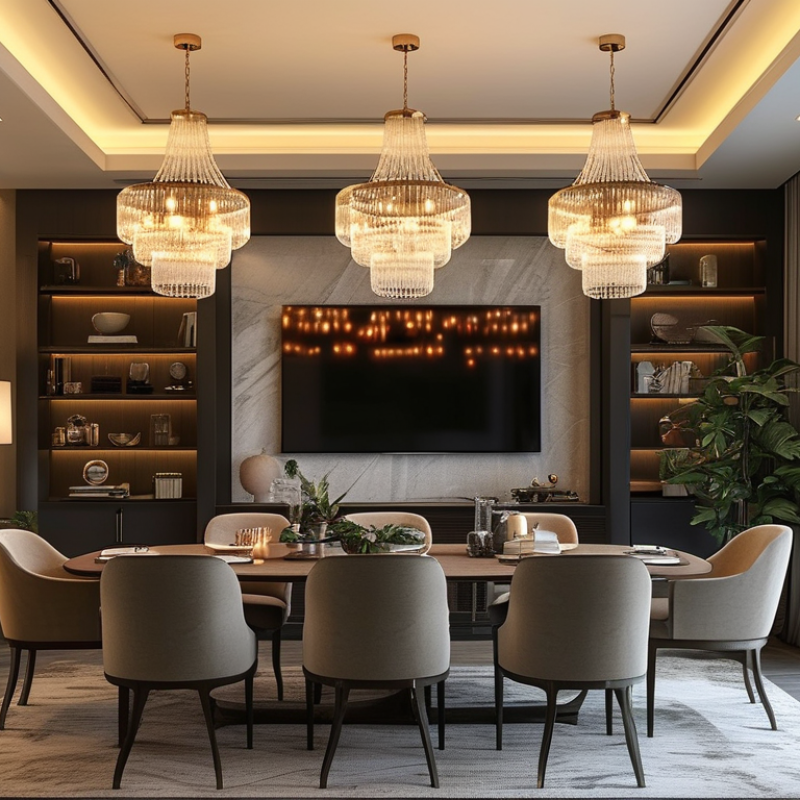
Decorative lighting enhances aesthetics. It adds charm and character to a room. Chandeliers and wall sconces are prime examples. They create visual interest but can lack practical use. This type of lighting often becomes the focal point. However, it might not provide adequate brightness for tasks.

Functional lighting, on the other hand, serves a practical purpose. It illuminates workspaces and areas needed for daily activities. Task lights or recessed lighting are common examples. They ensure that spaces are well-lit for functionality. Yet, while effective, they may not be visually appealing. Striking a balance between these types can be challenging. Understanding their differences is essential for effective design.
What is the Difference Between Decorative and Functional Lighting?

Understanding Decorative Lighting: Purpose and Aesthetic Appeal

Decorative lighting plays a vital role in enhancing both aesthetic appeal and mood within a space. These fixtures create visual interest and can serve as focal points in any room. From stunning chandeliers to stylish wall sconces, decorative lighting can transform an ordinary area into something extraordinary. The unique designs and materials add personality, making each space feel distinct and inviting.

While functional lighting provides the necessary illumination for tasks, decorative lighting focuses on beauty and ambiance. It’s about creating an atmosphere rather than merely illuminating. For example, a beautifully crafted pendant lamp above a dining table enhances the overall dining experience. Such details elevate spaces, inviting conversations and creating lasting memories. However, it’s essential to strike the right balance between decorative and functional elements. An overly ornate fixture can disrupt the harmony, overshadowing the very purpose it aims to enhance.

Understanding the purpose behind decorative lighting informs design choices. Each piece should reflect the intended vibe of the space. A delicate, sleek design might suit a modern room, while a rustic fixture could enrich a cozy cottage feel. Taking time to assess these elements can lead to delightful outcomes. Reflecting on the interplay of style and functionality encourages thoughtful selections that truly elevate a home’s aesthetic.

What is the Difference Between Decorative and Functional Lighting?

Lighting Type Purpose Aesthetic Appeal Common Examples
Decorative Lighting Primarily serves an aesthetic function, enhancing the style of a space. Focuses on beauty and design, often being a statement piece. Chandeliers, pendant lights, wall sconces.
Functional Lighting Designed to provide illumination for specific tasks. Less emphasis on design; prioritizes light output. Overhead lights, desk lamps, task lighting.

Exploring Functional Lighting: Task-Oriented and Practical Uses

Functional lighting plays a critical role in effectively completing tasks in various settings. Unlike decorative lighting, which focuses on aesthetics, functional lighting provides illumination necessary for performing activities. A 2022 report by the International Association of Lighting Designers highlighted that 70% of respondents agreed that proper lighting improves productivity in workplaces. In kitchens, for instance, task-oriented lighting aids in cooking and food preparation, reducing the risk of accidents and enhancing meal preparation efficiency.

Moreover, functional lighting is not limited to professional environments. In home offices, adequate lighting can decrease eye strain while reading and typing. A study in the Journal of Occupational Health found that workers exposed to well-distributed light levels reported a 30% decrease in fatigue. This highlights the importance of suitable brightness levels for enhancing focus. Choosing the appropriate type of light fixture can greatly impact daily routines. Many individuals underestimate the necessity of specific lighting for activities such as reading or crafting, often realizing improvements can be made only after trying different setups. The distinction between decorative and functional lighting is clear; however, people frequently overlook the vital role that well-planned functional lighting plays in the quality of life.

Comparison of Decorative and Functional Lighting

Key Differences Between Decorative and Functional Lighting

Decorative and functional lighting serve distinct purposes in interior design. Functional lighting provides necessary illumination for tasks. It ensures safety and usability in spaces like kitchens or offices. According to the American Lighting Association, nearly 75% of homeowners prioritize practicality when choosing lighting.

On the other hand, decorative lighting’s aim is aesthetic. Chandeliers, wall sconces, and artistic fixtures enhance the visual appeal of a room. A study from the National Association of Home Builders indicates that well-designed decorative lighting can increase a property's value by up to 10%. This shows the economic impact of choosing the right lighting style.

Tips: Consider using dimmers to adjust functional lighting for varying tasks. Layer both types of lighting to create depth in a room. Test different fixtures to find a balance that compliments your space. While aesthetics matter, ensure that practical lighting meets necessary brightness levels. Misjudging can lead to uncomfortable living conditions.

How to Choose Between Decorative and Functional Lighting for Your Space

When choosing between decorative and functional lighting, consider your space's primary needs. Decorative lighting enhances aesthetics. It can transform a room’s ambiance. Fixtures like chandeliers or pendant lights create a visual focal point. According to the American Lighting Association, about 30% of homeowners prioritize style over function in lighting choices. This is often evident in living rooms and dining areas, where mood is crucial.

Functional lighting, on the other hand, serves a clear purpose. It provides adequate illumination for tasks. Workspaces and kitchens benefit from bright, focused lighting. The International Association of Lighting Designers notes that effective task lighting can improve productivity by up to 20%. Ensure that areas like countertops and desks are well-lit for safety and efficiency.

Mixing both types can yield a balanced environment. Place functional lighting in high-traffic areas. Use decorative lights to accentuate features. However, it can be challenging to strike that balance. Assessing your regular activities can guide you in making thoughtful decisions. Consider factors like natural light availability. Lastly, always be ready to adjust your selections as your needs evolve.

Combining Decorative and Functional Lighting for Optimal Ambiance

Creating the perfect ambiance requires a skilled balance between decorative and functional lighting. Decorative lighting enhances aesthetics, adding character to spaces. Think of ornate chandeliers or artistic wall sconces. They draw the eye and elevate the room’s design. However, relying solely on decorative fixtures can lead to inadequate lighting for tasks.

On the other hand, functional lighting serves practical needs. It provides the necessary brightness for activities, such as reading or cooking. Bright ceiling fixtures and focused task lights are examples of this type. While these lights are essential, they can sometimes lack warmth. A space could feel sterile if it doesn’t incorporate aesthetic elements.

Combining both types creates a harmonious environment. For instance, using a stylish pendant light over a dining table offers both beauty and illumination. Layering lighting adds depth. Consider placing accent lights near artwork to highlight features. However, striking this balance can be challenging. Overshadowing a space with too much decorative light or neglecting functional needs can lead to frustration. Finding the right mix is an art that requires ongoing reflection and adjustment.

FAQS

: What is the main purpose of decorative lighting?

: Decorative lighting enhances aesthetic appeal and mood within a space, creating visual interest and focal points.

How does decorative lighting differ from functional lighting?

Functional lighting provides necessary illumination for tasks, while decorative lighting focuses on aesthetics and ambiance.

Why is it important to balance decorative and functional lighting?

An overly ornate decorative fixture can disrupt harmony, overshadowing the intended purpose of the space.

How can I choose the right lighting for my space?

Assess your space's primary needs and style preferences, considering both aesthetic and functional requirements.

What types of spaces benefit from decorative lighting?

Living rooms and dining areas often benefit from decorative lighting, enhancing mood and creating focal points.

How can I incorporate both types of lighting effectively?

Layer decorative and functional lighting to provide depth, adjusting fixtures to suit the activity and environment.

What should I be careful about when choosing lighting?

Ensure that functional lighting meets brightness needs. Underestimating can lead to uncomfortable living conditions.

Can decorative lighting influence property value?

Well-designed decorative lighting can increase property value by up to 10%, showing its economic impact.

How should I adjust my lighting choices over time?

Regularly assess your evolving needs and be willing to change fixtures for optimal balance and aesthetics.

What is a useful tip for lighting different areas?

Use dimmers to customize brightness in functional lighting for various tasks, enhancing both usability and design.

Conclusion

In exploring "what is the difference between decorative and functional lighting," it is essential to understand their distinct purposes and aesthetic contributions. Decorative lighting focuses on beauty and style, enhancing the visual appeal of a space while often serving as a focal point. In contrast, functional lighting is designed for practical tasks, providing illumination that facilitates activities such as reading, cooking, or working efficiently.

When selecting lighting for a particular area, it's important to consider how each type meets your needs. Key differences between them include their primary intentions and effects on ambiance. However, combining decorative and functional lighting can create an optimal environment, striking a balance between beauty and utility. This synergy allows for spaces that are not only visually pleasing but also highly functional.

Charlotte

Charlotte

Charlotte is a seasoned marketing professional with a deep understanding of the company's portfolio and a passion for elevating its presence in the market. With a keen eye for detail and a commitment to excellence, she ensures that our professional blog is regularly updated with insightful articles......