2026 How to Enjoy the Benefits of Decorative Lighting

Time:2026-11-09 Author:Sienna
0%

In 2026, decorative lighting is more than a finishing touch. It can draw attention to a textured wall, soften a reading corner, or give a dining table a warmer presence. The question “what are the benefits of decorative lighting” has practical answers: a well-placed pendant or table lamp can add visual interest, support everyday activities, and help a room feel more personal. The effect depends on the space, though. A beautiful fixture can still create glare if it is too bright or poorly positioned.

Architect Louis Kahn captured the expressive power of light when he wrote, “The sun never knew how wonderful it was until it fell on the wall of a building.” Decorative lighting brings that idea indoors. A shaded lamp can reveal the grain of a wooden console; a small wall light can make a hallway feel less stark. Start by noticing where light is needed, then consider the fixture’s shape, color, and beam. Dimmers and warm-toned bulbs can make changes easier as the room’s use shifts through the day. Small adjustments matter.

There is no perfect formula. A dramatic pendant may dominate a compact room, while a subtle lamp may disappear in a large one. This guide explores how to choose and place decorative lighting thoughtfully, with attention to comfort, function, and atmosphere. Just keep one thing in mind: style works best when people can still see comfortably.
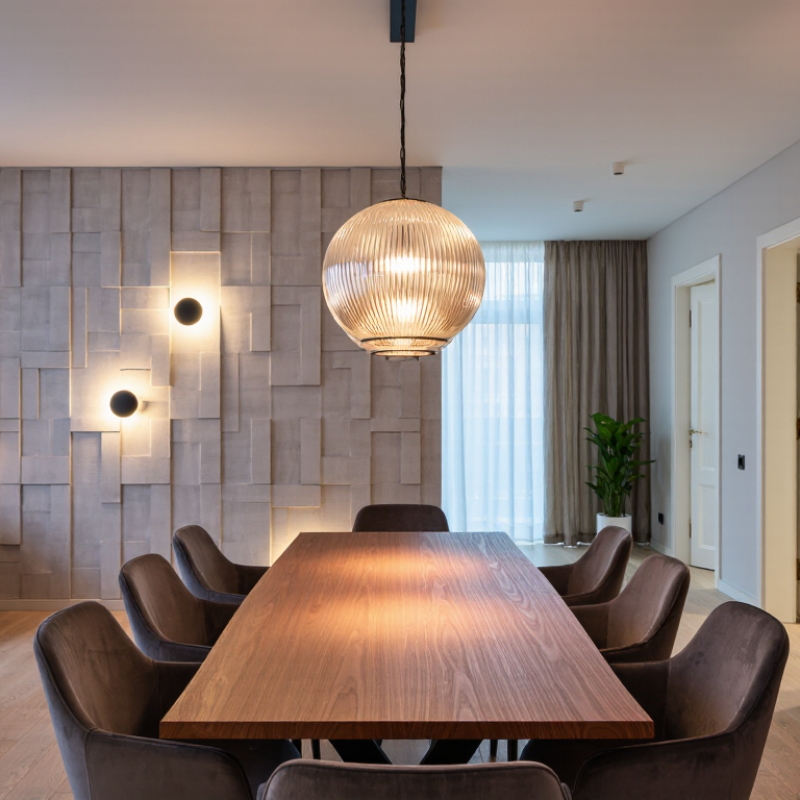
2026 How to Enjoy the Benefits of Decorative Lighting

Define Decorative Lighting: Combine Ambient, Task, and Accent Layers

2026 How to Enjoy the Benefits of Decorative Lighting
Define Decorative Lighting: Combine Ambient, Task, and Accent Layers

Decorative lighting is not just a striking pendant or sculptural lamp. It is a planned mix of ambient, task, and accent light that makes a room comfortable and visually clear. Ambient lighting fills the space, often through ceiling fixtures or light bounced from walls. Task lighting puts brightness where an activity happens, such as a reading chair or kitchen counter. Accent lighting draws the eye to artwork, textured plaster, or a shelf of ceramics. Each layer has a different job. Together, they create depth.

Imagine a living room after sunset. A soft ceiling glow provides general visibility, while an adjustable floor lamp keeps a book readable without lighting the whole room. A small picture light can bring out the ridges in a framed print. Aim accent fixtures carefully; glare on glass can distract more than it adds. Dimmers help the layers shift from lively to restful, but bulbs with mismatched color temperatures can make the room feel patchy. Test the arrangement at night, from the places where people actually sit or work. One fixture rarely solves everything. Even a thoughtful scheme may need adjusting after the furniture moves.

Plan LED Fixtures: U.S. DOE Reports 75% Less Energy Use Than Incandescent Bulbs

Decorative lighting can shape a room while making everyday tasks easier. The U.S. Department of Energy reports that LED bulbs use at least 75% less energy than incandescent bulbs. That can reduce the electricity needed for lighting, though actual savings depend on usage and fixture choices. Start with use. Sketch where you read, cook, or gather before choosing decorative fixtures.

A pendant above a dining table can create a warm focal point, while a shaded floor lamp softens a dark corner. Choose bulbs by lumens for brightness, not watts alone. For a calm living room, warm white light often feels inviting; a brighter, cooler tone may suit a work area. Check that bulbs fit the fixture and that dimmers are compatible. Small details matter.

LEDs can make layered lighting more energy-conscious, but buying efficient bulbs does not guarantee a good layout. A fixture may cast glare, or leave a countertop dim. It is easy to overplan from a floor sketch; test placement with temporary lamps if possible. Notice where shadows fall at night, then adjust the number, direction, or height of your lights.

Choose Light Quality: Compare Lumens, Color Temperature, and CRI

Decorative lighting works best when its light quality suits the room, not just the fixture. Lumens indicate how much light a lamp produces; they do not measure warmth or color accuracy. A low-lumen pendant can create a gentle glow over a dining table, while a brighter wall light may help illuminate a reading corner. Check the fixture’s intended use before choosing brightness. More light is not always better.

Tips: Compare color temperature in kelvins. Around 2700K usually feels warm and relaxed, while 3000K can look a little crisper. If possible, view a sample beside your wall paint and furniture. Screens can make colors look different. Look for a CRI of 90 or higher where accurate color matters, such as near artwork, textiles, or a dressing mirror.

CRI describes how naturally a light source reveals colors compared with daylight. A high number can help a red cushion or wooden surface appear less dull, though it cannot fix poor placement. I once chose a lamp by its warm appearance alone; the corner looked cozy, but the artwork seemed flat. I would now compare lumens, kelvins, and CRI together, then test the light after dark. One detail still gets overlooked: glossy surfaces can create glare, even with a pleasant color temperature.

Position Fixtures for Comfort: Apply IES Guidance on Glare and Placement

Decorative lighting should feel inviting, not like a bare bulb aimed at your eyes. IES guidance emphasizes matching light to the activity and controlling glare, rather than simply chasing brightness. Keep exposed lamps outside common sightlines, especially from a sofa, dining chair, or stair landing. A shaded wall sconce can wash a plaster surface softly; a pendant may need a diffuser or careful placement to prevent glare across the table. There is no universal mounting height. Ceiling height, fixture shape, and seated eye level all matter.

Place fixtures where light supports movement and detail. In a reading corner, position the source near the shoulder and direct it onto the page, while avoiding reflections on glossy covers. In a hallway, aim for even pools of light and avoid sharp dark gaps near steps. IES recommendations vary by room and task, so check current guidance when choosing light levels or spacing. Then test the room after dark from several seats. Notice glare on a television, mirror, or polished tabletop. Small adjustments help. A layout can look right until the furniture shifts; leave room to reassess instead of treating the first arrangement as final.

Assess Long-Term Value: U.S. DOE Says LEDs Last Up to 25 Times Longer

2026 How to Enjoy the Benefits of Decorative Lighting

Decorative lighting can make a quiet corner feel warmer and more useful. A small pendant over a reading chair, for example, adds a pool of light without brightening the whole room. Choose a fixture that suits the task and the mood. Looks matter, but so do bulb access and replacement costs.

Long-term value deserves a closer look. The U.S. Department of Energy says LED bulbs can last up to 25 times longer than incandescent bulbs. That can mean fewer replacements, especially in hard-to-reach fixtures or lights used often. Still, “up to” is not a guarantee. Actual life depends on product quality, heat, operating conditions, and use. LEDs also generally use less energy, but savings vary with wattage and how long the light stays on. A decorative fixture used for ten minutes each evening may not repay a higher purchase price quickly. I have to admit, it is easy to focus on the bulb and forget the fixture’s upkeep.

Tips: Check the bulb’s rated life and brightness before buying. Look for a replaceable bulb if the fixture allows it. Keep shades clear of dust, and avoid enclosing bulbs unless they are rated for enclosed fixtures. Small details count.

FAQS

What does decorative lighting include?

It combines ambient, task, and accent light. Each layer serves a different purpose and adds depth.

What is ambient lighting used for?

Ambient light provides general visibility. A ceiling fixture or softly illuminated wall can brighten a room without focusing on one spot.

How does task lighting help?

It directs light toward specific activities. An adjustable floor lamp beside a reading chair can brighten a book without lighting the entire room.

What does accent lighting highlight?

Accent lighting draws attention to details, such as artwork, textured plaster, or ceramics on a shelf. Aim it carefully.

How can I reduce glare from decorative fixtures?

Keep exposed bulbs outside common sightlines from sofas, dining chairs, and stair landings. Shades, diffusers, or small placement changes can help.

Where should a reading light go?

Place it near your shoulder and direct it onto the page. Check for reflections on glossy covers.

How can I light a hallway comfortably?

Create even pools of light and avoid sharp dark gaps near steps. Walk through the hallway after dark to spot problem areas.

Do dimmers and matching bulb colors matter?

Dimmers can shift a room from lively to restful. Mismatched color temperatures may make the lighting feel patchy. It takes testing.

Should I adjust the layout after installing the fixtures?

Yes. Check glare on televisions, mirrors, and polished tables from several seats. Furniture may move, so the first arrangement may not stay right.

Conclusion

Decorative lighting does more than make a room look attractive: it can improve comfort, highlight architectural details, and support everyday activities. To understand what are the benefits of decorative lighting, consider how ambient, task, and accent lighting work together. A balanced mix can provide general illumination, focused light for reading or cooking, and visual interest without relying on a single bright fixture.

Choosing LED fixtures can help reduce energy use, with U.S. Department of Energy reports indicating they use up to 75% less energy than incandescent bulbs. Compare lumens for brightness, color temperature for the room’s mood, and color rendering index (CRI) for how naturally colors appear. Thoughtful fixture placement, following guidance on glare and positioning, can make a space more comfortable. LEDs can also last up to 25 times longer than incandescent bulbs, adding long-term value through fewer replacements.

Sienna

Sienna

Sienna is a skilled marketing professional with a deep expertise in our company’s core products and services. With a passion for innovation and detail, she plays a pivotal role in crafting insightful blog posts that not only highlight the unique features of our offerings but also provide valuable......