Decorative lighting plays a vital role in interior design. It enhances aesthetics and affects mood. Many overlook its significance, yet it transforms spaces. A well-lit room feels inviting and vibrant. In contrast, poor lighting can make an area feel dull and unwelcoming.
Why is decorative lighting important in interior design? It not only illuminates but also highlights architectural features. Unique fixtures can serve as focal points. They can reflect personal style and creativity. Choosing the right lighting can be challenging. It requires understanding of different lighting types and their effects.
Effective decorative lighting creates layers and depth. It can define spaces and establish ambiance. However, not all lighting achieves this. Some designs may clash or overpower the space. The right balance is essential for a harmonious look. Paying attention to decorative lighting can lead to a more dynamic and engaging environment.
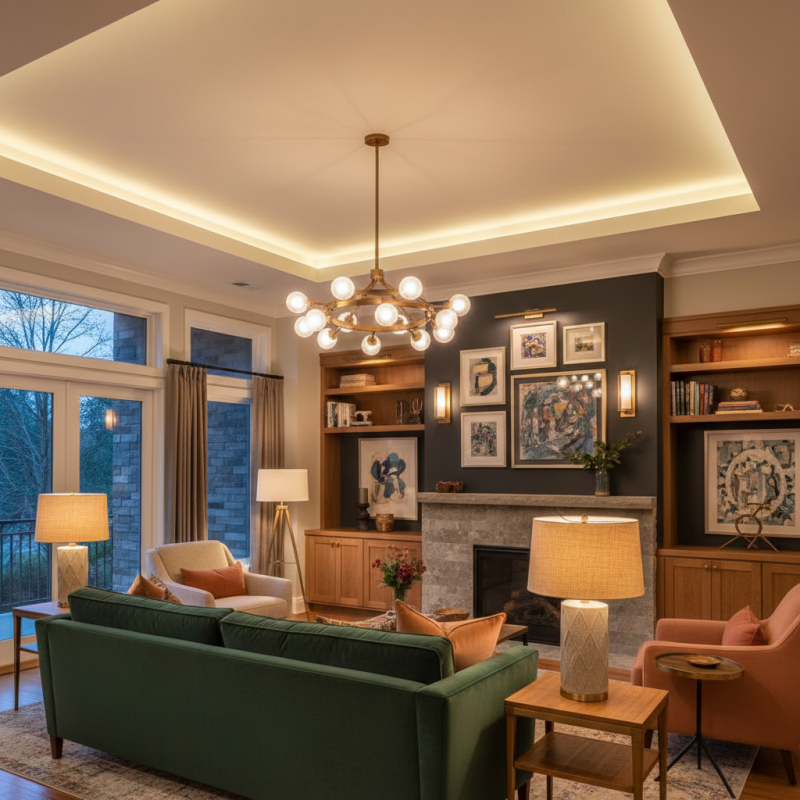
Decorative lighting plays a critical role in shaping the aesthetics and ambiance of interior spaces. It enhances the design, creating focal points that draw the eye. For example, a well-placed chandelier can transform a simple dining room into an elegant space. The interplay of light and shadow adds depth and texture, making a room feel more inviting.
Light can dramatically affect how we perceive colors and shapes. Warm light can evoke comfort, while cooler hues may bring a sense of energy. Thoughtful lighting choices can highlight artwork or architectural details, elevating the overall ambiance. However, achieving the right balance is not always straightforward. Overly bright lights can create harsh environments, while dim lighting might make spaces feel drab.
Choosing the right decorative lighting often requires a keen eye and an understanding of spatial dynamics. It is essential to consider the purpose of each room. A balance of task lighting and ambient light can enhance functionality. Ultimately, decorative lighting should reflect personal style while fostering a welcoming atmosphere. Its impact may be subtle, yet it is undeniably significant in interior design.
Decorative lighting plays a vital role in interior design, particularly through the use of color temperature. Color temperature, measured in Kelvin (K), influences how we perceive space and emotion. Higher temperatures (above 5000K) offer a cooler, more energetic ambiance, while lower temperatures (below 3000K) create warmth and coziness. According to a report by the Lighting Research Center, color temperature impacts our mood and productivity, emphasizing its significance in design choices.
When selecting decorative lighting, consider the room's purpose. For instance, cooler light is ideal for workspaces. Warmer tones work well in relaxing areas like bedrooms. Research indicates that appropriate lighting can enhance focus by up to 20%. Understanding the psychology behind light helps in creating environments that foster well-being.
Tips: Experiment with dimmers. They can help adjust color temperature based on the time of day. Layering different light sources can also offer versatility and depth. Avoid overly bright lights in intimate spaces, as they can create discomfort. Remember, the goal is to create a harmonious balance that complements your design vision.
Decorative lighting plays a pivotal role in shaping the ambiance of a space. According to a study by the American Society of Interior Designers, 53% of professionals assert that lighting design significantly impacts overall mood. Warm, soft lighting can create a cozy atmosphere, while bright, cool lighting can invigorate a workspace. This distinction is essential for both residential and commercial environments.
Lighting affects productivity too. Research published in the Journal of Environmental Psychology indicates that employees working in well-lit spaces report a 20% increase in motivation. Properly positioned decorative lights not only enhance aesthetics but also reduce fatigue and increase focus. The interplay of light and design elements can transform how people interact with their surroundings.
However, the challenge lies in achieving balance. Overly bright fixtures may strain eyes, while inadequate lighting may lead to disinterest. Striking the right chord requires careful consideration of both function and form. Thoughtful design, backed by data, helps create spaces that are not just visually appealing but also conducive to well-being and efficiency.
| Aspect | Impact | Recommended Lighting Type | Ideal Usage Location |
|---|---|---|---|
| Mood Enhancement | Creates a warm and inviting atmosphere | Soft LED or Edison bulbs | Living rooms, bedrooms |
| Productivity Boost | Increases focus and motivation | Bright task lighting | Offices, study areas |
| Aesthetic Appeal | Enhances the visual interest of the space | Chandeliers, pendant lights | Dining rooms, entryways |
| Mood Regulation | Can calm or energize occupants | Adjustable color temperature lights | Meditation spaces, yoga studios |
| Highlighting Features | Draws attention to art or architectural details | Spotlights, track lighting | Art galleries, feature walls |
Decorative lighting plays a pivotal role in modern interior design. Recent studies show that 70% of homeowners believe that proper lighting enhances their living spaces. It's not merely functional; decorative lighting transforms a room's atmosphere.
Current trends reveal a growing preference for layered lighting. A survey indicates that 65% of designers use a mix of ambient, task, and accent lighting in their projects. This approach creates depth and fosters a cozy environment. Furthermore, energy-efficient LED options are being embraced more than ever, with a reported 50% increase in their use among designers.
Tip: Consider using dimmable fixtures for flexibility. This allows you to adjust brightness according to your mood or occasion.
A closer look at consumer preferences shows that textures and colors are gaining prominence. Data shows that 58% of respondents prefer unique fixtures that serve as conversation starters. However, finding the right balance between aesthetic appeal and functionality can be challenging. Designers often face the dilemma of choosing between trendy and timeless pieces.
Tip: Embrace eclectic styles. Mixing different designs can create a personalized and intriguing look.
Investing in quality decorative lighting fixtures can significantly enhance the economic value of your space. Good lighting sets the mood and highlights architectural features. It draws attention to your design choices while creating an inviting atmosphere. A well-lit room can increase overall satisfaction for both residents and visitors, making it more appealing to potential buyers.
Quality fixtures often require a higher initial investment, but their long-term benefits are undeniable. They tend to be more energy-efficient and durable. Over time, this can lead to lower utility costs and reduced maintenance expenses. For instance, LED options have become popular due to their longevity and low energy consumption. This decision can contribute to cost savings that outweigh the upfront costs.
Yet, it's crucial to assess your choices carefully. Some decorative lights can become outdated quickly. Styles change, and what seems trendy today may not resonate tomorrow. This risk should encourage thoughtful planning before making your selections. Balancing aesthetics with functionality and cost-effectiveness can be challenging but is essential for maximizing the benefits of your lighting investment.
: Decorative lighting significantly impacts mood. Warm, soft lighting creates a cozy atmosphere. Bright, cool lighting invigorates spaces.
Yes, well-lit spaces can boost motivation by 20%. Properly positioned lights enhance focus and reduce fatigue.
Balance is key. Overly bright lights can cause eye strain. Inadequate lighting may lead to disinterest.
Quality lighting enhances the ambiance and highlights architectural features. This makes spaces more appealing to buyers.
Yes, quality fixtures can save costs over time. They are often energy-efficient and durable, reducing utility bills.
Styles change quickly. What seems trendy today may not resonate in the future. Thoughtful planning is essential.
Assess both aesthetics and functionality. Consider the long-term value of your investment before making selections.
Good lighting enhances well-being. It transforms how people interact with surroundings, contributing to overall satisfaction.
Yes, light and design work together. Thoughtful design creates visually appealing spaces and supports well-being effectively.
Poor lighting can lead to discomfort and distraction. It may impact mood and productivity negatively if not properly planned.
Decorative lighting plays a crucial role in interior design by significantly enhancing aesthetics and creating a specific ambiance within a space. It is essential to understand why decorative lighting is important in interior design, as it can transform mundane areas into visually engaging environments. The choice of color temperature in lighting design influences not only the visual appeal but also contributes to the overall mood and productivity of the occupants.
Recent trends show a growing emphasis on quality decorative lighting fixtures that not only add style but also offer economic benefits through energy efficiency and longevity. By integrating these elements into interior design, spaces can become more inviting, ultimately improving the experiences of those who inhabit them. Understanding the multifaceted impact of decorative lighting is key for anyone looking to elevate their interior environments.

Layr Light