China Best Decorative Lighting How Does It Affect Mood?

Time:2026-11-02 Author:Henry
0%

Decorative lighting does more than brighten a room. A warm pendant over a dining table can make dinner feel intimate, while a bare, cool-white ceiling lamp may make the same space feel clinical. So, how does decorative lighting affect mood? The answer depends on brightness, color, timing, and personal response—not appearance alone.

The International WELL Building Institute’s WELL Building Standard v2 includes a circadian-lighting feature that calls for at least 150 equivalent melanopic lux at eye level for four hours daily in qualifying spaces. It is a design benchmark, not a promise of a particular mood. The Commission Internationale de l’Éclairage also emphasizes that light affects biological timing and alertness. Mariana Figueiro, a lighting and health researcher, has summarized this relationship: “Light is the most powerful synchronizer of our circadian rhythms.” Her point matters at home, too. A softly lit reading corner may invite calm, while a bright kitchen island can support focused tasks. Small choices count.

Not every home needs complex controls. Start with the moment you want to create. Consider a dimmable lamp beside a sofa, or a pendant that directs light onto the table rather than into someone’s eyes. China’s decorative-lighting makers offer many styles, but design quality should include comfort and appropriate light, not just finish. There is no single perfect setting. People differ, and a beautiful fixture can still feel harsh. That deserves a second look.
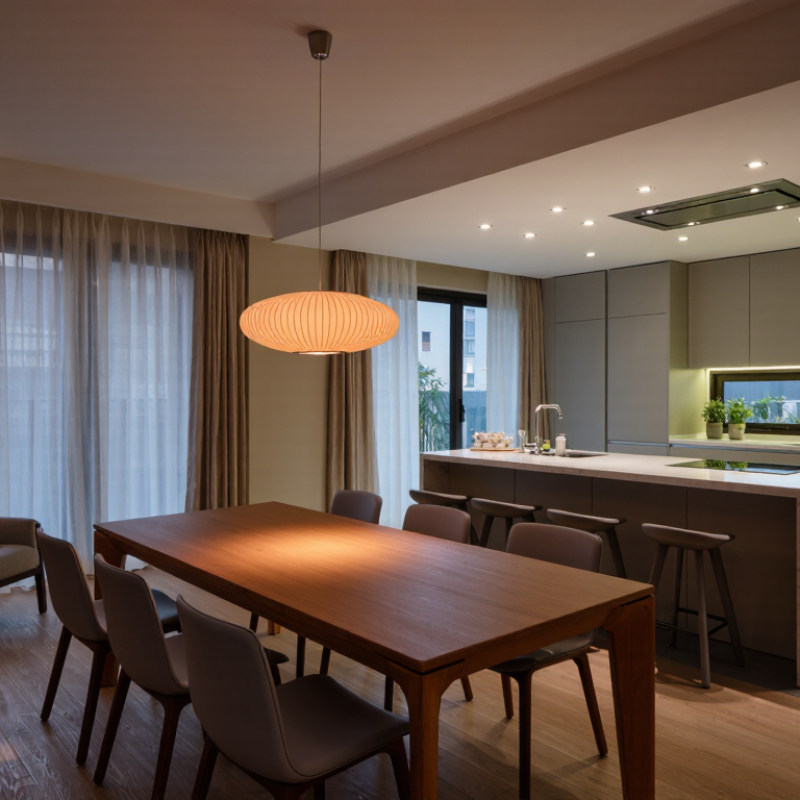
China Best Decorative Lighting How Does It Affect Mood?

What Decorative Lighting Includes in Chinese Homes

China Best Decorative Lighting: How Does It Affect Mood?

In Chinese homes, decorative lighting is more than a ceiling fixture. It can include a pendant above the dining table, a bedside lamp, wall sconces, floor lamps, and concealed strips beneath cabinets or along ceiling edges. Paper, wood, or ceramic shades add texture, while layered light makes a room feel less stark. A warm pool beside the sofa invites a slower evening; a brighter kitchen counter helps with food preparation. The effect depends on placement, not just appearance.

The International Energy Agency’s Energy Efficiency 2023 report estimates that lighting uses about 15% of global electricity. The US Department of Energy reports that LEDs use at least 75% less energy and can last up to 25 times longer than incandescent bulbs. These figures cover lighting broadly, not decorative fixtures alone, but they support choosing efficient sources for lamps used nightly. Dimming and separate switches also help residents adjust light for different activities.

A room can look balanced in a daytime plan and still feel flat after sunset. Small details matter.

Tips: Use a pendant to define the dining area, then add a shaded lamp near seating for softer evening light. Check how the shade changes the light on nearby walls. Avoid relying on one bright ceiling source; it can make a cozy room feel unexpectedly harsh.

How Light Color and Brightness Influence Mood

A decorative light changes a room through both its color and its brightness. Warm white light, around 2700K, can make a wooden dining table and soft fabrics feel intimate. Cooler light often makes colors appear sharper, which may suit a desk or kitchen. But color temperature is not a mood switch. A cool lamp can feel calming in a bright, uncluttered room; warm light can feel dull if it is too dim. I notice the corners first. Shadows matter.

Brightness also shapes how alert or relaxed a space feels. The CIE’s 2019 position statement recommends at least 250 lux of melanopic equivalent daylight illuminance at the eye during daytime, and no more than 10 lux in the three hours before sleep. These figures concern biological light exposure, not guaranteed emotional effects. Still, they offer a useful design reference: use stronger, well-placed light for daytime tasks, then lower the output in the evening. A shaded table lamp can soften a living room, while a bright ceiling fixture may make it feel exposed. One caveat: dimming does not always create comfort. If a reading chair becomes too dark, the room may feel tiring instead.

How Fixture Design Shapes the Feel of a Room

Decorative lighting affects mood through more than brightness. A fixture’s shape directs the eye and changes how a room feels. A wide fabric shade softens light across a dining table, while a clear glass pendant creates sharper highlights. In a small reading corner, an angled floor lamp can make one chair feel like a quiet retreat. Small changes matter.

Scale is easy to misjudge. A sculptural fixture may look balanced in a showroom but feel too heavy above a modest table. For a relaxed atmosphere, try a low-hanging pendant with a diffused shade; for a lively kitchen, several smaller lights can spread attention across the counter. The bulb’s color and brightness also matter, so check the light in the room at night, not only in daylight. More light isn’t always better. Dimmer controls offer flexibility, but they cannot fix glare from a poorly placed fixture. Leave space around statement pieces, and consider how their shadows fall on walls, faces, and work surfaces. A little trial and adjustment often beats choosing by appearance alone.

How to Choose Decorative Lighting for Each Space

Choose lighting by what each room asks you to do. In a kitchen, pair broad ceiling light with focused illumination over counters; aim light onto the work surface, not into your eyes. A color-rendering index of 90 or higher can help food and finishes look more natural. In a living room, use separate table or floor lamps and a dimmer, so reading light does not flood the whole room. Small changes matter.

Bedrooms benefit from low-glare, warm-toned lamps that can be switched off without crossing a bright room. Entryways feel easier to navigate with even light and a visible path. The WELL Building Standard v2 sets a circadian-lighting benchmark of 150 equivalent melanopic lux at the eye for four hours during daytime in qualifying spaces. It is not a home-lighting rule, but it highlights why daytime light exposure deserves attention. I still find that attractive fixtures can leave corners gloomy. Test bulbs in the actual room; wall color, shade fabric, and ceiling height change the effect. Keep it flexible. A dimmer or movable lamp lets the room shift from focused tasks to a calmer evening mood.

China Best Decorative Lighting: How Does It Affect Mood? — How to Choose Decorative Lighting for Each Space

Space Mood and Main Purpose Decorative Lighting Choices Suggested Color Temperature Approximate Illuminance Guidance Practical Selection Tip
Living room Creates a welcoming, relaxed setting for conversation and downtime. Combine a ceiling fixture or pendant with table or floor lamps and soft wall lighting. 2700–3000 K for a warm, comfortable appearance. About 100–200 lux for general ambient lighting; provide brighter local light for reading. Use several light sources at different heights and dimmable lamps to adjust the room for different activities.
Dining room Encourages a comfortable, intimate atmosphere and helps the table stand out. Use a pendant or chandelier centered over the table, supported by subtle ambient light. 2700–3000 K for a warm dining atmosphere. About 100–200 lux for general lighting; make sure the table is adequately illuminated without glare. Choose a fixture sized for the table and hang it so it does not obstruct views across the table.
Bedroom Supports a calm, restful feel, with separate light for reading or getting dressed. Pair a softly diffused ceiling fixture with bedside lamps or wall-mounted reading lights. 2700 K is a common warm choice for evening use. About 100–200 lux for general lighting; add focused light at the bedside or dressing area as needed. Choose shaded or indirect fixtures to reduce glare, and use separate controls for bedside and overhead lights.
Kitchen Feels bright and functional while remaining comfortable for everyday use. Use a decorative ceiling fixture or pendants alongside under-cabinet and other task lighting. 3000–4000 K, selected to suit the finishes and preferred appearance. About 200–300 lux for general lighting; aim for roughly 300–500 lux on work surfaces. Do not rely on pendants alone: add well-positioned task lighting to reduce shadows on counters.
Bathroom and vanity Provides a clear, practical setting while maintaining a comfortable atmosphere. Combine suitable ceiling lighting with fixtures placed near the mirror for even facial illumination. 3000–4000 K for a clear appearance; consistent color temperature helps the lighting feel cohesive. About 200–300 lux for general lighting; provide brighter, even light at the mirror. Select fixtures rated for their location in the bathroom and minimize harsh shadows around the face.
Home office or study Supports concentration and comfortable reading or screen-based work. Use a modest decorative ceiling fixture with an adjustable desk lamp for focused work. 3000–4000 K; choose a comfortable tone that works with the room and task. About 300–500 lux on the work surface, adjusted for the task and the user's comfort. Position task lighting to avoid reflections on screens and strong shadows from the writing hand.
Hallway and entry Creates a welcoming first impression and helps people move through the space safely. Use flush-mount or semi-flush fixtures, wall sconces, or a pendant where ceiling height permits. 2700–3000 K for a warm, inviting transition into the home. About 50–100 lux for general circulation, with brighter areas where visibility is needed. Space fixtures evenly and avoid glare, especially in narrow corridors or near stairs.
Staircase Balances visual interest with clear visibility on steps and landings. Combine a decorative pendant or wall sconces with appropriately placed step or landing lights. 2700–3000 K for a cohesive feel with nearby spaces. Provide even illumination across steps and landings; avoid abrupt bright and dark patches. Keep decorative fixtures clear of the walking path and ensure the lighting reveals step edges.

Note: Illuminance figures are approximate planning guidance, not fixed requirements. Actual needs vary with the task, room finishes, daylight, fixture distribution, and local standards. Layered lighting and dimming can help adapt a space to different activities and preferences.

What to Consider When Buying Decorative Lighting in China

When buying decorative lighting in China, begin with the room, not the product photo. Measure ceiling height, table width, and the distance between fixtures. A pendant that looks delicate online can feel oversized above a small dining table. Ask for exact dimensions, material details, finish samples, and clear photos in natural light. Screen colors can mislead.

Tips: Request a working sample before placing a large order. Check brightness, color temperature, dimming compatibility, and the light’s effect on nearby wall colors. Ask for relevant electrical test documents and confirm that the product suits your destination’s voltage and installation requirements. Small details matter. A polished finish may still show fingerprints; that is easy to miss in a catalogue.

Clarify packaging, lead time, spare parts, and what happens if items arrive damaged. Keep specifications in writing, including dimensions and agreed finishes. If several production batches are involved, ask how color consistency is checked. A common buying mistake is judging quality from one attractive sample alone. It is not a perfect safeguard, but comparing samples with the approved specification can catch costly surprises.

FAQS

What counts as decorative lighting in a Chinese home?

It can include dining pendants, bedside lamps, wall sconces, floor lamps, and concealed light strips. Paper, wood, and ceramic shades add texture.

How can layered lighting change a room’s mood?

A warm lamp beside the sofa can make evenings feel calmer. Brighter counter lighting helps with food preparation. Placement matters.

Is one bright ceiling light enough?

Usually, it can make a cozy room feel harsh. Try combining a ceiling fixture with a shaded lamp or concealed strips. Small details matter.

How does a fixture’s shape affect the room?

A wide fabric shade spreads softer light over a table. Clear glass creates sharper highlights. An angled floor lamp can make a reading chair feel inviting.

How should I choose a fixture’s size?

Compare it with the table and nearby furniture. A sculptural fixture may feel too heavy above a modest table. I still find scale hard to judge.

When should I check a lamp’s brightness and color?

Check it after sunset, in the room where it will be used. Daylight can hide how the bulb affects walls, faces, and work surfaces.

Can dimmers solve lighting problems?

They help adjust light for different activities. But they cannot remove glare from a poorly placed fixture. Move it or change its direction.

Do efficient bulbs matter for decorative lamps?

The cited energy figures cover lighting broadly, not decorative fixtures alone. They report that LEDs use at least 75% less energy than incandescent bulbs and can last up to 25 times longer.

Conclusion

Decorative lighting in Chinese homes includes more than chandeliers: pendant lights, wall lamps, table lamps, floor lamps, and accent lighting all help create a layered, welcoming interior. The way these lights affect daily life depends on both color and brightness. Warm, softer light can make a room feel relaxed and intimate, while brighter, cooler light may support focus and make spaces feel more energetic. Understanding how does decorative lighting affect mood can help homeowners choose a comfortable atmosphere rather than relying on appearance alone.

Fixture design also shapes a room’s character, from understated and modern to traditional and expressive. When choosing lights, consider how each space is used: gentle, restful illumination for bedrooms, practical brightness for kitchens and work areas, and flexible layers for living rooms. Buyers in China should also check dimensions, materials, light output, color temperature, installation needs, and compatibility with the home’s existing electrical setup. Balancing these practical details with personal style can make decorative lighting both attractive and useful.

Henry

Henry

Henry is a dedicated marketing professional with a profound expertise in the company's offerings. With years of experience in the industry, he possesses an impressive understanding of the market dynamics and consumer behaviors that drive success. Henry is committed to sharing his insights through......