How to Choose Outdoor Decorative Lighting in 2026?

Time:2026-09-26 Author:Liam
0%

Choosing outdoor decorative lighting in 2026 requires more than matching a fixture to your garden furniture. Weather, energy use, safety, maintenance, and visual comfort now shape better decisions. A warm wall light may create a welcoming entrance, while low pathway lights can guide guests across uneven stone after sunset. The right choice should support both atmosphere and daily use.

Many homeowners begin by asking, “how to choose decorative lighting for outdoor spaces?” Start with the setting. Measure the patio, note nearby trees, and observe where shadows collect. Look for weather-resistant materials, suitable ingress protection ratings, and efficient LED technology. Solar fixtures can work well in open gardens, but heavy shade may reduce their performance. Smart controls offer convenience, although some systems feel unnecessarily complicated.

Keep the design practical.

Experienced installers often recommend layered lighting. Combine ambient illumination, focused accents, and gentle pathway guidance. Avoid placing bright fixtures directly at eye level. Glare can spoil an otherwise beautiful evening. Test the color temperature before installing several lights, because a sample may appear different against brick, stone, or painted wood.

Trends can help, but they should not control the entire plan. Minimal black fixtures may look modern today, yet personal taste and local architecture deserve more attention. I have found that lighting plans often change after the first rainy season. Water marks, fallen leaves, and difficult cable access reveal weaknesses that product photographs hide. A reliable approach balances manufacturer guidance, professional installation advice, and honest observation from real outdoor conditions. The best result feels intentional, comfortable, and quietly useful rather than simply expensive.
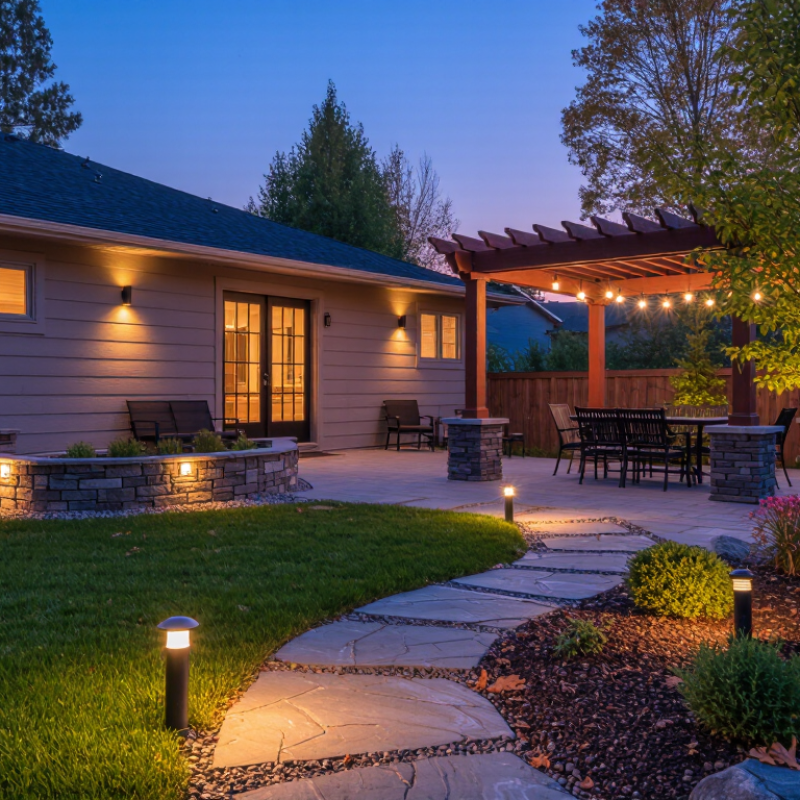
How to Choose Outdoor Decorative Lighting in 2026?

Define Your Outdoor Space and Lighting Goals

Before selecting outdoor decorative lighting, identify how each part of the space is used after sunset. Walk the yard at dusk and note dark steps, narrow paths, seating areas, and places where people gather. A small sketch can help. Mark existing power sources and nearby windows, too; a bright fixture aimed toward glass can create distracting reflections.

Set a clear goal for each zone. Along a walkway, low, spaced lights can reveal the route without washing out the garden. Near a table, softer light should make faces and food easy to see. For a tree or textured wall, a gentle beam can add depth. Keep it simple. More fixtures do not automatically make a space feel safer or more inviting.

Think about what you want people to notice, and what should stay quiet. Shielded fixtures help limit glare, while outdoor-rated equipment is better suited to rain and damp conditions. Check the fixture’s rating against its actual location, especially near exposed walls or ground-level beds. A plan can still feel too bright once installed; test fewer lights first, then adjust their position or output. For new wiring, ask a qualified electrician to assess the layout and installation.

Choose the Right Lighting Types for Each Outdoor Area

Choose outdoor lighting by task, not by fixture style alone. Pathways need even, low-level light that reveals steps without shining into people’s eyes. Space lights apart and check the view from standing height. Keep it low. At the entry, use a wall light near the door so keys and faces are easy to see. A porch ceiling fixture can fill in darker corners.

On patios and decks, combine overhead light with softer sources near seating. For dining, place light above the table, but keep bulbs shielded to reduce glare. If the area serves several purposes, dimmable fixtures make it easier to shift from cooking to conversation. Garden beds and borders usually need less light than walkways. A few aimed accents can pick out leaves, stone, or a small tree. Too many can make the yard feel flat.

For trees or textured walls, aim light across the surface rather than directly at it. This creates visible depth and avoids harsh hotspots. Check the fixture’s outdoor rating and follow its installation instructions; exposed locations need suitable weather protection. A layout may look balanced on paper and still feel uneven at night. Test it after dusk, then adjust the angle or spacing.

How to Choose Outdoor Decorative Lighting in 2026? - Choose the Right Lighting Types for Each Outdoor Area
Outdoor Area Suitable Lighting Types Typical Light Output Suggested Color Temperature Weather Protection Placement and Selection Tips
Front Entry and Porch Wall lanterns, ceiling-mounted fixtures, and step lights About 400–800 lumens per main fixture 2700–3000 K for a welcoming appearance Choose a fixture rated for its exposure; covered areas may use damp-location fixtures, while rain-exposed locations need wet-location ratings. Place lights to illuminate the doorway, lock, and steps without shining directly into visitors’ eyes. Use matching fixtures on both sides of a door when appropriate.
Pathways and Walkways Low path lights, bollard lights, and recessed marker lights About 100–300 lumens per path light 2700–3000 K for comfortable wayfinding Use outdoor-rated fixtures; select a rating suitable for rain and the fixture’s installation location. Space fixtures evenly to show the route and changes in elevation. Aim light downward and avoid placing bright lights where they cause glare.
Patio and Dining Area Outdoor pendants, wall lights, string lights, and dimmable ceiling fixtures About 400–800 lumens for a dining-area fixture; use lower, dimmable light for ambience 2700–3000 K for a relaxed social setting Check the product’s wet- or damp-location rating against whether the fixture is sheltered or directly exposed. Provide enough light for dining and conversation without creating harsh brightness. Install overhead fixtures at a safe height and use outdoor-rated wiring and controls.
Deck and Stairs Step lights, rail lights, recessed deck lights, and wall-mounted fixtures About 50–200 lumens per accent or step light 2700–3000 K to keep the space comfortable at night Use outdoor-rated fixtures designed for the installation surface; locations exposed to rain require suitable wet-location protection. Light stair treads, edges, and level changes consistently. Shield sources where possible, and avoid fixtures that create trip hazards or hot spots.
Garden Beds and Trees Adjustable spotlights, well lights, and low-voltage landscape lights About 100–300 lumens per accent light, adjusted to the feature and viewing distance 2700–3000 K for a natural, warm look Ground-level fixtures should be specifically rated for their exposure and installation conditions; follow the manufacturer’s burial and drainage instructions. Use a few carefully aimed lights to highlight foliage or structure. Avoid lighting directly into neighboring windows or unnecessarily illuminating the sky.
Driveway and Garage Approach Shielded wall lights, post lights, and motion-activated security lights About 700–1500 lumens per security fixture, depending on coverage and mounting height 3000–4000 K for clear visibility Use fixtures rated for direct outdoor exposure where they are exposed to rain. Aim light at the driveway and walking areas rather than toward the road or neighboring homes. Motion sensors and adjustable controls can reduce unnecessary operation.
Pool, Pond, and Water Features Purpose-built underwater lights, low-voltage accent lights, and shielded perimeter lighting Follow the water-feature manufacturer’s specifications; output varies by fixture and installation 2700–4000 K, selected to suit the desired effect and visibility Use only fixtures specifically approved for underwater or wet-location use. Follow local electrical codes and use the required protective devices. Keep ordinary landscape fixtures out of the water. For pools and other water features, have electrical installation and servicing handled according to applicable safety requirements.

Compare Brightness, Color Temperature, and Beam Direction

Choosing outdoor decorative lighting in 2026 starts with the scene, not the fixture. Estimate brightness by purpose. A path marker should guide feet without washing out nearby plants. A wall light may need more output to make a door handle visible. Check lumens at the planned mounting height. The same lamp may feel harsh beside a narrow walk, yet weak across a broad patio. Test one light after dusk before buying several. It is less tidy, but more reliable.

Color temperature changes how materials appear. Warm light, around 2,200 to 3,000 kelvin, often makes timber and brick feel inviting. Cooler light can sharpen edges, but may make a garden feel stark. Beam direction matters just as much. Aim light down across steps, or toward a textured wall to reveal its surface. Shielded fixtures can reduce glare in seated areas. Walk through the space from the street and from a chair; both views count. I would not assume a wider beam is always better. It can spill into windows or flatten a small planting bed. Try adjusting the angle before adding more brightness.

Select Weather-Resistant Materials and Smart Energy Features

How to Choose Outdoor Decorative Lighting in 2026?

Choose fixtures for the weather they will actually face. Near the coast, salt can pit exposed metal; inland, freeze-thaw cycles can strain seals. Look for corrosion-resistant stainless steel or coated aluminum, UV-stable lenses, and replaceable gaskets. Check the IP rating against the installation site. An IP65 fixture, for example, resists dust and water jets, but is not designed for immersion. Salt wins slowly. Even durable fittings need occasional inspection.

Smart features matter most when they match real routines. Photocells can switch lights on at dusk, while motion sensors and dimming reduce unnecessary hours at full brightness. Use schedules that suit your household, and check that controls still work during network outages. The U.S. Department of Energy’s Energy Saver guidance says LEDs use at least 75% less energy and last up to 25 times longer than incandescent lighting. That is a useful benchmark, not a promise of identical savings for every fixture or setup.

For a path, warm, shielded light can reveal steps without shining into a neighbor’s window. At a porch, a manual override is useful when sensors miss quiet movement. Small details matter. One caveat: more automation can mean more settings to maintain, and I would not assume every “smart” feature saves energy. Compare the fixture’s wattage, control options, weather rating, and serviceable parts before choosing.

Plan Safe Installation, Controls, Maintenance, and Future Upgrades

Outdoor decorative lighting works best when safety shapes the layout, not just the final fixture choice. Before installation, check the product’s outdoor rating and plan for rain, soil, and sprinkler spray. Keep cables away from walkways and mower paths. For mains-powered work, have a qualified electrician check the circuit, grounding, and required protective devices. Local requirements can differ. Guessing here is not worth it.

Controls affect how a space feels after dark. Timers can switch path lights off at a set hour, while dimmers help soften bright patio fixtures. Motion sensors suit entrances, but moving branches may trigger them repeatedly. Test settings at night, from the places people actually use. Small adjustments matter. Avoid lighting every corner; glare can hide steps rather than reveal them.

Maintenance should be simple enough to do regularly. Wipe lenses, clear leaves from ground lights, and look for cracked seals or loose connections after storms. Keep a record of fixture types and cable routes. It feels fussy at first, but saves guesswork later. Leave room in the plan for compatible controls, replaceable components, and extra capacity where appropriate. Needs change: a new seating area may call for warmer, lower lighting, not more brightness. I would not assume today’s layout is permanent.

FAQS

How should I choose brightness for an outdoor path?

Check lumens at the planned mounting height. Test one light after dusk.

What color temperature suits timber and brick?

Warm light around 2,200 to 3,000 kelvin often makes these materials feel inviting. Cooler light can look stark.

Which beam direction works well near steps or seating?

Aim light down across steps or toward a textured wall. Shielded fixtures can reduce glare near chairs.

Should I choose a wide beam?

Not always. A wide beam may spill into windows or flatten a small planting bed.

What materials handle outdoor weather?

Look for corrosion-resistant stainless steel or coated aluminum, UV-stable lenses, and replaceable gaskets. Salt wins slowly.

Does an IP65 rating mean a fixture can be submerged?

No. IP65 resists dust and water jets, but it is not designed for immersion.

Which smart lighting features can reduce unnecessary use?

Photocells, motion sensors, and dimming can limit hours at full brightness. More settings may need maintenance.

How much energy can LED lighting save?

LEDs use at least 75% less energy than incandescent lighting. They can last up to 25 times longer, though each setup differs.

Conclusion

Choosing outdoor decorative lighting in 2026 begins with understanding how each area is used and the atmosphere you want to create. A patio may benefit from comfortable ambient light, while paths, entrances, and garden features call for focused illumination. Consider brightness, color temperature, and beam direction together so the lighting feels balanced, supports visibility, and highlights the details that matter without creating glare.

When deciding how to choose decorative lighting for outdoor spaces, also look for durable, weather-resistant materials and energy-conscious features such as efficient light sources, timers, or adjustable controls. Plan installation carefully, keep fixtures accessible for routine cleaning and maintenance, and consider how the setup could adapt as your outdoor space changes. A thoughtful combination of suitable fixtures, practical controls, and room for future upgrades can make the result both inviting and dependable.

Liam

Liam

Liam is a dedicated marketing professional with a profound expertise in the industry, where he excels at highlighting the unique advantages of our core products. With a keen understanding of market trends and consumer needs, Liam frequently updates our company’s professional blog, providing......