Lighting is a powerful tool in interior design. It can transform a space from dull to dynamic. Many people overlook lighting’s influence on mood and functionality. This article explores how to improve interior design with lighting ideas tailored for your space.
Consider the atmosphere you want to create. Different light sources offer unique effects. Warm lighting invites relaxation, while bright lights can energize a room. The placement of lights matters as well. It can highlight features or create shadows that add depth.
Not all lighting solutions are perfect. Sometimes, the desired effect may not arise. Experimenting may lead to unexpected results and disappointment. However, each attempt enhances your understanding of how lighting works. With careful consideration, you can elevate your interior design significantly.
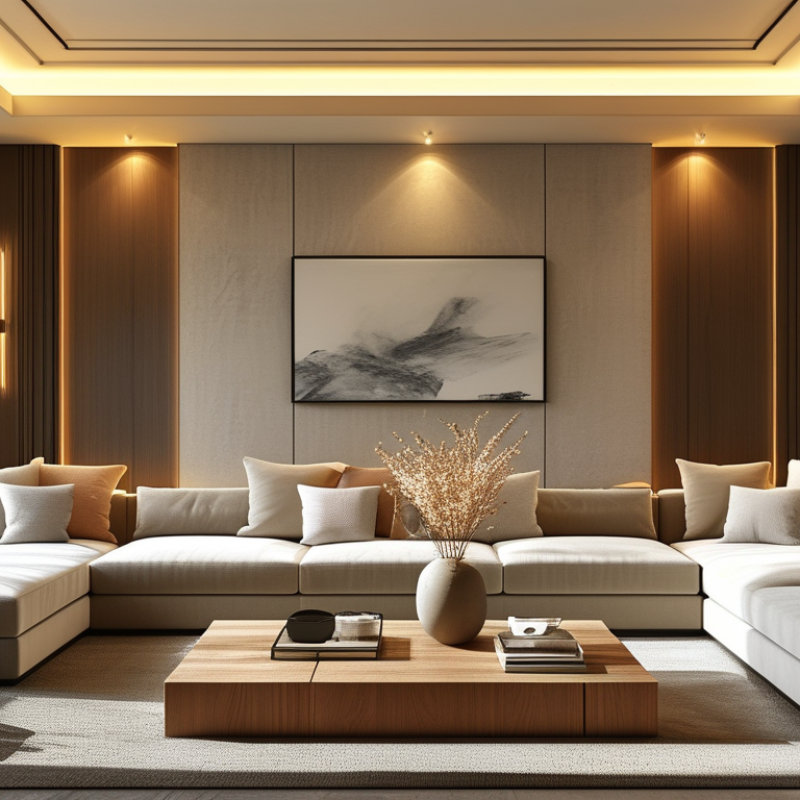
Lighting plays a pivotal role in interior design, affecting both aesthetics and functionality. According to the American Society of Interior Designers, around 75% of interior designers prioritize lighting during their projects. Proper lighting enhances the mood, highlights architectural features, and creates a welcoming atmosphere.
One must understand that different types of lighting serve various purposes. Ambient lighting provides general illumination, while task lighting improves visibility for specific activities. Accent lighting can highlight artwork or architectural elements. A well-rounded lighting plan combines these styles for a cohesive look. This holistic approach can transform any space, making it feel more inviting.
However, many struggle with finding the right lighting balance. Overly bright or dimly lit spaces can lead to discomfort. In fact, research has shown that poorly lit environments may result in decreased productivity and increased fatigue. Taking the time to analyze your lighting choices can elevate your design and improve the overall experience in your space.
Lighting plays a crucial role in interior design. It sets the mood and highlights key areas in your space. Understanding the three primary types of lighting—ambient, task, and accent—can transform any room.
Ambient lighting provides overall illumination. It creates a welcoming environment. According to the American Society of Interior Designers, effective ambient lighting is crucial for making spaces feel larger and more inviting. Soft fixtures like chandeliers or flush mounts can enhance this effect. These elements can make a room feel cozier and promote relaxation.
Task lighting is specific and utilitarian. It helps with activities like reading or cooking. Reports suggest that proper task lighting can improve productivity by up to 25%. Consider using focused desk lamps or under-cabinet lighting in kitchens. However, it’s essential to avoid glare or harsh contrasts. Achieving a balance is vital.
Accent lighting highlights architectural features or artwork. It adds depth and interest to your design. According to the International Association of Lighting Designers, around 30% of a room’s lighting should come from accent sources. This creates focal points in the space. Still, overusing accent lighting can lead to a chaotic feel, so moderation is key.
When it comes to enhancing your interior design, the choice of lighting fixtures can make a significant difference. Selecting styles that resonate with your space’s overall aesthetic is vital. For example, if you have a minimalist decor, sleek pendant lights or simple wall sconces might be ideal. Their clean lines can maintain an uncluttered look while adding functionality and charm.
On the other hand, if your space exudes a cozy, rustic feel, vintage or industrial fixtures could provide the perfect complement. Think about fixtures made from reclaimed materials or unique designs that fetch interest. However, the scale of the fixtures is often overlooked. A large chandelier can overwhelm a small room. Balance is key.
Don’t shy away from experimenting, but remember to assess how each choice affects the ambiance. Lighting can transform moods, from warm and inviting to bright and energizing. Sometimes, a single bulb can feel inadequate, while an oversized piece may feel lavish. Keep these reflections in mind as you curate your lighting selections.
Lighting plays a crucial role in interior design. It can completely transform the atmosphere of a room. One key factor to consider is color temperature. Color temperature is measured in Kelvin (K). It influences how we perceive a space. A warmer light, around 2700K, creates a cozy and inviting atmosphere. This type of light is ideal for living areas and bedrooms.
In contrast, cooler lights, between 4000K and 5000K, are brighter and stimulate concentration. This makes them suitable for workspaces and kitchens. Research from the Lighting Research Center indicates that color temperature can affect mood and productivity. Spaces illuminated with cooler light can boost alertness and focus while warmer tones promote relaxation and comfort.
However, achieving the right balance can be tricky. Too much of either temperature can lead to discomfort. For example, a room that is overly warm may feel cramped and stuffy. On the other hand, too much cool lighting might create a sterile environment. It’s essential to experiment with different sources and placements. Consider layering lights to gain flexibility. This balance can significantly enhance the overall experience of your space.
Layered lighting is essential for enhancing your interior design. It creates depth, adds warmth, and improves functionality. You can achieve this by combining ambient, task, and accent lighting in your space. Each layer serves a unique purpose and contributes to the overall atmosphere.
Tips for implementing layered lighting include using dimmable fixtures. This option allows you to adjust brightness according to the time of day or mood. Consider illuminating dark corners with floor lamps or wall sconces. Even small adjustments can dramatically improve your space.
Another technique is to use fixtures at different heights. Hang pendant lights low over dining areas, and place table lamps on side tables. This variation draws the eye and creates visual interest. Experimenting with different arrangements can lead to unexpected yet pleasing effects. It’s a process of trial and error to find the perfect fit for your home.
: Ambient lighting provides overall illumination and creates a welcoming atmosphere. It makes spaces feel larger.
Proper task lighting helps with activities like reading. It can improve productivity by up to 25%.
Focused desk lamps and under-cabinet lighting are good options for task lighting in kitchens and study areas.
Accent lighting highlights features or artwork and adds depth to your design. It creates focal points.
About 30% of a room’s lighting should come from accent sources for balanced effects. Moderation is important.
Layered lighting combines ambient, task, and accent types. It enhances depth, warmth, and overall functionality.
Dimmable fixtures allow you to adjust brightness for different moods and times of day. It's quite effective.
Using fixtures at various heights creates visual interest. Low-hanging pendants work well over dining areas.
Overusing accent lighting can make a space feel chaotic. Striking a balance is essential for a pleasant atmosphere.
No, it often requires trial and error. Experimenting with arrangements can lead to unexpected, pleasing results.
Lighting plays a crucial role in how to improve interior design, as it can dramatically affect the mood and functionality of a space. Understanding the different types of lighting—ambient, task, and accent—is essential for creating a well-balanced environment. Ambient lighting provides general illumination, task lighting focuses on specific areas for activities, while accent lighting highlights features or decor.
Choosing the right fixture styles is vital to complement the overall design of your room. Additionally, considering color temperature can enhance the atmosphere, making a space feel warm and inviting or cool and modern. Implementing layered lighting by combining various light sources not only improves effectiveness but also adds depth and dimension to any interior. By carefully planning your lighting strategy, you can significantly uplift your interior design.

Layr Light