How to Perfectly Layer Decorative Lighting in Your Room?

Time:2026-06-16 Author:Liam
0%

When it comes to how to layer decorative lighting in a room, the right approach can transform your space. Emily Henderson, a renowned interior designer, emphasizes, “Lighting is like the jewelry of a room; it must be layered and thoughtfully placed.” Layering different types of lighting—ambient, task, and accent—creates depth and warmth.

Understanding how to layer decorative lighting in a room involves careful consideration. Start with ambient lighting to establish a base. This can include ceiling fixtures or wall sconces. Next, add task lighting, such as table lamps, to illuminate work areas. Finally, accent lighting highlights artwork or architectural features.

Don’t forget, layering lighting is an art. Experimenting may lead to less than perfect results. An overabundance of fixtures can cause a cluttered feel. Conversely, too few can leave spaces dim and unwelcoming. Striking a balance is key, and reflecting on your choices will help refine your space.
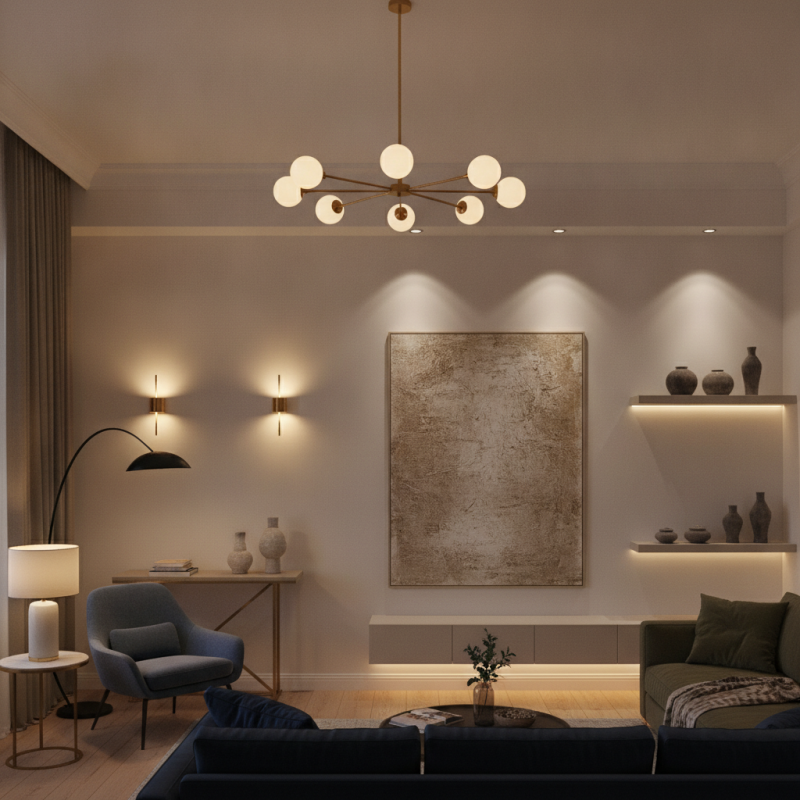
How to Perfectly Layer Decorative Lighting in Your Room?

Understanding the Basics of Decorative Lighting Layering

Understanding the basics of decorative lighting layering can transform your space effectively. Layering involves three main types: ambient, task, and accent lighting. According to the American Lighting Association, well-layered lighting improves aesthetic appeal and functionality.

Ambient lighting provides general illumination. It sets the mood and makes a room feel inviting. Inadequate ambient light leaves spaces feeling gloomy and unwelcoming.

Task lighting focuses on specific areas. This is essential for activities such as reading or cooking. The Illuminating Engineering Society states that proper task lighting can reduce eye strain by up to 40%. It’s crucial to avoid harsh overhead lights that can lead to shadows. Layering in this way can showcase specific features of your room while enhancing usability.

Accent lighting highlights art or architectural elements. It adds drama and depth. However, poorly executed accent lighting can overwhelm a space. Many homeowners forget to balance lighting types, leading to over-illumination or dark corners. Finding the right balance is often a process of trial and error. Reflect on your lighting choices and think critically about their impact on your home's atmosphere.

Types of Lighting: Ambient, Task, and Accent Explained

When layering decorative lighting, understanding the three main types—ambient, task, and accent—is crucial. Ambient lighting serves as the room's overall illumination. It provides a soft, even glow, creating a warm atmosphere. According to the American Lighting Association, effective ambient lighting can increase comfort and enhance mood. This type often comes from chandeliers, overhead lights, or wall sconces.

Task lighting is about functionality. It focuses light on specific areas for activities like reading or cooking. Studies show that well-placed task lighting can improve productivity by up to 20%. A simple desk lamp or under-cabinet lights in the kitchen can make a significant difference. Consider the brightness and color temperature here; warmer tones are often better for relaxation, while cooler tones enhance focus.

Accent lighting highlights specific features, like artwork or architectural details. This type can create dramatic effects and adds visual interest. It's not just about aesthetics; well-placed accent lighting can elevate the perceived value of your space. Some designers suggest using accent lights that are 3 to 5 times brighter than ambient lights for a striking result.

**Tips:** Incorporate dimmers to adjust lighting levels. Experiment with different bulb types. Don't shy away from using various light sources in one space. Improper layering can lead to harsh shadows or a washed-out look, so remember to balance each layer wisely.

Types of Decorative Lighting in Your Room

Choosing the Right Fixtures for Your Room's Aesthetic

Choosing the right fixtures is vital for achieving the desired aesthetic in your room. Lighting plays a significant role in setting the mood and enhancing the overall design. A survey by the American Lighting Association found that over 60% of homeowners believe that lighting significantly impacts their room's ambiance. This highlights the importance of selecting fixtures that not only illuminate but also complement your decor.

When considering fixtures, think about the style of your space. For a modern look, sleek pendant lights may work best. In contrast, vintage-inspired sconces can add character to traditional rooms. According to a study by the National Association of Home Builders, nearly 75% of buyers prioritize overall aesthetics over functionality when selecting lighting. This statistic reveals that choosing fixtures aligned with your room's design can elevate your space.

However, many overlook the balance between practicality and beauty. Brightness levels and energy efficiency should also be factors when choosing fixtures. A report from the Department of Energy indicates that LED bulbs can save up to 75% in energy costs compared to incandescent bulbs. Poorly chosen fixtures can lead to inadequate lighting or excessive utility bills. Reflecting on these elements can help create a well-layered, visually appealing, and cost-effective lighting scheme.

Strategically Placing Lights for Maximum Effectiveness

Creating a well-lit room involves strategic placement of various lighting sources. Layering decorative lighting enhances ambiance while serving practical purposes. According to a recent report from the American Lighting Association, effective lighting can increase productivity and well-being by up to 20%.


Start with ambient lighting, the foundational layer that fills the room with general illumination. Use overhead fixtures or floor lamps to create an evenly lit space. Next, incorporate task lighting, essential for specific activities like reading or cooking. Position lamps near sofas, desks, or kitchen counters to enhance functionality.


Accent lighting adds depth and draws attention to architectural features or artwork. Utilize wall sconces or LED strips along bookshelves for dramatic effects. Make sure your light sources are dimmable to adjust brightness levels.


Tips: Consider the height of your lighting to avoid shadows that may disrupt the room's flow. Experiment with different angles to find what creates the most inviting atmosphere. Always reflect on what feels comfortable and makes sense in your space. Assessing light placement is crucial for achieving the maximum effectiveness of your decorative lighting design.

Tips for Achieving Balance and Harmony with Lighting Layers

Creating balance and harmony with lighting layers can transform a room. Start with ambient lighting to provide an overall glow. This can be overhead fixtures or soft wall sconces. Next, consider task lighting. It should be bright enough for activities, like reading or cooking. Adjustable desk lamps or under-cabinet lights work well for this purpose.

Accent lighting adds depth and character. Use it to highlight artwork or architectural features. Techniques may involve spotlights or decorative fixtures. Be careful, though. Too much accent lighting can feel overwhelming. Experiment with different placements to find what works best.

Creating harmony is a continuous process. Find the right mix of layers to suit your space. Remember, lighting can greatly influence mood. Reflect on how each layer interacts. Don’t rush the process; enjoy the exploration.

FAQS

: Why is lighting important for a room's aesthetic?

: Lighting sets the mood and enhances design, impacting ambiance significantly.

How can I choose fixtures that match my style?

Consider your space's style; modern homes suit sleek pendant lights, while vintage styles benefit from sconces.

What should I prioritize when selecting lighting?

Buyers often prioritize aesthetics over functionality, aligning fixtures with the room's design for better elevation.

How does energy efficiency relate to fixtures?

Energy-efficient fixtures, like LEDs, can save up to 75% on costs, balancing practicality with beauty.

What are the basic layers of lighting to include?

Include ambient lighting for general illumination, task lighting for activities, and accent lighting for depth.

How should I position my lighting for effectiveness?

Position task lamps near work areas and ensure ambient sources fill the space evenly for optimal illumination.

Why is dimmable lighting recommended?

Dimmable sources allow you to adjust brightness levels, enhancing comfort and versatility in the room.

How can I avoid poor lighting placement?

Assess height and angles of lights to avoid shadows and ensure a cohesive flow in the space.

What is the impact of effective lighting on well-being?

Effective lighting can boost productivity and well-being by up to 20%, emphasizing its importance in design.

How can I reflect on lighting choices?

Regularly evaluate what feels comfortable and visually appealing in your space for continued improvement.

Conclusion

Layering decorative lighting in a room is essential for creating a warm and inviting atmosphere. To master how to layer decorative lighting in a room, it's important to first understand the three primary types of lighting: ambient, task, and accent. Ambient lighting provides general illumination, task lighting focuses on specific activities such as reading or cooking, and accent lighting highlights architectural features or artwork.

Selecting the right fixtures that align with your room's aesthetic is crucial, as it sets the tone for the overall decor. Strategic placement of these lighting types will ensure they work harmoniously together, maximizing their effectiveness. Achieving a balance between different lighting layers not only enhances the functionality of the space but also contributes to its visual appeal, making the room feel cohesive and well-designed. With these tips, you can transform any space into a beautifully lit haven.

Liam

Liam

Liam is a dedicated marketing professional with a profound expertise in the industry, where he excels at highlighting the unique advantages of our core products. With a keen understanding of market trends and consumer needs, Liam frequently updates our company’s professional blog, providing......