Selecting the right lighting for commercial spaces is crucial. Studies reveal that a well-lit workspace can enhance productivity by up to 20%. Lighting influences not only ambiance but also employee morale and customer perception. Choosing the right fixtures affects energy consumption too, making it essential to consider sustainability.
When pondering how to select lighting for commercial spaces, it’s important to focus on the purpose of each area. For instance, warm lighting promotes relaxation in lounges, while brighter, cooler lights boost alertness in workstations. However, many businesses overlook practical aspects. Factors such as maintenance costs and bulb lifespan often receive little attention but can impact budgets significantly.
Accessibility and spatial awareness should guide selection as well. Understanding how different types of lighting (ambient, task, and accent) interact in the space is essential. Many firms struggle with balancing aesthetics and functionality. This challenge has led to missed opportunities in creating effective environments that foster creativity. Taking time to reflect on these factors can lead to more informed decisions in commercial lighting design.
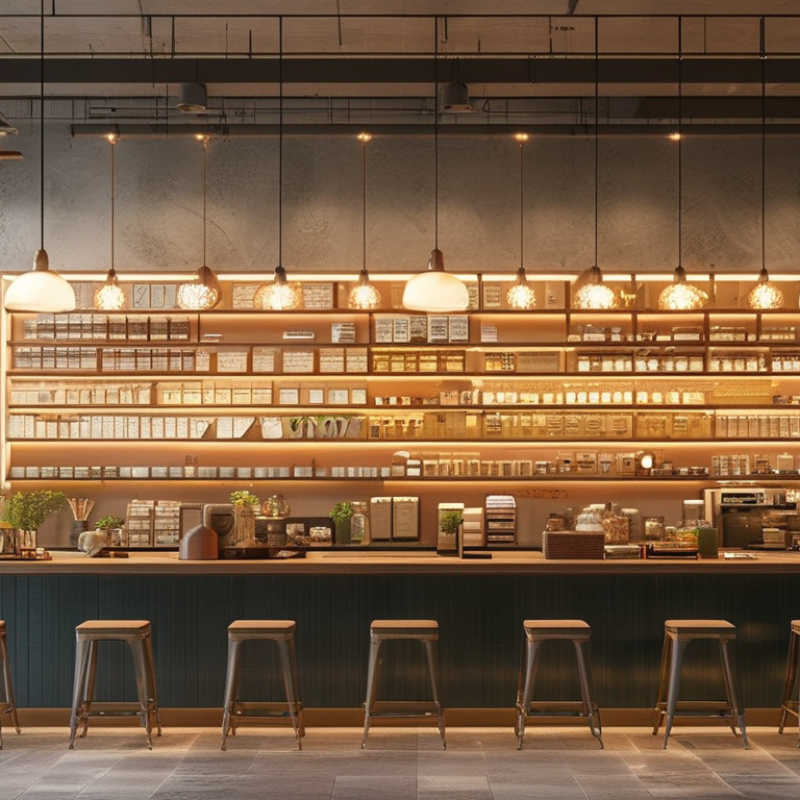
Understanding the Importance of Lighting in Commercial Spaces
Lighting plays a crucial role in commercial spaces, influencing both aesthetics and functionality. In retail, effective lighting can increase sales by up to 30%, according to recent studies. Natural light, or its simulation through artificial means, can improve employee productivity and well-being. A well-lit environment attracts customers and enhances the overall shopping experience.
When selecting lighting, consider the purpose of each area. Consider choosing energy-efficient options that complement your design. Layering lights—ambient, accent, and task—creates depth and interest. For example, direct lighting can highlight merchandise, while ambient lighting ensures a comfortable atmosphere.
Investigate options with adjustable brightness. This flexibility allows you to adapt the light to different times of day or events. Quality matters; poor lighting can lead to eye strain and decreased morale. Evaluate your space using data-driven approaches. Test various temperature settings. Enlightening spaces thoughtfully is crucial in shaping experiences.
Identifying the Purpose and Function of Each Area
When selecting lighting for commercial spaces, understanding the purpose and function of each area is key. Different areas require distinct lighting solutions to cater to their specific needs. For example, a reception area benefits from warm, inviting light that creates a welcoming atmosphere. It should promote comfort and ease for visitors. In contrast, workspaces like offices require brighter, cooler lighting that enhances concentration and productivity.
Consider the role of light in retail spaces, too. Spotlighting on merchandise can draw attention and guide customer behavior. In dining areas, softer lighting can enhance the dining experience, while task lighting in kitchens ensures safety and efficiency. Each zone serves a unique function, which should influence the lighting selection. Skipping this step can result in poorly lit spaces that disrupt workflow or create a cold atmosphere.
Reflections on previous lighting choices can be revealing. An overly bright office can overwhelm employees. Insufficient light in a restaurant may deter customers. It's essential to evaluate the outcomes of past decisions and learn from them. Expanding your understanding of how light affects behavior and mood can significantly enhance the utility of commercial spaces.
Exploring Different Types of Lighting Fixtures Suitable for Commercial Use
Selecting the right lighting fixtures for commercial spaces is crucial. Different projects require varied lighting solutions. For instance, a retail store benefits from bright, inviting lights, while an office may prioritize softer, energy-efficient options.
Tip: Focus on energy efficiency. This not only reduces costs but also minimizes environmental impact. LED fixtures are popular for their longevity and low energy consumption. However, ensure the color temperature aligns with your space’s atmosphere. Cooler tones work well in workspaces, while warmer tones can enhance customer experience in retail settings.
Consider the layout of your space. Pendant lights can create focal points in dining areas, while recessed lighting offers a clean look in offices. Explore adjustable fixtures for versatility. Balancing natural and artificial light sources is essential. Too much artificial light can feel harsh, making workers uncomfortable. Aim for a combination that enhances productivity and comfort.
Evaluating Energy Efficiency and Cost-Effectiveness of Lighting Options
When selecting lighting for commercial spaces, energy efficiency is crucial. It impacts both utility costs and environmental sustainability. LED lights are an excellent option due to their lower energy consumption. In fact, they use up to 75% less energy than traditional options. This helps reduce monthly expenses significantly.
Cost-effectiveness goes beyond initial purchase price. Consider installation and maintenance costs. Some lighting systems might be cheaper upfront but require more frequent replacements. Additionally, evaluate the lifespan of the lights. A longer lifespan can lead to reduced waste and fewer resources used.
Many businesses overlook the impact of natural light. Incorporating windows and skylights can minimize reliance on artificial lighting. However, achieving the right balance is essential. Too much natural light can cause glare and discomfort. A thoughtful approach to lighting can foster a pleasant and productive work environment while being mindful of energy consumption.
Top 10 Tips for Selecting Lighting in Commercial Spaces
| Tip No. |
Lighting Type |
Energy Efficiency Rating |
Cost-Effectiveness ($/yr) |
Lifespan (hrs) |
Best Use Case |
| 1 |
LED |
A+ |
150 |
50,000 |
General Illumination |
| 2 |
Fluorescent |
B |
200 |
20,000 |
Office Spaces |
| 3 |
Halogen |
C |
300 |
2,000 |
Accent Lighting |
| 4 |
Incandescent |
D |
400 |
1,000 |
Ambient Lighting |
| 5 |
Metal Halide |
B- |
250 |
15,000 |
Sports Facilities |
| 6 |
Compact Fluorescent |
A |
180 |
10,000 |
Retail Spaces |
| 7 |
T5 Fluorescent |
A+ |
170 |
30,000 |
Showrooms |
| 8 |
Smart Lighting |
A++ |
120 |
50,000 |
Dynamic Spaces |
| 9 |
High-Intensity Discharge (HID) |
B |
230 |
24,000 |
Warehouse Lighting |
| 10 |
Solar Lighting |
A---- |
Free (after installation) |
25,000 |
Outdoor Spaces |
Incorporating Flexibility and Adaptability in Lighting Design
Flexibility and adaptability are crucial in lighting design for commercial spaces. Different activities require distinct lighting levels and qualities. For example, a retail store needs bright, inviting light to showcase products.
In contrast, an office space may benefit from softer, adjustable lighting for comfort. This duality ensures that the lighting meets varying needs effectively.
Using dimmers and adjustable fixtures can provide significant advantages. These features allow for changes in mood and functionality throughout the day. Imagine a conference room that can shift from bright presentations to intimate discussions, all with a quick adjustment. However, the installation of flexible lighting systems can be complex and costly.
It’s essential to weigh the benefits against the challenges of implementation.
Additionally, natural light plays a vital role in adaptable lighting systems. Large windows not only enhance aesthetics but also reduce energy consumption. While designing with natural light, it’s critical to consider potential glare. Strategies to mitigate this may involve the use of shades or reflective materials.
Balancing these elements is an ongoing process that requires evaluation and adjustment.
Through careful consideration, a dynamic and versatile lighting environment can become a reality.
FAQS
: Lighting affects aesthetics and functionality. It can increase sales and boost employee productivity.
A well-lit environment attracts customers and enhances their shopping experience significantly.
Use ambient, accent, and task lighting. Each serves a unique purpose, adding depth and interest.
Choosing energy-efficient lighting reduces costs and minimizes environmental impact.
Natural light enhances aesthetics and can lower energy costs, depending on the design.
Yes, they allow flexibility to adapt lighting for different events or times of day.
They can be costly and complex to install, needing careful consideration for practical benefits.
The space layout dictates fixture choices; pendant lights can create focal points, while recessed lights offer clean designs.
Poor lighting can cause eye strain and decrease employee morale, impacting productivity.
Use shades or reflective materials to mitigate glare while maximizing natural light benefits.
Conclusion
When considering how to select lighting for commercial spaces, it's essential to understand the significant role lighting plays in creating an inviting atmosphere and enhancing functionality. The first step is to identify the specific purpose and function of each area within the commercial space, as this will guide the choice of suitable lighting solutions. Different types of lighting fixtures, such as ambient, task, and accent lighting, can be explored to meet the diverse needs of the environment.
Additionally, evaluating energy efficiency and cost-effectiveness is crucial to ensure that the chosen lighting options contribute to long-term savings and sustainability. Lastly, incorporating flexibility and adaptability in lighting design allows businesses to modify the lighting setup as needed, responding to changes in layout or purpose. By following these tips, one can effectively achieve a well-lit, functional, and aesthetically pleasing commercial space.

 Layr Light