Creating the illusion of a larger space can be achieved with thoughtful lighting choices. Expert interior designer Sarah Johnson emphasizes, “The right light transforms small spaces.” Understanding how to make a room look bigger with lighting is essential for anyone wanting to maximize their living area.
Bright, layered lighting can draw the eye upwards and outwards. Using a mix of overhead lights, floor lamps, and accent lights will create depth. Reflective surfaces, like mirrors and gloss finishes, can amplify the effect. Consider using warm white bulbs to maintain a cozy atmosphere.
However, improper placement or harsh lighting can lead to a cluttered feel. It’s important to test various arrangements before committing. Striking the right balance is key. This approach takes practice and an eye for detail. Embracing trial and error can refine your results, ultimately leading to a more spacious perception.
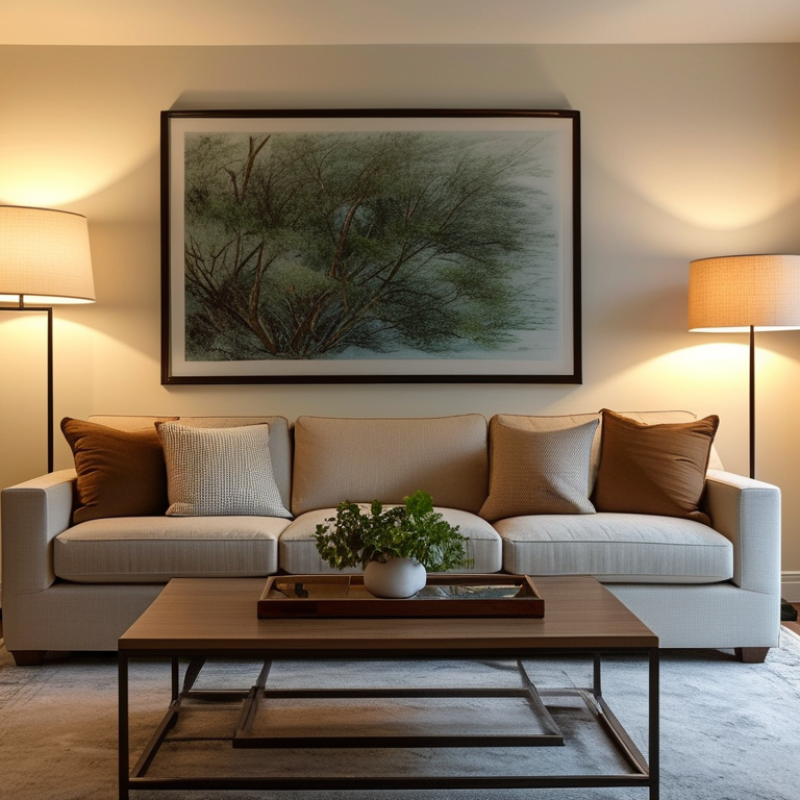
Lighting plays a crucial role in how we perceive a room's size. Proper use of lighting can create an illusion of space. Natural light is particularly effective. According to a study by the American Institute of Architects, well-lit spaces can feel up to 30% larger. This indicates that light significantly impacts our spatial perception.
To maximize the sense of space, consider layering your lighting. Combine ambient, task, and accent lights. Soft, diffuse lighting bounces off walls, enhancing depth. Conversely, harsh lighting can compress the space, making it feel smaller. A report from the National Association of Home Builders highlights that buyers are strongly influenced by natural light. Homes with ample natural light often see a price increase of around 10%.
Moreover, color and light interaction should not be overlooked. Light colors reflect more light, contributing to a spacious feel. Dark rooms create shadows, giving an impression of confinement. Reflective surfaces, like mirrors and glossy finishes, can amplify light. However, overdoing it may lead to an uncomfortable glare. Balancing natural and artificial light sources is key. Be mindful of how different hues affect your environment. Thoughtful lighting can transform your perception of space, making your home feel more open and inviting.
When it comes to making a room feel larger, choosing the right light fixtures plays a crucial role. One effective strategy is to opt for fixtures that emit bright, even light. Ceiling-mounted lights can create an illusion of height. Wall sconces help illuminate corners, making the space feel more expansive. Consider using dimmable lights. They allow you to adjust the brightness, adapting to different moods and times of day.
Color temperature also matters. Warm white lighting can create a cozy atmosphere, but cooler tones often appear more spacious. Soft, diffused lighting reduces harsh shadows, enhancing the room's openness. Pay attention to the style of fixtures. Sleek and minimal designs tend to blend in, while elaborate fixtures can clutter the visual space.
Natural light shouldn't be overlooked. When possible, position mirrors opposite windows. They reflect light and create a brighter environment. A well-placed mirror can make the room feel twice as big. Experiment with different placements and intensities of light. It may take time to achieve the right balance, but the results can transform any room.
Natural light can dramatically change the perception of a room’s size. It creates a feeling of openness. A well-lit space looks larger, inviting, and more vibrant. Consider how sunlight enters your room. Large windows can become focal points. They allow for more light, enhancing your space. If you lack windows, try using mirrors to reflect light.
Position mirrors across from windows. This technique can double light effects, making the area feel airy. Light, sheer curtains maximize sunlight while maintaining privacy. They let in brightness without overwhelming the room. Use lighter colors for walls and decor. Soft hues reflect light, expanding the visual space. Dark colors tend to absorb light and can create a cramped feel.
It’s important to experiment with lighting. Layer your sources. Use a mix of natural and artificial lights. Overhead lights can feel harsh. Instead, use wall sconces or table lamps with warm bulbs. Test different arrangements. Observe how they interact with natural light throughout the day. If it doesn’t work, adjust and reflect. This practice can reveal what truly enhances your room.
Mirrors serve as powerful tools in interior design. They can transform a cramped space into a seemingly larger one by reflecting light. According to the American Society of Interior Designers, proper use of mirrors can increase perceived space by up to 30%. This revelation has inspired many designers to incorporate mirrors as a key element.
When placing mirrors, consider positioning them opposite windows. This allows natural light to bounce off the glass, creating a brighter atmosphere. Reports indicate that well-lit rooms feel more spacious. Additionally, using larger mirrors can enhance this effect. However, be cautious with placement to avoid overwhelming the space. Too many mirrors can produce a cluttered look.
Mirror frames also play a role. Reflective surfaces with minimal design can provide elegance while expanding visual borders. The right mirror can act as a focal point, enhancing depth. A study from the Journal of Interior Design highlights that framing choices can impact perceived room size. Keep proportions in mind to maintain balance, which can sometimes be neglected in design. Mirrors are tools, not miracles. When used thoughtfully, they can indeed amplify both light and space.
Lighting can significantly influence how we perceive room size. The choice of color temperature plays a crucial role in creating an illusion of space. According to a study by the Lighting Research Center, warmer light (around 2700K to 3000K) can make a room feel cozier but may visually reduce the space. Conversely, cooler light (around 4000K to 5000K) tends to open up areas, making them appear larger and more expansive.
Incorporating cooler tones in your lighting can dramatically alter the room's atmosphere. A report from the International Association of Lighting Designers suggests that using a cooler light can enhance the sense of depth, especially in areas with neutral palettes. Bright white or daylight tones help reflect surfaces, giving an impression of a bigger area. Warm lighting might feel inviting, but it’s essential to consider the intended use of the room.
Tips: Use a mix of lighting sources. Ceiling fixtures, wall sconces, and floor lamps can provide layered lighting. Aim to balance warm and cool tones, but consider focusing on cooler shades for a spacious effect. Don't shy away from experimenting with different setups. You may find that the conventional wisdom of lighting color doesn't work for your unique space. Pay close attention to how the room feels with various lighting; the comfort and perceived size can be surprisingly different.
The chart above illustrates how different color temperatures can affect the perceived size of a room. As the color temperature increases from warm to daylight, there is a corresponding increase in the perception score, indicating a larger appearance of space.
: Bright, even light from fixtures can create an illusion of height and make a room feel larger.
Ceiling lights and wall sconces help brighten corners, enhancing the feeling of openness.
Yes, dimmable lights allow you to adjust brightness based on mood and time of day, creating versatility.
Warmer tones create coziness but may make a room feel smaller. Cooler tones generally make spaces appear larger.
Mirrors can double the effects of natural light when placed opposite windows, making the room feel airier.
Light colors reflect light and expand visual space, while dark colors tend to absorb light, creating a cramped feeling.
Experimentation helps find the best light arrangement; results can lead to a better ambiance and perception of space.
Yes, layering different artificial and natural lights can create a warmer, more inviting environment.
Overhead lights can feel harsh. It’s better to mix in sconces or table lamps for a softer glow.
Lighting perception can vary throughout the day. Adjusting and reflecting can enhance your room's comfort and size.
In the quest to explore how to make a room look bigger with lighting, it is essential to understand the significant role that lighting plays in shaping room perception. Choosing the right light fixtures can drastically enhance brightness, creating an illusion of spaciousness. Opting for wall-mounted or recessed lights can help eliminate shadows, making the room feel more open.
Natural light is a key element in enhancing both space and atmosphere. Maximizing windows and using light-colored window treatments can help in allowing more sunlight to flow in. Additionally, incorporating mirrors strategically can reflect light and create a sense of depth, further contributing to the illusion of a larger room. Lastly, paying attention to color temperature can also impact how we perceive room size; warmer lights can create a cozy yet spacious environment when used appropriately. Through these methods, one can effectively manipulate lighting to achieve a more expansive room feel.

Layr Light