Why is customized lighting becoming popular? The answer begins with changing expectations about comfort, identity, and everyday performance. Homeowners, retailers, and hospitality teams now want lighting that fits a space instead of forcing the space to adapt. A warm pendant above a dining table can create intimacy, while adjustable task lighting can reduce glare over a kitchen island. The change is visible. Small details matter.
Lighting designers increasingly combine color temperature, beam angle, dimming controls, and fixture placement. These choices can support reading, product displays, relaxation, or focused work. Professional planning also considers room size, surface materials, energy use, maintenance, and accessibility. Industry guidance and experienced installers help ensure that attractive designs remain safe and practical. Smart controls add convenience, but they are not automatically better. Poor programming can cause confusion, unnecessary energy use, or frustrating delays.
Customized lighting can also express a brand or personal taste through materials, shadows, and carefully controlled brightness. A boutique may use narrow beams to guide attention, while a bedroom may rely on layered, low-glare sources. Yet customization has limits. More features can increase costs, installation complexity, and repair demands. Not every trend lasts.
Reliable decisions require testing the light at different times of day. Samples often reveal problems that drawings hide. A polished render cannot show every reflection, shadow, or uncomfortable glare. This article examines the practical reasons behind the trend, along with its design benefits, technical considerations, and overlooked compromises. The goal is not to praise customization blindly, but to understand when it genuinely improves a space.
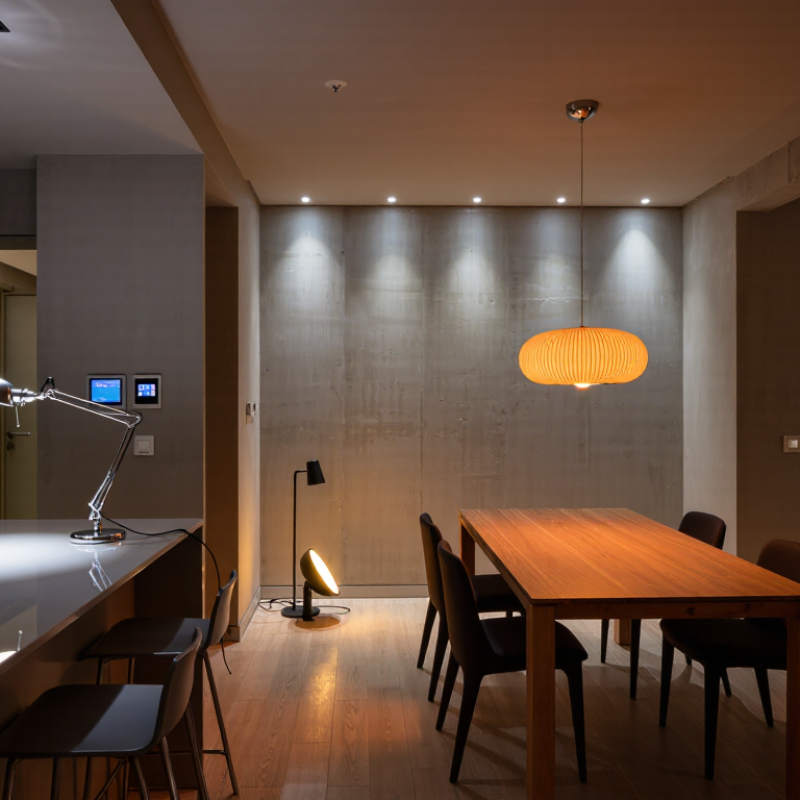
What Customized Lighting Means and How It Differs from Standard Lighting
Customized lighting is designed around a space, task, and user, rather than selected from fixed catalog options. Standard lighting usually offers predetermined wattage, beam angles, color temperatures, and dimensions. It is faster to purchase. However, it may create glare above a workbench or dark patches across a corridor.
Customization can adjust optics, housing size, mounting methods, dimming curves, and color quality. A museum may need narrow beams and low ultraviolet output. A warehouse may require wide distribution, occupancy sensors, and stronger vertical illumination. These decisions should follow measured conditions, not decoration alone. The U.S. Department of Energy reports that LED products use at least 75% less energy than incandescent lighting and can last up to 25 times longer. Customized control systems can help capture those savings, but only when commissioning is done correctly.
The International Energy Agency has reported that lighting represents roughly 15% of global electricity consumption. That figure explains the growing interest in efficient, responsive systems. Yet customization is not automatically superior. An oversized fixture can increase material use, maintenance difficulty, and replacement costs. I have seen projects specify impressive controls while leaving sensors poorly positioned. The result was uneven illumination and frustrated users. A reliable design therefore combines photometric calculations, on-site testing, electrical safety review, and feedback from the people using the space. Sometimes, a standard fixture is the wiser choice.
Why Is Customized Lighting Becoming So Popular?
LED Adoption Creates More Opportunities for Customized Lighting
Customized lighting differs from standard lighting by allowing users to adjust brightness, color temperature, beam direction, placement, and control methods for specific spaces and activities. The strong adoption of LED technology has made these options more practical because LEDs are highly controllable, energy efficient, and available in flexible formats.
Data source: U.S. Department of Energy, 2020 U.S. Lighting Market Characterization. Percentages are rounded estimates of installed lamps in the United States.
The Main Factors Driving the Popularity of Customized Lighting
Why Is Customized Lighting Becoming So Popular?
The Main Factors Driving the Popularity of Customized Lighting
Customized lighting is growing because ordinary fixtures rarely fit every room. Homeowners want light that matches their routines, furniture, and comfort levels. A reading corner may need a warm, focused beam. A kitchen usually needs brighter, clearer illumination for safe food preparation. Installers often find that small adjustments create noticeable changes. The process is not always tidy. Measurements can be missed, and color temperatures may look different at night. Careful planning matters.
Flexibility is another major factor. Customized systems can combine ceiling lights, wall fixtures, dimmers, and motion sensors. This allows one room to serve several purposes without constant remodeling. Energy efficiency also influences decisions, especially when lighting controls reduce unnecessary use. Professional designers consider beam angle, glare, surface color, ceiling height, and maintenance access. These details support more reliable results than appearance alone. Yet customization is not automatically better. Excessive controls can confuse users, while unusual fittings may cost more to replace. A practical design should remain attractive, understandable, and serviceable years later. Feedback from occupants remains important, because technical accuracy cannot fully predict personal comfort.
How Customized Lighting Serves Homes, Businesses, and Public Spaces
Customized lighting is becoming popular because spaces now demand more than basic brightness. Homes need calm corners, focused kitchens, and safer stairways. Businesses need lighting that supports work, displays products, and reduces operating costs. Public spaces need visibility without glare. The International Energy Agency reports that lighting uses about 15% of global electricity. That makes efficient design a practical decision, not merely a decorative upgrade.
In homes, layered lighting can combine ceiling fixtures, wall lights, and adjustable task lamps. LED systems use at least 75% less energy and last up to 25 times longer than incandescent bulbs, according to the U.S. Department of Energy. Yet customization should begin with observation. A bright fixture above a television may create reflections. A warm lamp beside a mirror may distort makeup colors. Small errors matter.
Businesses often use programmable scenes for meetings, retail displays, or evening cleaning. Sensors can reduce unnecessary operation, although poorly positioned sensors may leave desks dim or corridors dark. Public projects require stricter judgment. CIE 150:2017 offers technical guidance for reducing outdoor glare and unwanted light. Parks, transit areas, and civic entrances need clear routes, comfortable contrast, and restrained brightness. More light is not always safer. Sometimes, it is simply more expensive.
The Benefits of Personalized Lighting for Comfort, Design, and Efficiency
Why Is Customized Lighting Becoming So Popular?
The Benefits of Personalized Lighting for Comfort, Design, and Efficiency
Customized lighting responds to how people actually use a room. A reading corner may need warm, focused light, while a kitchen benefits from brighter task lighting. Adjustable brightness reduces glare on screens and helps create a calmer evening atmosphere. Small changes matter.
Personalized fixtures also give interiors more character. A narrow pendant can define a dining area, while concealed strips can highlight shelves or textured walls. The result feels intentional rather than excessive. Still, attractive lighting can become uncomfortable when designers ignore eye level, reflection, or shadow placement.
Efficiency is another practical reason for this growing interest. LEDs, dimmers, timers, and occupancy sensors can reduce unnecessary electricity use. However, efficiency depends on correct installation and daily habits. A highly efficient lamp left on all night is not an efficient system. Professional planning should consider room size, daylight, fixture position, and expected use before selecting equipment.
In real homes, flexibility often proves more valuable than dramatic appearance. One control setting rarely suits every person or activity. A child doing homework, an adult cooking, and guests relaxing may need different light levels. The best plan leaves room for adjustment, because personal comfort is difficult to measure perfectly.
Why Is Customized Lighting Becoming So Popular? - The Benefits of Personalized Lighting for Comfort, Design, and Efficiency
Practical lighting targets and measurable benefits for residential, hospitality, office, and retail environments.
| Lighting Dimension |
Typical Personalized Setting |
Measured Data or Target |
Primary Benefit |
Reference Basis |
| Task illumination |
Adjustable brightness for reading, cooking, studying, or detailed work |
Approximately 300–500 lux for many reading and office tasks |
Improves visual comfort while reducing under-lighting and eye strain |
Common workplace and indoor task-lighting recommendations |
| Ambient lighting |
Lower background brightness combined with focused task lighting |
Approximately 100–200 lux for circulation and relaxed residential areas |
Creates visual balance and avoids excessive glare or over-lighting |
Typical indoor circulation and residential lighting ranges |
| Color temperature |
Warm light for relaxation; neutral or cooler light for concentration |
2700–3000 K for relaxing spaces; 3500–4000 K for work-focused areas |
Supports different moods, functions, and interior design schemes |
Common correlated color temperature ranges used in indoor design |
| Color rendering |
Higher color quality in kitchens, retail displays, art areas, and dressing spaces |
CRI 80 or higher for general interiors; CRI 90 or higher for color-critical tasks |
Makes finishes, food, clothing, and skin tones appear more natural |
Widely used indoor lighting quality thresholds |
| Glare control |
Diffusers, indirect light, shielding, and individually aimed fixtures |
Lower glare is preferred in screen-based and visually demanding environments |
Reduces discomfort, reflections, and visual distraction |
Indoor lighting design practice and glare-control standards |
| Dimming and zoning |
Separate controls for task, accent, ambient, and circulation zones |
A 50% reduction in light output can substantially reduce lighting power in compatible LED systems |
Prevents lighting unused areas and supports energy-conscious operation |
Lighting-control principles for dimmable solid-state systems |
| Daylight and occupancy response |
Automatic dimming near windows and shutoff in unoccupied areas |
Potential lighting-energy savings commonly range from about 20% to 60%, depending on building use and controls |
Reduces unnecessary operating hours without sacrificing required illumination |
Energy-efficiency studies of daylight and occupancy controls |
| Light-source efficiency |
Efficient solid-state lighting selected according to brightness and color needs |
Modern LED products commonly deliver approximately 80–150 lumens per watt |
Provides more light with less electricity than traditional incandescent sources |
Typical published performance range for contemporary LED lighting |
| Service life |
Long-life fixtures in difficult-to-access locations, with replaceable or maintainable components |
Many LED systems are rated for approximately 25,000–50,000 operating hours |
Lowers replacement frequency, maintenance work, and material waste |
Typical rated-life range for general-purpose LED lighting |
Note: Actual performance depends on room geometry, surface reflectance, fixture optics, control compatibility, installation quality, and operating schedules. Values shown are typical planning ranges rather than universal requirements.
Key Considerations When Choosing a Customized Lighting Solution
Customized lighting is becoming popular because rooms now serve several purposes. A kitchen may need bright task light, warm evening light, and safe walkway illumination. The right solution should begin with the space, not a fashionable fixture. Measure twice. Note ceiling height, furniture positions, window glare, and daily activities. These details help prevent dark corners and uncomfortable reflections.
When choosing a customized lighting solution, define the visual task first. Work surfaces usually need focused illumination, while dining areas often benefit from softer, layered light. Color temperature affects mood and appearance. Color rendering also matters when people judge food, fabric, artwork, or skin tones. Ask for photometric data, not only attractive product images. Controls deserve equal attention. Dimming, zoning, sensors, and timed settings can improve comfort and reduce wasted energy.
Reliability depends on more than appearance. Check heat management, driver quality, access for replacement, warranty terms, and installation support. Confirm that the design follows local electrical and building requirements. A qualified lighting professional should review load calculations and circuit placement. Budgeting can be awkward, because the cheapest option may create higher maintenance costs later. Still, expensive customization is not automatically better. I have seen detailed plans fail when users could not understand the controls. Keep the interface simple, test the light at night, and revise anything that feels harsh or impractical.
Conclusion
Customized lighting is designed around the specific needs, preferences, and spaces of the user, rather than relying on fixed styles, sizes, or functions. Unlike standard lighting, it can be adjusted in areas such as brightness, color temperature, shape, placement, controls, and energy use. This flexibility helps explain why is customized lighting becoming popular, as people increasingly want environments that reflect their lifestyle and serve practical purposes.
Customized lighting can improve comfort in homes, support productivity and atmosphere in businesses, and enhance safety, identity, and usability in public spaces. It also offers greater design freedom, more precise illumination, and the potential to reduce wasted energy through efficient controls and targeted placement. When choosing a solution, users should consider the space’s purpose, visual preferences, installation requirements, maintenance, budget, control options, and long-term efficiency. A thoughtful approach ensures the lighting is attractive, functional, comfortable, and suitable for future needs.

 Layr Light