Explore our CE certified, high-performance luminaires engineered for modern residential and commercial environments.
In the contemporary architecture and spatial design arena, ambient lighting effects have evolved from supplementary accents to core elements that govern structural aesthetics, human wellness, and spatial intelligence. The global market is witnessing an unprecedented transition toward human-centric, adaptive systems that harmoniously interact with occupants.
Human-Centric Lighting (HCL) systems match natural daylight cycles. Modern commercial offices and high-end healthcare spaces rely on dynamically changing correlated color temperatures (CCT) ranging from warm 2200K to cool 6500K to regulate melatonin production, boosting user productivity and overall well-being.
Ambient lighting is no longer isolated. The integration of protocols like Matter, Thread, Zigbee 3.0, and DALI-2 allows luminaires to communicate seamlessly with building management networks, facilitating complex scenarios, motion detection, and customized scene creation.
With global net-zero regulations, using energy-efficient LEDs with high luminous efficacy (lm/W) combined with sustainable, recyclable components like marine-grade anodized aluminum has become a strict requirement for architecture projects worldwide.
Global architectural contractors, regional distributors, and lighting specifiers require partners who satisfy complex design visions alongside rigorous global validation protocols. Understanding this intent is key to successful project delivery.
CE standard compliance is the absolute baseline for entering the European market. It verifies electrical safety (LVD), electromagnetic compatibility (EMC), photobiological safety (EN 62471), and environmental restriction of hazardous substances (RoHS).
Professional projects demand custom beam angles (e.g., 15°, 30°, 60°), low glare ratings (UGR < 19), high Color Rendering Indexes (CRI > 90, R9 > 50), and strict MacAdam ellipse steps (SDCM < 3) to ensure absolute color consistency.
High-power ambient strips and pendant lighting generate localized heat. Effective procurement hinges on selecting fixtures built with die-cast or aircraft-grade aluminum heat sinks, ensuring lifespan stability exceeding 50,000 hours.
Procuring entities require products supporting 0-10V, TRIAC, or DALI-2 dimming drivers that mesh seamlessly with localized controllers (Lutron, Crestron, Helvar) without visual flickering issues.
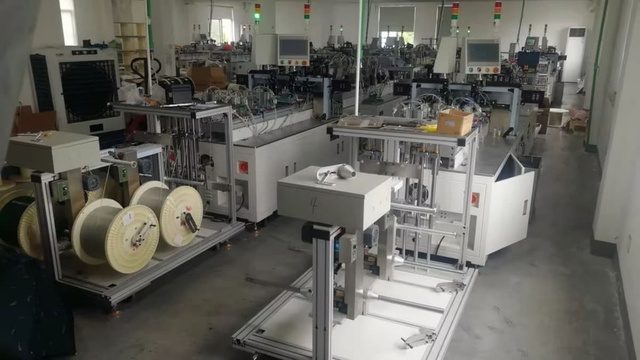
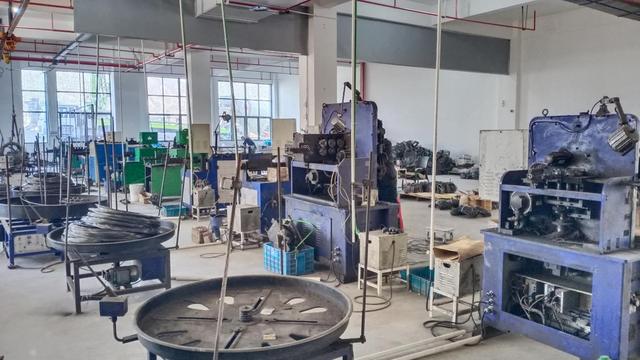
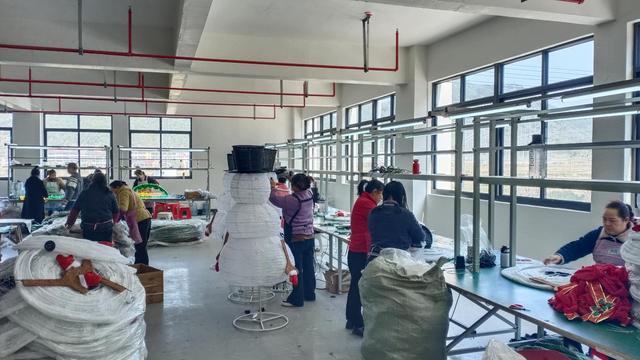
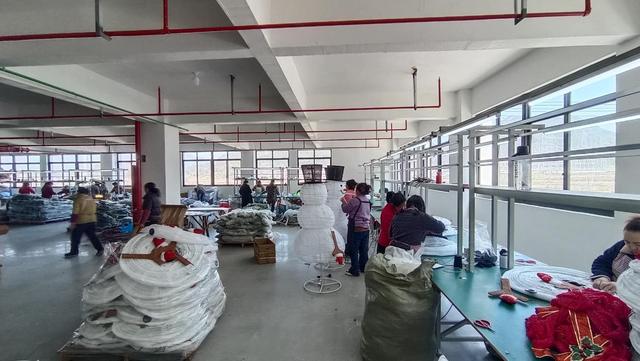
China's modern lighting factories have transitioned from simple manual assembly lines to digitalized, automated production plants. By utilizing real-time ERP-MES systems and advanced testing laboratories, manufacturers deliver unparalleled quality assurance.
Ningbo Layr Light Co., Ltd. is a professional decorative lighting manufacturer specializing in custom LED lighting, architectural lighting systems, and smart lighting solutions for residential, commercial, hospitality, and public-space applications. Established in 2013, the company is located in Ningbo, Zhejiang Province, China, a major manufacturing and export center with convenient access to international shipping networks.
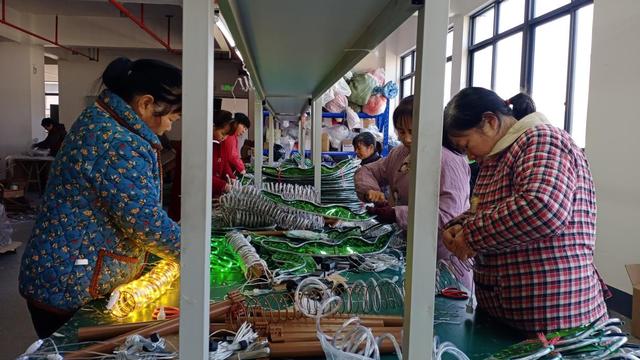
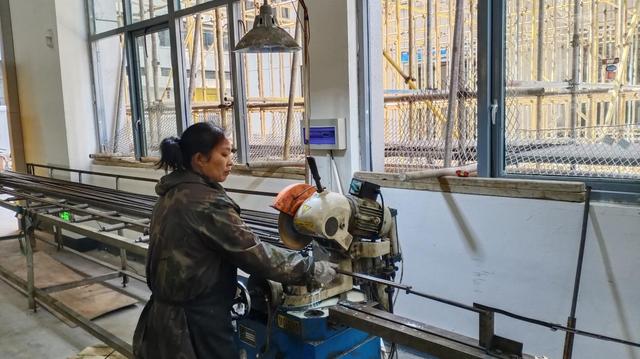
With a modern manufacturing facility covering more than 15,000 square meters and a team of over 220 experienced employees, Layr Light integrates product design, engineering, tooling, production, quality management, and global sales operations. The company operates advanced production lines and testing equipment to ensure reliable performance, energy efficiency, and compliance with international quality standards.
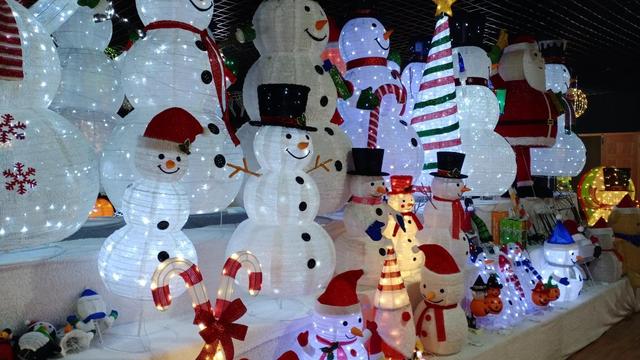
As a trusted OEM and ODM manufacturing partner, Layr Light provides comprehensive customization services, including product development, private labeling, lighting project support, packaging design, and technical consultation. Its products are exported to North America, Europe, the Middle East, Southeast Asia, Australia, and other international markets. The company continuously invests in LED technology, intelligent control systems, and innovative design capabilities to meet the evolving needs of architects, designers, contractors, and brand owners worldwide.
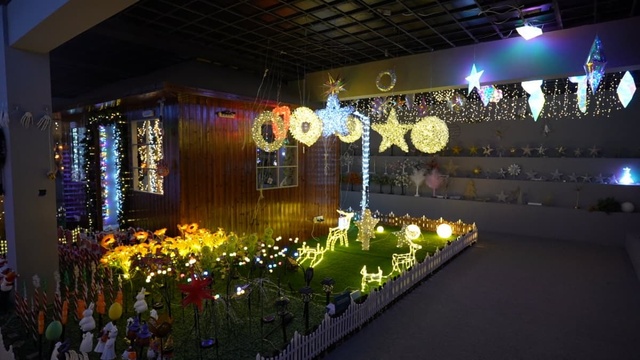
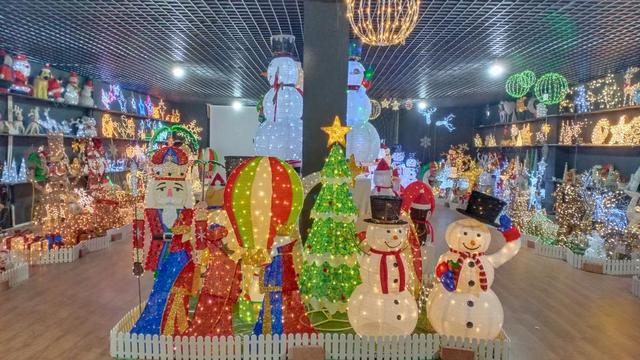
Different commercial and spatial formats require unique light recipes. Understanding the precise design guidelines for localized installations ensures the right visual appeal, functional utility, and regulatory compliance.
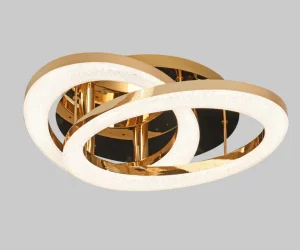
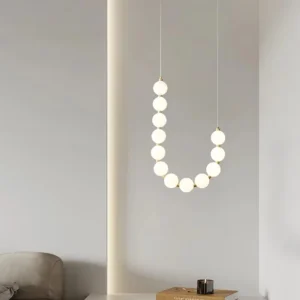
In high-tech offices, circular aluminum pendant lights and recessed linear strips are integrated into acoustic ceilings. Using flicker-free drivers prevents visual fatigue. Dynamic daylight harvesting optimizes energy consumption while maintaining a comfortable 500-lux ambient layer.
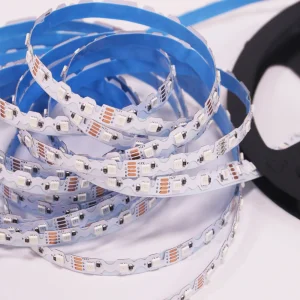
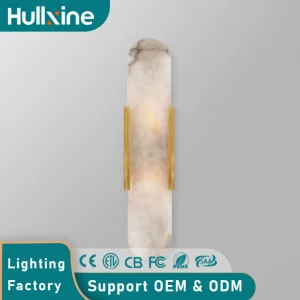
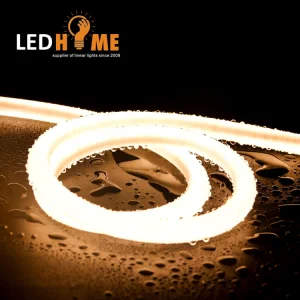
Luxury hotels and retail spaces use vertical marble wall sconces and flexible, dot-free COB neon light strips to accent architectural contours. With ultra-high CRI (Ra>95) and dim-to-warm capability, these systems render natural colors beautifully, enhancing interior finishes.
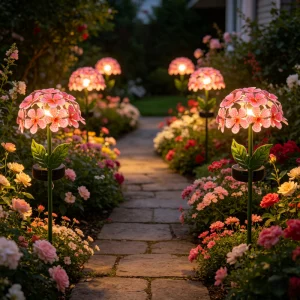
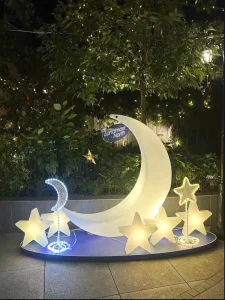
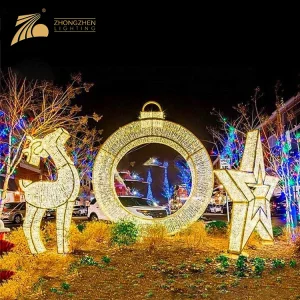
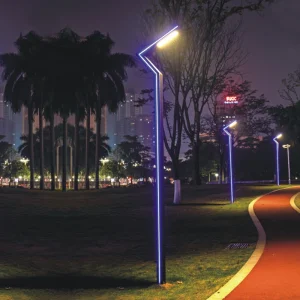
Urban corridors and public plazas leverage IP65-rated street garden luminaires, custom motif poles, and solar landscape stakes. Excellent sealing technologies protect lighting elements against water intrusion, dynamic thermal expansion, and dust accumulation in harsh climates.
When selecting lighting systems for international infrastructure projects, design teams must prioritize long-term durability and efficiency over short-term savings. The following factors outline why Ningbo Layr Light Co., Ltd. serves as a premier manufacturer for global supply chains.
By pairing premium electronic components with strict thermal management practices, Layr Light products combat common degradation modes like color shifting and high forward-voltage drop. Precision optical components, such as micro-prismatic diffusers, control glare and ensure uniform illumination. This combination provides a reliable solution for professional designers and engineers demanding top-tier performance.
Get authoritative, clear answers regarding certifications, thermal engineering, design parameters, and customization workflows directly from our engineering team.
Browse our technical, commercial, and specialty collections designed to meet the demands of global architectural designs.
 Layr Light