Explore our line of high-performance engineered lighting solutions certified for global commercial deployment.
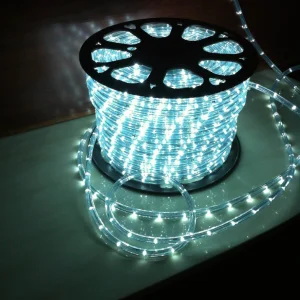
The global commercial and industrial lighting industry is witnessing a structural shift from traditional glass neon systems to advanced, silicone-extruded flexible LED neon technology. Historically, neon lighting was constrained by fragile glass enclosures, high operating voltages (often reaching 15,000V), and toxic mercury contents. Today's commercial infrastructure demands highly resilient, energy-efficient, and low-voltage alternatives. As regulatory requirements around greenhouse gas emissions and structural safety become stricter across Europe, North America, and the Asia-Pacific region, certified flexible LED neon signs and architectural systems have emerged as the industry benchmark.
From custom branding visual assets to large-scale urban architectural enhancements, CE Certified LED neon systems are critical components in creating immersive experiences. Their architectural and interior roles have expanded, serving as direct replacements for linear fixtures in hospitality, retail facades, public venues, and residential spaces. They deliver clean, dot-free lighting effects, maintaining chromatic stability over hundreds of thousands of operating hours.
Understanding the structural anatomy and chemical performance of high-grade LED flexible neon signs.
Unlike cheap PVC alternatives, high-grade architectural signs utilize dual-color co-extrusion of optical-grade silicone. This provides unmatched UV shielding, remains flexible at -40°C to 60°C, and prevents internal air bubble formation that degrades optical clarity.
CE certification ensures compliance with the Low Voltage Directive (LVD) and Electromagnetic Compatibility Directive (EMC). Working with 12V or 24V Class II SELV power drivers eliminates electric shock hazards and reduces electromagnetic noise interference.
Built with high-thickness double-sided flexible PCBs (2oz or 3oz copper trace width), our creative signs guarantee efficient heat dissipation. This limits voltage drop over long linear runs, preventing localized overheating and extending the LED lifespan past 50,000 hours.
The technological trajectory of neon installations has evolved rapidly over three distinct generations:
Single-waveband LEDs housed within colored silicone jackets. These rely on physical dimmers or basic on/off power sequencing. Reliable but limited to standard signage applications.
Incorporating multi-chip RGBW packages for millions of color combinations. These systems require external 3-channel or 4-channel PWM controllers to create seamless atmospheric transitions.
Integrating dedicated ICs (such as UCS2904, WS2811, or DMX512 drivers) inside the neon extrusion. This allows individual section control for complex chasing, video mapping, and responsive installations.
How commercial venues, public landmarks, and event planners implement creative neon solutions to maximize visual impact.
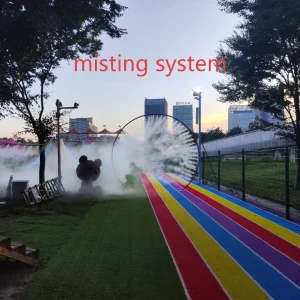
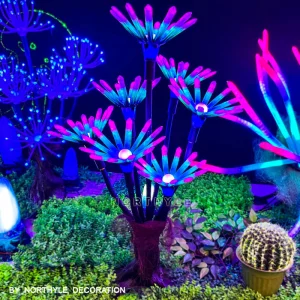
Municipal and commercial fairgrounds deploy temporary and permanent high-impact visual attractions to capture tourist attention. Combining misting systems and spray rings with programmable, IP68-rated waterproof pixel neon installations generates atmospheric interest that drives foot traffic and social media engagement.
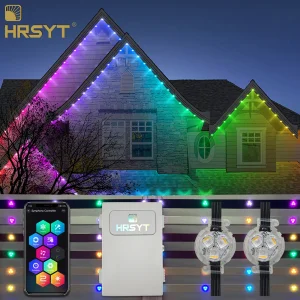
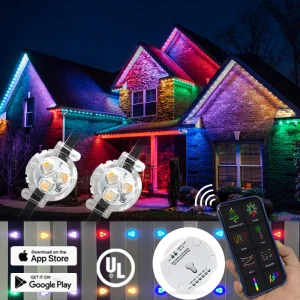
For residential complexes, hospitality landmarks, and heritage facades, linear architectural lighting accentuates structural contours. App-controlled, IP68 waterproof LED point lights and silicone neon tubes withstand harsh weather, offering year-round decorative flexibility and holiday lighting integration.
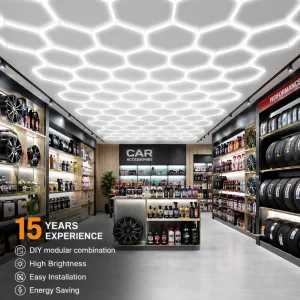
Modern retail stores, barbershops, and design studios rely on creative, energy-saving ceiling grids and wall signs to establish brand identity. High-density, dot-free neon contours provide diffuse, glare-free lighting that photographs exceptionally well, boosting organic brand reach.
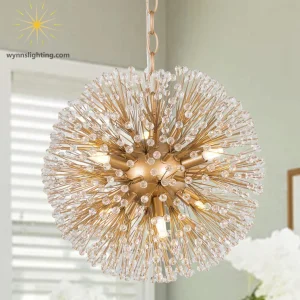
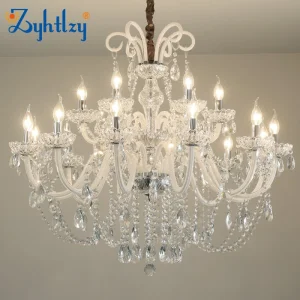
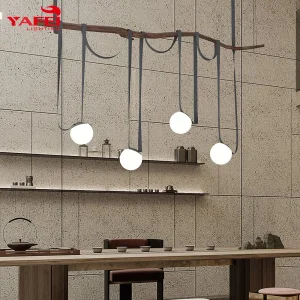
Luxury hotels and banquet facilities combine traditional ambient lighting (like K9 golden crystal chandeliers) with customized, color-changing LED neon borders to create layered, immersive environments. DMX512 integration syncs spatial lighting with active music or live event programs.
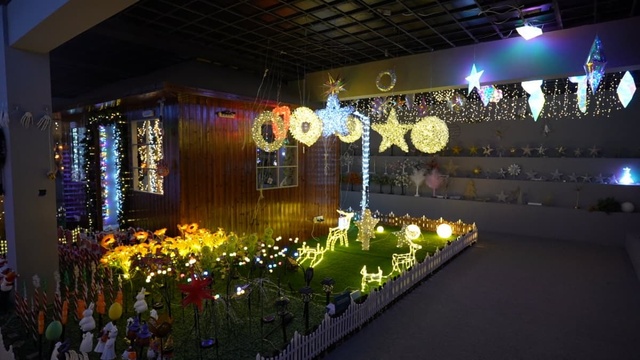
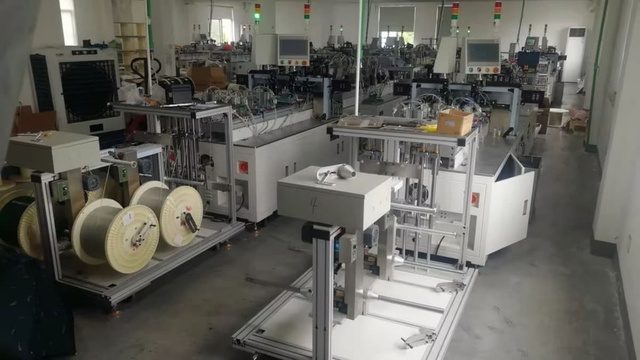
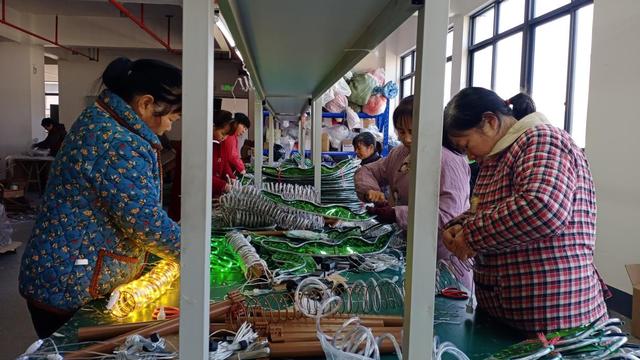
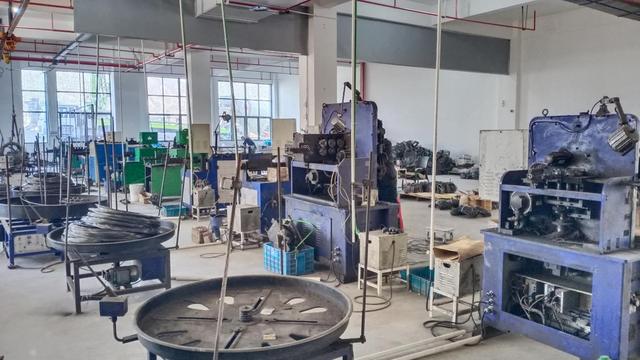
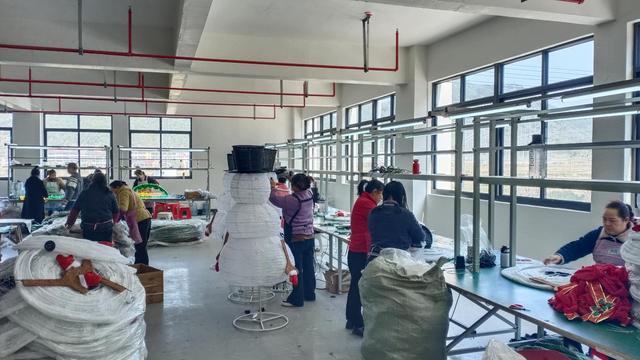
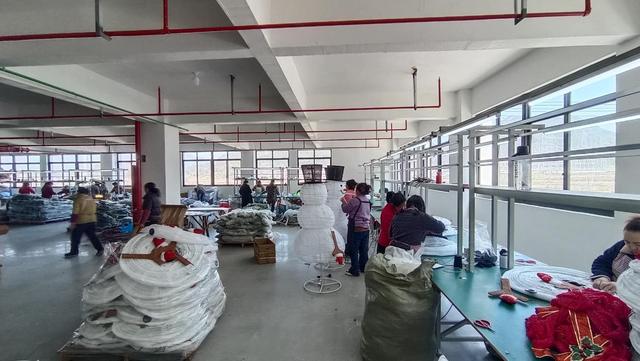
Established in 2013, Ningbo Layr Light Co., Ltd. is a specialized decorative and architectural lighting manufacturer. Located in the industrial center of Ningbo, Zhejiang Province, China, the company operates with convenient access to global shipping networks and raw material ecosystems. The 15,000-square-meter facility features automated production and testing equipment operated by a team of over 220 professionals.
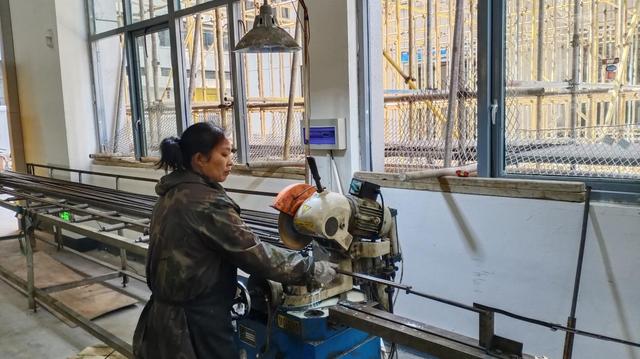
As a vertically integrated manufacturer, Layr Light controls every phase of the value chain. This starts with product design and custom tooling, progressing through silicone extrusion, precision component mounting, QC validation, and global logistics. Our local supply network ensures reliable material sourcing, buffering against global disruptions and offering competitive lead times on custom orders.
Layr Light offers comprehensive OEM and ODM support, including customized product engineering, private labeling, DMX program design, packaging customization, and regulatory certification consultation. This ensures that every lighting design meets the precise needs of architects, commercial contractors, and brand managers worldwide.
Our quality control laboratory conducts strict testing on every batch of flexible neon signs and architectural lights before shipment:


Expert answers to the technical questions most frequently asked by architects, procurement managers, and engineering teams.
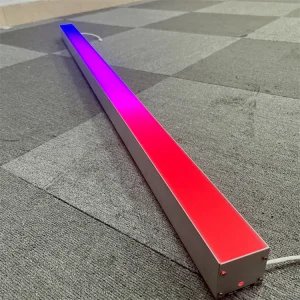
Complementary lighting systems engineered to the same high standards of performance and certification.
 Layr Light