Explore our precision-engineered architectural, decorative, and landscape lighting portfolio. Designed for commercial, residential, and industrial applications globally.
In the modern architectural and industrial landscape, lighting has transitioned from a passive utility to an active, intelligent building component. Today’s commercial buyers look for Multi-Functional Lighting Systems that merge aesthetic presence with advanced technological utility. This shift is driven by the rapid maturity of Solid-State Lighting (SSL), Internet of Things (IoT) sensors, and dynamic micro-drivers that fit into increasingly compact, custom chassis.
Global architectural specifications increasingly require fixtures that fulfill multiple performance matrices concurrently: energy efficiency, spatial acoustics integration, circadian rhythm alignment (Human-Centric Lighting), and wireless connectivity protocols (such as Casambi, DALI-2, and Zigbee). Modern fixtures do not just disperse photons; they gather occupancy data, modulate light output based on real-time ambient lux levels, and integrate seamlessly with Building Management Systems (BMS).
For large-scale infrastructure, commercial developments, and hospitality projects, this convergence presents a profound opportunity. By combining decorative flair with smart control layers, developers can achieve up to 40% reduction in installation costs compared to sourcing separate sensor, control, and lighting systems. Consequently, the role of a China lighting manufacturer has elevated from simple component assembly to complex system integration and customized prototype engineering.
China's top lighting clusters, centered in Ningbo and across the Zhejiang province, have responded by upgrading their manufacturing infrastructure. By embedding advanced surface-mount technologies (SMT), automated photometrical testing rigs, and rigorous Quality Control (QC) loops directly into the assembly line, these hubs lead the global market in delivering cost-optimized, certified, and high-performance luminaire architectures.
Procuring advanced custom lighting fixtures from overseas involves navigated risks—from regulatory barriers to quality variations. Experienced supply chain directors prioritize structural partners over commodity vendors.
Different jurisdictions impose distinct safety and efficiency standards. Sourcing without proven CE, RoHS, UL, ETL, SAA, or VDE validation can lead to custom delays, legal liabilities, or project implementation failures. Top Chinese exporters design with compliance from the initial engineering stages, selecting components that guarantee smooth certification approvals.
Fluctuating copper, aluminum, and rare-earth element costs can rapidly inflate unit economics mid-contract. Partners with vertically integrated manufacturing ecosystems maintain long-term rolling component agreements, shielding commercial clients from localized raw materials price spikes and guaranteeing consistent project delivery cycles.
Architects require spatial adaptations that stock fixtures cannot accommodate. A long, inefficient prototyping loop delays commercial handovers and adds capital risk. Responsive manufacturing operations employ in-house tooling shops and 3D printing to condense typical prototyping cycles from two months down to two weeks.
Established in 2013, Ningbo Layr Light Co., Ltd. stands as a professional decorative lighting manufacturer specializing in custom LED lighting, architectural lighting systems, and smart lighting solutions. Conveniently located in Ningbo, Zhejiang Province, China, the facility benefits from direct proximity to major deep-water shipping hubs. This ensures streamlined international logistics and robust export access to dynamic global markets.
Covering an expansive production area of over 15,000 square meters and employing a highly skilled workforce of 220+ professionals, Layr Light integrates the entire product lifecycle under one roof. From initial product design and engineering to physical tooling, volume production, rigorous quality assurance, and international logistics control, our operations are optimized to eliminate third-party delays and maximize cost efficiencies.
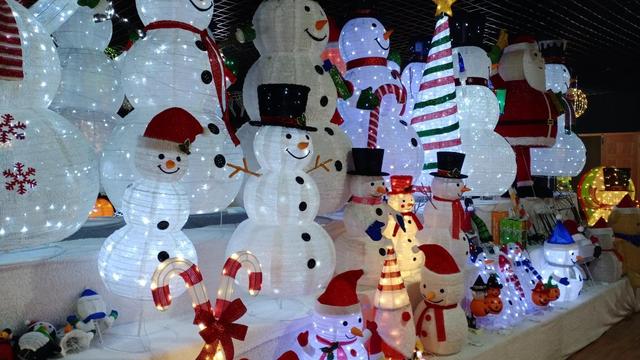
Our expansive product portfolio spans architectural lighting fixtures, smart lighting systems, indoor decorative fixtures, outdoor landscape lighting, hospitality installations, commercial lights, and bespoke project-based lighting designs. By continuously investing in advanced LED technology, smart controllers, and novel materials, we enable architects, engineering contractors, and global brand owners to bring their most challenging visions to life.
As an established OEM/ODM manufacturing partner, Layr Light provides tailored services including end-to-end product engineering, private labeling, comprehensive lighting project design support, custom package printing, and professional technical consultation. Our engineering expertise ensures that whether it is a hotel lobby chandelier, a dimmable LED bulb for maritime applications, or a complex structural truss system, every fixture conforms to the rigorous operating conditions of its target market.
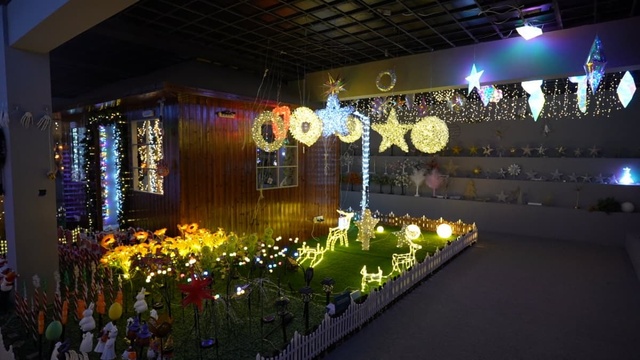
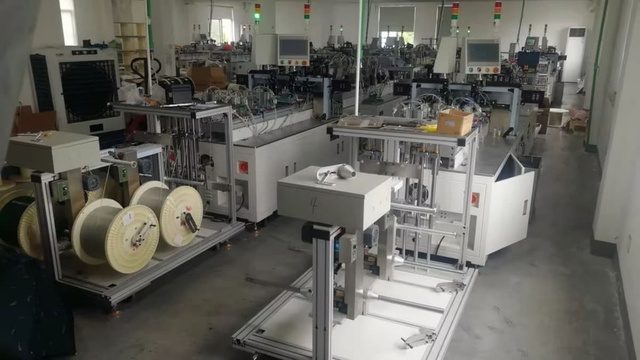
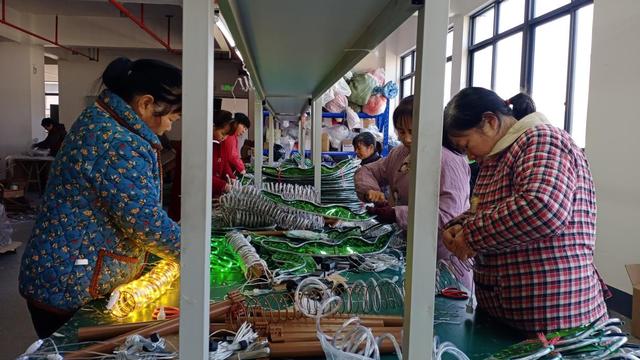
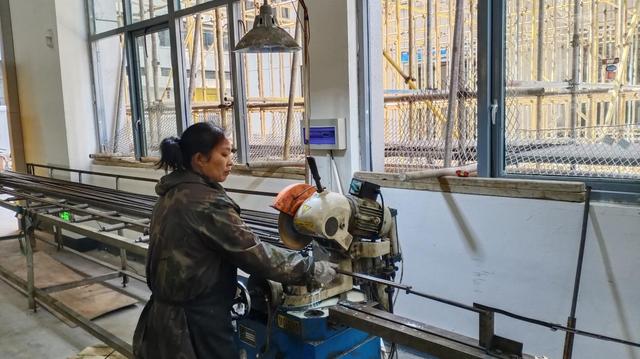
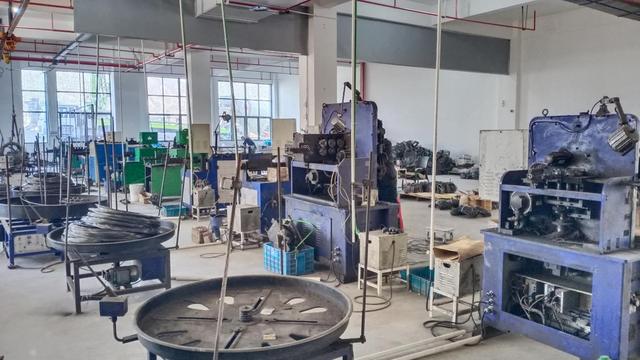
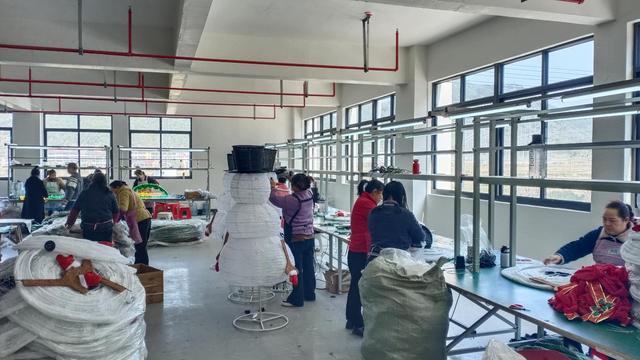
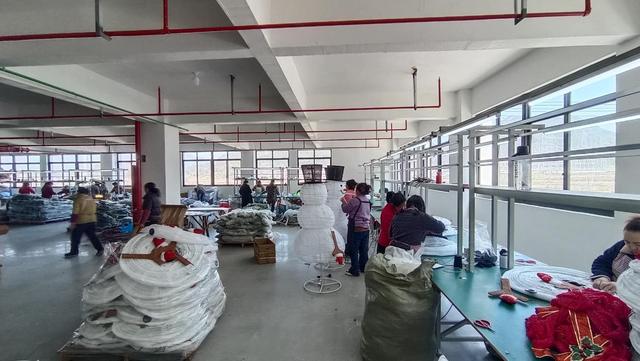
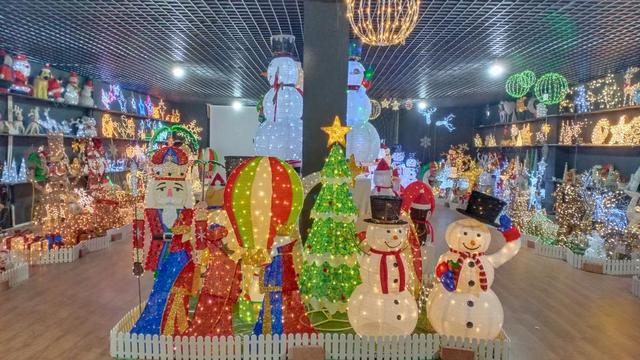
The manufacturing paradigms of the past—reliant on low-cost, manual assembly—have evolved. Modern competitiveness requires Factory 4.0 principles. In Ningbo's industrial cluster, factories leverage integrated ERP-driven material scheduling, automated CNC machining, computerized powder coating, and automatic testing. This digital thread ensures that the dimensional, optical, and electrical properties of the first prototype are replicated perfectly in the 50,000th unit off the assembly line.
Ningbo's structural advantage lies in its dense, localized ecosystem. Component inputs—from structural extruded aluminum profiles to custom-designed optical lenses, silicon gaskets, and high-efficiency circuit boards—are sourced from specialized tier-2 suppliers located within a 50-kilometer radius. This close integration reduces transit times, minimizes freight costs, and enables rapid iteration of customized designs.
Furthermore, logistics integration directly impacts total landed costs. Being situated near the Port of Ningbo-Zhoushan, the world's busiest port by cargo throughput, provides key shipping advantages. We secure weekly space allocations, minimize drayage expenses, and bypass inland rail bottlenecks. This direct export capability reduces lead times by up to 10 days compared to inland production hubs.
This localized supply chain, combined with automated manufacturing, helps offset global inflationary pressures. Global sourcing directors benefit from highly predictable production timelines, structural pricing advantages, and flexible minimum order quantities (MOQs) that align with complex project schedules.
Bespoke lighting systems must adapt to the unique architectural and environmental conditions of their installation sites. Here is how modern fixtures solve practical spatial challenges:
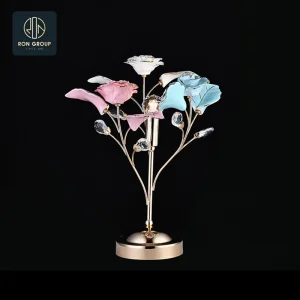
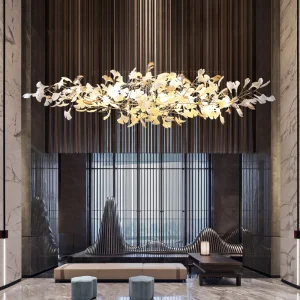
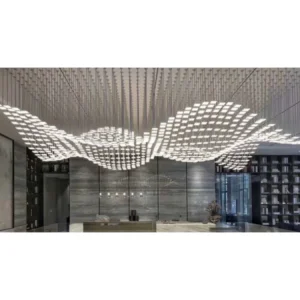
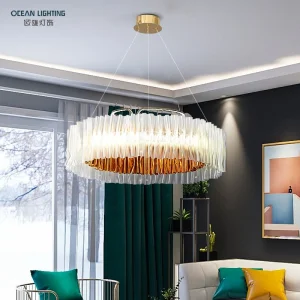
Hotel lobbies require lighting that makes a strong statement while adapting dynamically to changing light conditions throughout the day. Custom, large-scale pendant chandeliers utilizing lightweight acrylic and structured aluminum are designed to interface with automated dimming systems, shifting seamlessly from bright daylight tones to warm, ambient night modes.
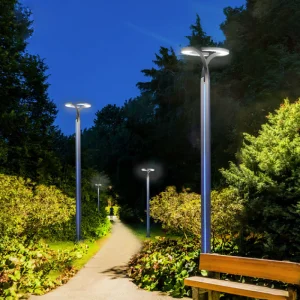
Public outdoor installations must withstand environmental challenges while maintaining structural integrity. Vintage post-modern aluminum solar LED lamps are engineered with IP66-rated moisture protection, anti-UV powder coatings, and integrated charge controllers to ensure reliable operation in coastal climates and municipal green spaces.
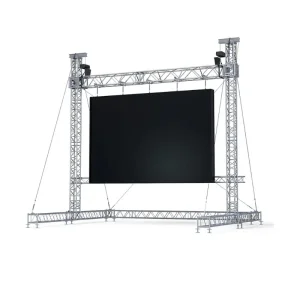
Exhibitions require highly versatile structural configurations. High-strength aluminum stage truss systems are designed to support heavy display setups and integrated LED screens. This layout offers clean cable routing and quick assembly/disassembly capabilities for temporary events or permanent gallery installations.
Gain deep technical insights into procurement protocols, manufacturing capabilities, and deployment metrics.
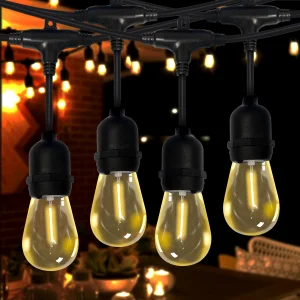
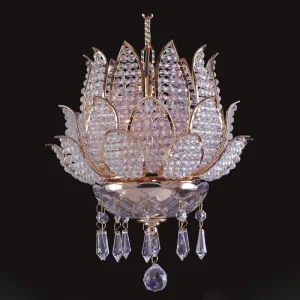
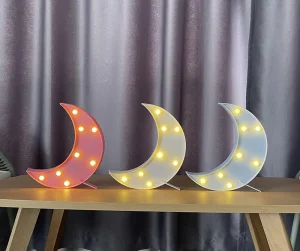
Choose from our selected specialty luminaires, designed to meet the performance and aesthetic demands of modern projects.
 Layr Light