
Exploring the engineering shifts, structural evolution, and material developments driving the next generation of architectural-grade flexible LED neon systems.
The global transition from traditional glass neon to flexible LED neon is complete, but the technology continues to mature. As OEMs and ODMs target high-end architectural and commercial facade implementations, the technical requirements have moved beyond basic visual replication to precision structural performance, color fidelity, and intelligent system integration.
The choice of encapsulation polymer determines the lifespan, weatherability, and optical transmission of flexible neon. Historically, Polyvinyl Chloride (PVC) served as the primary matrix material due to its low cost and ease of processing. However, PVC suffers from rapid UV degradation, turning yellow and brittle when exposed to sunlight, and is prone to cracking in temperatures below freezing.
Modern architectural projects specify Solid Silicone Co-extrusion technology. High-grade optical silicone offers unmatched thermal stability (-50°C to 150°C), UV resistance, and chemical inertness. Advanced co-extrusion integrates a reflective base layer, a highly diffusing emission layer, and structural reinforcement elements into a single continuous profile. This eliminates internal air gaps, prevents moisture ingress, and guarantees uniform light output without spotting or color shifting over years of operation.
SEO Insight & Information Gain: For specifiers and lighting designers, the total cost of ownership (TCO) is heavily dependent on maintenance cycles. Solid silicone neon systems significantly reduce failures caused by environmental weathering, rendering them the industry-preferred standard for marine environments and extreme climates.
Standard SMD (Surface Mounted Device) LEDs historically created minor hot-spots unless combined with deep extrusion channels. The roadmap for architectural linear design points towards Chip-on-Board (COB) neon flex configurations. By placing the LED dies directly onto the flexible PCB substrate and encapsulating them with phosphor-doped silicone, COB allows for continuous, dot-free lighting profiles with bending radiuses as narrow as 10mm. This miniaturization enables seamless integration into joinery, millwork, and facade niches where space is extremely limited.
Dynamic lighting demands control mechanisms that go beyond simple triac dimming. Enterprise projects require digital integration:
| Parameters | Standard PVC LED Neon | Solid Silicone LED Neon (OEM) | COB Architectural Neon Flex |
|---|---|---|---|
| UV Resistance | Poor (Yellows in 12-18 months) | Excellent (No yellowing 10+ years) | Excellent (High-grade optical silicone) |
| Min. Bend Radius | 50mm - 80mm | 30mm - 50mm | 10mm - 20mm |
| Working Temp. Range | -15°C to 45°C | -50°C to 150°C | -40°C to 65°C |
| Light Output / Uniformity | Moderate (Visible micro-dots) | High (Perfect diffusion) | Ultra-High (Seamless line of light) |
| IP Rating Options | IP65 (Splashproof) | IP67 / IP68 (Fully Waterproof) | IP67 / IP68 (Dual extrusion seal) |
A trusted global ODM/OEM decorative and architectural lighting manufacturer based in Ningbo, China.
Ningbo Layr Light Co., Ltd. is a professional decorative lighting manufacturer specializing in custom LED lighting, architectural lighting systems, and smart lighting solutions for residential, commercial, hospitality, and public-space applications. Established in 2013, the company is strategically located in Ningbo, Zhejiang Province, China, a major manufacturing and export hub with direct, convenient access to international deepwater shipping networks, particularly the Port of Ningbo-Zhoushan.
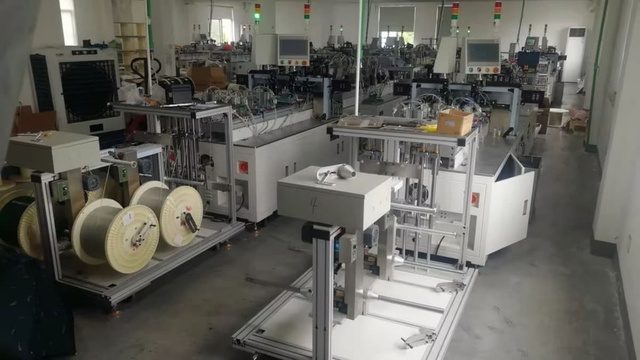
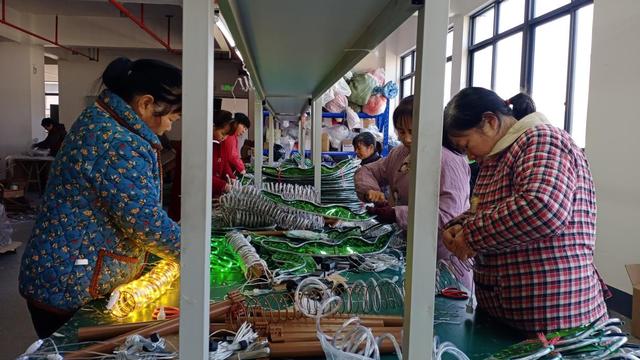
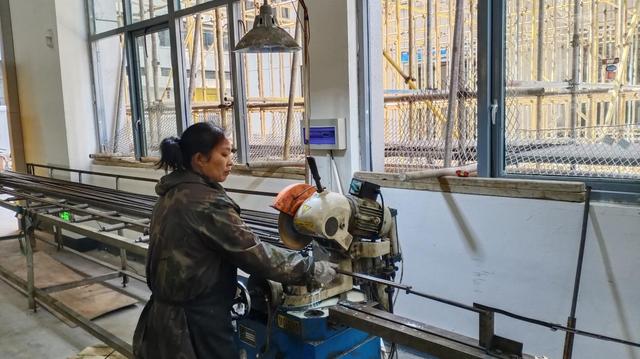
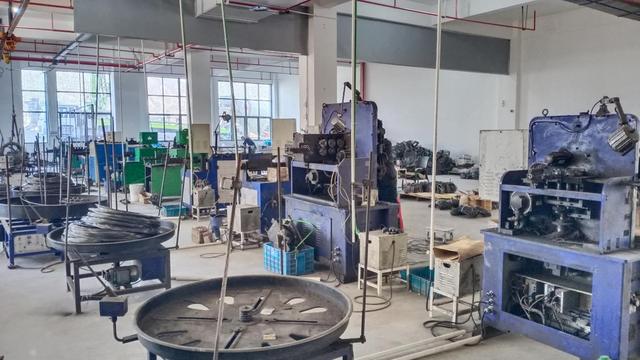
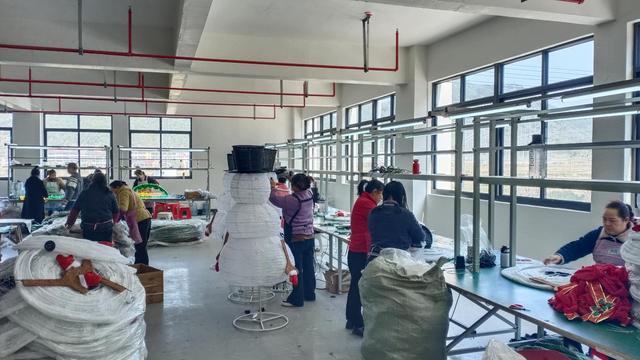
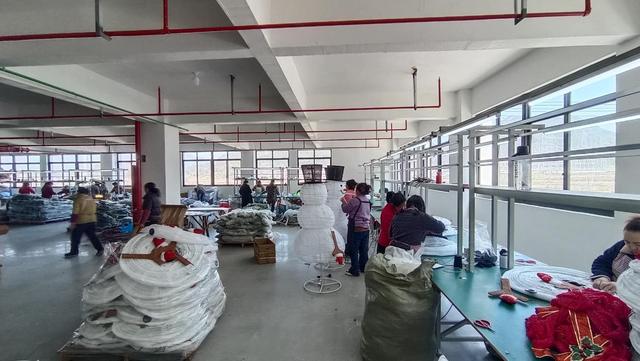
With a modern manufacturing facility covering more than 15,000 square meters and a dedicated workforce of over 220 experienced engineers, designers, and technicians, Layr Light integrates product design, structural engineering, tooling, production, quality management, and global sales operations. Our advanced production lines utilize state-of-the-art extrusion and testing equipment to ensure reliable performance, high energy efficiency, and compliance with stringent international quality standards.
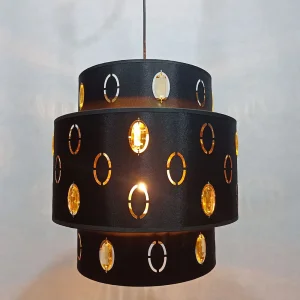
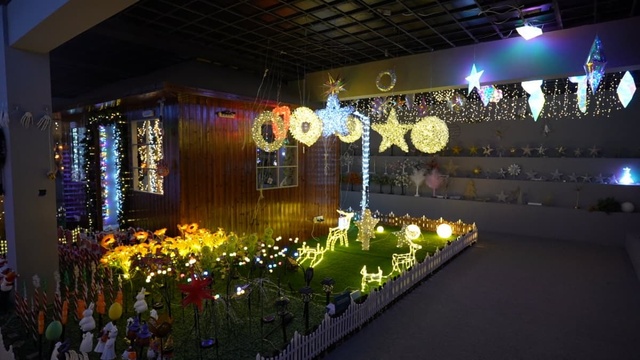
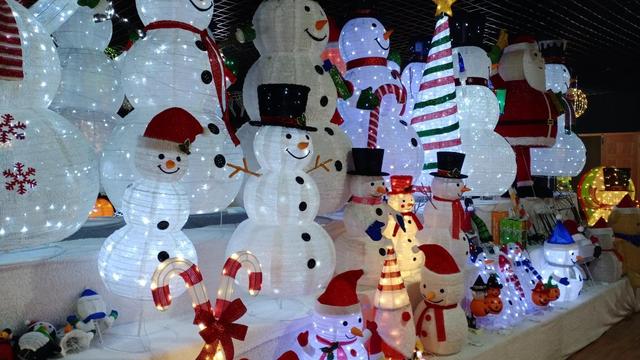
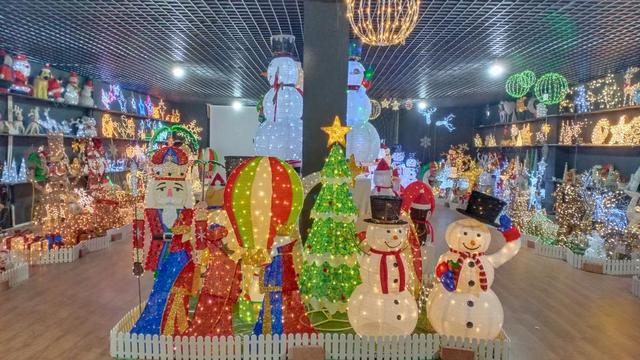
Layr Light offers a diverse portfolio of decorative lighting products and customized solutions, including architectural lighting fixtures, smart lighting systems, indoor decorative lighting, outdoor landscape lighting, hospitality lighting, commercial lighting, and project-based custom lighting designs. The company continuously invests in LED technology, intelligent control systems, and innovative design capabilities to meet the evolving needs of architects, designers, contractors, and brand owners worldwide.
As a trusted OEM and ODM manufacturing partner, Layr Light provides comprehensive customization services, including product development, private labeling, lighting project support, packaging design, and technical consultation. Its products are exported to North America, Europe, the Middle East, Southeast Asia, Australia, and other international markets.
How modern production methods and Ningbo's global shipping network drive manufacturing excellence.
The manufacturing infrastructure in China has transitioned from high-volume assembly to advanced automation and smart supply chain management. Ningbo Layr Light Co., Ltd. embodies this Factory 4.0 shift, which is crucial for international buyers seeking stable lead times, cost efficiency, and consistent material quality.
Modern production facilities utilize automated optical inspection (AOI) systems that monitor PCB component placement, solder paste application, and diode spacing. For neon flexible extrusion, online laser diameter measuring devices ensure that the cross-sectional geometry of the silicone extrusion remains within a tolerance of ±0.2mm. Any deviation results in an immediate correction feedback loop to the extrusion speed, preventing optical anomalies along the length of the product.
Ningbo's localized supply chain ecosystem is a key structural advantage. Raw silicone, high-reliability LED chips (such as Epistar or San'an), double-sided flexible copper PCBs, and specialized driver chipsets are sourced within a 50-kilometer radius of our Ningbo facility. This localized cluster minimizes lead times, cushions the factory against macroeconomic supply shocks, and allows for close quality control over raw materials before they enter the production floor.
3D CAD design combined with rapid tooling creation allows us to provide custom extrusion samples within 7-10 working days.
Integrating sphere testing and goniophotometer diagnostics produce accurate IES files for professional lighting design planning.
Proximity to Ningbo Port enables efficient ocean freight booking, customs clearance, and reduced land transport times.
Translating lighting technology into real-world business growth across diverse industries.
Commercial lighting demands vary significantly by sector. As a focused ODM/OEM manufacturer, we tailor our solutions to meet the specific requirements of each application:
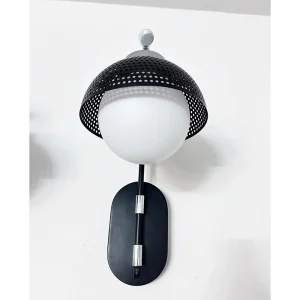
Hotels, resorts, and premium restaurants rely on ambient, warm, and highly customizable lighting to define their brand experience. Our custom wall lights and dimmable neon options support low-glare, flicker-free dimming down to 0.1% using DALI and TRIAC drivers. Maintaining a high color rendering index (CRI >90) ensures that interior textures, food presentation, and human skin tones appear natural and inviting.
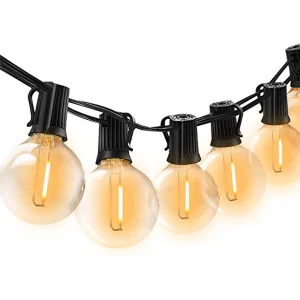
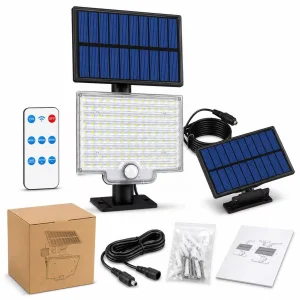
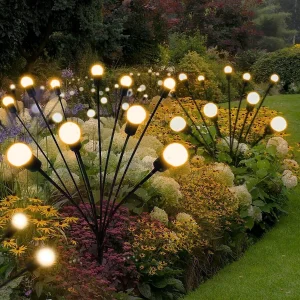
Outdoor projects face harsh environmental degradation. Waterproof LED string lights, IP65 garden fixtures, and heavy-duty silicone neon flex are tested extensively to withstand UV exposure, salt air corrosion, and heavy rain. Solid-extrusion silicone remains flexible and crack-resistant over years of direct exposure, significantly lowering replacement and maintenance costs for property owners.
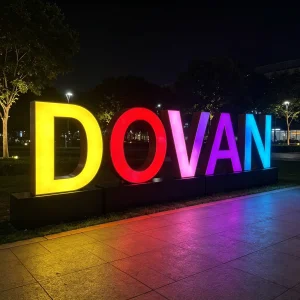
From 3D programmable RGB channel letters to architectural accents on modern building envelopes, lighting is a core branding tool. We provide design firms with custom lengths, exact color matching, and digital pixel mapping services, allowing corporate identities to be rendered accurately in vibrant light.
Ensuring smooth market entry and regulatory peace of mind for global distribution networks.
Navigating the shifting regulatory landscape is one of the biggest challenges for importers. Ningbo Layr Light Co., Ltd. ensures all customized and standard products comply with global certification requirements before leaving the factory.
Our products carry certifications such as UL, cUL (for North America), CE, RoHS, and UKCA (for Europe and the UK). For architectural and landscape applications, compliance with IP67 and IP68 waterproof ratings is verified in-house via pressurized water immersion testing tanks. We also provide LM-79 and LM-80 test reports for our LED chips, ensuring compliance with energy efficiency frameworks such as ErP in Europe and Energy Star in the United States.
To support local distributors and contractors, we offer:
Expert answers to critical engineering, installation, and procurement questions.
Silicone LED Neon Flex utilizes optical-grade silicone, providing superior resistance to UV yellowing, chemical corrosion, and extreme temperatures (-50°C to 150°C). It offers better light transmittance, higher flexibility, and maintains its physical properties over a longer lifespan than PVC, which typically degrades and yellows within 12-18 months of outdoor exposure.
Yes, most of our ODM/OEM neon lights feature designated cut marks. However, field-cutting requires proper resealing with specialized end-caps and IP67/IP68 silicone adhesive to maintain waterproof integrity. For critical architectural and wet-location projects, we recommend ordering pre-cut, factory-sealed lengths with integrated power feeds.
Initial design approval and 3D modeling take 3-5 days. If a custom extrusion die is required, tooling fabrication takes 10-15 days, followed by sample verification. Once the pre-production sample is approved, bulk production typically ranges between 25 and 35 days, depending on order volume and components sourcing.
We practice strict MacAdam Ellipse (SDCM) control. Our standard architectural products are binned within a 3-step MacAdam ellipse, ensuring that any variation in color temperature is imperceptible to the human eye, even when modules from different production batches are installed adjacent to one another.
Our smart lighting solutions support a wide range of control protocols, including DMX512, RDM, DALI-2 (Device Type 8 for color tuning), 0-10V analog dimming, and wireless options such as Zigbee, Wi-Fi, and Bluetooth Mesh to interface smoothly with commercial building management systems (BMS).
 Layr Light