The global market for advanced lighting architectures is undergoing a structural transition. Driven by strict regional energy efficiency policies (such as the EU's Ecodesign Directive and Title 24 in California), architectural projects, hotels, and municipal administrations are rapidly phasing out legacy illumination technologies. In their place, highly integrated, low-latency, and smart-controlled lighting architectures have emerged as standard infrastructure.
Historically, portable and decorative lighting was treated purely as aesthetic assets. In the modern landscape, these structures are critical components of spatial utility and energy conservation. By integrating state-of-the-art solid-state electronics (LEDs) with IoT control layers (such as Zigbee, Matter, and DMX512 protocols), manufacturers are resolving key bottlenecks in hospitality, commercial offices, and civic spaces. The industrial demand is no longer limited to high luminous efficacy; it focuses on long-term photometric stability, precise color rendering indexes (CRI ≥ 95, R9 ≥ 80), and robust architectural integrity.
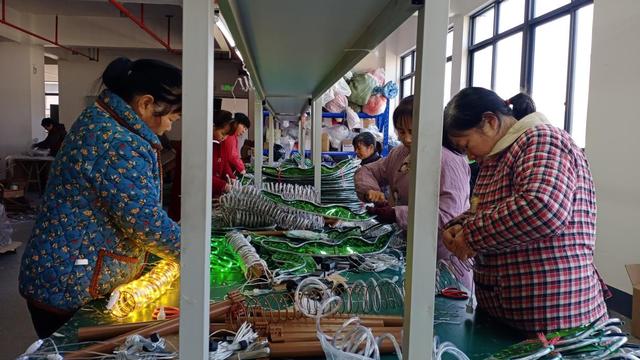
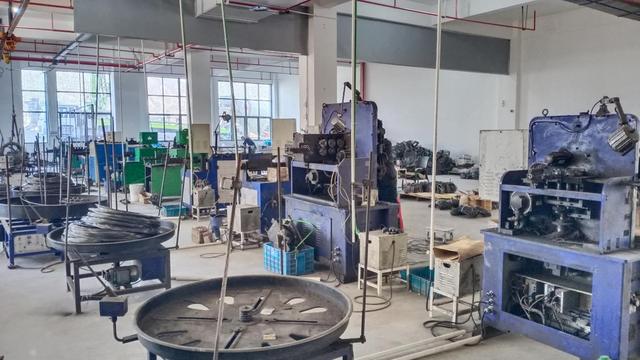
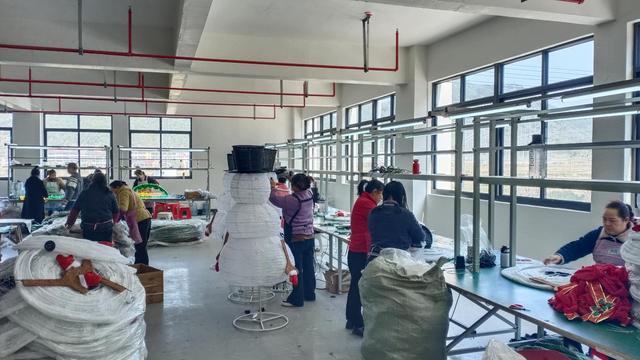
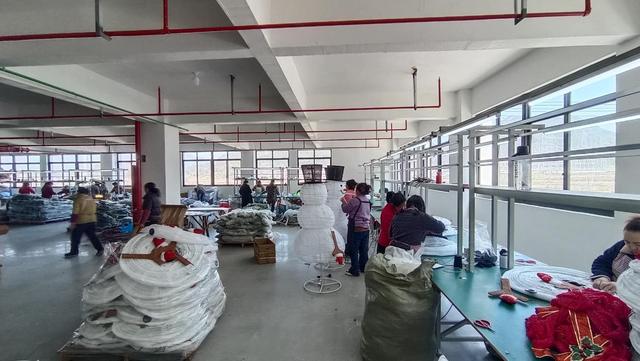
Established in 2013, Ningbo Layr Light Co., Ltd. represents the pinnacle of modern, high-precision industrial production in the decorative and structural lighting sectors. Centered in Zhejiang Province, China, our advanced facility spans over 15,000 square meters and houses a workforce of over 220 highly experienced specialists. By managing the entire value chain—from initial optics design, custom tooling, and structural engineering to thermal simulations and microelectronics assembly—we dramatically reduce time-to-market for OEM and ODM projects.
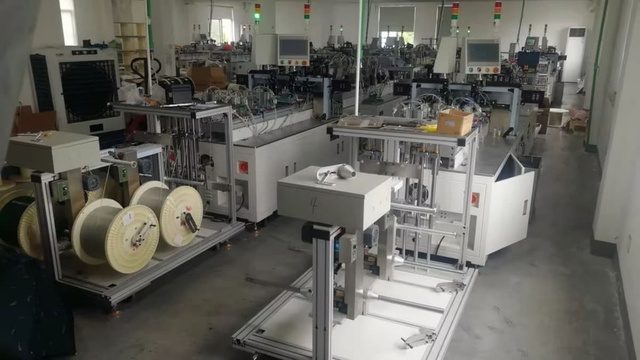
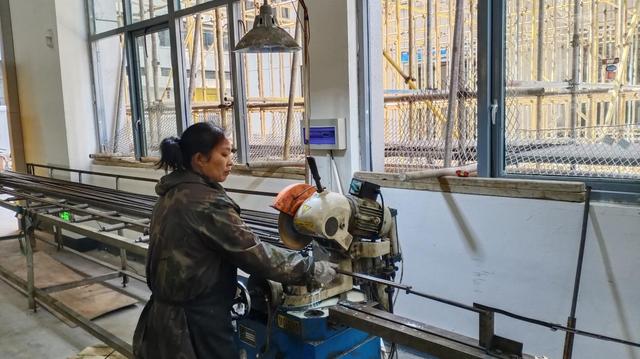
Ningbo's position as a premier global maritime logistics and supply chain hub allows us to secure raw materials with minimal transit friction. Layr Light integrates vertically, leveraging in-house CNC machining centers, automated high-throughput SMT (Surface Mount Technology) assembly lines, and specialized cleanroom spaces for delicate optical encapsulation. For international buyers, this equates to shorter manufacturing cycles, tight control over material quality, and rapid prototyping capabilities that outpace competitors in Western Europe and North America.
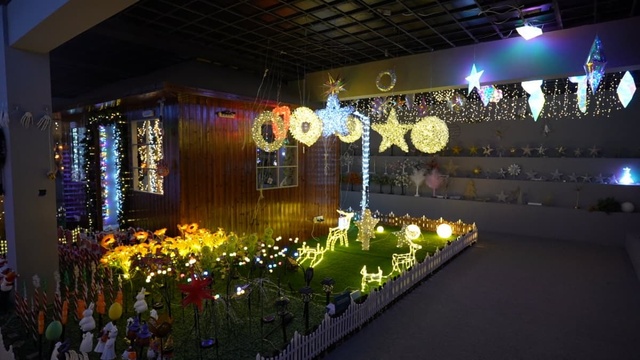
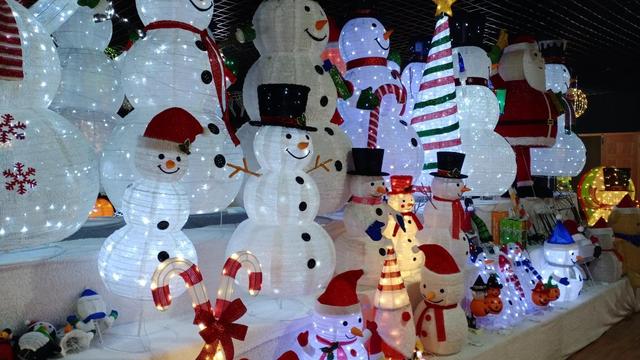
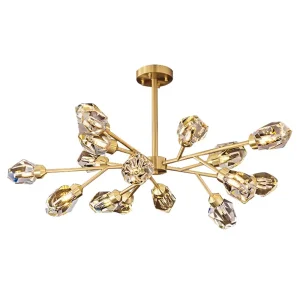
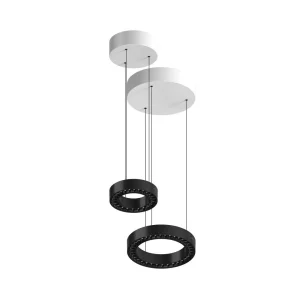
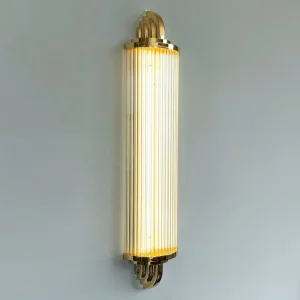
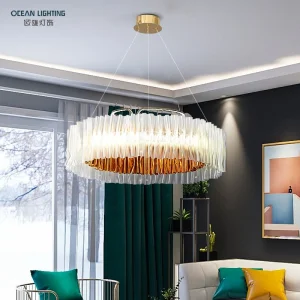
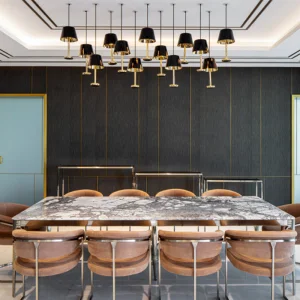
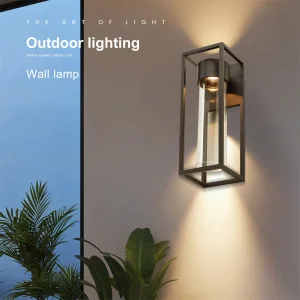
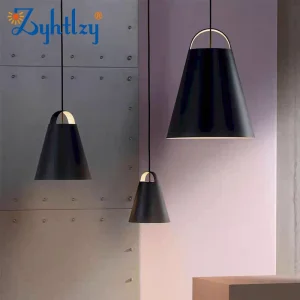
High-end public spaces require custom pendant structures, architectural wall lamps, and subtle, low-voltage accent lighting that sync seamlessly with building management systems. Color rendering index (CRI) consistency and dimming curves (100% down to 0.1%) are critical to maintaining the premium spatial ambiance expected by luxury operators.
Office complexes and corporate headquarters leverage low-voltage linear LED extrusions, glare-reduced architectural fixtures, and smart track systems. These layouts optimize employee comfort while lowering energy footprints, helping corporations secure LEED and WELL environmental certifications.
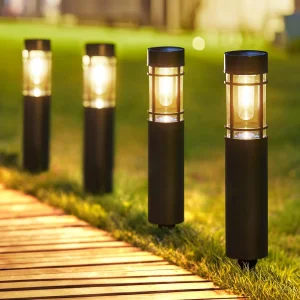
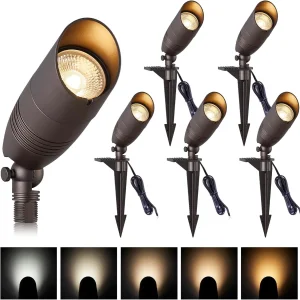
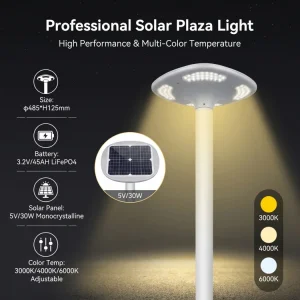
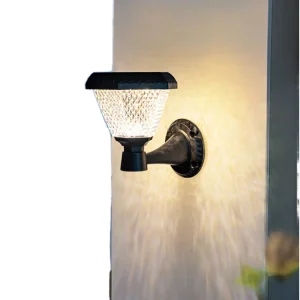
Civic pathways, public plazas, and residential landscapes demand IP65 to IP68 rating certifications. Integrating monocrystalline solar components, heavy-duty marine-grade aluminum housing, and highly efficient micro-charge controllers ensures durability against intense UV exposure, corrosive marine salt, and sub-zero temperatures.
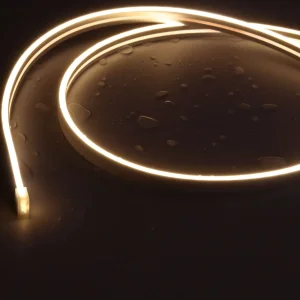
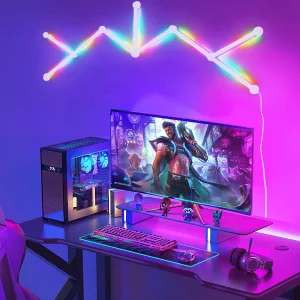
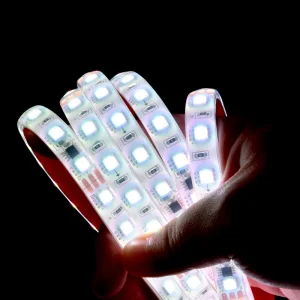
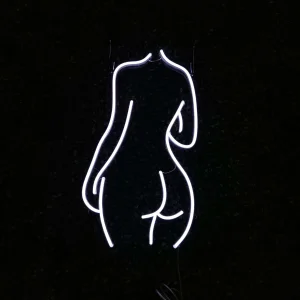
Modern residences integrate flexible neon glow tubes, modular wall-mounted RGBIC lighting, and smart strip kits connected directly to local smart home hubs. The design prioritizes easy setup, seamless wireless pairing, and dynamic audio-reactive control loops to meet the lifestyle expectations of contemporary consumers.
The lighting sector is advancing far beyond basic illumination. Current engineering trends center around Human-Centric Lighting (HCL), which aligns artificial lighting spectra with natural human circadian rhythms. This requires multi-channel LED drivers capable of mixing warm and cool white light while maintaining consistent lumen output and chromaticity coordinates.
Furthermore, integration with sustainable networks is prompting developers to optimize energy harvesting. Monocrystalline solar silicon, combined with robust lithium iron phosphate (LiFePO4) storage, provides reliable off-grid capabilities for urban planning and municipal parks. In tandem with smart power conversion and PIR occupancy sensors, modern outdoor installations can operate autonomously for days without grid connectivity.
Dynamic Kelvin modulation (1800K - 6500K) to synchronize artificial light with biological health indicators, ideal for modern office and hotel suites.
Power conversion designs yielding >92% efficiency ratings with active power factor correction (PFC) and minimized total harmonic distortion.
Broad support across Matter, Zigbee, DALI-2, and Bluetooth Mesh ecosystems, enabling easy integration with enterprise building management systems.
Enterprise procurement in the LED space demands compliance with regional regulatory landscapes. To safeguard against liability and ensure long lifecycle runtimes, commercial clients prioritize key standard benchmarks:
At Ningbo Layr Light Co., Ltd., we run complete internal QA verifications inside specialized testing labs, verifying thermal profiles, color metrics, and waterproofing integrity before shipping.
Typically, custom prototype tooling takes 15 to 25 working days depending on mechanical complexity. Upon visual and functional prototype sign-off, bulk production runs require 30 to 45 days. We optimize this timeline through vertically integrated tooling facilities and in-house SMT components assembly.
We source premium LED dies with strict MacAdam Ellipse binning (3-Step or 5-Step MacAdam control). This ensures that variation in color temperature is imperceptible to the human eye, maintaining uniformity across multi-floor commercial buildings and landscape phases.
Yes. Our landscape lighting lines use high-grade 6063 anodized aluminum, passivated stainless steel hardware, and specialized powder coatings. These components undergo extensive salt-spray testing to guarantee long-term corrosion resistance in high-humidity coastal zones.
We provide comprehensive testing documentation, including complete IES files, goniophotometer results, LM-79 testing data, IP ingress verification, and CE/UL test files to streamline lighting designs inside DIALux or similar visual design systems.
We use energy-efficient machinery throughout our 15,000-square-meter facility, prioritize recyclable packaging, and use lead-free SMT processes that align with environmental standards like RoHS and REACH.
 Layr Light