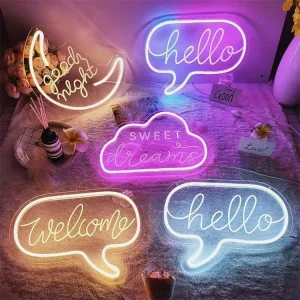
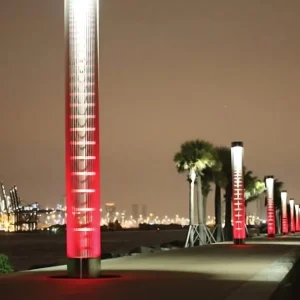
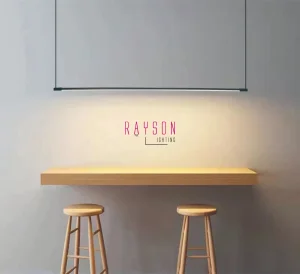
Explore our premium range of custom space-saving, decorative, and architectural lights designed to integrate seamlessly into structural envelopes.
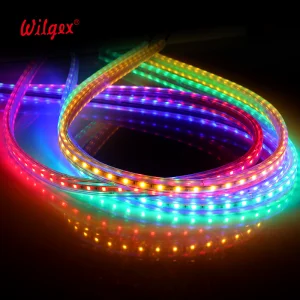
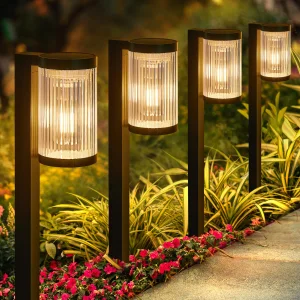
Analyzing micro-architectural integration, thermal efficiency constraints, and structural layouts for global procurement.
In modern commercial, residential, and hospitality designs, space has transitioned into a highly valued premium. Architects and lighting designers are constantly challenged to minimize the physical footprints of luminaire units while maintaining or increasing lumen density and color fidelity. This push has led to the development of space-saving lighting designs. These systems are not merely smaller fixtures; they represent engineered balances of thermodynamic dissipation, ultra-compact optical lenses, and driver miniaturization. Ningbo Layr Light Co., Ltd. operates at the core of this engineering evolution, supplying tailored OEM and ODM solutions to clients globally.
Standard architectural approaches once relied on bulky housings and deep ceiling recesses. However, modern structures require shallow-recessed fixtures, ultra-thin flexible profiles, and modular systems that integrate directly into drywall, millwork, and exterior facades. Achieving high-output illumination from low-profile form factors requires premium materials (such as aviation-grade 6063 aluminum extrusions) and advanced thermal management strategies to prevent structural heat build-up and ensure prolonged LED lifespan.
Designing space-saving luminaires requires resolving three primary engineering challenges:
Partnering with a dedicated OEM/ODM manufacturer in Ningbo unlocks access to key cost structures, engineering resources, and logistics links.
We build our space-saving luminaires to meet international safety and performance standards. Through certified components and verified materials, we ensure compliance with UL, CE, RoHS, UKCA, and SAA. This helps buyers avoid customs delays and ensures safe integration into public and commercial projects.
Located in the heart of Ningbo, Zhejiang Province, our 15,000-square-meter facility benefits from the region's raw material access and advanced manufacturing base. Direct access to Ningbo Port ensures competitive shipping rates, reduced transit times, and streamlined custom-clearance procedures.
From initial photometrical modeling and CAD prototyping to housing extrusion, surface finishing, and custom packaging design, our team handles the entire development lifecycle. We customize driver specifications, beam angles, high CRI configurations (Ra>90), and smart controls for your project needs.
The space-saving lighting industry is moving rapidly toward smart system integration. Modern fixtures must do more than just turn on; they need to communicate with building automation systems. Today's commercial and hospitality projects rely on protocols such as DALI-2, Casambi, Zigbee, and Wi-Fi. This allows for scheduled dimming, daylight harvesting, and dynamic color temperature changes (from warm 2700K to cool 6500K).
Human-Centric Lighting (HCL) aims to sync indoor lighting with our natural biological rhythms. This approach requires precise optical control and smooth color mixing, using high-density LED arrangements to avoid visible color separation. By integrating smart controllers into compact housings, designers can create comfortable indoor spaces without sacrificing valuable real estate.
For procurement officers, contractors, and brand owners, buying custom lighting from international manufacturers requires confidence in supply chain transparency, production capacity, and quality control. At Layr Light, we address these challenges directly:
Our 15,000-square-meter facility in Ningbo houses advanced production machinery, rigorous testing environments, and assembly lines.
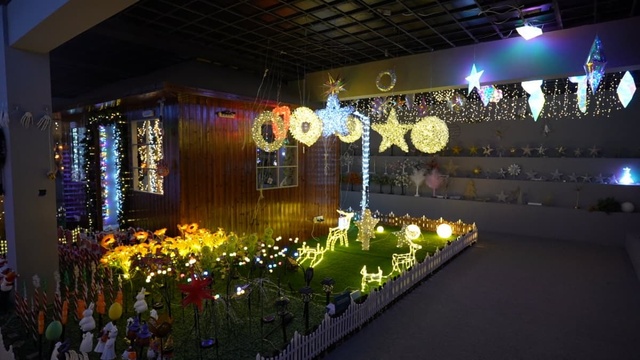
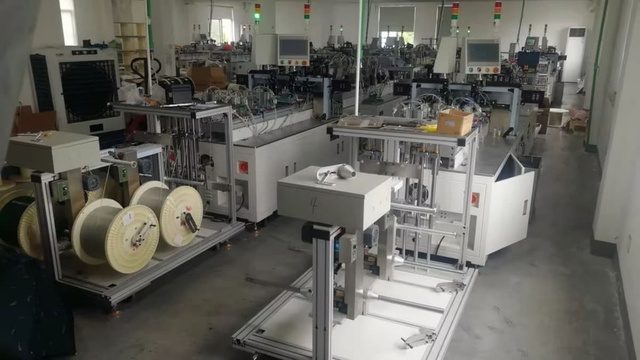
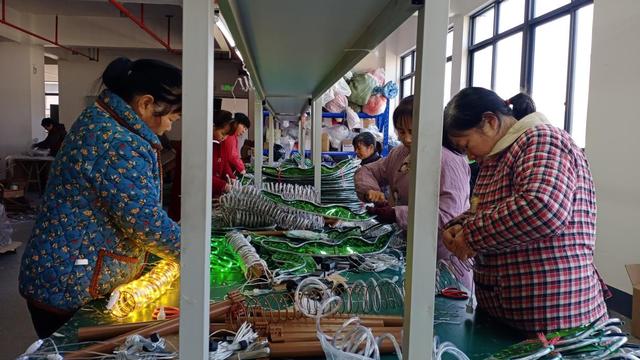
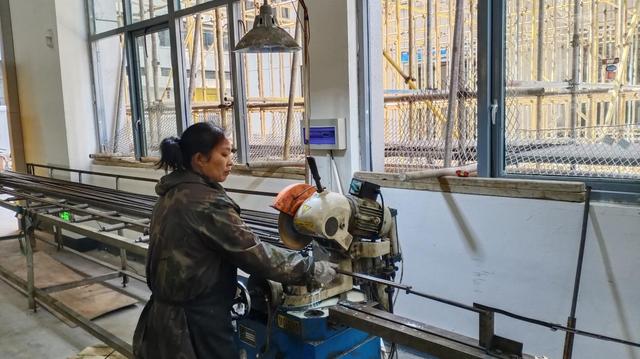
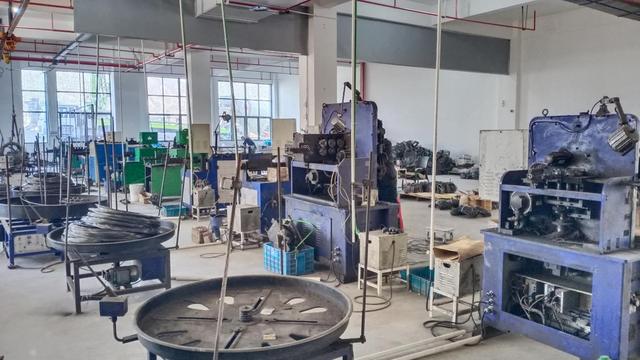
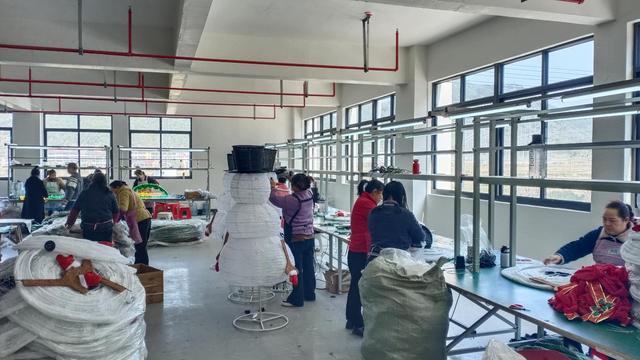
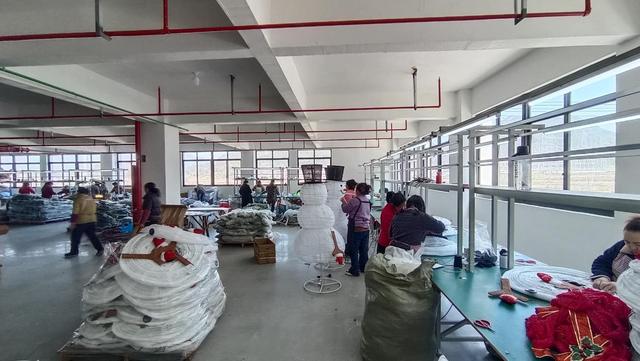
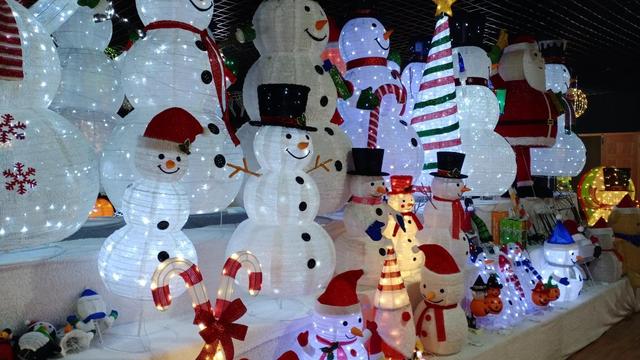
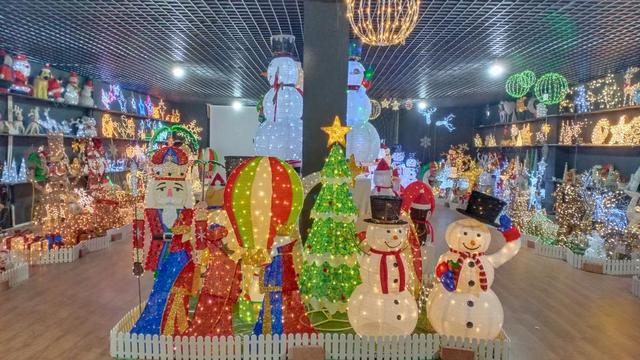
How space-saving designs resolve architectural lighting challenges across diverse environments.
Modern hotels often feature compact guestrooms that require indirect, ambient lighting to create a welcoming atmosphere. Our ultra-thin flexible strip profiles and small cove lights recess easily into drop ceilings and headboard panels, maximizing room space while delivering high color rendering index (CRI > 90) illumination.
In retail displays, the lighting system must remain hidden to keep the focus entirely on the merchandise. Our micro-linear LED profiles tuck neatly into shelf corners, cabinet edges, and display units. This delivers high-intensity light without distracting glare or taking up valuable product space.
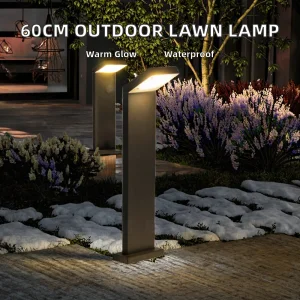
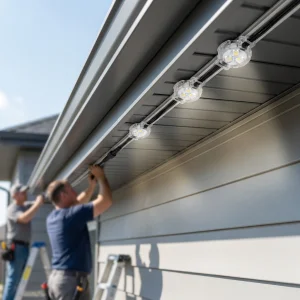
Exterior illumination requires rugged, weather-resistant fixtures that blend into the building's architecture during the day. By using compact, high-IP-rated fixtures, designers can create accent lighting and structural highlights without disrupting clean building facades.
Answering common questions from engineers, buyers, and project planners regarding custom space-saving luminaires.
Explore additional compact fixtures, decorative luminaires, and smart systems engineered for residential and commercial spaces.
 Layr Light