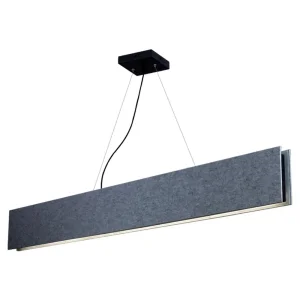
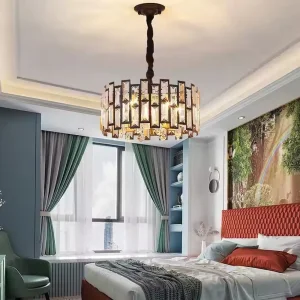
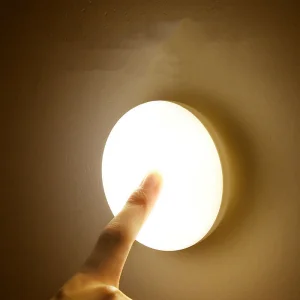
Explore our latest manufacturing releases including smart controls, custom configurations, and specialized commercial architectures.
Established in 2013 in Ningbo, Zhejiang Province, China, Ningbo Layr Light Co., Ltd. is a leading enterprise specializing in architectural LED fixtures, custom lighting systems, and integrated cabinet illumination. Positioned in a premier global deepwater port hub, Layr Light provides direct access to streamlined international shipping lanes, driving down transit overheads for global distributors.
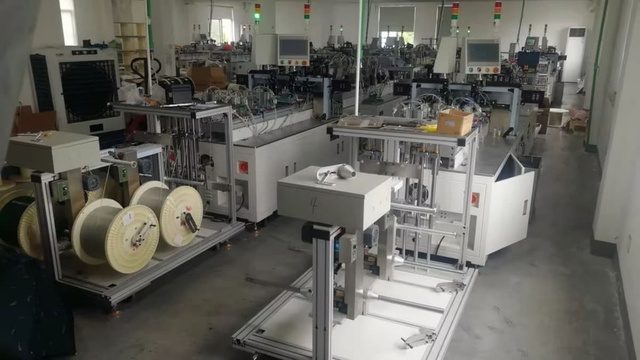
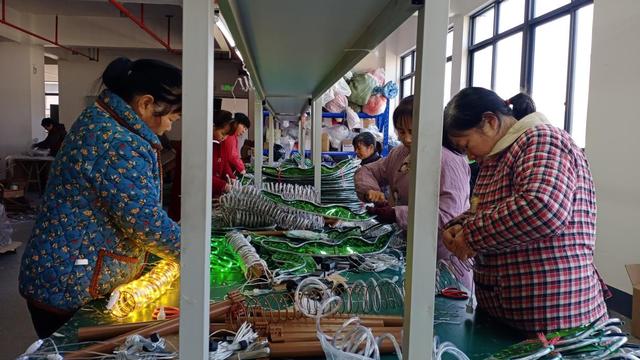
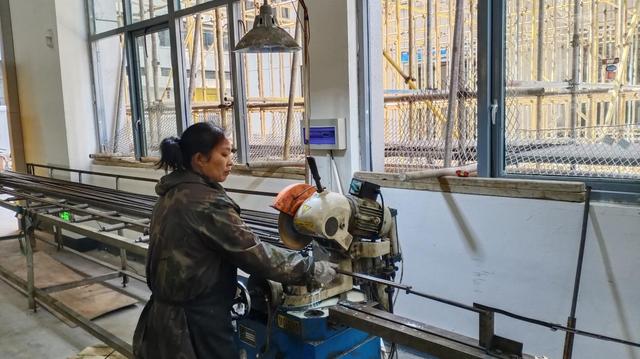
Our infrastructure encompasses over 15,000 square meters of state-of-the-art production environments manned by over 220 highly trained specialists. We integrate every stage of product realization in-house: from initial photometric simulations and CAD layouts to tooling, mechanical engineering, automated SMT board mounting, final assembly, and strict ISO9001 quality audits.
An authoritative analysis of under-cabinet illumination, market trajectories, and technological criteria shaping global specifications.
Delivering focused, high-CRI (Color Rendering Index) glare-free light downward onto working counters, removing shadows caused by overhead fixtures, and reducing physical eye strain during detailed tasks.
Accentuating premium horizontal surfaces such as quartz, marble, and hardwood. By washing backsplashes with soft, continuous color-accurate light, it adds layers of depth and luxury to interior environments.
Supporting biological circadian rhythms by utilizing Tunable White (CCT) profiles. Brighter, cooler tones in the morning promote alertness, while warm, dim light in the evening helps the body prepare for rest.
A key challenge in under-cabinet luminaire engineering is preventing "pixelation" or visible hot spots reflected on shiny stone countertops (like polished granite or quartz). Advanced OEM/ODM factories solve this by using high-density LED tapes (often 120 to 240 LEDs per meter or COB - Chip on Board configurations) combined with curved, highly diffusing PMMA or polycarbonate lenses. This ensures a seamless, unbroken band of clean light.
Understanding the technical standards, mechanical engineering, and hardware trends driving the industry forward.
The performance of an under-cabinet light depends on its internal design. At Layr Light, our engineering process focuses on thermal management, clean power delivery, and smart control integration:
Transitioning from discrete SMD packages to continuous Chip-on-Board (COB) matrices, allowing ultra-thin profiles down to 8mm without visible LED hot spots.
Standardizing on CRI >95 and TM-30 Rf >92 / Rg >100. Incorporating dynamic CCT tuning (2200K to 6500K) to follow natural daylight cycles.
Embedding Matter over Thread wireless chips directly into the low-voltage fixtures, enabling cross-platform smart home compatibility.
How distinct commercial and residential spaces require different engineering solutions.
Kitchen spaces face challenging conditions with steam, airborne cooking oils, and water spray. OEM solutions require an IP44 or IP54 ingress protection rating, coupled with highly diffused lenses that soften the reflection on glossy stone countertops. Tactile wave-to-dim sensors are standard to allow touchless control when handling food.
Jewelry, high-end watches, and cosmetics require color-critical, high-lux illumination. These systems demand a Color Rendering Index (CRI) of R9 > 80 (vivid red rendering) and zero UV radiation to protect delicate items. Ultra-narrow aluminum extrusions are hidden within shelving units to direct all attention to the merchandise.
Hotel projects prioritize reliability, ease of maintenance, and centralized control systems (like Crestron or Lutron). Under-cabinet solutions here require universal voltage inputs (100-277V) and robust, vandal-resistant enclosures. Low-brightness nightlight modes are typically integrated to provide safe pathfinding during the night.
Streamlining complex supply chains, custom certifications, and end-to-end project execution.
Our in-house R&D engineering team evaluates client concepts to optimize thermal efficiency and reduce material waste. By modifying custom aluminum extrusions and optimizing circuit layouts before tooling begins, we help clients avoid costly design changes and shorten their time-to-market.
We maintain strict quality control to meet global standards. Our products comply with CE, RoHS, UL, ETL, and FCC requirements, ensuring smooth customs clearance and regulatory approval in key markets across North America, Europe, the Middle East, and Australia.
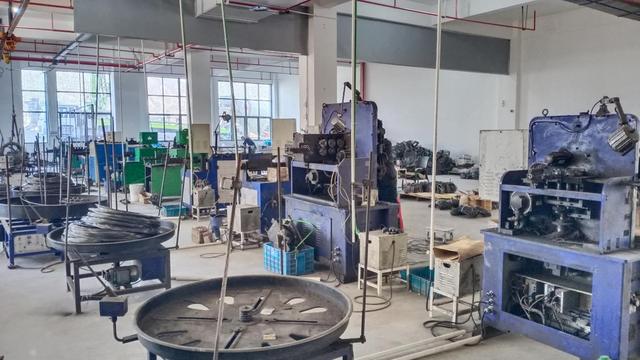
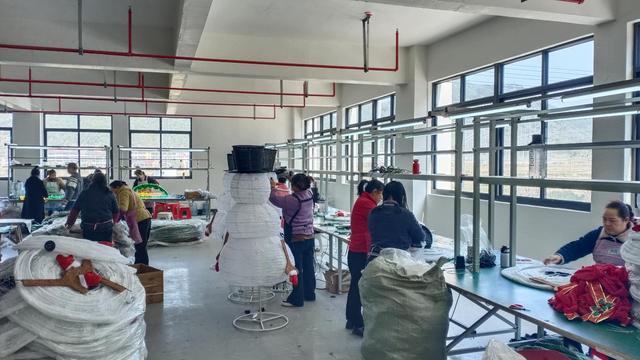
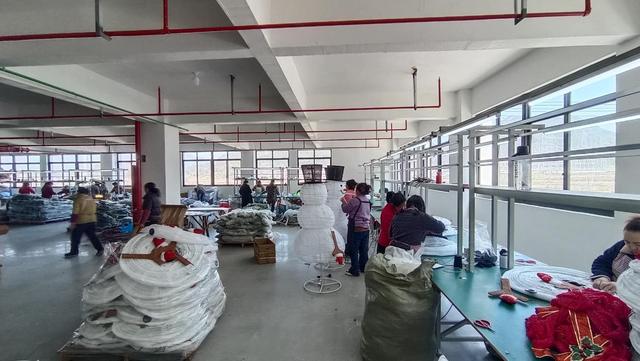
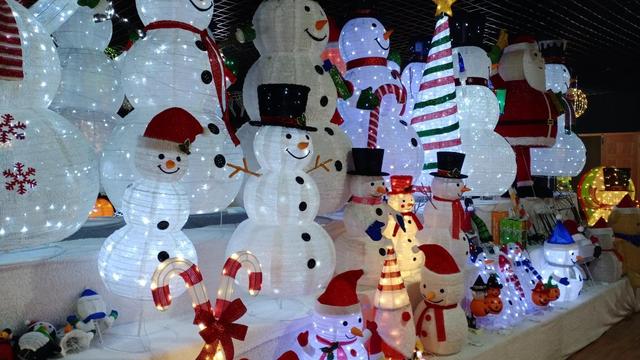
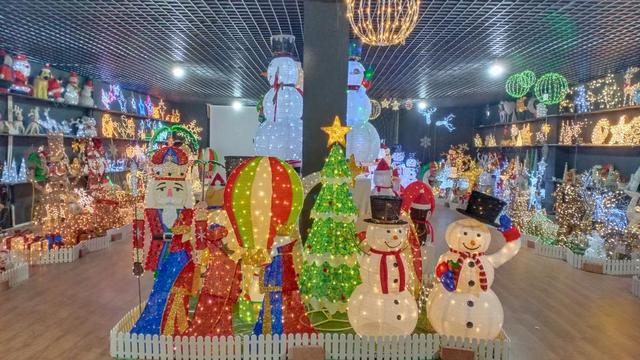
Our factory in Ningbo provides direct access to one of the world's busiest container ports. This proximity reduces domestic transit times, minimizes inland freight costs, and speeds up international shipping schedules.
Answers to technical and commercial questions about our OEM/ODM custom under-cabinet lighting services.
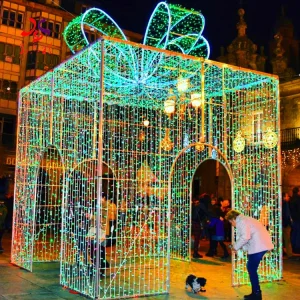
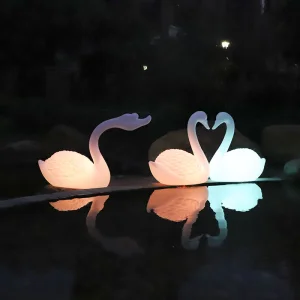
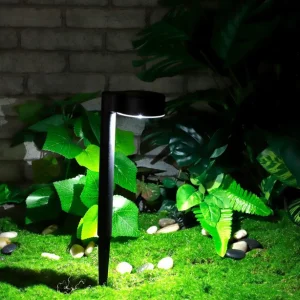
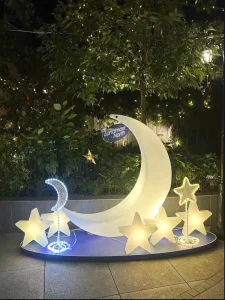
Our manufacturing capabilities extend across diverse outdoor, commercial, and custom decorative installations.
 Layr Light