Exquisite design aesthetics married to industry-leading light efficacy and integrated smart system control options.
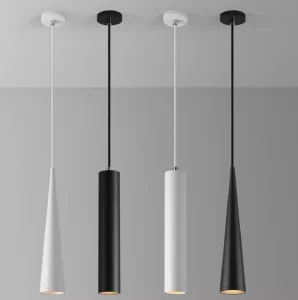
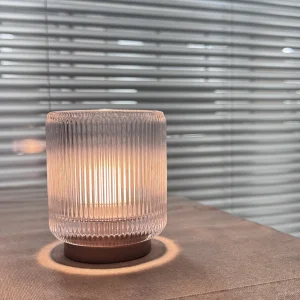
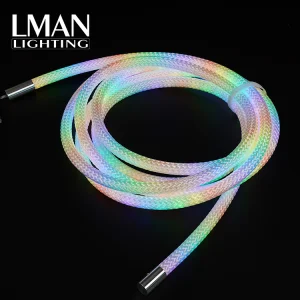
Understanding the massive transition from analog static illumination to smart, adaptive, and human-centric ambient ecosystems.
The global smart ambient lighting market has exited its infancy and entered an era of rapid technological convergence. In residential, hospitality, and commercial sectors, ambient lighting is no longer treated as a passive decorative feature. Instead, it is recognized as a vital pillar of environmental psychology, spatial branding, and energy conservation. The modern smart ambient lighting ecosystem relies on integrated solid-state lighting (SSL), advanced system-on-chip (SoC) microcontrollers, and IoT protocols that adapt to real-time inputs.
According to recent industry forecasts, the global smart lighting market is projected to reach USD 46.8 billion by 2028, growing at a CAGR of over 20.4%. Exporters and manufacturers in global manufacturing hubs are experiencing unprecedented demand for products that feature high luminous efficacy, excellent color rendering indexes (CRI > 90), and seamless interoperability. The shift from standalone controls to cloud-managed enterprise lighting networks has redefined the standards of value-add for exporters, moving them from simple hardware assembly to sophisticated systems integration.
How advanced networking protocols, chipsets, and driver topologies define performance and reliability.
Exporters must now engineer hardware compatible with multiple protocol stacks. From Matter and Thread to Zigbee 3.0, Bluetooth Mesh, and DALI-2, smart fixtures require responsive transceivers that allow local mesh clustering and low-latency response to cloud APIs.
Advanced architectural fixtures leverage multi-channel LED drivers to dynamically shift correlated color temperatures (CCT) from warm amber (1800K) to cool daylight (6500K). This replicates the natural solar cycle, promoting biophilic alignment and human productivity.
High-end ambient systems utilize deep amplitude dimming (down to 0.1%) using pulse-width modulation (PWM) rates exceeding 20kHz or hybrid constant current reduction (CCR) methods to ensure zero optical flicker, protecting human visual health and preventing camera banding.
Unifying fragmented local connections into cross-compatible Matter-over-Thread topologies. This guarantees that exported light fixtures connect out-of-the-box with Google Home, Apple HomeKit, and Amazon Alexa without proprietary bridges.
Integrating miniature proximity sensors, ambient light photodiodes, and voice processors directly into decorative luminaires. This allows local real-time lux matching and presence detection without sending sensitive video data to external servers.
Cloud-native platforms analyze occupant usage habits to autonomously write localized lighting scenes. Systems will predict demand cycles, optimize commercial energy load profiles, and adapt light quality dynamically based on regional solar inputs.
Analyzing how modern architectures utilize smart ambient solutions across different regions and functions.
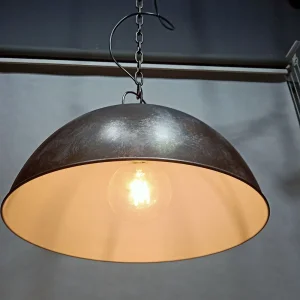
In Europe and North America, hotels rely on integrated dim-to-warm pendant installations and accent lighting interfaces in guest suites. Systems automatically shift atmospheres from active daylight down to candlelit hues, optimizing guest relaxation scores and operational savings.
Using Power over Ethernet (PoE) and DALI architectural lighting grids, offices implement Human-Centric Lighting (HCL). These systems automatically balance natural exterior illumination with interior indirect smart fixtures to reduce eye fatigue and boost worker cognitive focus.
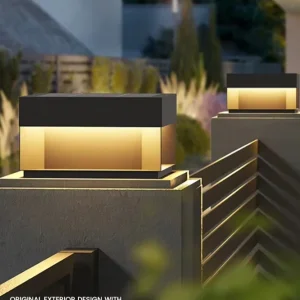
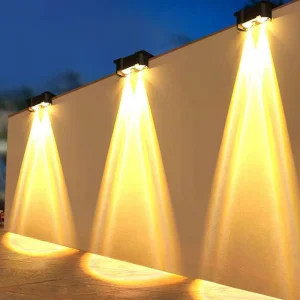
For outdoor municipal parkways, waterfront paths, and hotel garden developments, IP65-rated smart outdoor wall lamps and solar posts run custom scheduling algorithms. This minimizes urban light pollution while ensuring public safety via motion-triggered light paths.
Exhibiting unmatched competence in the field of custom LED, architectural, and smart ambient manufacturing.
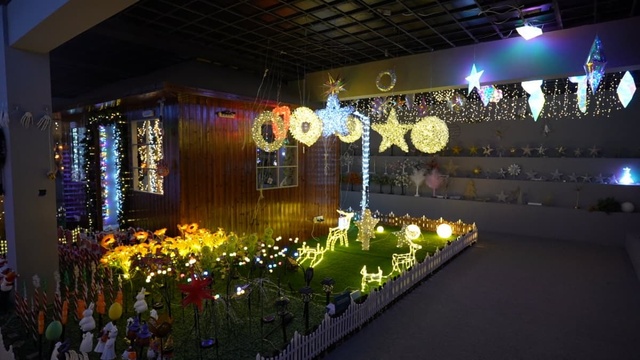
Ningbo Layr Light Co., Ltd. is a professional decorative lighting manufacturer specializing in custom LED lighting, architectural lighting systems, and smart lighting solutions for residential, commercial, hospitality, and public-space applications. Established in 2013, the company is located in Ningbo, Zhejiang Province, China, a major manufacturing and export center with convenient access to international shipping networks.
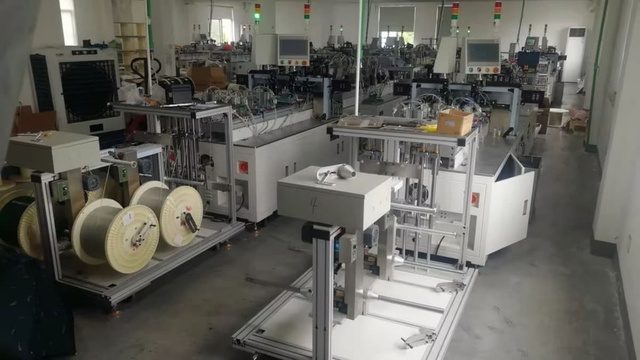
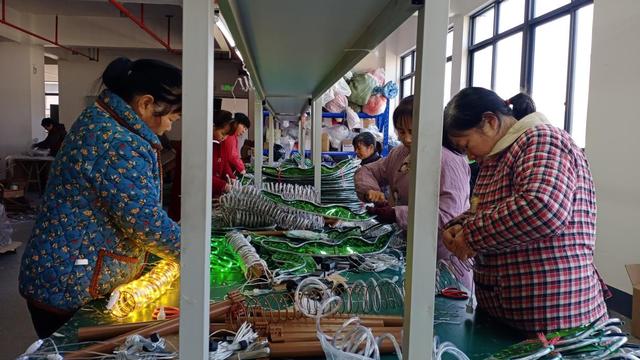
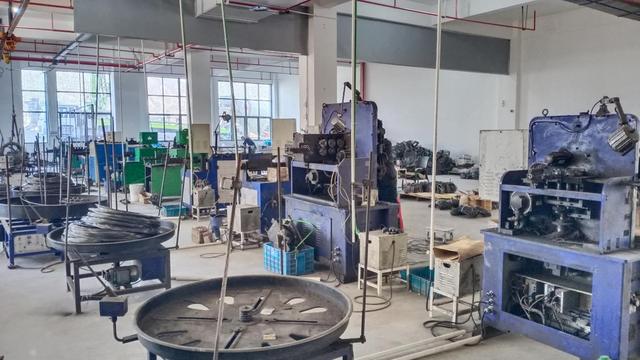
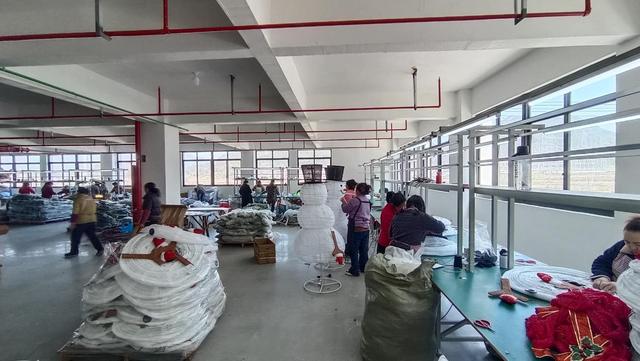
With a modern manufacturing facility covering more than 15,000 square meters and a team of over 220 experienced employees, Layr Light integrates product design, engineering, tooling, production, quality management, and global sales operations. The company operates advanced production lines and testing equipment to ensure reliable performance, energy efficiency, and compliance with international quality standards.
Layr Light offers a diverse portfolio of decorative lighting products and customized solutions, including architectural lighting fixtures, smart lighting systems, indoor decorative lighting, outdoor landscape lighting, hospitality lighting, commercial lighting, and project-based lighting designs. The company continuously invests in LED technology, intelligent control systems, and innovative design capabilities to meet the evolving needs of architects, designers, contractors, and brand owners worldwide.
As a trusted OEM and ODM manufacturing partner, Layr Light provides comprehensive customization services, including product development, private labeling, lighting project support, packaging design, and technical consultation. Its products are exported to North America, Europe, the Middle East, Southeast Asia, Australia, and other international markets.
Committed to innovation, quality, and long-term customer partnerships, Ningbo Layr Light Co., Ltd. focuses on delivering reliable decorative lighting solutions that combine aesthetics, functionality, and energy efficiency while supporting the success of customers in global lighting markets.




Essential technical milestones, compliance benchmarks, and factory audit checks for international procurement directors.
When selecting a smart ambient lighting exporter, global purchasing teams must look beyond unit cost to assess structural design integrity and digital lifecycle management. Unlike traditional lighting, smart ambient systems include a dynamic integration of electrical engineering, firmware stability, and network protocols. A robust sourcing framework must account for the following four pillars:
Verify the structural design of the LED heatsink. High-power ambient light fixtures need proper thermodynamic layout paths to avoid heat buildup, ensuring that color shift (SDCM) stays stable over 50,000+ operational hours.
Ensure that internal IoT wireless modules (e.g. Tuya, Espressif, Silicon Labs) are certified and authorized for use in the target country, avoiding RF interference issues and customs delays.
Drivers must feature advanced EMI filtering to prevent electromagnetic noise feedback into building mains. Products should carry FCC Class B or CE EN55015 compliant test reports.
To protect commercial installations from security vulnerabilities, modern ambient drivers must support safe, secure Over-the-Air (OTA) encryption updates via localized mesh networks.
Clear, expert answers to key engineering, integration, and supply chain questions.
Premium ambient light quality relies on four primary engineering metrics:
Historically, smart lighting was hampered by closed ecosystems (e.g. system A not communicating with system B). By leveraging Matter, built on IP/Thread and Wi-Fi, hardware manufacturers can offer interoperable nodes that connect across different control ecosystems. This eliminates developer lock-in, reduces deployment costs, and simplifies user setup.
Since drivers are often the first component to fail in an LED fixture, exporters use premium capacitors (rated for 105°C and 10,000+ hours) and integrate circuit safeguards against over-voltage, short-circuiting, and thermal overload. The driver casing is thermally coupled to the metal chassis of the fixture, keeping ambient operating temperatures low.
For the North American market, fixtures need UL or ETL certifications, FCC Part 15 subpart B compliance, and Energy Star/DLC listings. For European markets, CE (including EMC and LVD directives), RoHS, ErP energy labeling, and ENEC certifications are required to clear customs and ensure safety.
Ningbo Layr Light implements a comprehensive quality check framework, combining incoming material inspections (IQC), in-process inspections (IPQC), and final quality audits (FQA). Using integrating spheres, goniophotometers, and specialized aging chambers, every production run is tested for electrical stability, lumen output, and IP-rating compliance before shipping.
Yes. As an experienced ODM partner, Ningbo Layr Light supports custom adjustments including structural changes, bespoke housing materials, custom LED module lengths, specific CCT options, and tailored controller integrations (such as DMX512, DALI, or 0-10V analog drivers) to meet architect and hospitality designer requirements.
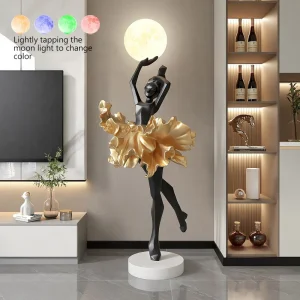
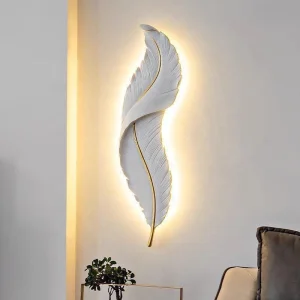
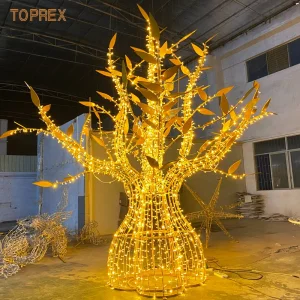
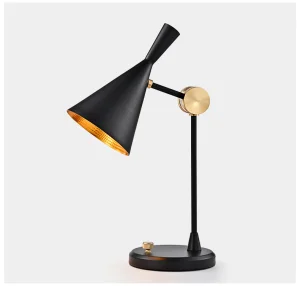
Explore our specialized solutions, ranging from outdoor solar landscape paths to sculptural dimmable wall features.
 Layr Light