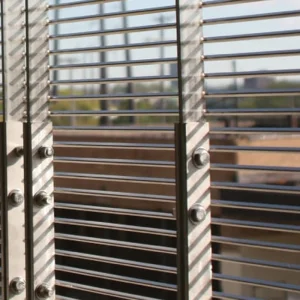
Explore our premium architectural fixtures engineered for robust performance, ingress protection, and intelligent control.
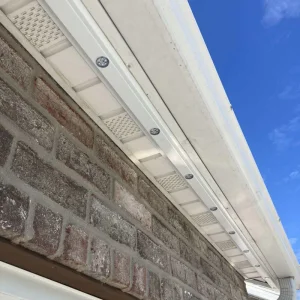
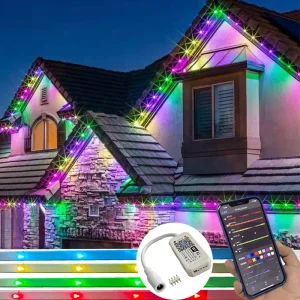
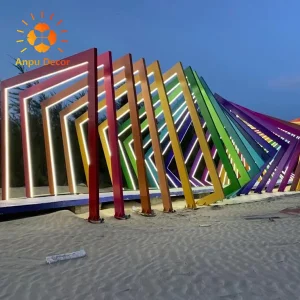
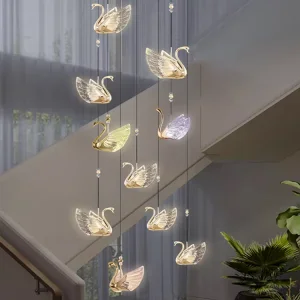
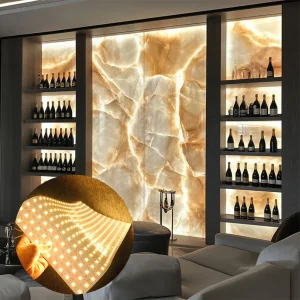
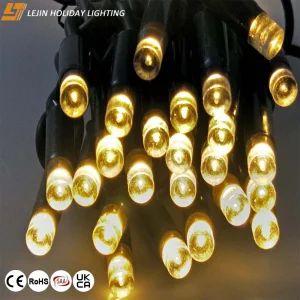
Founded in 2013, Ningbo Layr Light Co., Ltd. has established itself as an elite, high-technology enterprise specializing in custom architectural LED lighting, recessed solutions, and smart spatial decoration. Based in Ningbo, Zhejiang Province—one of China's most prominent industrial port cities—our strategically situated facility guarantees direct access to reliable international shipping pipelines, enabling frictionless logistics for partners worldwide.
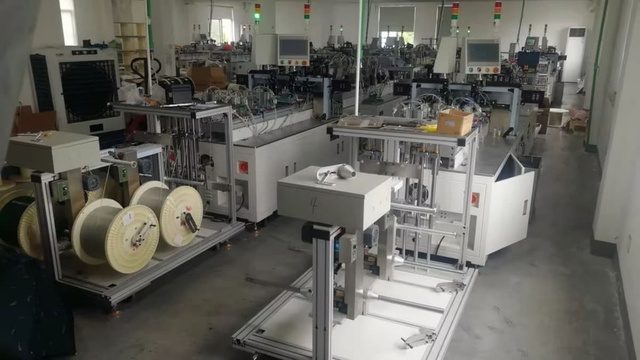
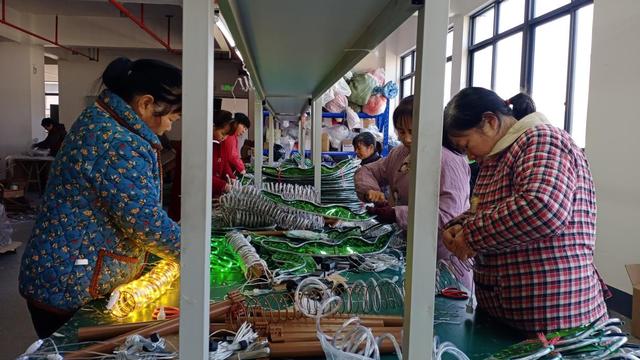
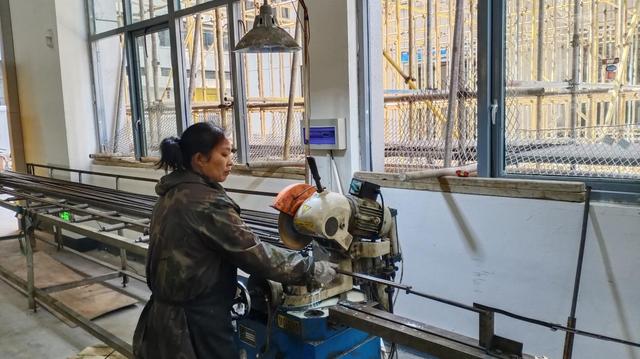
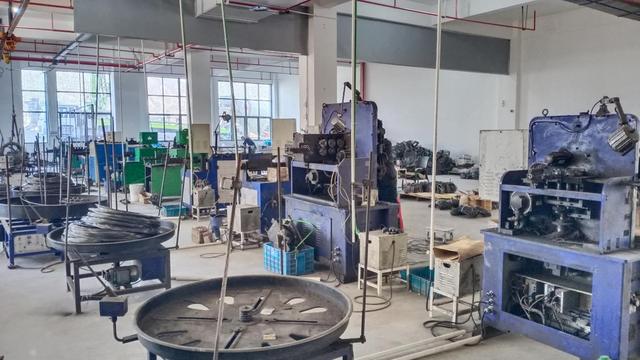
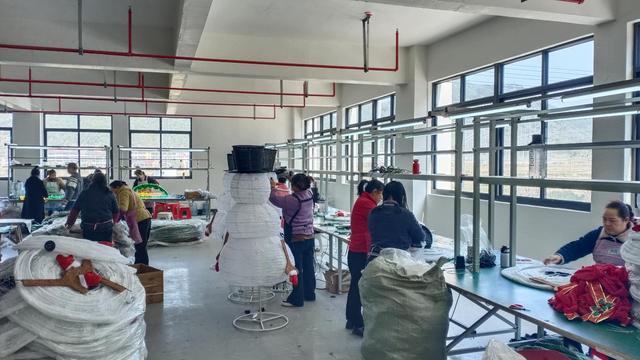
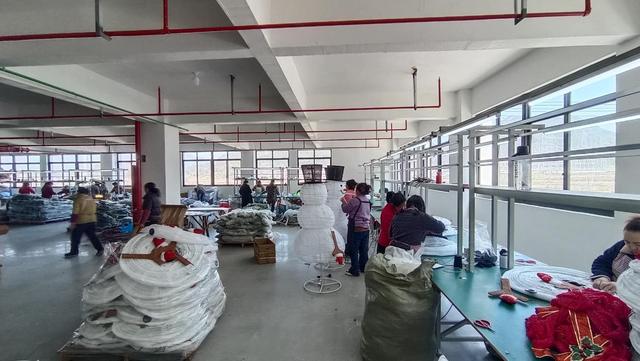
Over the past decade, Layr Light has expanded its facility to span more than 15,000 square meters of modern production space. Housing a dedicated task force of over 220 skilled professionals—including a specialized R&D team of optical, electrical, and thermal engineers—we offer full vertical integration. This includes structural design, precise tooling development, SMT component placement, assembly, strict QC testing, and global export certification support.
As a global OEM and ODM partner, we collaborate with premier engineering firms, architects, developers, and global lighting brands to deliver custom architectural systems that conform to the highest global standards, including UL, cUL, CE, RoHS, and ErP requirements.
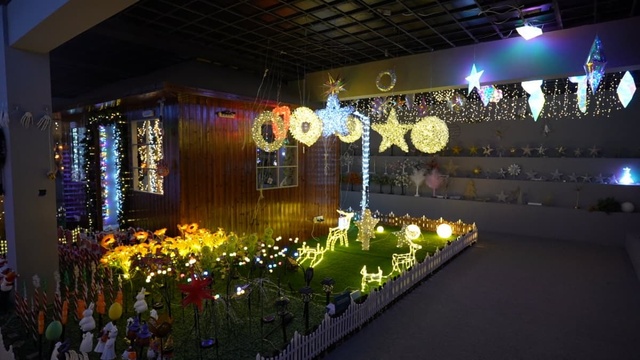
A statistical summary of our global footprint, industrial scale, and technological output.
A comprehensive overview of architectural lighting shifts, regulatory frameworks, and market trajectories.
The global market for recessed architectural downlights and decorative luminaires is experiencing double-digit compound growth. As cities globally prioritize decarbonization and green building ratings (such as LEED and BREEAM), commercial developers are transitioning legacy systems to highly integrated, ultra-efficient LED systems. Smart lighting control protocols like DALI-2, Zigbee, and KNX are quickly becoming standard specifications across high-tier developments in Europe and North America.
Architectural lighting is no longer just about generating lumens; it is about managing lighting quality. Today’s projects prioritize a low Unified Glare Rating (UGR < 19, or ideally UGR < 10 for offices) to reduce eye fatigue. Advanced optical structures—such as secondary metalized reflectors, darklight cones, and micro-prismatic diffusers—are engineered directly into modern recessed lighting setups to optimize spatial comfort and lighting distribution.
Navigating global building codes requires strict adherence to safety standards. Modern recessed lighting products must offer rated safety certifications like UL/cUL (for North America) and CE/ENEC (for Europe). IC-rated (Insulated Contact) structural designs are essential for modern homes and commercial buildings, allowing downlights to make direct contact with ceiling insulation without creating fire hazards. Layr Light prioritizes these standards in all exports.
How technical lighting design translates to practical efficiency and mood management in diverse spaces.
For hotels, restaurants, and public lounges, recessed fixtures must deliver clean visual integration, superb color rendering indexes (CRI > 95, with high R9 saturated red levels), and smooth dimming paths down to 0.1%. Deeply recessed darklight downlights ensure that guests experience the illumination of the space without seeing the light source itself, creating a luxurious, glare-free ambiance.
Workplace lighting demands productivity-focused solutions. The integration of tunable white technology (from a warm 2700K to a cool 6500K) enables Human-Centric Lighting (HCL). HCL mimics natural daylight cycles, supporting circadian rhythms, increasing focus during morning hours, and promoting relaxation in the late afternoon. This is proven to enhance productivity while reducing visual strain.
Outdoor landscape, facade, and pool installations demand high ingress protection (IP). Track systems and downlights designed for outdoor applications must prevent moisture intrusion and withstand temperature fluctuations and UV exposure. Our advanced outdoor track lights feature robust aluminum alloy housings, anti-corrosive powder coatings, and premium silicone seals to ensure longevity in extreme climates.
Layr Light products in action: Architectural track lighting integration, achieving seamless blending with interior ceiling lines for high-end hospitality projects.
Our ongoing research initiatives, engineering goals, and environmental commitments for the next five years.
How Layr Light collaborates with global enterprise clients from conceptualization to global distribution.
Collaborating closely with client design departments, our optical and structural engineers generate photorealistic renderings, 3D CAD models, and detailed optical ray traces (using specialized software) to ensure the light distribution complies with strict project requirements.
We leverage high-speed CNC milling and 3D printing to create physical prototypes in days. Thermal profiling and photometric measurements are conducted in our laboratory using integrating spheres and goniophotometers to verify luminous efficacy and UGR values.
Once approved, custom tools are fabricated for high-pressure die-casting or extrusion. Automated SMT lines assemble the electronic drivers and LED boards, followed by a rigorous 100% burn-in testing cycle (up to 24-48 hours) to ensure long-term field reliability.
Answers to technical, regulatory, and design questions frequently raised by lighting designers and engineering procurement professionals.
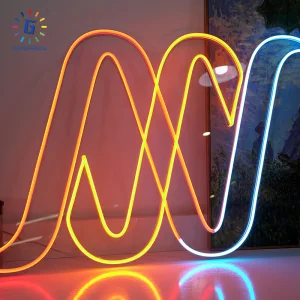
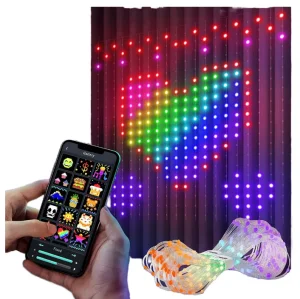
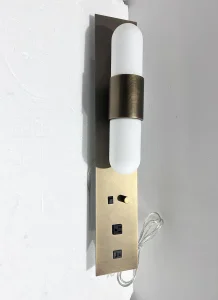
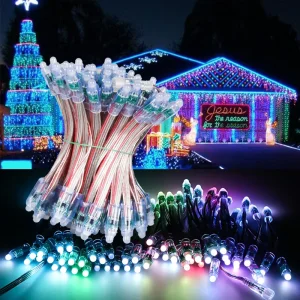
Explore our decorative, pendant, and outdoor accent lights, completing our comprehensive architectural solutions catalog.
 Layr Light