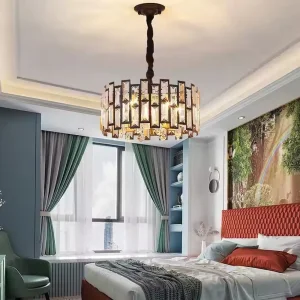
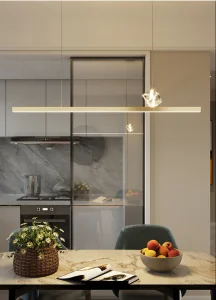
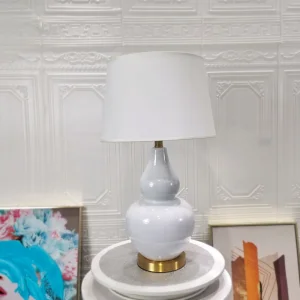
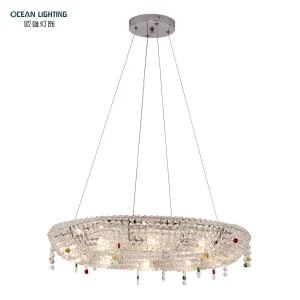
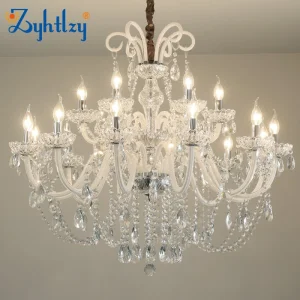
Flagship Architectural Solutions Configured for the United States Market Requirements
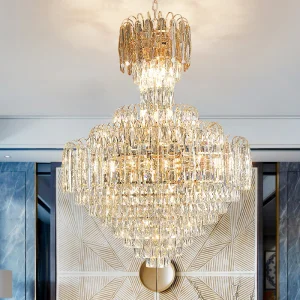
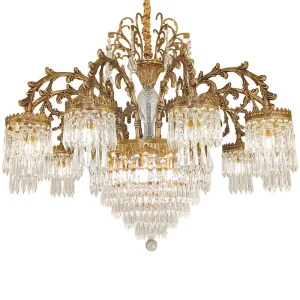
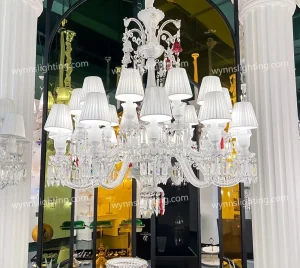
The United States luxury decorative lighting market has entered a phase characterized by high technological integration, stringent energy-efficiency regulations, and customized architectural designs. Historically viewed as purely aesthetic elements, high-end decorative fixtures in cities like New York, Los Angeles, and Chicago have transformed into complex engineering systems. Modern commercial developments, boutique hospitality spaces, and premium residential estates now demand decorative lighting that seamlessly interfaces with smart-building automation networks, adheres to local energy mandates, and offers unprecedented visual quality.
According to recent commercial interior design trend reports, the demand for custom high-end luminaires in the US hospitality sector is projected to grow substantially. Designers are moving away from standardized catalogs in favor of bespoke options that reflect the brand identity of the space. Consequently, this shift has placed significant pressure on decorative lighting factories to possess not only artisan-level metalworking and glassblowing capabilities but also robust engineering divisions capable of executing calculations for wind loads, structural safety, and thermal management.
For US-based general contractors, lighting designers, and procurement companies, sourcing decorative lighting internationally involves navigating a complex web of logistics, quality checkpoints, and regulatory hurdles. The core challenges include maintaining dimensional precision based on architectural CAD layouts, ensuring the correct color rendering index (CRI) and color temperature consistency across all fixtures, and securing certified electrical components that satisfy local electrical inspectors.
By partnering with an established exporter like Ningbo Layr Light Co., Ltd., American clients mitigate these supply chain risks. A direct-to-factory partnership eliminates unnecessary intermediaries, allowing for clear, engineering-grade communication. When custom fixtures are detailed at the manufacturing level, shop drawings, submittal packages, and photometrical files (IES format) are produced prior to fabrication, minimizing on-site installation issues.
“Information Gain in Sourcing: Effective lighting procurement requires complete transparency of structural engineering and component certification—ensuring every custom chandelier meets or exceeds NEC guidelines before it leaves the factory floor.”
The luxury decorative lighting sector is undergoing a massive shift led by LED technological advancements. Standard static white light is rapidly being replaced by Dynamic Tunable White and Dim-to-Warm protocols. This allows designers to program indoor spaces to match the natural external circadian cycle, enhancing human health and productivity. The transition to Human Centric Lighting (HCL) requires specialized LED drivers capable of smooth, flicker-free dimming down to 0.1% using DALI, 0-10V, Phase, or wireless control interfaces (such as Casambi, Lutron, and Crestron).
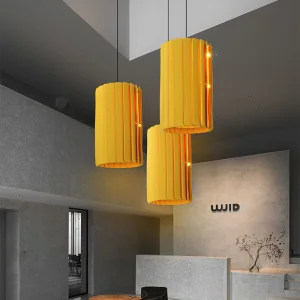
Moreover, material circularity is transforming physical fixture manufacturing. The integration of sustainable elements, such as CNC-cut post-consumer PET acoustic felts and high-recyclability aluminum alloys, has enabled decorative light fixtures to serve multiple purposes. Modern office designs and hospitality lobbies utilize these combination acoustic-light fixtures to enhance visual interest while simultaneously damping noise levels in open spaces.
A central focus for high-end US projects is compliance with local codes. All electrical installations in the US must conform to the National Electrical Code (NEC) and obtain certification from a Nationally Recognized Testing Laboratory (NRTL) like UL (Underwriters Laboratories) or ETL (Intertek). A luxury pendant or custom glass chandelier that lacks these labels will fail inspections, causing expensive project delays.
Additionally, projects in California must strictly follow the California Code of Regulations Title 24, Joint Appendix 8 (JA8) requirements. This demands high efficacy, low flicker, and high CRI (at least 90) to minimize carbon footprints and grid stress. Experienced manufacturers like Ningbo Layr Light Co., Ltd. design products specifically to comply with these rules. They select drivers that are UL/cUL listed, design heat sinks to maintain the L70 rating at over 50,000 hours, and perform full electromagnetic testing to comply with FCC Part 15 regulations.
Connect with our senior engineering team today to review your project's shop drawings and certification requirements.
Send Inquiry NowEngineered Acoustical Materials and Custom Sculptural Installations
Established in 2013, Ningbo Layr Light Co., Ltd. has grown to become a premium decorative lighting manufacturer. Strategically based in Ningbo, Zhejiang Province, China, the company leverages one of the world's most advanced marine shipping networks and manufacturing clusters. This geographic advantage ensures rapid material sourcing, custom prototyping, and streamlined logistics to major US ports.
Operating out of a modern manufacturing facility that spans over 15,000 square meters, the company integrates all aspects of lighting production under one roof. With a dedicated team of over 220 experienced engineers, technicians, and artisans, Layr Light controls the entire product life cycle: from industrial design, structural drafting, and mold tooling to final custom fabrication, quality testing, and global exporting.
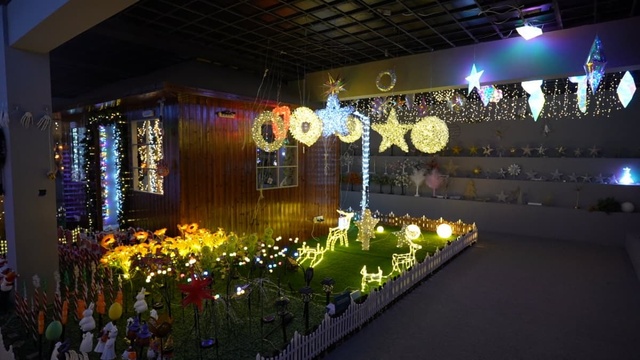
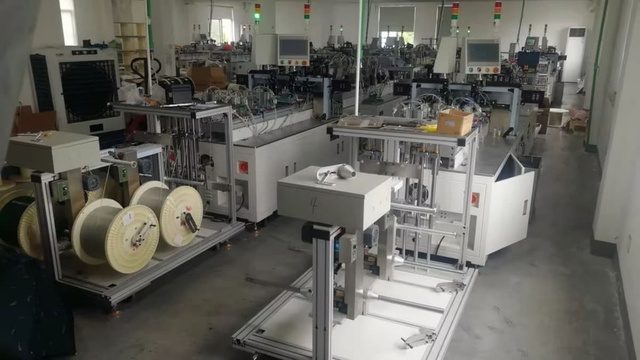
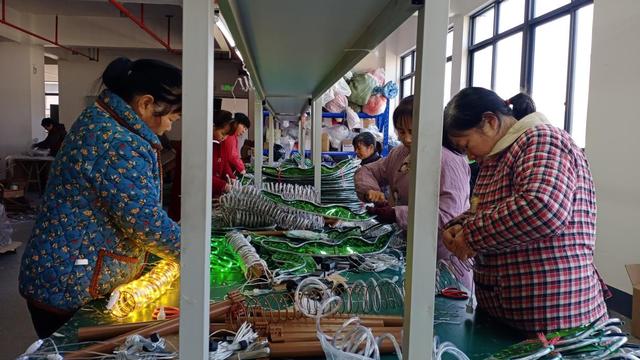
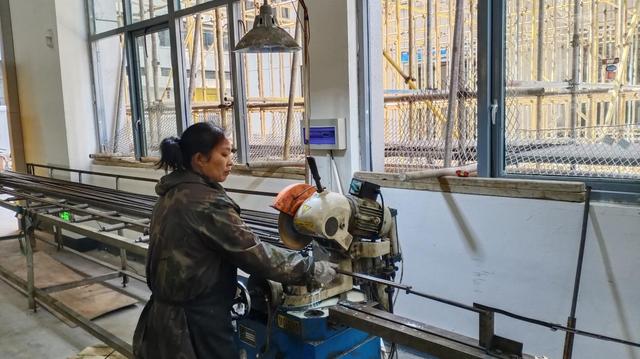
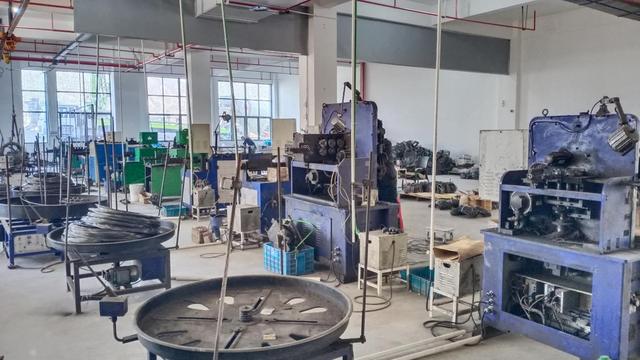
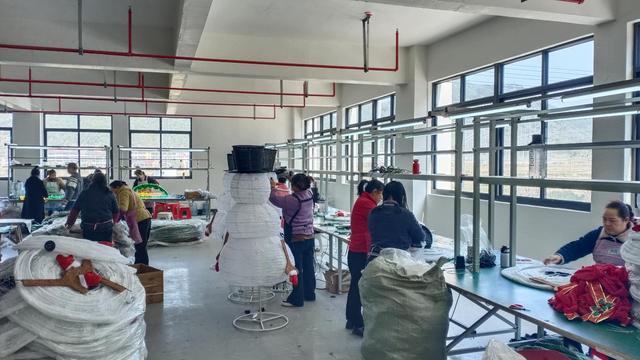
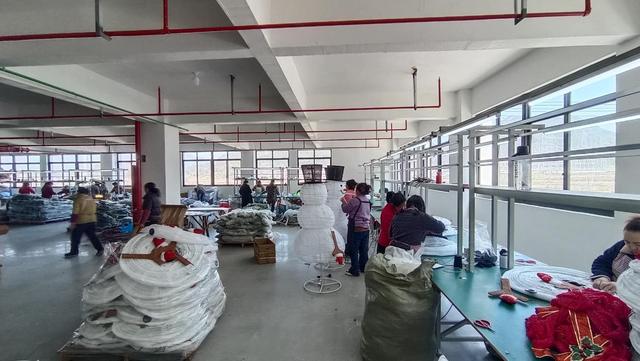
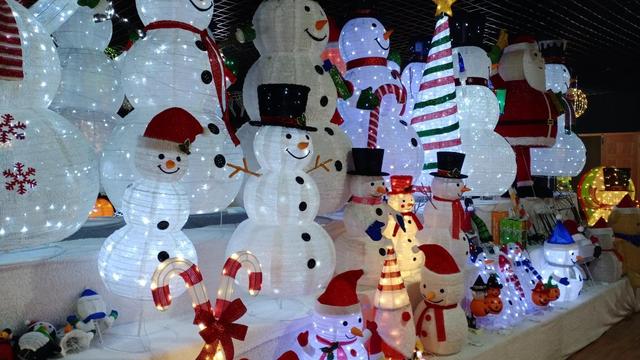
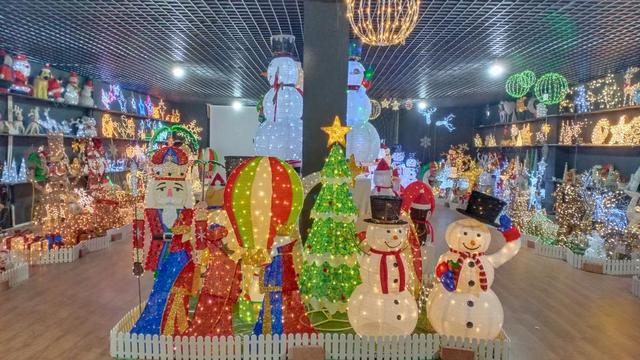
Investments in automated CNC machining, high-capacity powder coating ovens, and professional optical measurement labs allow Layr Light to deliver consistent results. Its test facilities feature integrating spheres for exact color temperature and lumen output measurement, goniophotometers for generating accurate IES photometric distribution files, and environmental stress chambers that run salt spray tests to ensure finishes stand up to humid coastal settings.
As a reliable OEM and ODM partner, Layr Light provides end-to-end customization services. These include custom design consulting, private labeling, project-based engineering modifications, specialized high-durability packaging designs, and detailed wiring diagrams that help local electrical contractors install systems efficiently. Their global network covers clients in North America, Europe, the Middle East, Southeast Asia, and Australia.
Answers to Technical, Regulatory, and Procurement Questions from US Project Managers
Yes. All luminaires built for the United States market use UL/cUL listed or recognized drivers, sockets, and wire leads. For custom hospitality and large-scale commercial installations, we supply fixtures fully assembled and ready for local site certification, or pre-tested to comply with UL 1598 standards to ensure a smooth sign-off from local electrical inspectors.
For California-bound shipments, we configure our decorative LEDs with high-efficiency light engines that reach a minimum of 90 CRI and feature low-flicker properties. We pair these light engines with JA8-compliant dimming drivers (such as 0-10V or Phase control) to ensure they meet the state's energy-efficiency regulations.
Our typical lead time for engineering detailed 2D/3D shop drawings is 5 to 7 business days. Once drawings are approved, prototypes are usually ready in 2 to 3 weeks. Full production runs take approximately 35 to 45 days, depending on fixture complexity and order volume. Sea freight to West Coast ports (e.g., LA/Long Beach) adds about 15–20 days, and East Coast ports (e.g., NY/NJ) takes 30–35 days.
Safety is our primary concern for overhead installations. Our internal engineering department carries out weight-distribution modeling and tensile strength testing for all support lines and brackets. We deliver clear structural load figures, heavy-duty mounting hardware, and detailed mechanical assembly instructions to ensure your on-site general contractor can install the fixtures securely.
Our systems support a wide range of dimming protocols, including Triac/Forward Phase, ELV/Reverse Phase, 0-10V, DALI-2, and wireless architectures like Casambi and Zigbee. During the initial design submittal phase, we verify driver compatibility with your specified dimming system (e.g., Lutron, Crestron, or Vantage) to ensure smooth operation without flickering.
Yes. We run optical tests using our goniophotometer to generate IES files for our standard and custom fixtures. This data allows lighting designers and architects to import the files directly into software like AGi32 or DiaLUX to verify lux levels, glare index ratings, and overall room coverage before ordering.
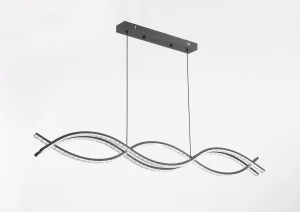
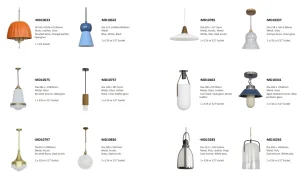
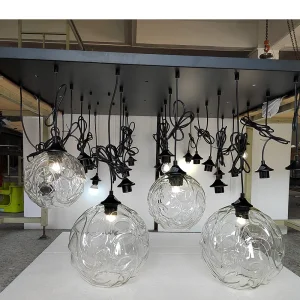
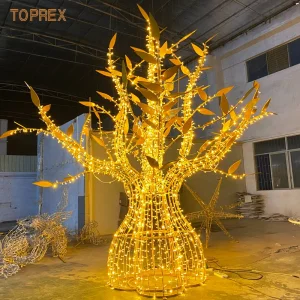
Explore Our Most Demanded Decorative and Task-Oriented Solutions
 Layr Light