Thailand's outdoor decorative lighting sector is experiencing a structural revolution driven by public infrastructure upgrades, a booming hospitality ecosystem, and smart city mandates under the "Thailand 4.0" development masterplan. With major tourist centers like Bangkok, Phuket, Pattaya, and Chiang Mai demanding extensive night-economy revitalizations, high-grade illumination has transitioned from a utility to a vital aesthetic driver.
The industrial landscape in Thailand is increasingly characterized by direct sourcing models. Large-scale property developers, hotel conglomerates, and municipal contractors are bypassing traditional multi-tier distributor networks. They look directly to established manufacturing exporters who can deliver specialized architectural solutions that comply with the Thai Industrial Standards Institute (TISI) requirements while offering cost efficiencies.
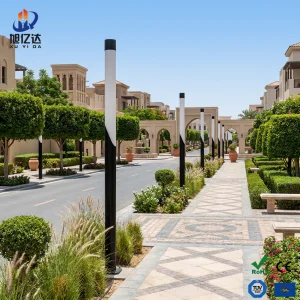
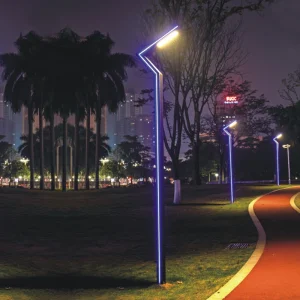
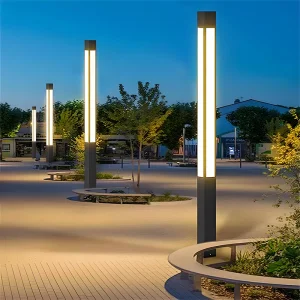
Thailand's municipal developments now require lighting systems that communicate. Modern street and park luminaires incorporate DALI-2, Zigbee, or LoRaWAN nodes to allow dimming protocols, automated maintenance reports, and grid load-balancing in alignment with smart governance goals.
In regions like Koh Samui and Phuket, tropical downpours are accompanied by intense heat. Dynamic thermal management and micro-breathing valves (which prevent condensation inside optical lenses) have become mandatory design baselines for premium architectural projects.
Protecting local wildlife while highlighting cultural architecture has become a core trend. Low-glare optics, precise beam angles that limit light pollution, and custom color temperatures (ranging from 2200K to 3000K) are prioritized by luxury eco-resorts.
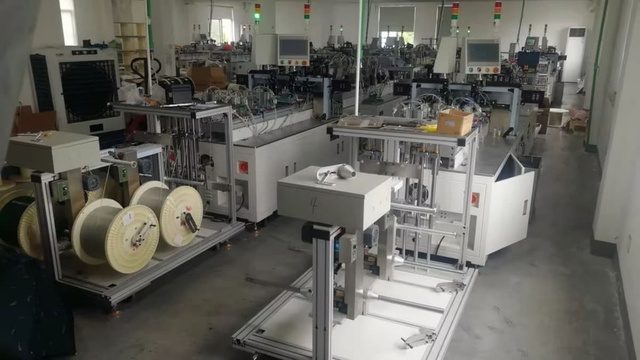
Founded in 2013, Ningbo Layr Light Co., Ltd. stands as a premier manufacturing partner for commercial-grade outdoor decorative and architectural lighting. Situated in Ningbo, Zhejiang Province—one of China's most active deep-water shipping corridors—our facility covers an expansive 15,000 square meters, operating with over 220 experienced engineering and assembly specialists.
Under our Factory 4.0 paradigm, we integrate full-cycle customization. From structural engineering, optical simulation (DIALux), tool-and-die fabrication, to precision automated SMT assembly, we maintain rigorous Quality Control. This ensures that every product exported to high-demand international markets, including Thailand, the EU, and North America, exhibits immaculate performance and compliance.
Our capabilities as an OEM/ODM specialist allow us to deliver bespoke modifications (including specialized powder coating ratings, specific LED binning codes, and customized mounting solutions) within timelines that keep projects on schedule.
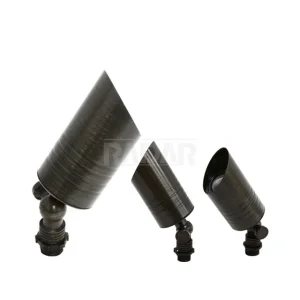
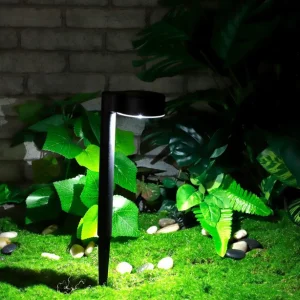
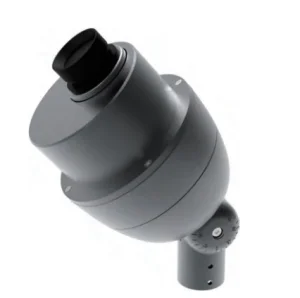
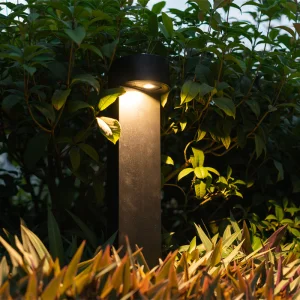
Coastal developments require materials that withstand saltwater erosion and UV radiation. Products like our low-voltage landscape spot lights feature marine-grade die-cast brass and IP65/66 protection ratings, making them ideal for resorts in Krabi or Samui.
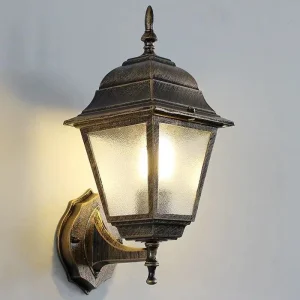
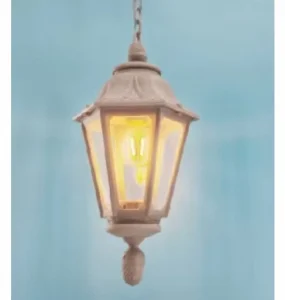
Preserving cultural visual identities is crucial for Northern Thailand temples and legacy architecture. We provide classic finishes, warm color spaces, and precise optical controls that illuminate historic monuments without damaging or visually cluttering the heritage aesthetic.
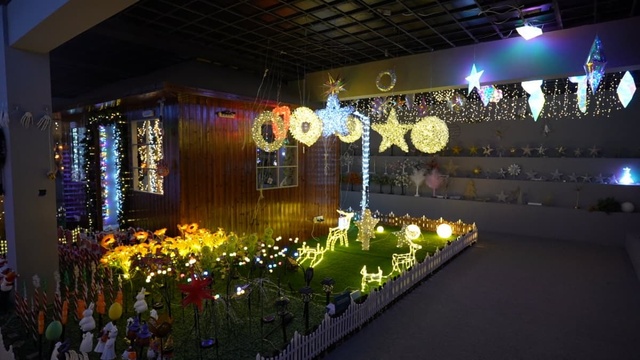
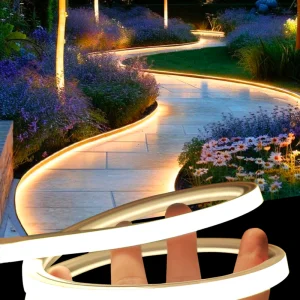
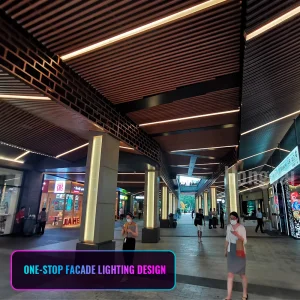
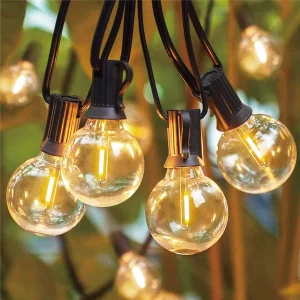
Modern commercial spaces in Bangkok and Nonthaburi require flexible decorative solutions. Customizable LED neon strip systems and architectural linear light arrays create highly photogenic, dynamic retail environments that encourage nighttime foot traffic.
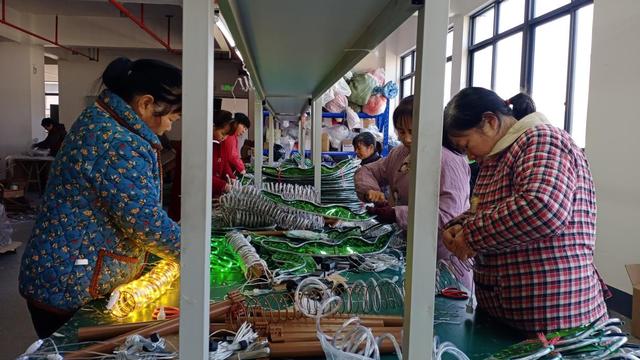
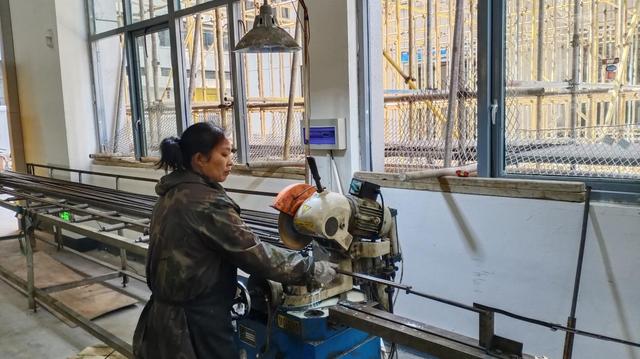
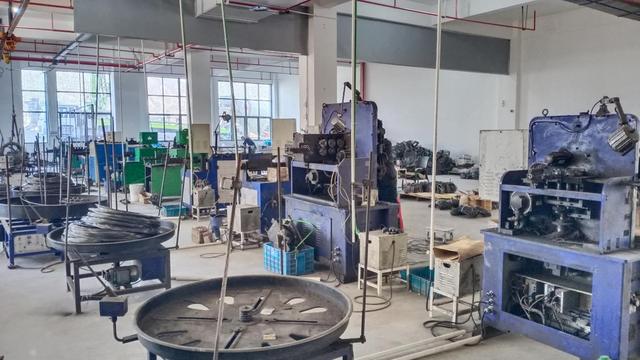
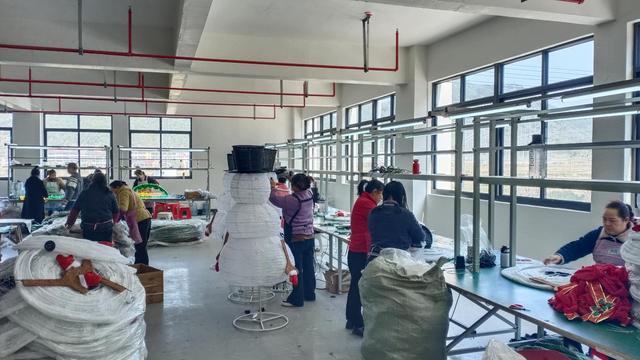
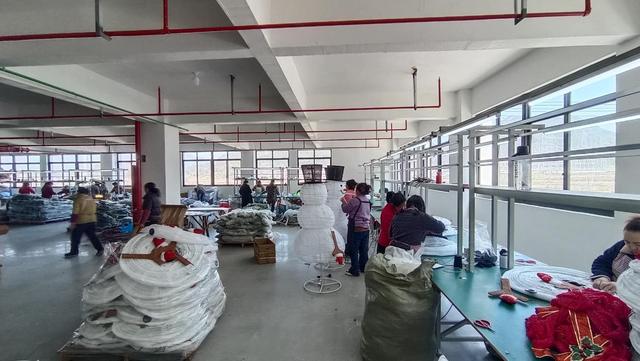
An inside look at our advanced manufacturing lines, quality control testing chambers, and design workshops dedicated to international export standards.
Purchasing managers must verify specific physical properties when importing luminaires into Thailand to ensure long-term stability and ROI.
Outdoor luminaires must hold minimum IP65 certification. For floodlit architectural areas exposed to high wind and heavy monsoons, IP66 or IP67 ratings prevent catastrophic water entry.
Elevated ambient temperatures speed up LED degradation. Premium products use heat-sink casings with heat dissipation fins designed to maintain junction temperatures under 65°C.
Aluminum components must undergo multi-stage pretreatment and high-durability powder coating. This prevents oxidation from salt spray, typical of coastal regions in Thailand.
Consult with our engineering and procurement team for bespoke specifications, pricing models, and design integration schedules.
Send Inquiry Now Layr Light