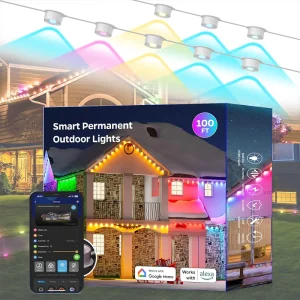
Explore our engineered range of architectural lighting, smart lamps, and high-performance luminaire units designed for premium gallery spaces and decorative project execution.
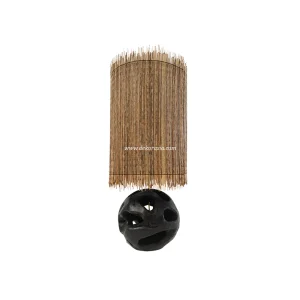
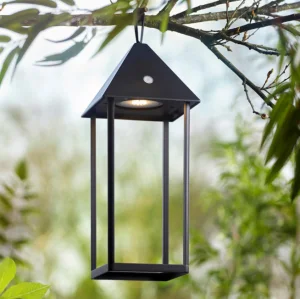
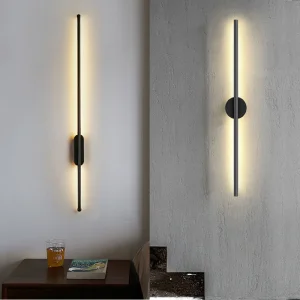
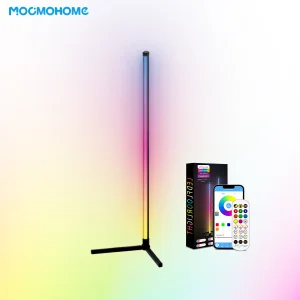
Lighting is the lifeblood of any art gallery or museum. It is the catalyst that transforms a static display into a vivid narrative, bridging the gap between historical artifact or modern masterpiece and the human observer. However, illuminating fine art requires a delicate balance between conservation requirements and sensory enhancement. Exposure to radiation, inappropriate color shifts, and heat can lead to irreversible photochemical degradation, causing canvas to deteriorate, inks to fade, and pigments to alter.
As a leading Chinese designer and manufacturer, Ningbo Layr Light Co., Ltd. engineering team develops systems that prioritize optical precision. From high CRI LED engine designs to specialized beam angles and DALI-enabled control topologies, our museum lighting products are tailored to respect the structural integrity of the media while highlighting the dynamic textures and true-to-life colors intended by the artists.
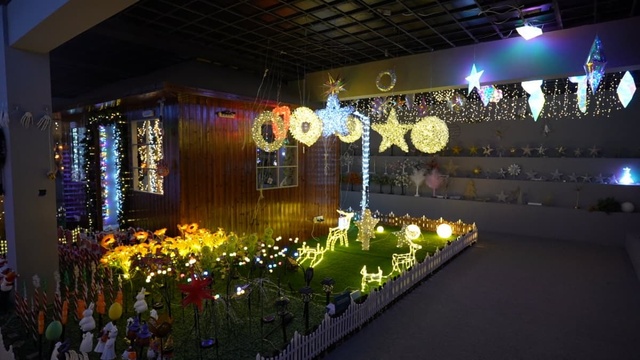
Architects, curators, and lighting specialists must understand specific metric behaviors when specifying lighting layouts. Here is how premium engineering parameters shape human visual perception.
Standard LED sources miss critical red spectral components (R9). Our premium gallery track lights feature advanced chips that offer high R9 to R15 values, restoring deep reds, natural skin tones, and rich oil paint textures without artificial coloration.
UV radiation below 400nm causes organic materials to fade and paper to yellow. We engineer our optical lenses with specialized barriers to absorb harmful electromagnetic waves, ensuring zero photothermal or photochemical damage.
Visual fatigue ruins the viewing experience. By incorporating honeycomb louvers, deep-cut snoots, and anti-glare baffle rings, we control spill light and maintain an optimal UGR < 10, redirecting the light strictly onto the exhibits.
Art collections rotate, requiring dynamic focal diameters. Our track fixture heads utilize mechanical zoom configurations (15° to 60°) to quickly shift from pinpoint accent lighting on tiny canvases to wide washes on mural installations.
Color uniformity prevents distraction. We sort and group our LED packages within narrow MacAdam Ellipse thresholds, ensuring that neighboring fixtures maintain uniform color temperatures without chromatic deviation.
Support for DALI-2, 0-10V, Casambi, and Tuya Smart ecosystems. Our drivers facilitate flicker-free dimming down to 0.1% amplitude, matching the dynamic lighting scenarios needed for conservation periods.
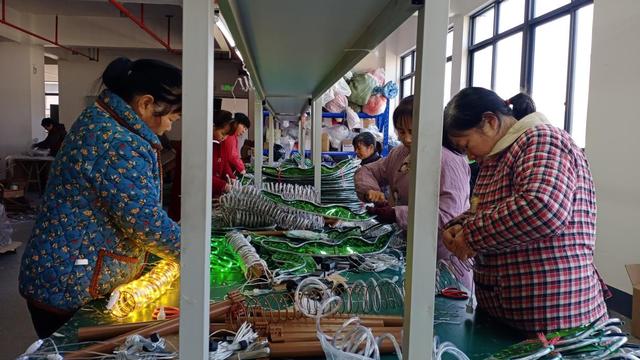
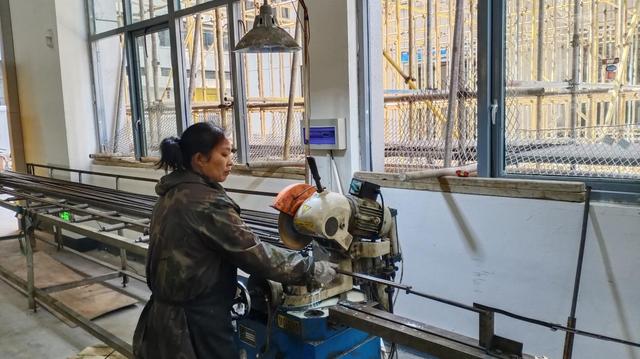
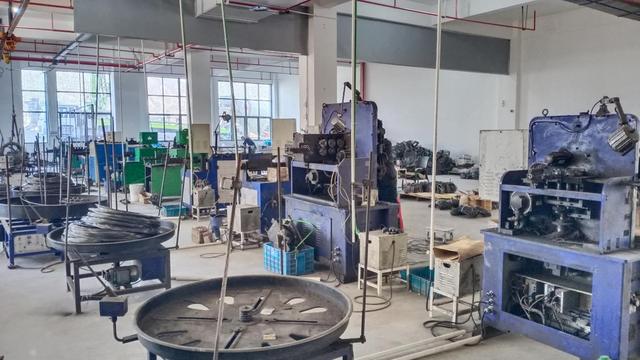
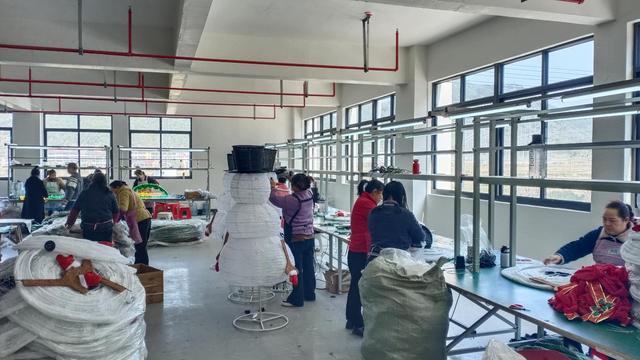
Established in 2013 in the lighting cluster of Ningbo, Zhejiang Province, China, Ningbo Layr Light Co., Ltd. has grown into a highly specialized supplier of architectural and decorative lighting systems. Spanning a state-of-the-art facility of over 15,000 square meters and employing more than 220 skilled personnel, our company integrates design, engineering, precision tooling, and quality management under a single umbrella.
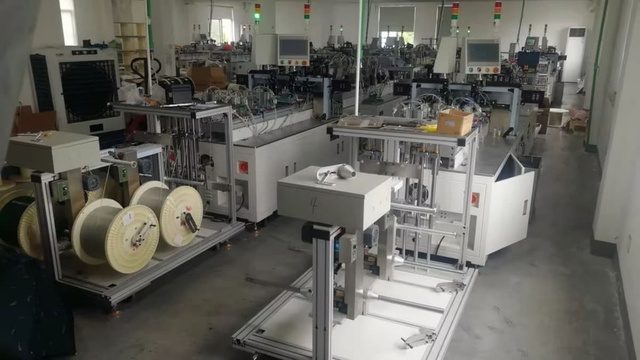
Leveraging deep industrial partnerships and raw material supply networks, our Ningbo factory provides bespoke global sourcing solutions. We operate in-house photometric darkrooms, high-precision surface mounting facilities, and automated assembly operations. This infrastructure ensures all output complies with global directives, including CE, UL, RoHS, and FCC. As an experienced OEM/ODM partner, we help designers and brands from North America, Europe, Australia, and the Middle East transform custom concepts into high-performance fixtures.
Whether managing a historic preservation project or planning a new gallery space, understanding these three design categories ensures optimal illumination performance.
Engineered for fine details and textures. Featuring tight beam profiles and high center beam candlepower (CBCP), these units illuminate individual paintings and sculptures without spill light. Adjustable zoom ranges allow curators to easily modify beam shapes for seasonal exhibits.
Ideal for large-scale murals and floor-to-ceiling tapestries. These fixtures deliver flat, shadow-free, and uniform light levels from top to bottom. Advanced asymmetric reflectors prevent hot spots near the ceiling, ensuring balanced illumination across the entire wall surface.
Designed for modern galleries with changing exhibitions. Our surface-mounted or recessed track rails permit hot-swapping and repositioning of luminaires along 3-circuit systems. DALI and Bluetooth mesh controls enable wireless dimming of individual fixtures without manual adjustments.
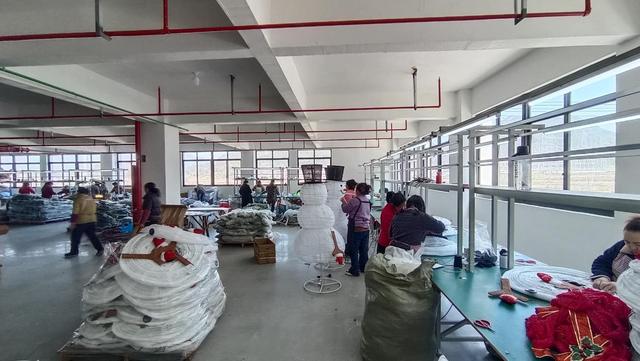
Ningbo stands as a premier global manufacturing cluster for advanced solid-state lighting. Choosing to partner with a specialized Ningbo manufacturer offers several key strategic advantages:
Different spaces require different lighting designs. We configure custom luminaire systems to meet the unique functional demands of various architectural environments.
Focuses on preservation and absolute visual fidelity. High CRI, UV-cutoff, and strict lux level control are required. Systems often employ variable CCT (2700K to 5000K) to match the color temperature with the historical era and pigments of the artwork.
Emphasizes display flexibility and aesthetic appeal. Requires flexible track systems that are easily reconfigured for rotating exhibitions, combined with narrow accent spots to highlight paintings and draw buyer interest.
Blends architectural accent lighting with residential warmth. Utilizes smart controls, warm color temperatures (2700K - 3000K), and low-profile recessed downlights to highlight private collections while maintaining cozy ambient lighting.

Get professional answers to common questions about selecting, specifying, and sourcing art gallery lighting systems.
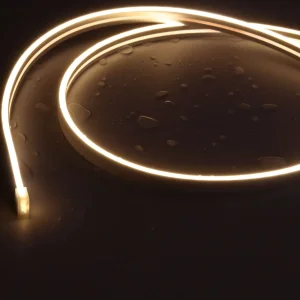
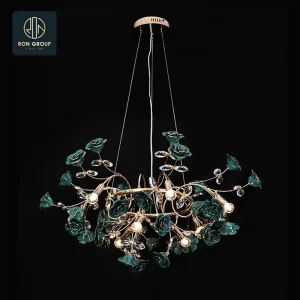
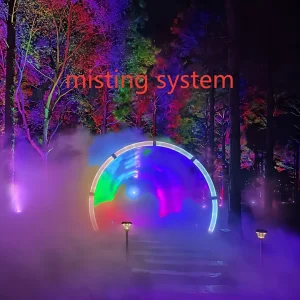
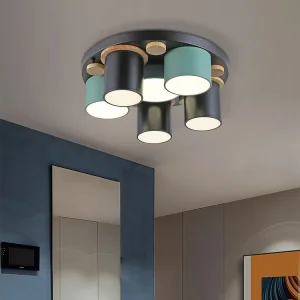
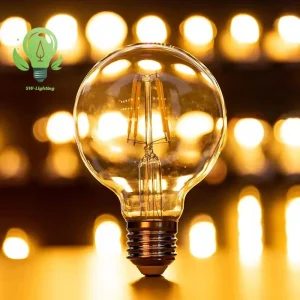
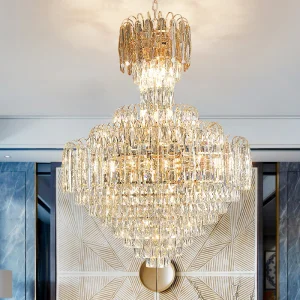
Explore our complete product catalog, featuring customizable chandeliers, energy-efficient bulbs, flexible neon strips, and outdoor lighting systems designed for diverse projects.

 Layr Light