Engineered for energy efficiency, optical accuracy, and seamless architectural integration. Direct factory-specifications.
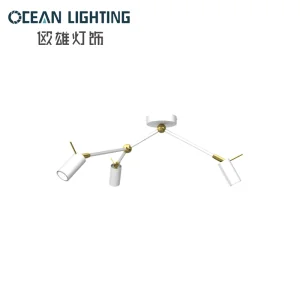
Modern interior architecture demands a cohesive integration of environmental systems. Historically, ceiling fans and room illumination existed as disjointed fixtures, often resulting in visual clutter, conflicting shadows, and suboptimal spatial layout. Today, the convergence of Brushless DC (BLDC) motor technology and high-performance Solid-State Lighting (SSL) has transformed the humble ceiling fan into a critical component of intelligent environmental management.
When sourcing ceiling fan lighting systems, global B2B buyers must prioritize configurations that deliver both optimal volumetric airflow (measured in Cubic Feet per Minute, or CFM) and superior light quality (measured by Color Rendering Index, CRI, and Unified Glare Rating, UGR). In high-occupancy environments, such as luxury hotels, multi-family housing complexes, and office buildings, proper design ensures thermal comfort while satisfying strict energy codes like California's Title 24 or Europe's Ecodesign (ErP) directives.
Information Gain Perspective: Integrating aerodynamic balance with micro-lens optic diffusers minimizes the "strobing" or flicker effect caused by fan blades cutting through light beams—a common engineering failure in low-tier OEM products.
Brushless DC motors operate at up to 70% greater energy efficiency compared to traditional AC motors. They allow step-less velocity control, run silently at under 35 decibels, and reduce motor mass, permitting sleeker low-profile designs that easily accommodate sophisticated LED PCB modules.
Top manufacturers employ custom surface-mounted (SMT) LED arrays featuring warm-to-dim technology, high color fidelity (CRI ≥ 90, R9 > 50), and edge-lit PMMA guides that diffuse light downward without creating harsh cast shadows from rotating blades.
Why locating production in Ningbo, Zhejiang Province, guarantees unmatched lead times, structural quality, and logistical efficiency.
Ningbo stands as one of the world's most robust industrial clusters for smart electrical appliances and precision lighting systems. Sourcing from this region allows global enterprises to leverage an integrated supply chain ecosystem. Raw materials (aluminum extrusion, cold-rolled steel, copper winding wires) and specialized processing (automated die-casting, electrostatic powder coating, high-speed SMT line processing) are located within a 50-kilometer radius. This proximity dramatically reduces lead times, cuts inter-factory shipping costs, and stabilizes production quality.
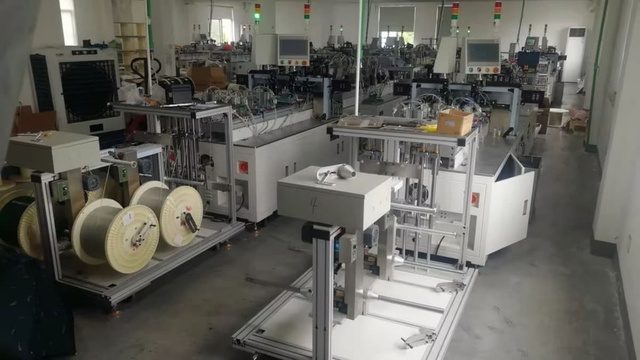
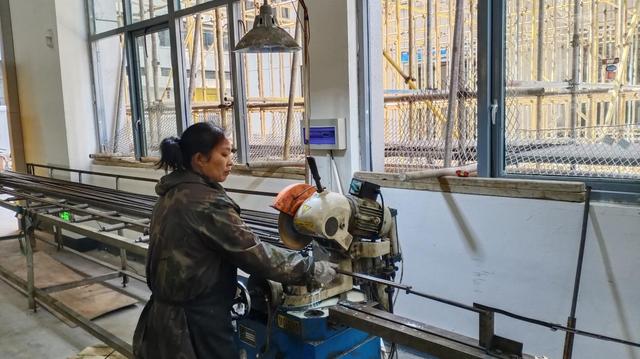
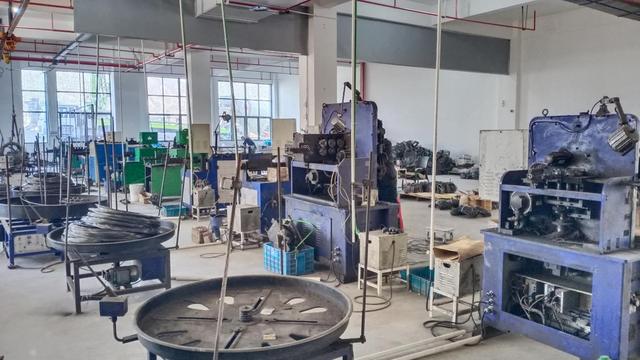
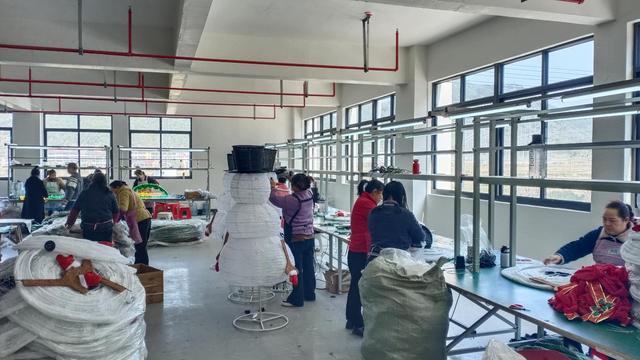
Ningbo Layr Light Co., Ltd. runs an ultra-modern facility utilizing automated CNC punching, specialized motor winding systems, and computerized dynamic balancing apparatuses to eliminate blade wobble and bearing fatigue before assembly.
Every manufacturing batch undergoes intensive mechanical and electrical testing: integrating spheres for photometric calculations, high-temperature environmental aging chambers, salt spray chambers for coastal rust protection, and dynamic noise testing rooms.
Located near the Port of Ningbo-Zhoushan—the world’s busiest port by cargo tonnage—our shipping network provides direct ocean and air freight access, lowering transit tariffs and securing critical supply predictability for multi-site commercial projects.
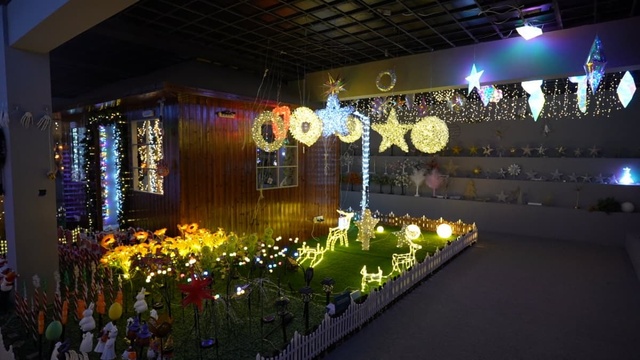
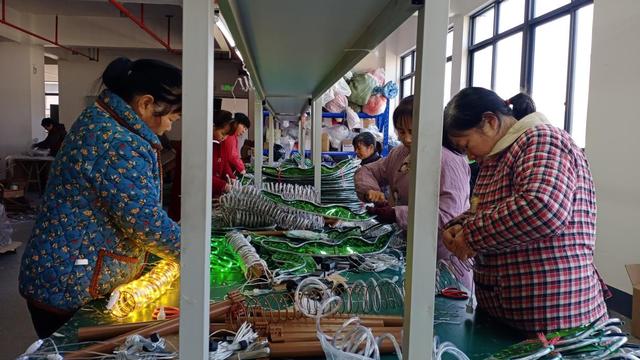
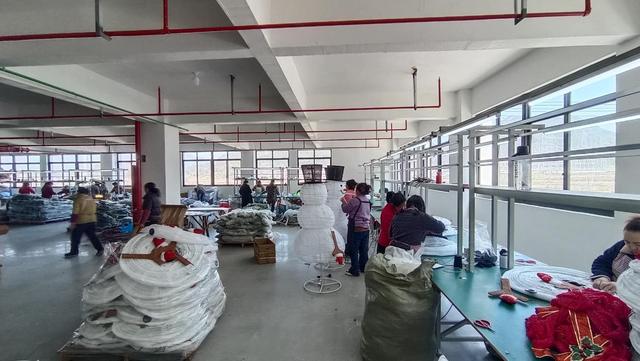
Ningbo Layr Light Co., Ltd. Profile: Established in 2013, Layr Light is a professional decorative lighting manufacturer specializing in custom LED lighting, architectural lighting systems, and smart lighting solutions. With a facility spanning over 15,000 square meters and employing over 220 experts, we seamlessly integrate R&D, structural engineering, tooling, production, and global logistics.

Navigating global electrical codes, safety standards, and environmental certifications for regional target markets.
For global distributors, developers, and retailers, compliance is the absolute foundation of market viability. Ceiling fan lights operate at the intersection of two distinct regulatory landscapes: electrical machinery (ventilators/fans) and luminaires. A failure in either system will cause import delays or severe product liability claims.
At Ningbo Layr Light Co., Ltd., our engineering teams structure every OEM/ODM project to meet specific destination standards. We optimize drivers for diverse grid constraints—from North America’s 120V/60Hz to Europe’s 230V/50Hz and Australia's 240V/50Hz. We use certified components (UL-listed drivers, VDE cable harnesses, SAA terminal block connections) to ensure smooth certification passes for your final products.
Key Regional Certification Paradigms:
Different operating environments present distinct challenges:
• Coastal/Outdoor covered areas: Require IP44 or IP55 ingress protection ratings, stainless steel hardware (SS304/SS316), anti-UV ABS blades, and marine-grade corrosion-resistant powder coatings.
• Low-Ceiling Residential: Require ultra-low profile flush mount installations ("hugger fans") maintaining safe clearance heights (>2.3 meters from floor to blade).
• High-Ceiling Hospitality: Require extended structural steel downrods (up to 72 inches) with integrated anti-wobble joints and RF signal relays for long-distance remote control operations.
How we transform technical concepts into high-performance product lines. The step-by-step procurement process.
Buyers specify critical parameters: fan diameter, blade count, blade pitch, CFM target, LED color temperature (CCT), CRI, dimming protocols (0-10V, Triac, DALI, smart Tuya app), and regional safety codes.
Our engineering team designs custom structural models using CAD and simulated SolidWorks flow analysis to test wind tunnel performance. We output photometric IES files for architectural lighting design audits.
We create custom injection molds for blades and decorative housings. Our labs assemble pilot samples for safety testing, dynamic balancing, and structural endurance trials.
Once samples are approved, we begin mass manufacturing. SMT lines assemble driver PCBs, while dynamic testing tables continuously monitor every motor's heat output, rotation velocity, and power consumption.
We supply drop-tested packaging (ISTA 3A/6A standards) to protect product structures during transport. We load and dispatch containers directly from our Ningbo warehouse to local shipping terminals.
We back our products with 3 to 5-year warranties on BLDC motors and LED modules, and we supply replacement drivers, firmware updates, and technical files for compliance audits.
1. DC Inverter Convergence: AC-motor systems are phasing out due to stricter global energy guidelines. Brushless DC (BLDC) motors are now the standard, providing wider speed ranges and reversible winter modes.
2. Unified Smart Home Control: Smart fans now integrate with home automation platforms (Apple HomeKit, Google Assistant, Amazon Alexa, Tuya, Zigbee, Matter). Sensors adjust fan speed based on indoor temperature and relative humidity.
3. Human-Centric Lighting (HCL): LED engines adjust color temperatures to match circadian rhythms—shifting from energizing 5000K daylight during noon to relaxing 2700K warm light at night.
4. Minimalist Scandinavian & Industrial Aesthetics: Traditional heavy metal filigrees are giving way to sleek profiles, hidden blades, real wood finishes, and flush-integrated LED ring lights.
For smart builders and developers, the ceiling fan light is no longer a passive device—it is an active hub for indoor air purification, temperature management, and ambient light styling.
By implementing Matter and Zigbee 3.0 communication chipsets directly into our driver designs, Layr Light products integrate seamlessly into complex commercial building automation networks. Additionally, our high-efficiency LED drivers feature isolated low-voltage outputs, over-temperature protection, and power factor correction (PFC > 0.95) to prevent electrical noise on the building’s power grid.
When purchasing bulk supplies, developers must evaluate the "Information Gain" value: choosing fixtures that offer simple controls, silent operation, and long lifespans helps reduce warranty calls and increases tenant satisfaction in modern smart buildings.
Expert technical insights to help B2B procurement managers select the right ceiling fan lights.
A: Brushless DC (BLDC) motors use permanent magnets rather than copper electromagnets, reducing power consumption by up to 70%. BLDC motors generate less heat, run virtually silent (<35dB), allow up to six speeds with instant reversible airflow options, and are lighter, making them easier to install and maintain.
A: Wobble is caused by weight variations in the blades or misaligned mounting brackets. High-quality factories like Ningbo Layr Light use automated dynamic balancing equipment. Blades are weighed, paired, and balance-tested to keep weight differences under 1.5 grams per set, ensuring smooth, vibration-free operation.
A: For North America, imports require UL 507 and UL 1598 (or ETL equivalents) and FCC Part 15 compliance. For the EU, products must bear the CE mark, proving compliance with the LVD (Low Voltage Directive), EMC (Electromagnetic Compatibility Directive), RoHS (Restricted Substances), and ErP eco-design standards.
A: We offer extensive customization: structural dimensions (blade spans from 30" to 72"), housing finishes (matte black, brushed brass, custom powder coatings), blade materials (handcrafted paulownia wood, ABS, acrylic), LED lighting specs (CCT range, high CRI, UGR controls), and smart protocol options (Tuya, DALI, Zigbee).
A: For humid, tropical, or coastal environments, we supply IP44/IP55 rated fixtures featuring rust-resistant treatments. These include stainless steel fasteners, marine-grade anti-corrosive powder coatings, sealed motor enclosures, and UV-resistant ABS plastic blades.
From heavy-duty industrial coatings to custom architectural glass and decorative lighting displays.
 Layr Light