Explore our high-performance indoor and outdoor product selections engineered for resilience, architectural harmony, and aesthetic excellence.
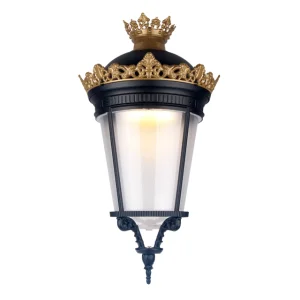
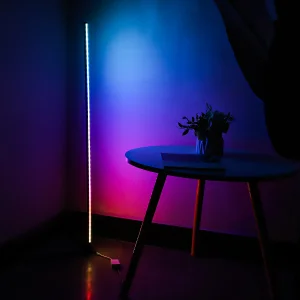
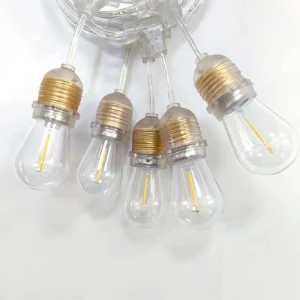
Established in 2013, Ningbo Layr Light Co., Ltd. is a leading-edge decorative, architectural, and smart safety lighting manufacturer based in Ningbo, Zhejiang Province. Ningbo serves as one of China's most strategic manufacturing epicenters, providing convenient, rapid logistics channels directly linking our facility to major international shipping networks. Our footprint spans a modern factory environment exceeding 15,000 square meters run by an elite workforce of over 220 seasoned engineering, production, and quality professionals.
We offer fully integrated services spanning standard industrial design, custom tooling fabrication, precision optical engineering, intelligent software and hardware development, and comprehensive global regulatory compliance audits. Our goal is to serve as the structural backbone for international importers, architectural engineers, and contracting networks, providing robust custom LED emergency luminaires and systems designed for public, hospitality, residential, and commercial operations worldwide.
Aligning modern aesthetics with rigid safety protocols. We develop critical egress lighting infrastructure that satisfies global urban codes while preserving architectural integrity.
Seamlessly integrating exit route indicators and emergency ceiling luminaires into modern interior motifs. Utilizing high-efficiency optics to ensure clear visual pathways during sudden power failures while maintaining energy-efficient ambient profiles under normal operation.
Explosion-proof casings, IP65-IP67 ingress ratings, and wide temperature tolerance bounds for heavy manufacturing. Engineered to resist chemical erosion, seismic vibrations, and voltage spikes, ensuring stable emergency lighting inside high-risk zones.
Subway stations, airports, and sports arenas require large-scale centralized systems. Our emergency installations support decentralized addressing systems, communicating status protocols to primary control terminals to minimize maintenance overheads.
Our R&D division focuses on merging dynamic safety exit routes with IoT architecture and advanced chemical storage.
Traditional emergency installations depend on localized, manually checked backup batteries, leading to high operational costs and human error risks. In compliance with the EN 50172 standards for emergency lighting logs, modern facilities are moving toward automated self-testing systems (ATS). Ningbo Layr Light is engineering intelligent, addressable systems utilizing DALI-2 (Digital Addressable Lighting Interface) and wireless mesh technologies.
These systems integrate directly with Building Management Systems (BMS), providing real-time diagnostics of battery health, LED driver integrity, and operational safety metrics. If a grid failure occurs, smart pathways dynamically alter exit directions based on fire location inputs, routing occupants away from active hazards.
| Parameters / Metrics | Traditional Nickel-Cadmium (Ni-Cd) | Nickel-Metal Hydride (Ni-MH) | Lithium Iron Phosphate (LiFePO4) - Layr Standard |
|---|---|---|---|
| Energy Density | Low (50 Wh/kg) | Medium (80 Wh/kg) | High (140+ Wh/kg) - Reduced physical footprint |
| Lifespan & Cycles | 500 cycles (Requires periodic replacement) | 500 - 800 cycles | 2000 - 3000+ deep discharge cycles (8-10 Years life) |
| Environmental Impact | High toxic heavy metal content (Cadmium) | Eco-friendly alternative to Ni-Cd | Zero heavy-metal waste, fully recyclable |
| Self-Discharge Rate | 10% / month | 20% / month | <2% / month (Excellent standby performance) |
| Operating Temperature Bounds | 0°C to 45°C | 10°C to 40°C | -20°C to 65°C (Ideal for harsh industrial environments) |
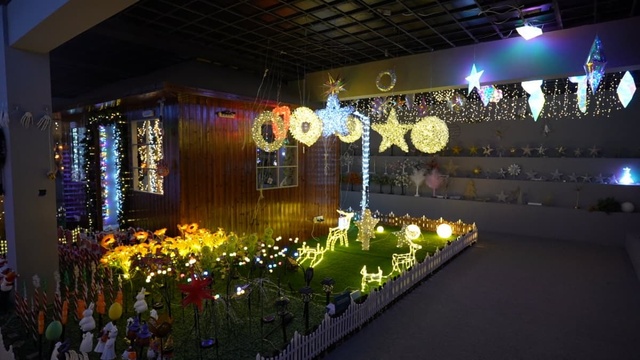
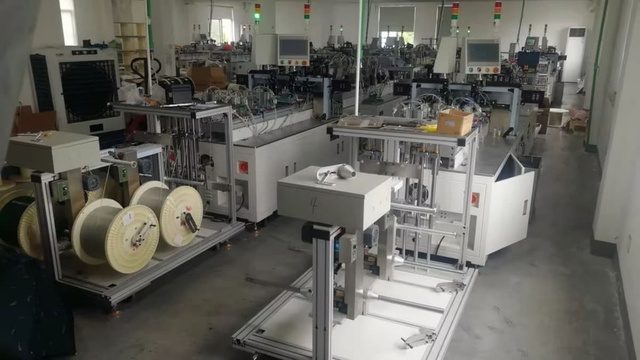
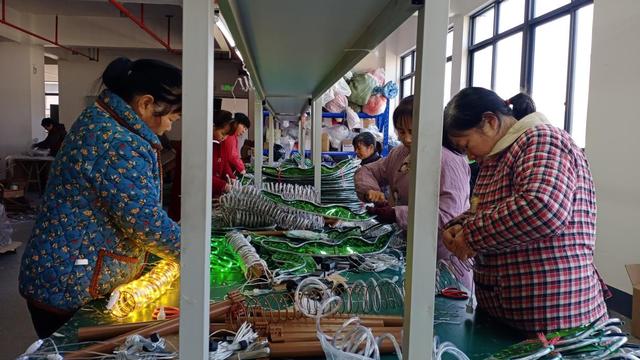
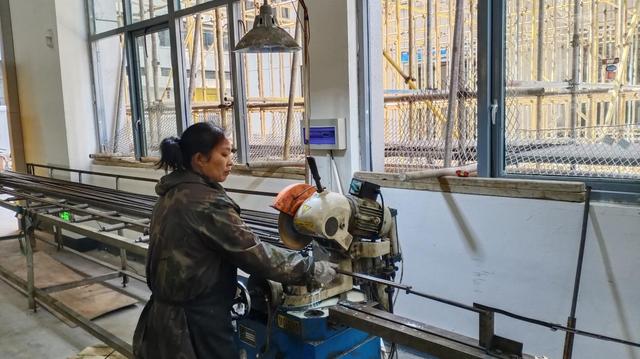
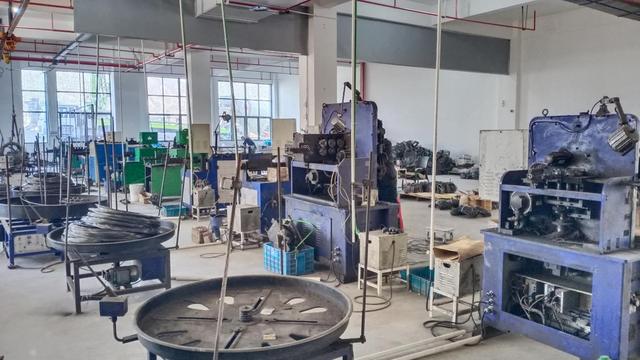
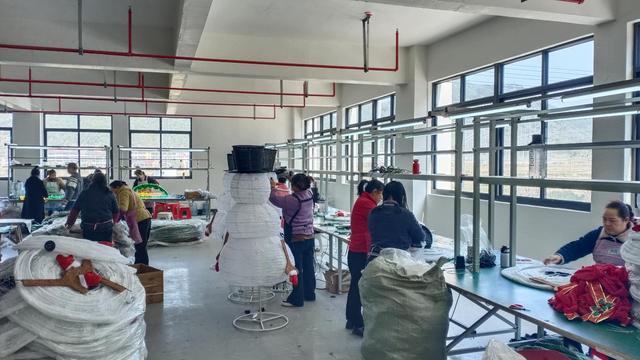
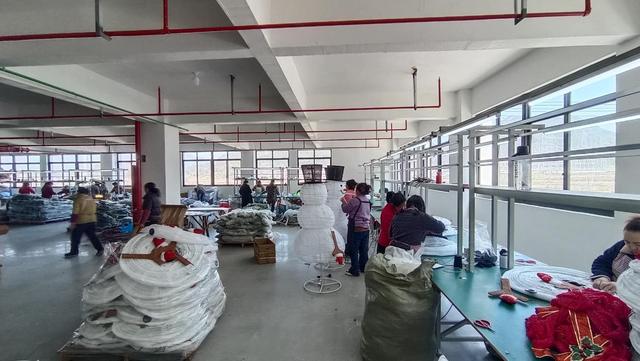
Our manufacturing facility in Ningbo combines vertical supply integration with automated quality control checks to optimize lead times and scale capacity.
Unlike simple assembly workshops, Ningbo Layr Light handles critical product manufacturing phases under one roof: die casting, precision sheet-metal pressing, automated high-speed SMT (Surface Mount Technology) assembly, and electro-optical testing.
This complete process control reduces typical supply-chain communication delays. As a result, we can design custom molds, adjust structural designs, and scale production runs to meet tight construction deadlines.

Our systems are engineered to meet strict international standards, ensuring smooth customs clearance and regulatory approval for global projects.
Certifies that emergency lighting and power equipment satisfy safety, exit signage, and minimum 90-minute operational time frames during grid failures in the United States and Canada.
Defines performance requirements for emergency luminaires connected to backup power lines. This standard governs thermal stability, ingress protection, and optical output reliability across the European Union.
Governs system design, installation, and performance criteria for emergency escape illumination in commercial structures, ensuring safe occupant evacuation pathways.
Strategic guidelines for EPC contractors, regional distributors, and purchasing agents selecting China-based emergency lighting manufacturers.
Clearly define key performance metrics like emergency run-times (e.g., 90 minutes or 3 hours), battery chemistry, driver topologies, and minimum light distribution curves before manufacturing starts.
Check the supplier's test equipment, certification records (such as CE, CB, or UL), and environmental testing capabilities. Make sure they use specialized aging setups to confirm the performance of batteries and control boards.
Work with suppliers that have direct access to deepwater container ports like Ningbo or Shanghai. This cuts down on shipping costs and ensures more reliable delivery times for large construction schedules.
Expert answers to common engineering, procurement, and regulatory compliance questions for emergency lighting systems.
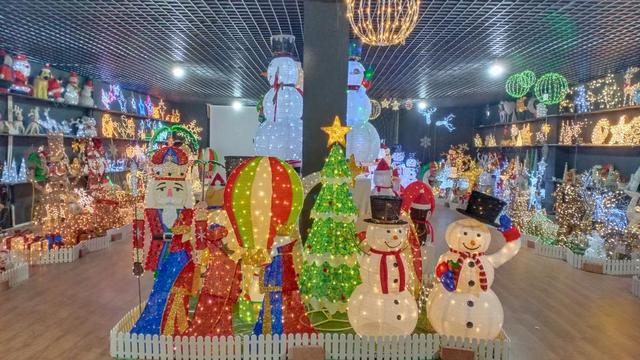
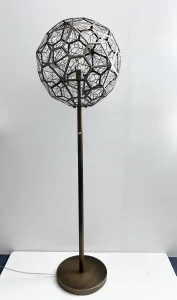
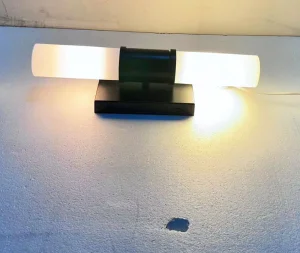
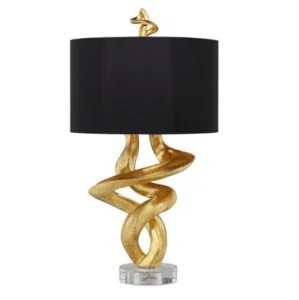
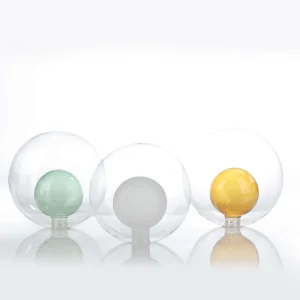
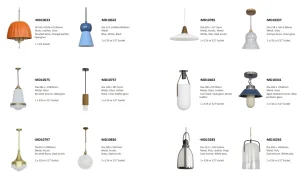
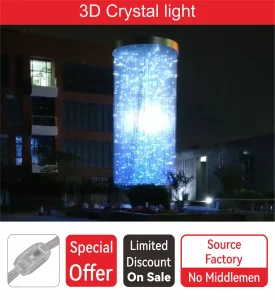
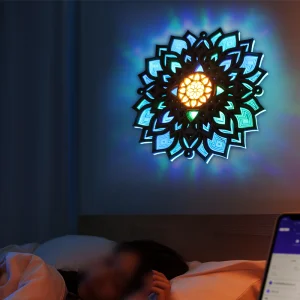
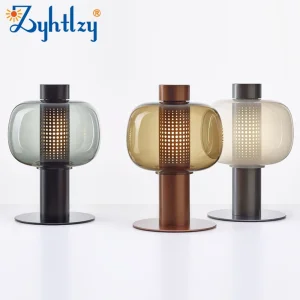
Our decorative and project-based product range combines reliability, structural durability, and energy efficiency for global markets.
 Layr Light