Explore our flagship, highly customisable LED systems engineered for extreme durability, smart system integration, and global market compliance.


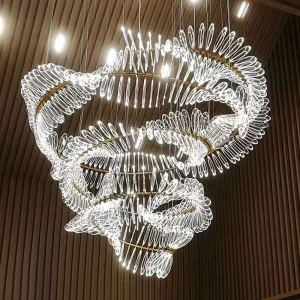
Established in 2013, Ningbo Layr Light Co., Ltd. has rapidly grown into a prominent professional decorative lighting manufacturer and global exporter. Strategically headquartered in Ningbo, Zhejiang Province, our positioning grants us unparalleled access to advanced logistics nodes, world-class shipping networks, and an extensive supply chain ecosystem. Over the past decade, we have dedicated our engineering capabilities to integrating advanced Research and Development (R&D) with large-scale industrial manufacturing, specializing in custom LED luminaires, architectural lighting systems, and modern smart lighting controllers.
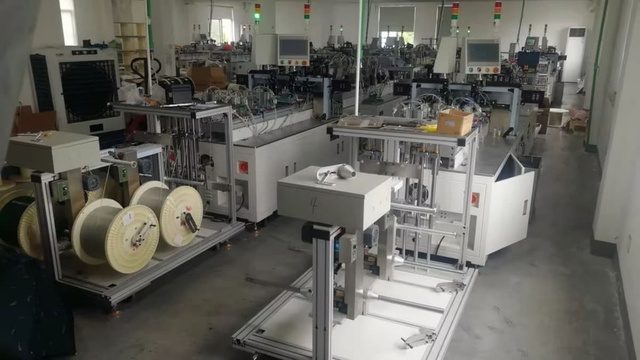
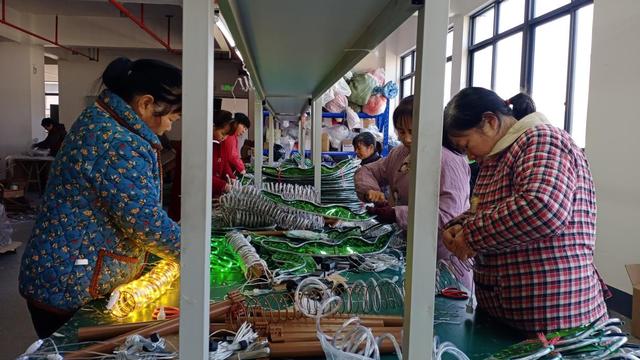
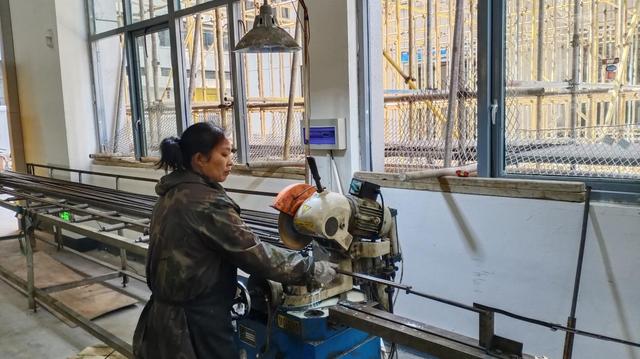
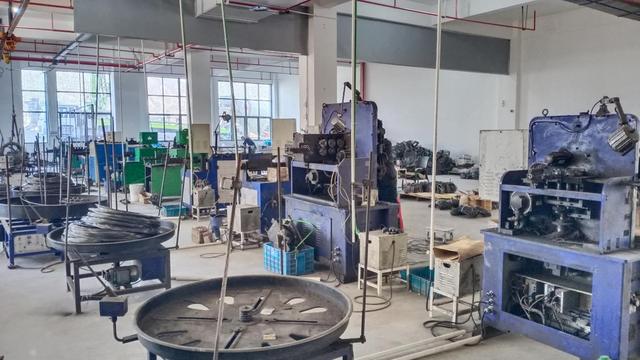
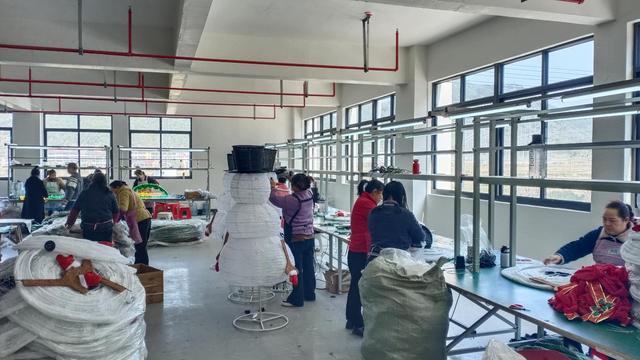
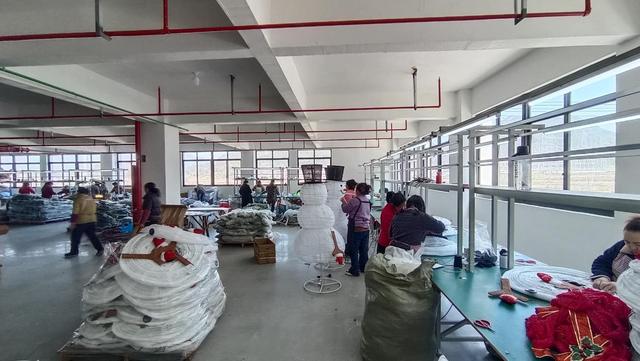
Our state-of-the-art manufacturing campus spans more than 15,000 square meters and is powered by a dedicated workforce of over 220 highly skilled technicians, design engineers, and quality management specialists. From initial optical simulations and custom tooling production to assembly, aging testing, and logistics routing, every process is unified under one roof. By leveraging advanced automated production lines and comprehensive spectroscopic and photometrical testing equipment, we ensure that every smart fixture, controller, and system accessory leaving our facility meets the absolute highest parameters of luminous efficacy, thermal dissipation, and long-term operating reliability.
As a trusted OEM/ODM manufacturing partner, Layr Light provides comprehensive customization options, including circuit layout modifications, bespoke firmware development, custom packaging, and site-specific photometric design support (such as Dialux planning). Our export markets span North America, Europe, the Middle East, Southeast Asia, and Australia. Through continuous investment in wireless communication protocols (Bluetooth Mesh, Zigbee, Wi-Fi, and Thread), we empower global distributors, contractors, and building developers to implement seamless, energy-efficient lighting controls that are forward-compatible with broader smart building ecosystems.
The global lighting landscape is undergoing a structural transition from traditional wired systems (such as DALI or 1-10V control networks) to dynamic wireless lighting topologies. The primary driver of this shift is the substantial reduction in installation complexity and capital expenditure (CAPEX). By eliminating the need to run dedicated low-voltage communication wires through walls, ceilings, and structural columns, developers can reduce installation labor costs by up to 60%. Furthermore, wireless systems enable rapid retrofits in historical or existing buildings where altering structural surfaces is strictly regulated.
Utilizing Bluetooth Mesh, Zigbee, and Thread architectures to guarantee seamless device-to-device communication and self-healing networking profiles.
Integrated Pulse Width Modulation (PWM) and constant-current drivers supporting flicker-free dimming from 0.1% to 100% and dynamic CCT control.
Equipped with locally stored scheduling tables and localized sensor evaluation algorithms to ensure functionality even when cloud connectivity is lost.
Layr Light addresses this macro landscape by designing luminaires that natively integrate with industry-standard control topologies. By incorporating premium RF chips into our power drivers, our products become node points in a highly resilient mesh framework. In a mesh network, each luminaire acts as a signal repeater. This structural design eliminates the risk of single-point-of-failure disconnects, as the control signal dynamically reroutes itself around physical obstructions or malfunctioning nodes. This ensures that large-scale installations (e.g., hundreds of light points across a multi-story hotel or an outdoor festival venue) maintain immediate responsiveness.
Across global commercial markets—from Class-A office buildings to high-end hospitality complexes—there is an urgent demand for smart lighting systems that contribute directly to corporate environmental objectives (such as Net Zero carbon targets and LEED/BREEAM certifications). Traditional manual switching is no longer viable in energy-conscious environments. Modern commercial spaces rely on automated occupancy sensing, daylight harvesting, and scheduled load shedding to drive energy usage down by up to 45%.
Our wireless systems support these operational demands. By incorporating advanced sensors that communicate natively with our LED controllers via Zigbee or Bluetooth Mesh protocols, we enable facilities managers to configure adaptive illumination zones. When natural daylight flows through a building's glass facade, the nearby perimeter light fixtures dim proportionally to maintain a constant, pre-configured lux level. Similarly, transit spaces, such as corridors and stairwells, transition to low-power standby modes when motion sensors detect no occupancy, drastically reducing vampire power draw.
| Protocol / Standard | Ideal Application Environment | Max Transmission Range | Topology / Resilience | Typical Integration Status |
|---|---|---|---|---|
| Bluetooth Mesh | Dense indoor commercial office spaces, luxury hotels | Up to 100 meters (node-to-node) | Multi-path Mesh (No single point of failure) | High interoperability with smartphones & tablets |
| Zigbee 3.0 | Smart home environments, local lighting loops | Up to 75 meters (dependent on obstacles) | Dynamic Mesh (Self-healing routing) | Requires central gateway for external internet access |
| Wi-Fi (2.4GHz / 5GHz) | Direct consumer controls, localized decorative strips | Dependent on local AP layout | Star Topology (Heavily dependent on router) | Native cloud integration, high bandwidth usage |
| DALI / Wired hybrid | Legacy building management systems (BMS) | Up to 300 meters (wired loop limits) | Linear / Star bus (Wired connections) | Requires dedicated physical conversion gateways |
Entering major global markets requires strict compliance with region-specific electrical safety, environmental, and performance standards. Layr Light prioritizes these regulatory frameworks from the early stages of product engineering. Our production lines conform to ISO 9001:2015 standards, and our products undergo rigorous testing by recognized third-party labs (such as SGS, TUV, and Intertek) to ensure they meet and exceed localized compliance requirements.
For the European market, our products carry the CE mark and comply with the latest ErP Directive (EU) 2019/2020. This regulation dictates stringent ecological design parameters, focusing on energy efficiency class ratings, color rendering indexes (CRI > 80 minimum, CRI > 90 for indoor specifications), and strict circular economy guidelines regarding the replacement of light sources and control gear by qualified personnel. In North America, we utilize electrical components that comply with UL/ETL standards, ensuring safe installation on standard 110V/277V grids while meeting the strict flame-retardant and thermal criteria necessary to pass building inspections.
Furthermore, environmental sustainability is integrated into our manufacturing processes. All our raw materials are verified under the RoHS (Restriction of Hazardous Substances) Directive, ensuring our products are free from lead, mercury, cadmium, and hexavalent chromium. This attention to detail reduces the environmental footprint of our products at the end of their lifecycle and ensures safety during installation, maintenance, and operation.
To understand the versatility of Layr Light's wireless lighting systems, we can examine how they perform across diverse, highly demanding architectural and outdoor installations:
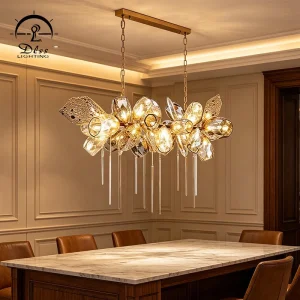
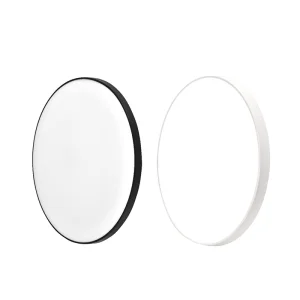
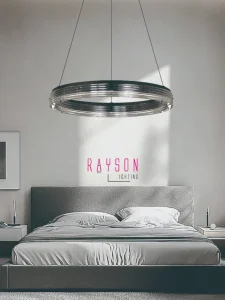
In modern hotel lobbies and guest rooms, lighting directly shapes the customer experience. By installing our custom modern chandeliers and CCT-adjustable ceiling fixtures, hotels can implement automated time-of-day scheduling. The reception area can transition from crisp, productive daylight configurations (4000K) during check-in hours to warm, inviting amber tones (2200K) in the evening. Guests can control these presets directly via their smartphones or dedicated bedside wall panels, without complex room controllers or wiring.
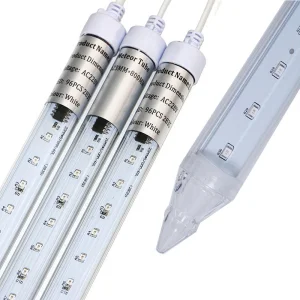
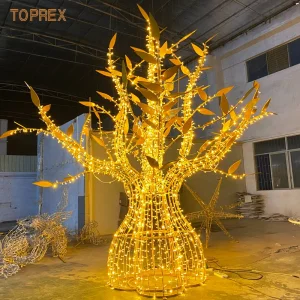
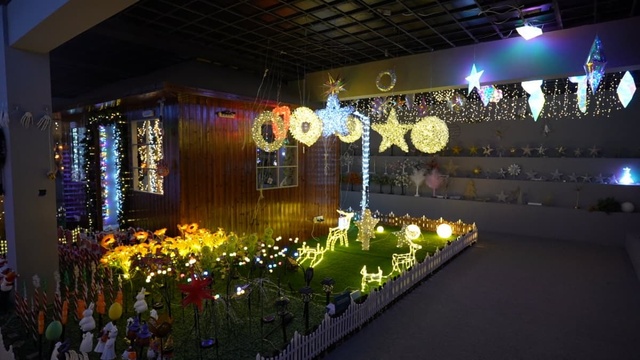
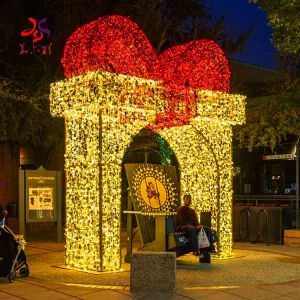
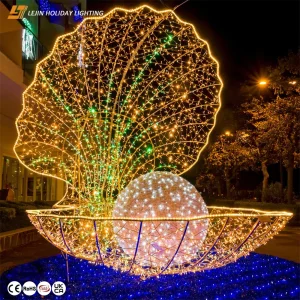
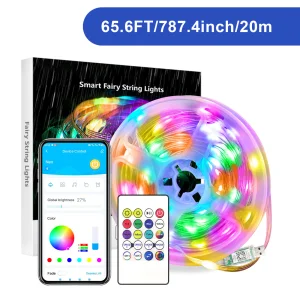
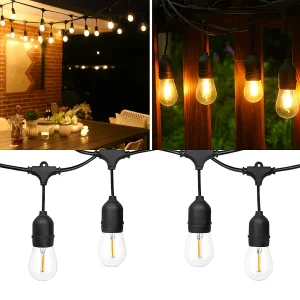
Outdoor public spaces, street decoration campaigns, and theme parks require lighting systems that combine decorative appeal with industrial-grade durability. Our falling star tubes, custom LED motif lights, and RGB wall washers are built to withstand harsh environments. By utilizing IP65 and IP67 waterproof enclosures, UV-stabilized materials, and heavy-duty T-connectors, these systems withstand extreme rain, wind, and wide temperature fluctuations. A central wireless master controller can synchronize complex animation sequences across hundreds of outdoor fixtures, turning municipal parks and building envelopes into interactive visual experiences.
Because these systems are designed as a modular topology, maintenance crews can quickly expand or reconfigure layouts. If a single branch is physically damaged by environmental factors, the remaining lighting arrays continue to operate normally. This reduces maintenance costs and minimizes system downtime.


The future of wireless lighting systems lies in their integration with the broader Internet of Things (IoT). We are transitioning from simple remote control options to cognitive, self-optimizing illumination environments. Our R&D roadmap focuses on three primary pillars of technological evolution:
1. Matter Protocol Interoperability: As the global smart-home and smart-building sectors align under the unified Matter protocol, we are updating our controller firmware to ensure native compatibility. This enables our commercial-grade fixtures to integrate with platforms like Apple Home, Google Home, Amazon Alexa, and Samsung SmartThings without custom bridging hardware.
2. AI-Driven Adaptive Tuning: By integrating localized micro-controllers directly onto the LED driver boards, future generations of our luminaires will analyze localized ambient conditions in real time. These edge processors will optimize energy consumption while adjusting color temperatures to match natural human circadian rhythms, improving comfort and productivity in corporate settings.
3. Dynamic Predictive Maintenance: Our wireless modules monitor real-time operating metrics, including driver temperatures, current fluctuations, and cumulative runtime. This telemetry data is compiled and sent to local building management gateways, allowing facilities managers to identify and service declining components before an active failure occurs.
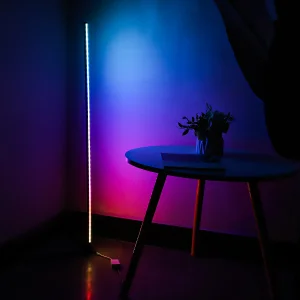
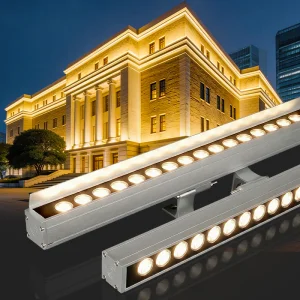
Designed for premium indoor ambience and high-performance building exterior illumination with integrated smart controls.
 Layr Light