Engineered for high performance, thermal efficiency, and aesthetic refinement in custom projects worldwide.
Decoding the shifts in energy regulations, wireless integrations, and material sciences dictating luminaire specifications.
Modern commercial specifications mandate seamless integration with IoT platforms. From basic sensor integrations to comprehensive Zigbee, DALI-2, and Bluetooth Mesh networking, fixtures must function dynamically within Building Management Systems (BMS) to optimize luminous output based on occupancy and daylight availability.
Architectural lighting is transitioning from static CCT to dynamic spectral layouts. Harnessing multi-channel LEDs that replicate natural daylight cycles increases productivity and physiological comfort in healthcare, hospitality, and office environments, shifting procurement demands toward modular, addressable drivers and controllers.
Strict global standards (such as the EU Ecodesign Directive and ErP regulations) have shifted engineering focuses toward modular construction. Luminaires are engineered for toolless disassembly, allowing component-level upgrades (such as replaceability of drivers or LED light engines) to minimize e-waste and maximize systemic lifespan.
As energy costs escalate alongside rigorous carbon reduction mandates, the primary benchmark for institutional buyers has transitioned from nominal cost-per-unit to comprehensive system efficacy (lumens per watt). Historically, decorative and custom landscape luminaires operated with a compromise on output efficiency due to diffusion challenges and optical losses. Today, through high-refractive-index PMMA optics, multi-layer anti-reflective coatings, and advanced mid-power LED packages, specialized China manufacturers like Ningbo Layr Light Co., Ltd. achieve system efficiencies exceeding 130 lm/W even within complex form factors and waterproof outdoor architectural layouts.
Crucial to this performance paradigm is thermal management. High-performance aluminum alloys combined with finite element analysis (FEA) thermal modeling ensure that junction temperatures remain well below critical limits under continuous outdoor operation. This engineering integrity safeguards color consistency (macadam ellipse threshold maintenance < 3 SDCM) and prevents early degradation, protecting long-term capital investments for global contractors.
Ningbo Layr Light Co., Ltd. integrates state-of-the-art facilities with geographic logistics advantages to orchestrate high-capacity global supply lines.
Established in 2013 in the major industrial and shipping hub of Ningbo, Zhejiang Province, Ningbo Layr Light Co., Ltd. represents the modern paradigm of China's advanced manufacturing. Operating a modern facility spanning over 15,000 square meters, the enterprise organizes its operational flows on lean manufacturing principles. With a team of more than 220 trained personnel, the manufacturer integrates all steps of product realization—from industrial design, physical engineering, and custom precision tooling, to complete surface-mount technology (SMT) production, powder coating, and systematic quality assurance.
Operating in close proximity to the Port of Ningbo-Zhoushan—the world's busiest port by cargo tonnage—allows Layr Light to reduce international shipping transit times and minimize regional logistics constraints. In an era marked by maritime bottlenecks and unstable transport costs, this localized integration acts as a safeguard. It ensures consistent raw material supplies and reliable container loading schedules to maintain project timelines for international buyers.
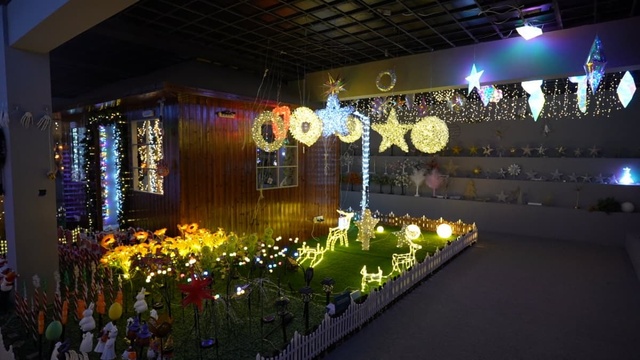
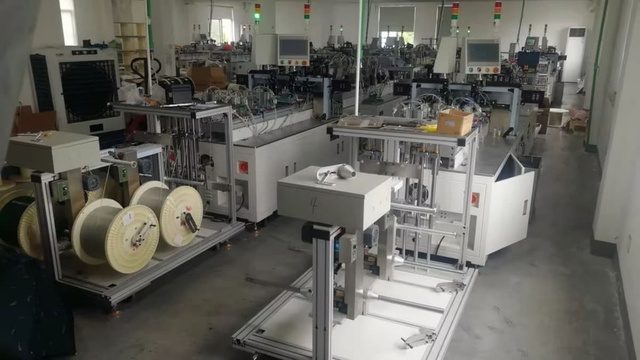
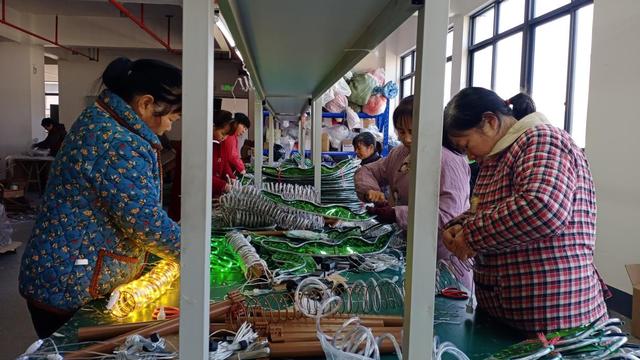
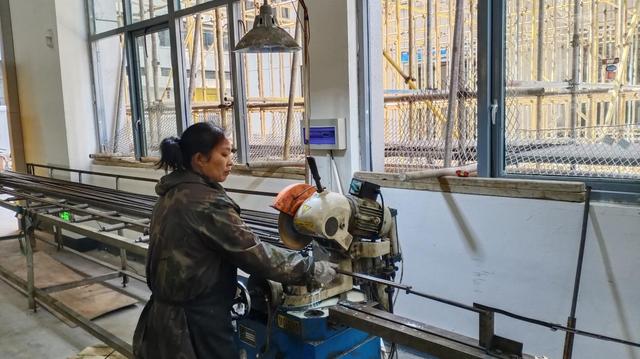
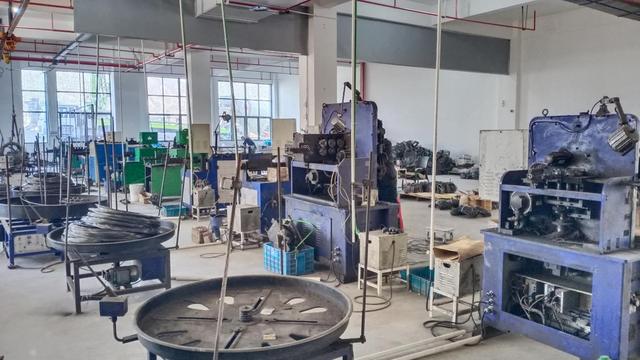
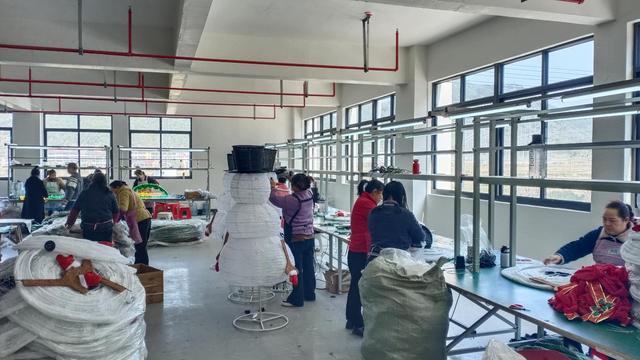
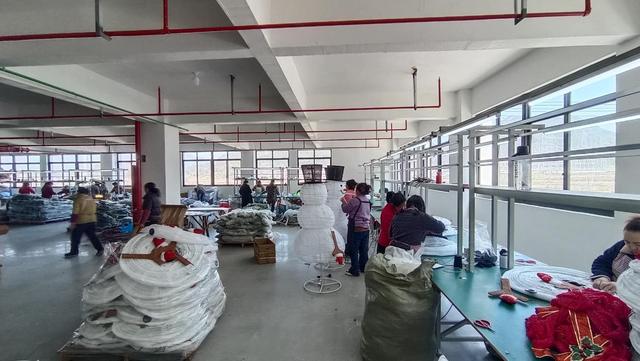
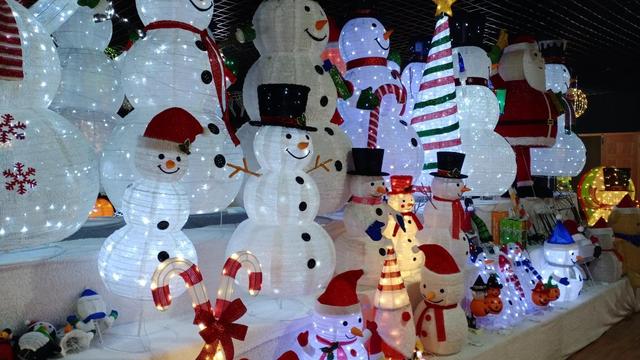
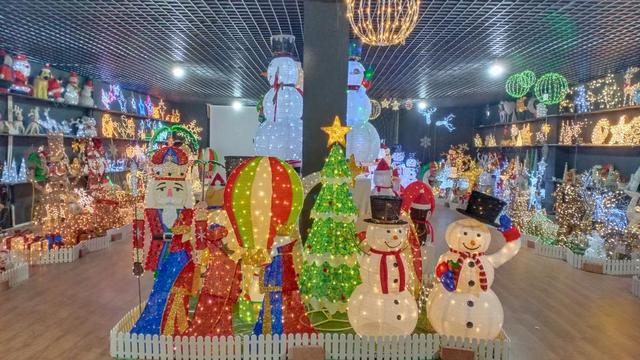
Inside our advanced 15,000 m² Ningbo manufacturing plant, utilizing automated SMT, IP65 ingress testing chambers, and precision CNC machinery.
Analyzing key structural, optical, and compliance frameworks critical for commercial and industrial luminaire verification.
Procuring lighting fixtures at an enterprise scale involves evaluating technical and regulatory parameters that directly affect project viability and operational costs. For international engineering firms, commercial real estate developers, and hospitality networks, a lighting supplier must serve as more than a manufacturing source. They must act as an engineering partner capable of translating complex design drafts into certified, long-lasting hardware.
A major advantage of sourcing from Chinese suppliers like Ningbo Layr Light is the speed of custom product development. While Western brands often require long lead times for custom fittings, our integrated Zhejiang facility handles everything from initial CAD design to 3D prototype printing and optical testing within weeks. This agility allows contractors to match specific architectural concepts with custom finishes, custom mounting plates, and calibrated power outputs.
Demonstrating how tailored LED innovations perform under diverse geographical, atmospheric, and design requirements.
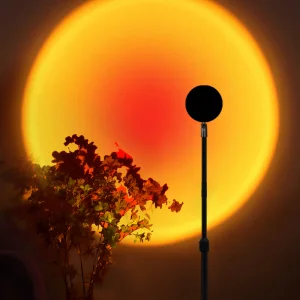
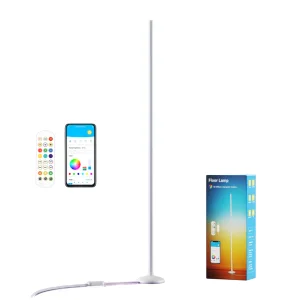
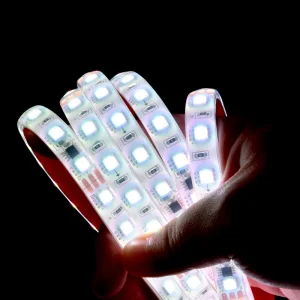
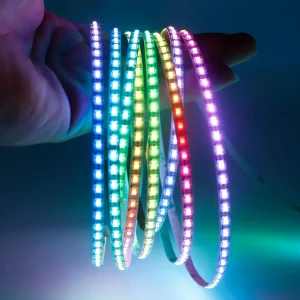
Integrating minimalist linear profiles and indirect lighting strips with smart home networks. Using RGBIC systems allows users to adjust light scenes via mobile apps or voice assistants, turning basic residential spaces into interactive visual environments.
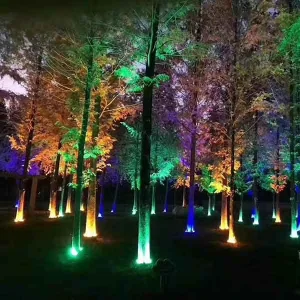
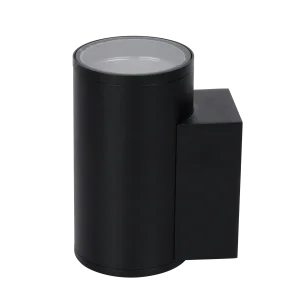
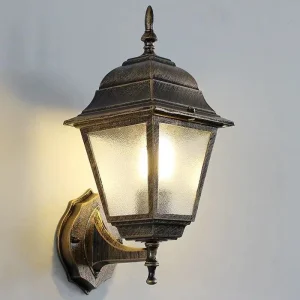
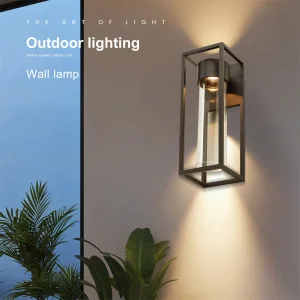
Highlighting structural features of hotels, towers, and public plazas with outdoor lawn fixtures and IP65-rated wall sconces. Corrosion-resistant coatings protect finishes against coastal salt spray and industrial air conditions.
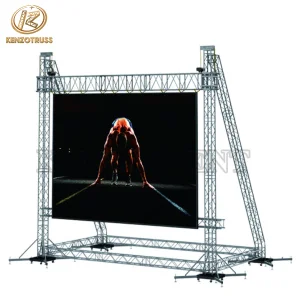
Supplying mobile aluminum truss backdrops, ambient wash lights, and projection fixtures for event rental companies. Modular assemblies allow for fast setup, secure teardowns, and consistent structural loads under heavy stage requirements.
Combining design elegance with robust electrical safety certifications for diverse indoor settings.
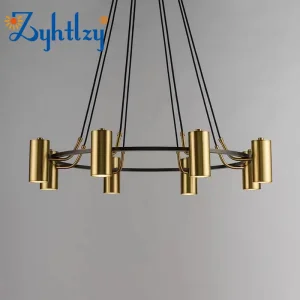
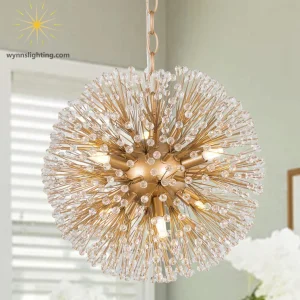
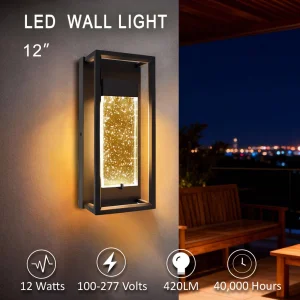
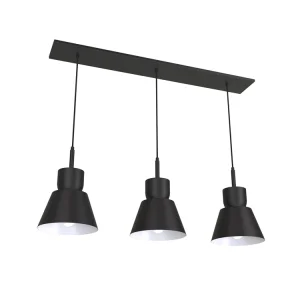
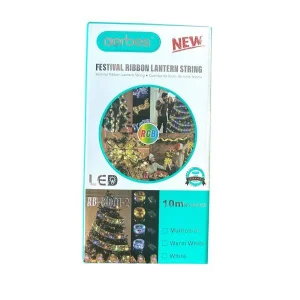
The performance of an LED fixture depends heavily on its heat dissipation capabilities. Layr Light uses ADC12 grade die-cast aluminum housings in its architectural range. This provides high thermal conductivity, helping transfer heat away from the LED array. When paired with high-conductivity thermal interface materials (TIMs), the thermal path from the LED junction to the outer cooling fins remains highly efficient. This thermal design keeps the junction temperature below 75°C (under ambient conditions of 25°C), preventing lumen depreciation and chromaticity shifts.
Modern interior and exterior projects require specific beam control to avoid light pollution and glare. Our optical engineering team designs custom PMMA (Polymethyl Methacrylate) and PC (Polycarbonate) lenses to achieve symmetric, asymmetric, and double-asymmetric light distributions. Whether designing a narrow 15° beam for high-ceiling spot lighting or a wide 120° uniform spread for security and landscape lighting, our optics maximize light delivery onto target surfaces. By reducing spill light, our fixtures help projects meet regional green building standards like LEED and WELL.
The electronic driver is often the most critical point of maintenance in an LED system. Layr Light uses robust LED drivers with power factor correction (PFC > 0.95) and low total harmonic distortion (THD < 15%). These drivers feature built-in protection against over-voltage, over-current, short-circuits, and high temperatures. For outdoor systems exposed to unstable power grids, we integrate 4kV to 10kV surge protection devices (SPDs), minimizing maintenance costs and ensuring long system runtimes in municipal and industrial applications.
Outdoor and seaside environments expose fixtures to salt, humidity, and UV rays. Layr Light applies a multi-stage surface treatment process: mechanical shot blasting, chemical degreasing, conversion coating, and electrostatically applied polyester powder coating. This protective layer is cured under precise temperature controls, passing 500-hour salt spray tests. This treatment ensures the fixtures remain corrosion-free, maintaining their clean aesthetic throughout their service life in coastal resorts, urban parks, and industrial zones.
Addressing the common questions raised by engineering firms, project specifiers, and procurement managers.
For custom lighting solutions, initial CAD drawings are completed within 3 to 5 business days. Once the designs are approved, physical prototypes are created using 3D printing or CNC machining in 7 to 10 days. The production of formal steel tooling for die-casting or extrusion typically requires 25 to 30 days, followed by mass production runs depending on the order volume.
We use LED chips from top manufacturers (such as Cree, Osram, and San'an) with tightly binned MacAdam Ellipse color specifications. Our quality control lab uses integrating spheres and goniophotometers to test each batch of incoming LEDs. This process ensures color temperature variation remains within 3 steps of MacAdam (SDCM < 3), maintaining color uniformity across large installations.
Yes, our fixtures support a range of control protocols. We configure drivers for DALI-2, 0-10V, and TRIAC dimming. For smart systems, we integrate wireless modules for Zigbee, Casambi, and Tuya/Wi-Fi, allowing seamless connectivity with automation systems in smart residential and commercial projects.
All outdoor products undergo strict ingress tests. We perform vacuum pressure tests on the assembly lines to verify seals, along with IPX5 and IPX6 water spray tests. Additionally, we run thermal shock tests and high-low temperature chamber tests (ranging from -40°C to +60°C) to ensure housing and electronic components maintain their seals under extreme weather conditions.
Our products are engineered and certified to meet the standards of major global markets. We hold CE, RoHS, and GS certifications for Europe, UL and ETL listings for the North American market, SAA certifications for Australia and New Zealand, and CB reports to simplify local approvals in various target countries.
We design our housings with integrated heat sinks using ADC12 die-cast aluminum. This material offers high thermal conductivity. We also run finite element thermal simulations during design to ensure adequate heat dissipation channels. This management keeps the junction temperature of the LED chip low, maintaining performance and lifespan.
 Layr Light