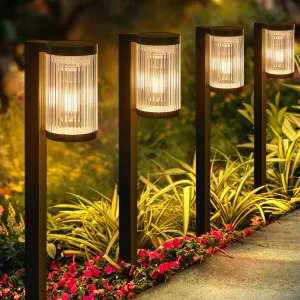
Explore our top collection of indoor architectural decorative items, energy-efficient landscaping, and commercial-grade solar luminaire fixtures designed to meet strict international certifications.
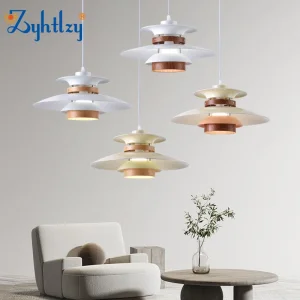
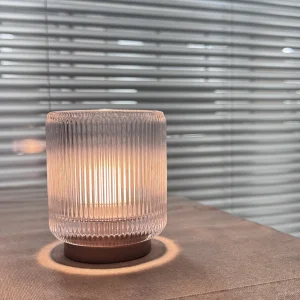
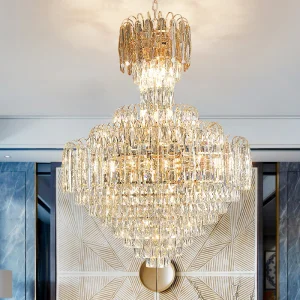

As global net-zero regulations tighten, the industrial lighting matrix is undergoing a seismic shift from passive power consumption to localized, grid-independent generation. Modern solar lighting is no longer restricted to residential pathway aesthetics. Instead, it has established itself as an indispensable vertical in commercial, architectural, municipal, and remote industrial site development.
By shifting the power generation bottleneck directly onto the luminaire itself, businesses avoid the exorbitant costs associated with trenching, conduit laying, and complex grid integration. In rural infrastructure, remote defense sectors, and coastal development areas, off-grid systems act as critical infrastructure that guarantees localized resilience and persistent illumination during high-stress grid blackouts.
For global distributors, B2B procurement agents, and lighting consultants, importing standard fixtures is no longer a viable competitive approach. Instead, the focus has shifted to identifying reliable manufacturers capable of delivering customized technical specs. System parameters such as battery cell configuration (specifically LiFePO4 chemistry), MPPT controller logic, high-lumen optical designs, and structural resilience to thermal fluctuations have become standard topics during the wholesale bidding phase.
Furthermore, the growth of smart energy platforms requires developers to analyze how their luminaires communicate with external management software. Whether via Zigbee, LoRaWAN, or cellular networks, modern fixtures act as crucial points of data collection, enabling remote power allocation, diagnostics, and precise dimming cycles that significantly extend component lifespans.
Ningbo Layr Light Co., Ltd. is a professional decorative lighting manufacturer specializing in custom LED lighting, architectural lighting systems, and smart lighting solutions for residential, commercial, hospitality, and public-space applications. Established in 2013, the company is located in Ningbo, Zhejiang Province, China, a major manufacturing and export center with convenient access to international shipping networks.
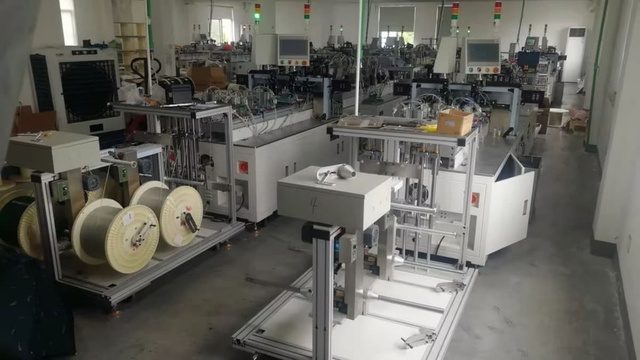
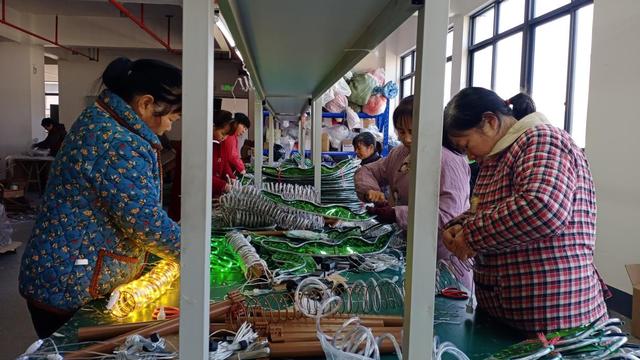
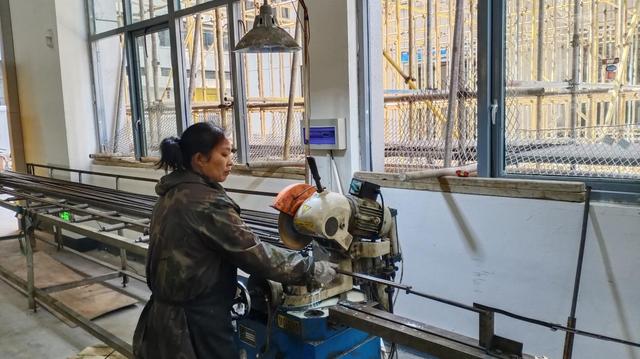
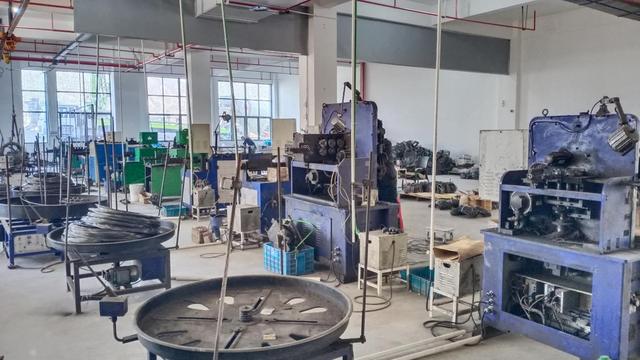
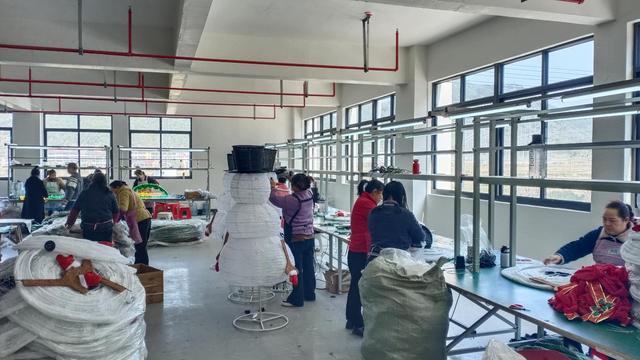
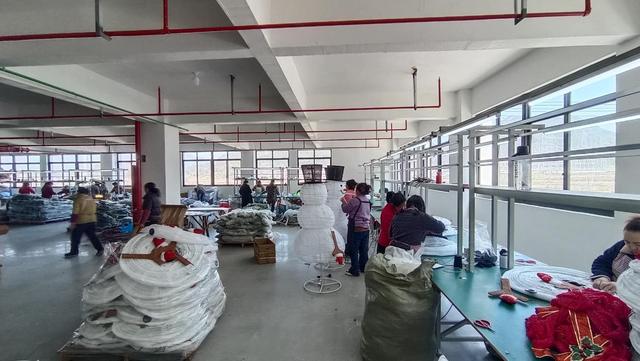
With a modern manufacturing facility covering more than 15,000 square meters and a team of over 220 experienced employees, Layr Light integrates product design, engineering, tooling, production, quality management, and global sales operations. The company operates advanced production lines and testing equipment to ensure reliable performance, energy efficiency, and compliance with international quality standards.
Layr Light offers a diverse portfolio of decorative lighting products and customized solutions, including architectural lighting fixtures, smart lighting systems, indoor decorative lighting, outdoor landscape lighting, hospitality lighting, commercial lighting, and project-based lighting designs. The company continuously invests in LED technology, intelligent control systems, and innovative design capabilities to meet the evolving needs of architects, designers, contractors, and brand owners worldwide.
As a trusted OEM and ODM manufacturing partner, Layr Light provides comprehensive customization services, including product development, private labeling, lighting project support, packaging design, and technical consultation. Its products are exported to North America, Europe, the Middle East, Southeast Asia, Australia, and other international markets.
Analyzing the engineering advances that enable our systems to deliver uninterrupted illumination in high-demand settings.
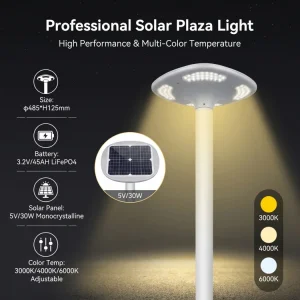
Moving away from traditional lead-acid or standard Li-ion chemistries, we utilize top-grade Lithium Iron Phosphate cells that offer over 2,000-3,000 charging cycles, extreme thermal safety profiles, and stable performance at temperatures ranging from -20°C to 65°C.
Our panels feature highly purified monocrystalline silicon lattices, achieving photoelectric conversion rates of up to 22.5%. This ensures that even under cloudy, low-radiation conditions, the system collects enough energy to prevent complete blackouts.
Maximum Power Point Tracking (MPPT) algorithms track PV output in real-time, adjust input voltage dynamically, and increase charging efficiency by 15-30% compared to traditional PWM systems, even during partial shade.
From coastal pathways to large commercial sites, our fixtures are designed to thrive in challenging environments.
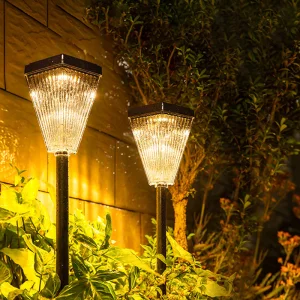
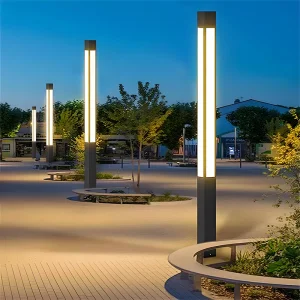
Urban parks require a balance between high safety levels and artistic integration. Using solutions like our IP55 Landscape Lawn Lights and Reliable Decorative Solar Pathway Lights, urban planners can implement ambient decorative layouts without disrupting existing landscapes or installing expensive cabling infrastructure.
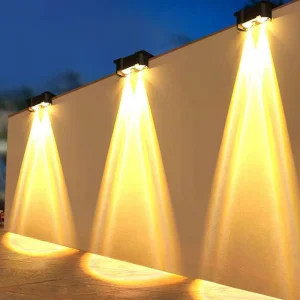
Salty air and moisture can quickly damage lower-grade fixtures. Our systems feature anodized aluminum housings (such as the IP65 Solar Aluminum Long Strip Fence Light) that resist oxidation, prevent water ingress, and maintain structural integrity in high-humidity coastal regions.
Commercial spaces rely on architectural lighting to build brand identity. Our Luxury Stainless Steel Lighting System allows developers to combine bold architectural lighting layouts with eco-friendly certifications, helping projects meet modern ESG and green building standards.
Looking toward 2030, the global solar market is moving past simple standalone units toward fully connected networks. With the roll-out of 5G and IoT infrastructure, luminaires are becoming primary mounts for small-cell antennas, air-quality sensors, and smart surveillance.
For B2B buyers, this shift changes how they evaluate manufacturing partners. Suppliers are now judged on their software compatibility, sensor integration capabilities, and custom PCB designs, rather than just basic assembly.
Additionally, circular economy principles are changing material choices. Today's components must be designed for easy recycling, using non-toxic materials, modular parts that simplify field repairs, and housing alloys that can be recycled at the end of their operational life.
Ningbo Layr Light is at the forefront of this shift, continuously testing new green materials, manufacturing techniques, and smart control systems to ensure our clients stay ahead in a changing market.
High-efficiency systems engineered for architectural design, commercial properties, and creative indoor/outdoor spaces.
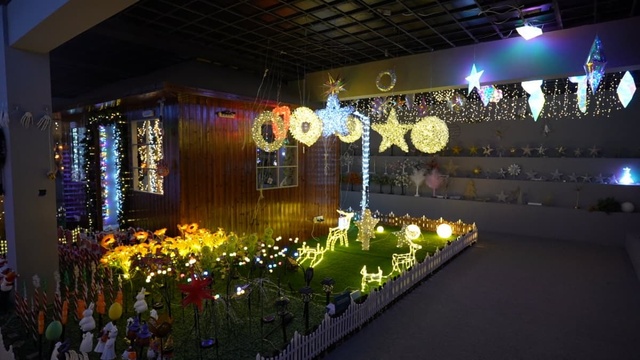
Our ISO-compliant facility features specialized clean rooms, robotic assembly setups, and advanced testing laboratories.


Find detailed, technical answers about custom orders, manufacturing standards, and installation setups.
 Layr Light