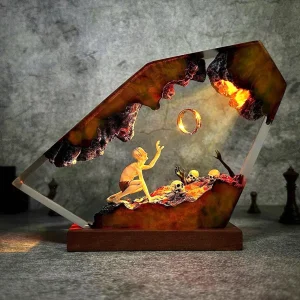
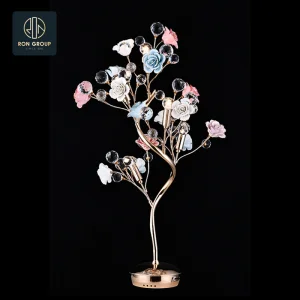
A curated collection of innovative illumination products engineered to enhance spatial dynamics, user interaction, and commercial aesthetic values.
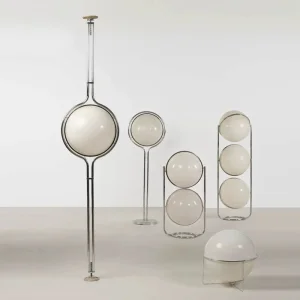
Exhibition environments represent a sophisticated synthesis of architectural space, storytelling, and targeted human interaction. In these settings, light is not merely a utility; it operates as an invisible architecture that guides focus, establishes hierarchies of importance, and shapes the emotional and cognitive states of visitors. Understanding the physics of light—specifically metrics like Color Rendering Index (CRI), TM-30-15 vector graphics, and spectral power distribution—is paramount for engineers designing temporary or permanent galleries.
High-CRI fixtures (specifically those with R9 values exceeding 90) are essential for rendering highly saturated colors realistically, preventing the washed-out aesthetic common under lower-grade commercial LEDs. Contrast ratios between highlight accents and ambient base-lighting levels determine visual pacing. While ambient illumination establishes a sense of comfort, tight, well-collimated spotlights highlight product geometry, cast defining shadows, and create the necessary drama to capture passerby attention.
Studies in visual merchandising suggest that a 5:1 contrast ratio between the display object and its background significantly increases noticeability. Boosting this ratio to 15:1 or higher enhances perceived value and establishes a strong focal hierarchy, keeping the attendee's gaze fixed on core elements for a longer duration.
As a prominent leader within China's specialized lighting cluster, Ningbo Layr Light Co., Ltd. is a professional decorative lighting manufacturer specializing in custom LED lighting, architectural lighting systems, and smart lighting solutions for residential, commercial, hospitality, and public-space applications. Established in 2013, the company is strategically situated in Ningbo, Zhejiang Province, China—a primary manufacturing hub granting unparalleled access to international shipping networks, component suppliers, and metallurgical fabrication experts.
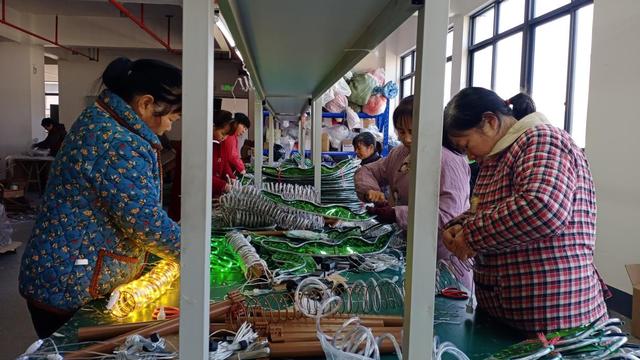
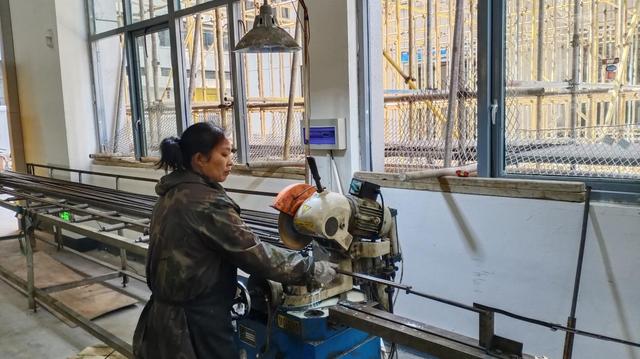
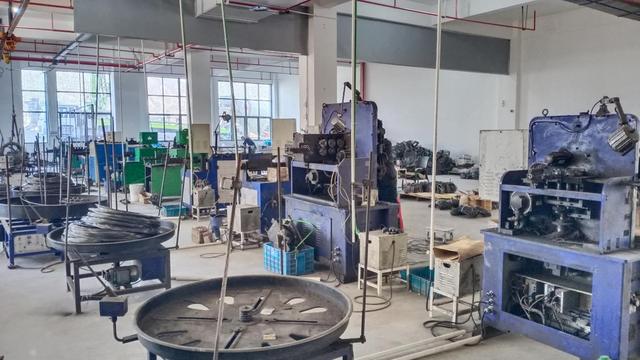
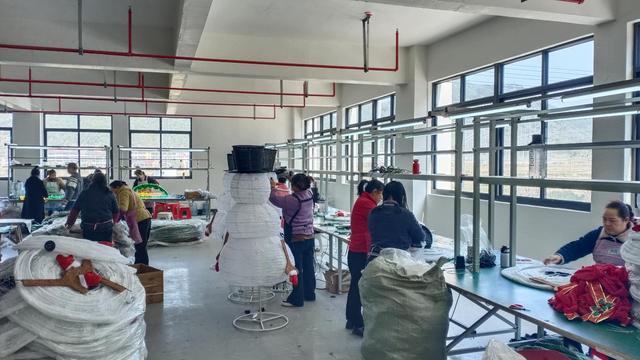
Operating a modern manufacturing facility that spans more than 15,000 square meters, Layr Light brings together design, structural engineering, optical simulation, automated tooling, assembly, and quality management under a single integrated roof. Supported by a workforce of over 220 experienced professionals, the company maintains advanced production facilities and photometrical testing laboratories (including integrating spheres and goniophotometers) to verify luminous efficacy, color consistency, and thermal stability in compliance with stringent global requirements.
Layr Light's diverse portfolio spans custom architectural elements, intelligent control networks, landscape arrays, and project-based installations. By utilizing advanced ODM and OEM development cycles, Layr Light provides tailored solutions that address the engineering and design needs of architects, global brand owners, and interior contractors worldwide.
Sourcing exhibition and display lighting systems from China offers distinct supply chain advantages. Rather than simple cost reduction, the strategic advantage lies in industrial clustering, technological agility, and rapid scale-up capabilities.
Ningbo and the wider Zhejiang region house an unmatched concentration of raw material processors, LED driver manufacturers, optical lens molders, and testing labs. This geographical density shortens product iteration cycles from months to days.
Chinese manufacturers have developed flexible manufacturing protocols, enabling them to accommodate customized lengths, custom-colored finishes, and variable beam-angle configurations without requiring prohibitive minimum order quantities.
Reputable factories maintain internal laboratories aligned with international standards. This ensures that custom orders arrive with necessary UL, cUL, CE, RoHS, and FCC marks ready for immediate integration.
The temporary nature of exhibitions has traditionally prioritized cheap, disposable installations. Today, a clear paradigm shift toward sustainability, versatility, and intelligence is redefining the market:
Exhibition lighting applications require unique considerations based on the layout, duration, and type of display:
These dynamic, high-glare environments require high-output, low-glare spotlighting to cut through overhead venue lights. High-efficacy track heads with custom honeycombs help direct beam distributions, maintaining clean booth sightlines while focusing attention directly onto key products.
Delicate textiles and historical artifacts require zero UV/IR radiation and exceptionally precise thermal management to prevent material degradation. In these contexts, fiber optic systems or remote-phosphor LEDs combined with anti-reflective glazing preserve history while rendering fine details clearly.
High color fidelity is critical in gallery settings. Dimmable wall-washers provide uniform vertical illumination across large canvases, while framing projectors shape light to match the artwork's borders, creating an eye-catching self-illuminated appearance.
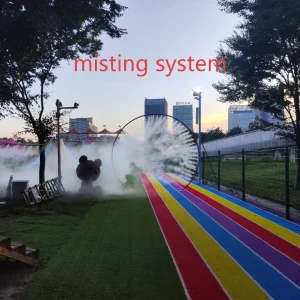
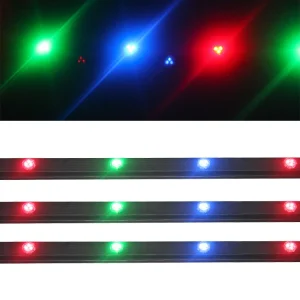
Temporary outdoor events require rugged IP-rated fixtures. Systems such as structural misting rings combined with multi-chip RGBW luminaires create dramatic visual effects and cool the surrounding environment, drawing in pedestrian traffic during summer heat.
A guide for global enterprise buyers auditing and selecting manufacturers for large-scale exhibition displays:
Layr Light exports to high-standard markets including North America, Europe, the Middle East, Southeast Asia, and Australia, ensuring full compliance with local regional electrical requirements.
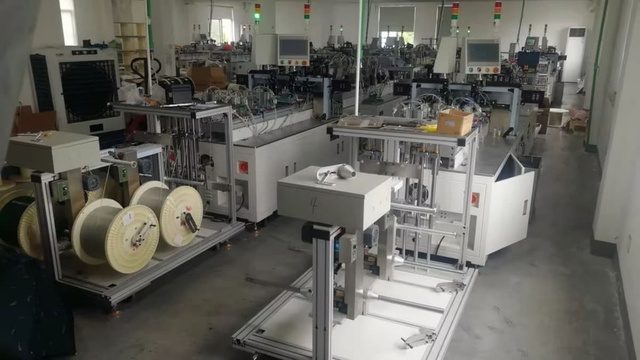
A tour of our manufacturing facility, testing laboratories, assembly lines, and high-precision machinery based in Ningbo.
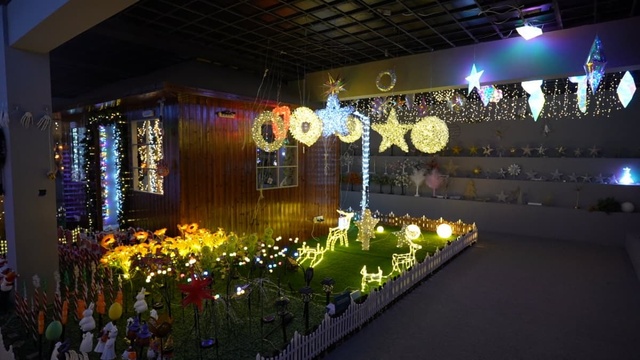
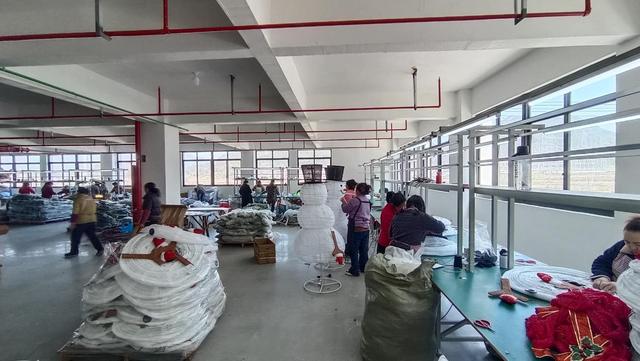
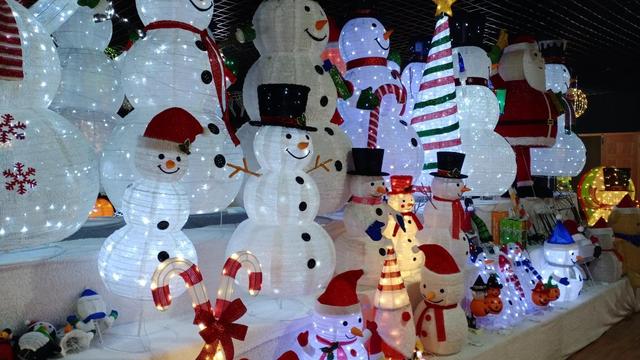
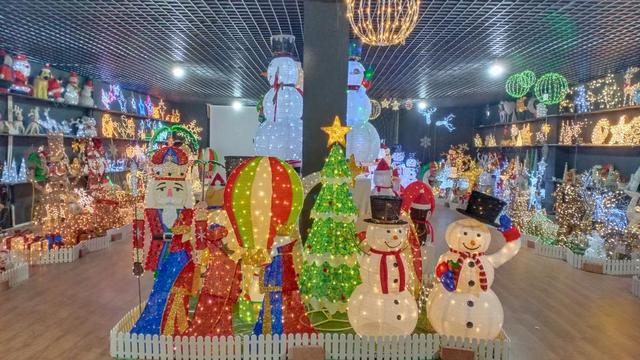
Executing large-scale spatial illumination projects requires a structured workflow to transition from initial concept to physical installation successfully. At Layr Light, we follow a systematic process designed to deliver consistency, quality, and performance at every stage:
Our engineering team analyzes spatial layouts, target lux requirements, and architectural plans. Using Dialux software, we generate photometric models that map beam distributions and identify potential glare before production begins.
We develop customized mechanical housings, select performance drivers, and design targeted optics. Physical prototypes are fabricated and evaluated under active thermal loads to ensure stable operation.
Production batches undergo continuous testing, including 48-hour burn-in cycles, high-voltage surge assessment, and precise spectrometer evaluation to confirm color temperature consistency across all fixtures.
Expert answers to technical questions concerning exhibition lighting specifications, procurement, and system integration.
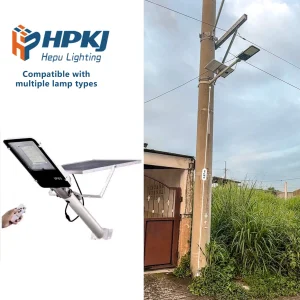
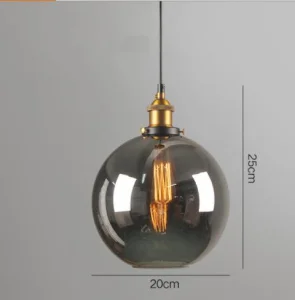
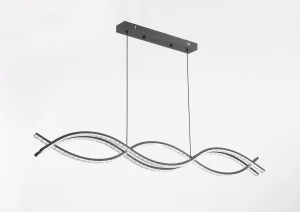
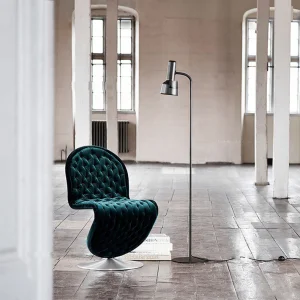
Explore our secondary catalog of specialty fixtures, engineered for high reliability, longevity, and structural integration.


 Layr Light