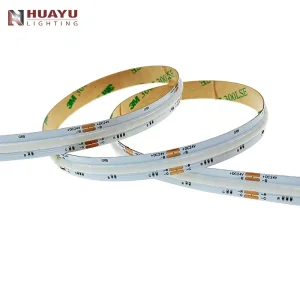
In the modern commercial building and architectural landscaping landscapes, the selection of linear light-emitting diode (LED) systems has transitioned from simple accent accessories to critical, load-bearing spatial illumination. Today's commercial developments, luxury residential complexes, high-end hotels, and municipal spaces demand robust linear lighting solutions that integrate seamlessly with sophisticated building management networks. A critical element of modern spatial design is the transition from point-source lighting to continuous, dot-free linear light matrices, widely known as COB (Chip-on-Board) and high-density SMD (Surface Mounted Device) configurations.
Selecting reliable manufacturers is no longer merely a procurement exercise. It has become a strategic partnership determining project lifecycle viability, energy compliance rating, and maintenance ROI. As architectural elements become more complex, factors such as thermal dissipation efficiency, copper PCB thickness, binning consistency, color rendering index accuracy (CRI > 90 / R9 > 80), and international safety approvals play a defining role in procurement decisions.
A leading case study of high-caliber linear lighting manufacturing is represented by Ningbo Layr Light Co., Ltd., a highly specialized, professional decorative lighting manufacturer. Strategically founded in 2013 in the manufacturing hub of Ningbo, Zhejiang Province, China, the company has leveraged its geographical proximity to major deepwater ports to construct a highly responsive global supply chain. The factory encompasses a massive facility of over 15,000 square meters, structured explicitly to minimize operational friction and maximize strict quality control flow.
By housing product design, structural engineering, precision tooling, cleanroom SMD mounting, physical testing labs, and global logistical clearance under a single roof, Ningbo Layr Light Co., Ltd. controls the variance across every production batch. Their 220+ workforce is highly trained to handle advanced specifications, bridging the gap between artistic architectural requirements and industrial scalability.
This vertical integration allows Layr Light to act as a crucial OEM/ODM partner for global brand owners, international contractors, and project planners. Whether adapting a custom color temperature requirement, engineering custom extrusions, scaling IP67/IP68 silicon-coextruded waterproof lines for deep coastal environments, or drafting architectural lighting control protocols (0-10V, TRIAC, DALI-2, and DMX512), the manufacturer delivers verifiable product integrity. With key markets spanning North America, Europe, the Middle East, Southeast Asia, and Australia, their compliance map is inherently global.
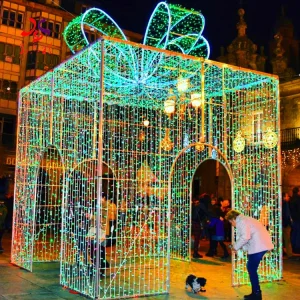
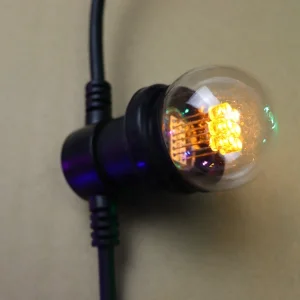
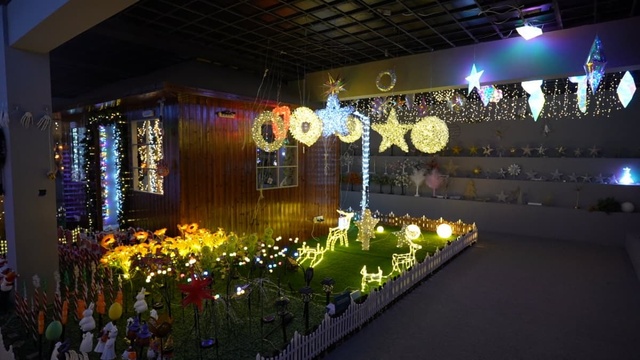
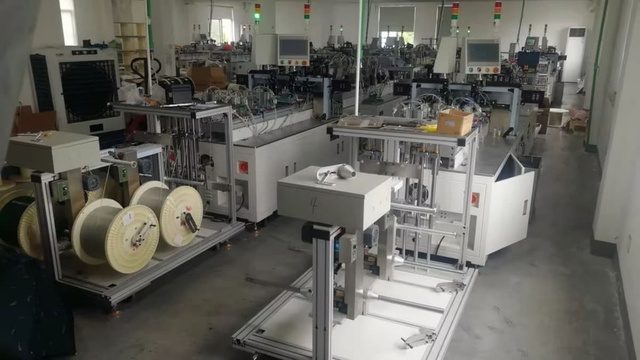
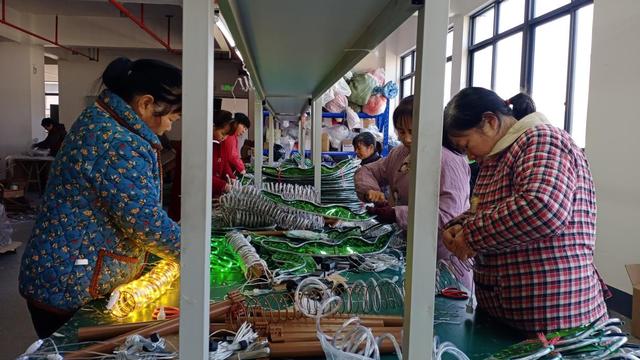
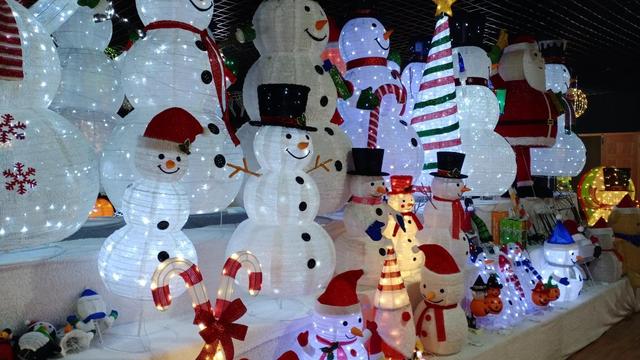
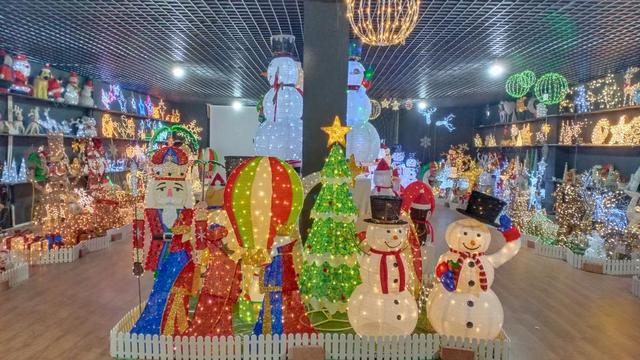
Our infrastructure features advanced SMT lines, spectroscopic analytical equipment, and rigorous environment aging chambers. The following original visual documentation outlines our facility capabilities:
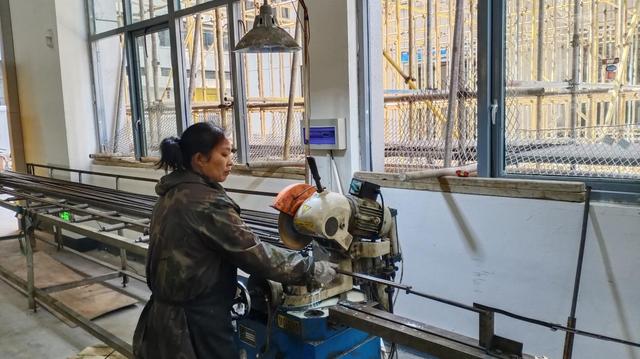
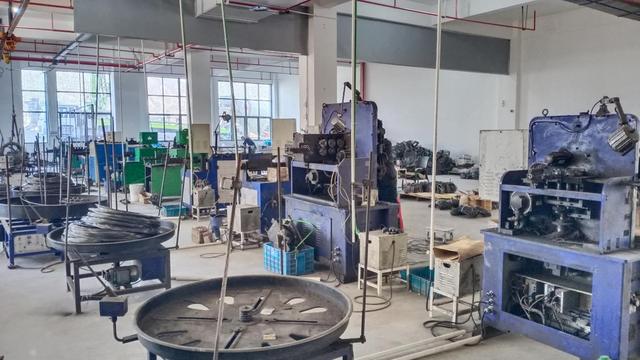
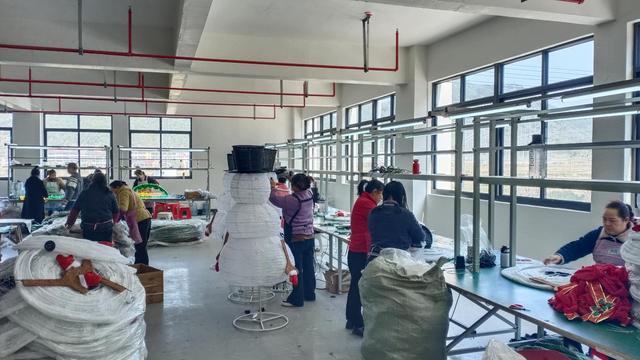
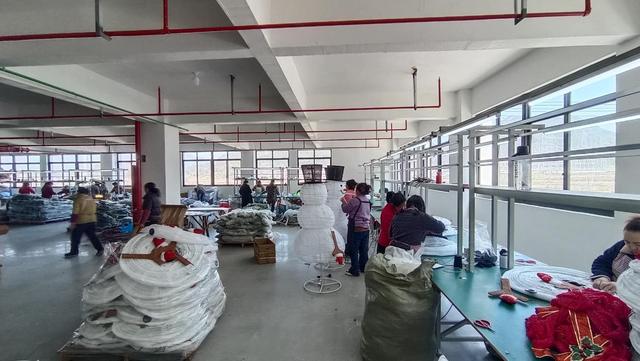
Modern architectural layouts are moving away from stand-alone fixtures. Instead, developers focus on integrated building automation systems. Industrial lighting is expected to serve multi-decade functions, calling for advanced material science and electrical frameworks.
Integration with intelligent controls including 0-10V dimming, TRIAC/ELV, DALI-2, Zigbee, and Matter. Our solutions enable circadian programming and real-time power metrics.
Engineered with multi-layer 3oz copper PCBs to manage operating junction temperatures, extending LED diode life far past L70 criteria (>50,000 hours).
Precision ANSI Binning / MacAdam Ellipse SDCM < 3 standard guarantees color consistency across long runs, avoiding shift in architectural coves.
In modern high-rise developments, lighting energy codes like ASHRAE 90.1 and Title 24 are highly strict. LED strip lighting acts as the foundational background lighting, operating inside aluminum extrusions to create seamless geometric runs. By selecting high-efficacy COB LED tapes, designers achieve required lumen outputs while maintaining lower LPD (Lighting Power Density) parameters.
Retail and hospitality lighting requires true-to-life color reproduction. The installation of inferior low-CRI LED strips compromises the appearance of merchandise and interiors. High CRI (minimum Ra 90, R9 > 50) and TM-30 metrics (Rf > 90, Rg ~ 100) are standard requirements for quality hotels. Utilizing high-density strip lighting ensures smooth, hotspot-free reflectance on polished stone or metallic finishes.
Outdoor lighting requires advanced ingress protection. Typical issues with outdoor systems stem from chemical reactions in polyurethane coatings or thermal stresses in silicone sleeves. Using modern silicone-extrusion techniques with specialized IP67 and IP68 ratings ensures long-term resistance to UV exposure, saltwater corrosion, and high physical impact.
For B2B importers, supply-chain compliance is a critical legal and financial factor. Every sovereign region maintains distinct technical codes that linear light systems must satisfy before customs clearance or installation.
| Geographical Region | Primary Certifications Required | Critical Engineering Focus Area | Compliance Purpose |
|---|---|---|---|
| North America | UL, cUL listed, ETL, Class 2 Power Circuits | Fire risk prevention, high-voltage isolation, driver current limits | NEC Code Compliance |
| European Union | CE, RoHS, ErP Directive, UKCA | Energy labeling, circular economy recyclability, lead-free solder | Eco-design & Chemical Safety |
| Australia & NZ | SAA, RCM Mark | Grid frequency stability, thermal performance in desert regions | Electrical Safety & EMC |
| Middle East | SASO, Gulf Mark (G-Mark) | High heat resistance, IP66/IP67 ingress sealing, dust protection | Extreme Weather Adaptability |
A trusted manufacturer must provide complete documentation, including LM-79 reports (integrating sphere test data), LM-80 reports (diode life projections), and photometrics files (IES/LDT format) to support professional lighting plans.
Looking toward the next decade, several key innovations will define the competitive landscape of the LED strip lighting manufacturing sector:

 Layr Light