Custom OEM Starlight Ceiling Systems Factory & Suppliers

High-Fidelity Optical Fiber Systems, Smart IoT Control, and Integrated Acoustic Ceiling Solutions for Elite Global Distributors

Factory Profile

Ningbo Layr Light Co., Ltd.

Established in 2013 in Ningbo, Zhejiang Province, China, Ningbo Layr Light Co., Ltd. has evolved into a premier high-tech decorative and architectural lighting enterprise. Our modern 15,000 square meter facility houses a dedicated workforce of over 220 experienced engineers, optical technicians, and QC experts.

We integrate scientific R&D, structural design, plastic optical fiber (POF) engineering, custom CNC panel fabrication, and advanced assembly lines under one roof. Positioned next to the Ningbo Port—one of the world's primary shipping hubs—we offer global logistics efficiency alongside high-end OEM/ODM custom capabilities.

Our core specialty focuses on engineering bespoke Custom OEM Starlight Ceiling Systems. We deliver architectural systems integrating acoustic management, light-guide fiber technologies, and smart IoT control systems. These solutions meet the stringent demands of global architects, luxury hotel designers, and specialized AV distributors.

15,000+ Sqm Modern Plant

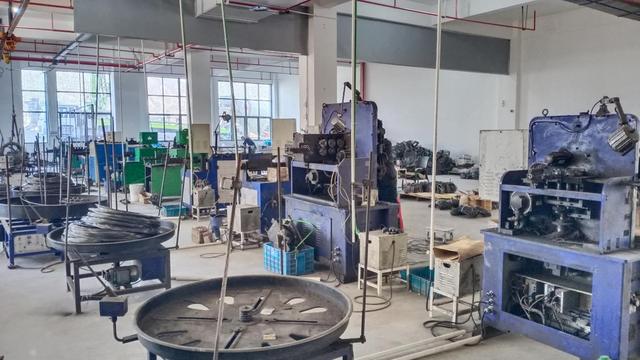
Complete infrastructure covering tooling, plastic injection, CNC panel carving, optical fiber assembly, and aging test rooms.

220+ Technical Team

Over 30 specialist optical, acoustic, and electrical layout engineers offering integrated system design and compliance planning.

Global Standards Compliance

Products conform to strict CE, RoHS, UL94-V0 fire ratings, ASTM acoustic standards, and IP68 moisture protection protocols.

10+
Years Engineering R&D
15k+
Sqm Factory Area
60+
Export Destinations
220+
Professional Team
Optical Engineering & Architectural Physics

Understanding Starlight Ceiling System Architecture

High-Grade PMMA Optical Fiber

We use high-purity Japanese PMMA plastic optical fibers (POF) featuring attenuation coefficients of less than 0.15 dB/m. This ensures consistent brightness and color balance over long runs. Our fibers are wrapped in black PVC cladding to prevent side-light leakage.

Smart LED & Laser Engines

Our LED engines use high-CRI (>90) OSRAM or Cree chipsets. They support RGBW color mixing, smooth dimming, and dynamic star effect controls. Higher-end models feature dual-wheel configurations (color + twinkle wheel) or hybrid semiconductor laser light sources for distinct twilight visual depth.

Integrated Acoustic Management

We use fire-rated polyester acoustic fiberboard (PET) as the panel substrate. It acts as both the mechanical anchor for the fibers and an acoustic treatment panel. With a Noise Reduction Coefficient (NRC) rating of up to 0.85, it helps isolate ambient noise in home cinemas and luxury spaces.

System Integration: Standard and Custom Form Factors

We manufacture custom starlight ceilings across two core system configurations. The choice of form factor dictates the architectural design path:

1. Prefabricated Modular Panel Systems

These acoustic fiber panels feature pre-installed optical fibers and magnetic mounting hardware. They can be daisy-chained via plug-and-play connections back to a centralized light source. This setup is ideal for rapid retrofits and high-end residential projects.

2. Site-Installable Harness Systems

We supply pre-cut, labeled fiber optic harnesses alongside separate light engines. This allows contractors to feed individual fibers through drywall or custom plasterboard ceilings on site. It provides design freedom for complex ceiling shapes, dome structures, and curved spaces.

Manufacturing Powerhouse

Why Source Starlight Ceiling Systems from Ningbo, China?

The Ningbo Industrial Clustering Advantage

Our facility is located in Ningbo, Zhejiang Province. This region is home to a robust manufacturing ecosystem, providing ready access to high-purity PMMA extrusion lines, PCB fabricators, custom aluminum profile extruders, and advanced tooling facilities.
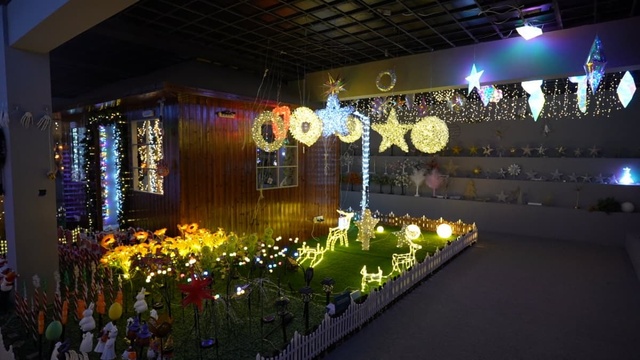
  • Direct access to high-performance raw materials lowers production lead times.
  • Co-developed custom light engines, featuring integrated Bluetooth, Wi-Fi, and DMX512 communication decoders.
  • Simplified shipping via Ningbo Port, reducing handling steps, customs clearance delay, and international transit costs.
  • Strict compliance with global safety standards, including UL94-V0 flammability and ASTM acoustic guidelines.
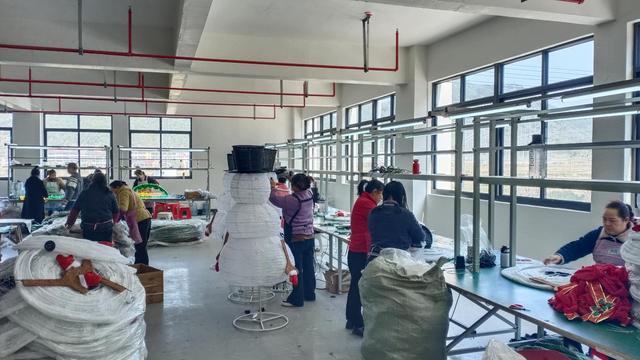
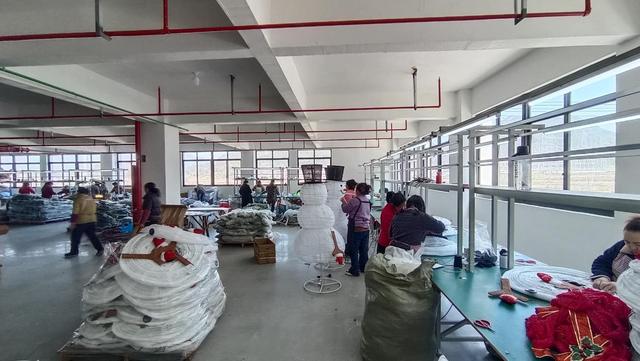
Ningbo Layr Light Production Line

Advanced R&D and QA Testing Methodologies

Every lighting fixture and fiber module undergoes rigorous performance and quality testing before leaving our facility. We ensure reliable electrical and optical performance over long lifespans.
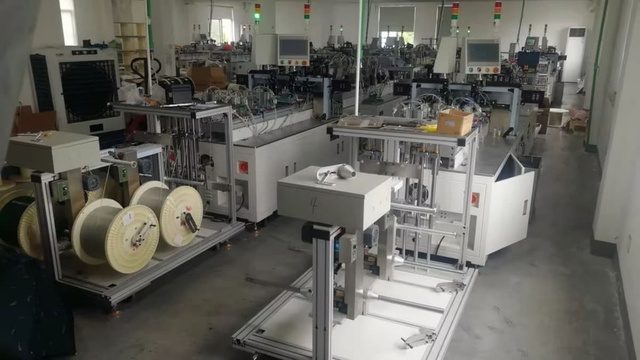
  • Integrating sphere testing to verify spectral power distribution, luminous flux, and chromaticity coordinates.
  • Environmental chambers for high/low temperature tests to simulate regional climates.
  • Aging test rooms where light engines are run continuously for 72 hours under full thermal load.
  • Fiber attenuation verifications to guarantee optical clarity and point-source consistency.
Layr Light Optical Quality Lab
Versatile Project Implementation

Global Enterprise Application Scenarios & Systems

Home Cinema Starlight Ceiling

Home Theater Systems

Immersive cinema ceilings built on sound-absorbing acoustic panels. These systems reduce standing waves while projecting high-contrast star fields that won't wash out screen projections.

Hospitality Ceiling Installation

Hospitality & Casinos

Large-scale public installations featuring dynamic effects. These are integrated with DMX512 building management networks for scheduled light shows, color shifts, and thematic sequences.

Marine Luxury Yacht Integration

Marine & Yacht Ceilings

Moisture-resistant fiber installations featuring light sources isolated from wet areas. We design specialized components to withstand the challenges of salt spray, humidity, and motion.

Custom Engineering Journey

Our End-to-End OEM/ODM Manufacturing Pipeline

01

Engineering Consultation

CAD planning, fiber density mapping, acoustic evaluation, and light engine selection.

02

Prototyping & Approvals

Optical modeling and physical sample builds to verify color mixing and light transmission.

03

Precision Manufacturing

CNC acoustic panel routing, fiber insertion, and integrated loom weaving.

04

Testing & Logistics

72-hour thermal testing, fiber alignment checks, and ocean/air freight booking.

Whether you require custom panel geometry, specific flame-retardant materials, or proprietary wireless protocols, our design and engineering team has the capacity to bring your specification to life.

Technological Outlook

Key Development Trends in Starlight Ceiling Systems

Biophilic Design Integration

Modern architectural designs are shifting towards natural simulation. Instead of basic blinking dots, clients expect accurate astronomical mapping, integrated nebula projections, and shooting star effects that replicate natural night skies.

Smart Home Protocol Compatibility

Dynamic light engines must integrate with wider smart home ecosystems. Our systems are built to interface with leading automation protocols—such as Control4, Crestron, Lutron, and KNX—using standard DMX512 or RS485 connections.

Acoustic Panel Developments

Acoustic performance is critical in residential cinema design. Modern starlight panels must offer clean visuals without sacrificing acoustic properties. Our engineered PET felt panels provide a balanced solution, combining structural stability with sound absorption.

Low-Energy Semiconductor Emitters

Energy conservation rules like Title 24 require efficient lighting solutions. Our LED and laser emitters use high-efficiency drive circuitry to deliver high light output at lower power levels, reducing overall operational costs.
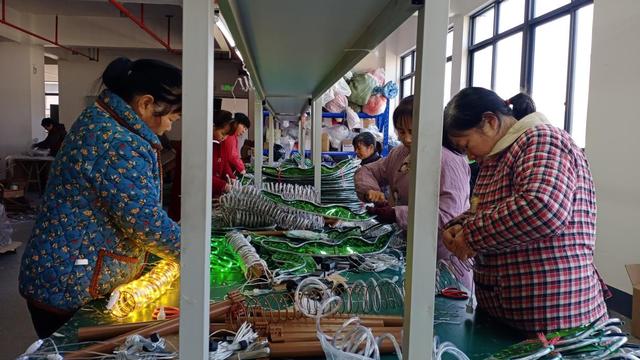
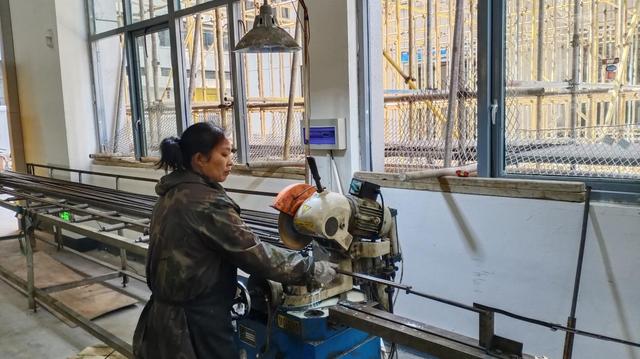
Industrial Integrity & Real-world Capacity

Inside the Layr Light Production & Quality Facility

Technical FAQ

Frequently Asked Questions Regarding Starlight Ceilings

Q
What are the key technical differences between PMMA optical fibers and cheaper alternatives?
Cheaper glass or PVC alternatives suffer from high optical attenuation, meaning they lose brightness over longer runs. They can also turn yellow or become brittle over time. High-grade PMMA (Polymethyl Methacrylate) optical fiber offers clean light transmission, flexibility, and resistance to aging. This makes it the standard choice for architectural ceilings, luxury hotels, and marine installations.
Q
Do your starlight ceiling panels comply with international building fire codes?
Yes. Our standard polyester fiber acoustic panels (PET) meet Class A requirements according to ASTM E84, and conform to UL94-V0 flammability standards. For hospitality and commercial projects, we supply fire-resistant backing boards and low-smoke, zero-halogen (LSZH) optical fiber cladding to comply with local safety regulations.
Q
How do we control individual fiber stars via professional control software?
Our advanced light engines feature onboard decoders that interface with standard DMX512 or ArtNet controllers. This allows developers and lighting technicians to map individual light channels to lighting desks or home automation systems like Crestron and Control4, enabling precise control over twinkle speeds and color sweeps.
Q
What density of star points is recommended for a realistic night sky effect?
We recommend a fiber density of 20 to 40 star points per square meter. A realistic night sky relies on varying the fiber diameters (e.g., mixing 0.75mm, 1.0mm, and 1.5mm fibers). This creates depth, making some star points appear closer than others.
Q
How does Layr Light handle customized panel sizes for irregular room shapes?
We manufacture custom panels using advanced CNC routing. Customers send us their ceiling layout CAD drawings, and we engineer the panel joints, perimeter profiles, access hatches, and fiber routing channels to fit the space. Panels are shipped with matching drawings for straightforward onsite assembly.
Q
What is the typical lifespan and maintenance cycle for Layr Light systems?
The optical fibers carry only light, not electricity, meaning they have a virtually infinite lifespan. The solid-state LED light engines are rated for over 50,000 hours of continuous operation. Maintenance is typically limited to simple dust cleaning and occasional inspections of the light engine's cooling fans.