Layr Light
1. The Physics and Psychology of B2B Accent Lighting
In contemporary architectural design, accent lighting has evolved from a simple aesthetic addition to a core structural discipline. By definition, accent lighting focuses light on a specific area or object, creating contrast and drawing visual interest. In commercial projects, such as luxury hotels, brand-driven retail spaces, and public buildings, accent lighting guides user navigation, reinforces corporate branding, and highlights structural highlights.
From a technical standpoint, successful accent lighting relies on a carefully calculated contrast ratio. While general ambient illumination operates on a standard luminance profile, accentuation requires a luminance ratio of at least 3:1 relative to surrounding surfaces to create a noticeable difference. In high-drama environments, such as luxury jewelry displays or historic building facades, lighting designers regularly specify ratios of 10:1 or 30:1.
"A high-quality accent lighting design is defined not just by the light itself, but by the precise control of shadow, beam angles, and color rendering. Choosing the correct fixture is the first step to achieving professional results."
2. Top 10 Accent Lighting Techniques Explained
To help global importers, lighting engineers, and project buyers make informed product choices, we have compiled the top 10 accent lighting techniques currently shaping international commercial projects:
01. Wall Washing
Wall washing distributes a smooth, even layer of light across a vertical surface. It minimizes shadows and hides imperfections, making spaces feel larger and more open. This technique is ideal for commercial lobbies and art galleries.
02. Wall Grazing
Wall grazing places the light source very close to a textured wall (often under 30cm) to highlight details like stone, brick, or wood. High-density LED strips with narrow optics are commonly used to create dramatic shadows.
03. Cove & Coffered Accents
Cove lighting hides linear LED strips within architectural recesses. It bounces light off ceilings or upper walls to provide soft, glare-free indirect illumination that makes structural features appear lighter.
04. Silhouette Lighting
By placing light sources behind an object and projecting them toward a wall, the object is silhouetted against a bright background. This technique is highly effective for sculptures and architectural screens.
05. Undercabinet & Plinth Lighting
This method uses low-profile linear LED strips under cabinets, floating shelves, or toe-kicks. It adds visual depth and provides task lighting in kitchens, bars, and retail displays.
06. Inground & Well Lighting
Inground fixtures direct light upward to highlight columns, trees, and exterior walls. They require durable, waterproof enclosures (IP67 or IP68) to withstand pedestrian traffic and weather conditions.
07. Directional Spotlighting
Directional spotlighting uses narrow beam angles (15° to 24°) to highlight specific features like merchandise, artwork, or table settings. High Color Rendering Index (CRI >90) sources are preferred to ensure colors look natural.
08. Dynamic Color & RGBW Pixel Accents
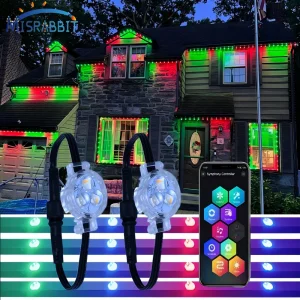
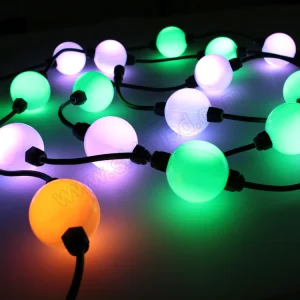
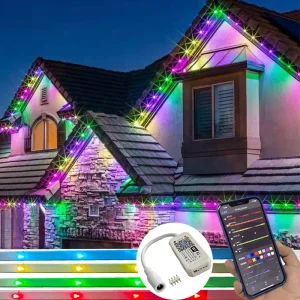
Dynamic color lighting uses DMX-controlled RGBW pixel nodes to create active lighting effects on building facades or entertainment venues. These systems allow for customized colors and motion patterns.
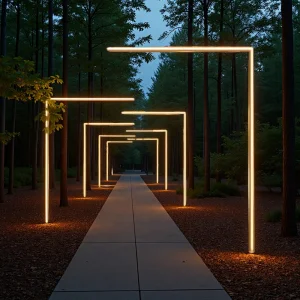
09. Step and Path Accentuation
Step lighting embeds miniature luminaires directly into stairs or low walls. It improves safety and visual comfort while highlighting pathways in outdoor landscaping and dark theaters.
10. Micro-Lighting for Displays & Niches
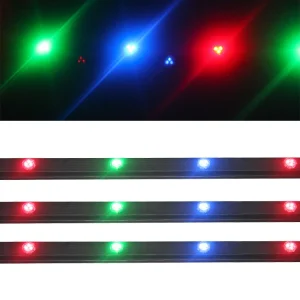
Micro-lighting uses miniature linear LED fixtures or fiber optic heads within display cabinets, shelving units, and alcoves. It provides targeted, glare-free light that is ideal for high-end retail, museum exhibits, and luxury residential niches.
3. B2B Technical Parameter Matrix for Global Procurement
| Technique | Typical Optical Angle | Color Temperature (CCT) | Min. CRI (Ra) | Standard IP Protection |
|---|---|---|---|---|
| Wall Washing | 60° - 120° (Wide Flood) | 3000K - 4000K | 80+ | IP20 (Indoor) / IP66 (Outdoor) |
| Wall Grazing | 10° - 30° (Narrow) | 2700K - 3000K | 90+ | IP65 / IP67 |
| Cove Lighting | 120° (Diffuse) | 2400K - 2700K (Warm) | 80+ | IP20 / IP65 (Humid areas) |
| Spotlighting | 15° - 24° (Narrow Spot) | 3000K - 4000K | 95+ (High Fidelity) | IP20 |
| Inground Lighting | 15° / 30° / 45° | 3000K | 80+ | IP67 / IP68 (Submersible) |
4. The Ningbo Layr Light Advantage: Supply Chain Integrity & Export Excellence
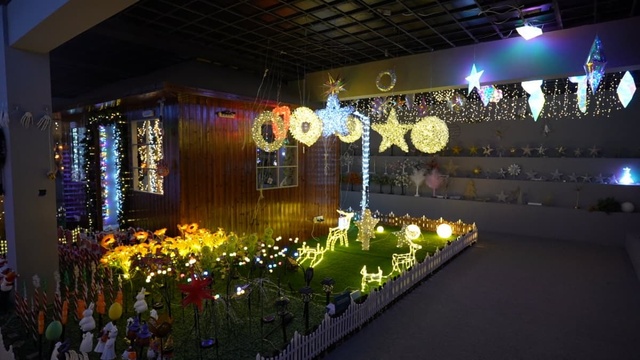
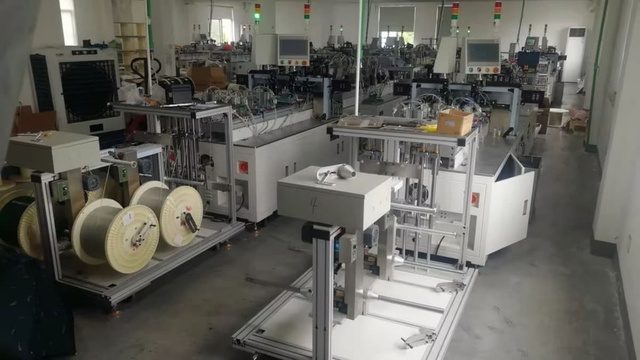
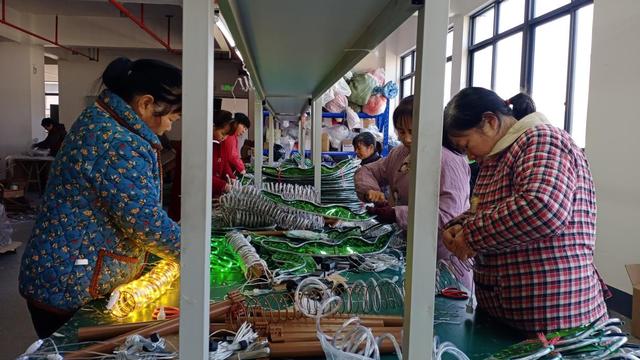
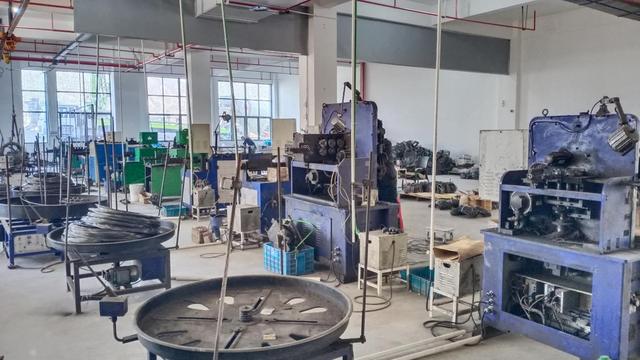
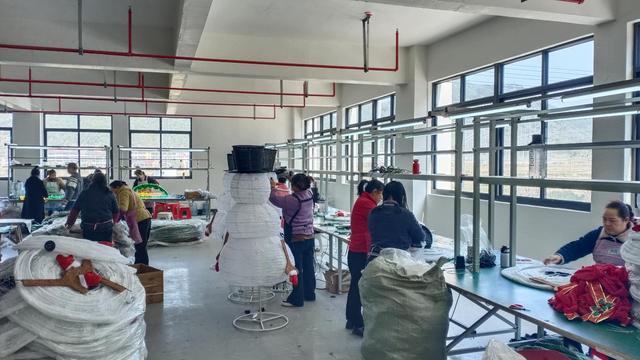
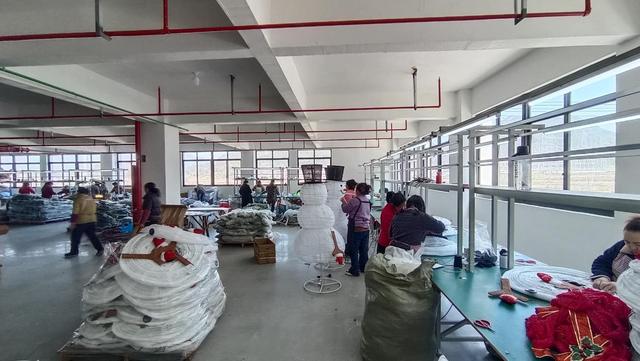
Established in 2013, Ningbo Layr Light Co., Ltd. has grown into a leading manufacturer of architectural, smart, and decorative lighting systems. Located in Ningbo, Zhejiang Province—a major global logistics and industrial hub—the company operates a modern 15,000-square-meter manufacturing facility with a team of over 220 skilled professionals.
Layr Light manages its manufacturing process in-house, integrating product design, engineering, tooling, production, quality management, and global sales. This vertical integration allows for strict quality control, efficient production turnarounds, and flexible OEM/ODM customization services.
To meet the needs of architects, designers, and distributors worldwide, the company continuously invests in advanced LED technology, intelligent control systems, and innovative product design. This focus ensures that its decorative and architectural lighting solutions combine modern design with reliable, energy-efficient performance.
5. Global Standards and Localized Compliance
Exporting to North America, Europe, the Middle East, Southeast Asia, and Australia requires strict adherence to regional safety and environmental certifications. Ningbo Layr Light Co., Ltd. ensures all products meet these international standards:
- North America: Products feature UL and cUL certifications, verifying compliance with National Electrical Code (NEC) standards.
- European Union: Products carry CE markings and comply with the RoHS Directive, limiting hazardous substances in electronic equipment.
- Ingress Protection: Outdoor landscape fixtures are rated at IP65, IP67, or IP68, ensuring long-term durability in harsh weather conditions.
6. Future Trends in Accent Lighting Design
The architectural lighting industry is shifting toward smart, connected, and energy-efficient systems. Key trends to watch include:
- Human-Centric Lighting (HCL): Systems adjust color temperatures throughout the day to support human circadian rhythms and improve well-being.
- Smart Integration: Linear accent systems increasingly connect to smart platforms using DMX512, DALI, or Zigbee protocols for automated control.
- Sustainability and Efficiency: Manufacturers are developing high-efficiency LEDs that deliver more lumens per watt, reducing energy consumption and carbon emissions.