Explore our premium architectural, indoor, and outdoor luminaires engineered for high efficacy, smart integration, and luxury aesthetics.

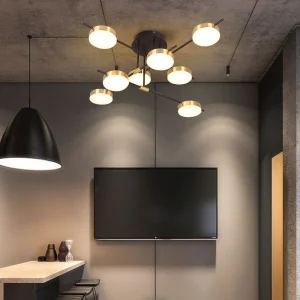
Modern architectural lighting has evolved far beyond the simple function of illuminating dark corridors. In contemporary design, wall sconces act as functional sculptures, defining the vertical dimension of interior and exterior environments. The transition from traditional incandescent sconces to advanced LED-integrated decorative sconces is marked by key technological advancements: thermodynamic heat management, intelligent driver systems, and the implementation of high-performance architectural materials.
The global demand for high-end wall sconces has experienced a structural shift. Developers and lighting designers are prioritizing luminaires that contribute to building certifications such as LEED, WELL, and BREEAM. Consequently, manufacturers in key industrial hubs, specifically Ningbo, China, have elevated their production lines to accommodate customized technical demands. These demands include specific color-rendering index values (CRI ≥ 90), flicker-free dimming solutions (DALI, 0-10V, and Phase-cut), and long-term durability in outdoor applications under variable climatic conditions.
Utilizing high-purity die-cast aluminum (ADC12) to ensure efficient heat dissipation, maintaining junction temperatures below 75°C to maximize LED life.
Micro-structured PMMA diffusers that eliminate glare and hot spots while maintaining a high light transmission rate of over 88%.
Full support for wireless protocols (Zigbee, Casambi, Bluetooth Mesh) alongside classic wired interfaces (DALI-2, 0-10V, DMX512).
The contemporary aesthetic demands a balance between industrial minimalisms and luxury natural textures. High-end wall sconce designs are shifting away from plain painted steels to complex hybrid materials. The combining of natural marble, machined solid brass, aerospace-grade aluminum, and optical crystals is now standard for premium hospitality and residential spaces.
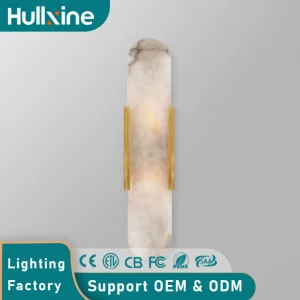
For instance, modern wall sconces like the Hullxine Luxury Modern Iron Marble LED Dimmable Wall Sconce integrate natural marble blocks with CNC-machined metal frames. This requires advanced diamond-wire sawing and precise milling processes to ensure that the natural stone can withstand the heat generated by the LED light source without discoloration or thermal expansion stress. Furthermore, these designs use architectural linear formats to provide indirect wall-washing effects, which dramatically reduce glare and increase perceived ceiling height in commercial corridors.
To understand the capabilities of a leading Chinese supplier, look at the operational structure of Ningbo Layr Light Co., Ltd. Established in 2013 in the major industrial and shipping hub of Ningbo, Zhejiang Province, the company represents the modern standard of high-efficiency, quality-oriented manufacturing in China.
Square Meters Facility
Experienced Employees
Years of OEM/ODM Expertise
Global Export Compliance
Layr Light integrates all phases of luminaire development, from product design, electrical engineering, custom tooling, to final assembly and photometrical testing. This end-to-end integration is crucial for global B2B buyers who require compliance with complex international safety and quality standards, such as ETL, CE, SAA, and FCC.
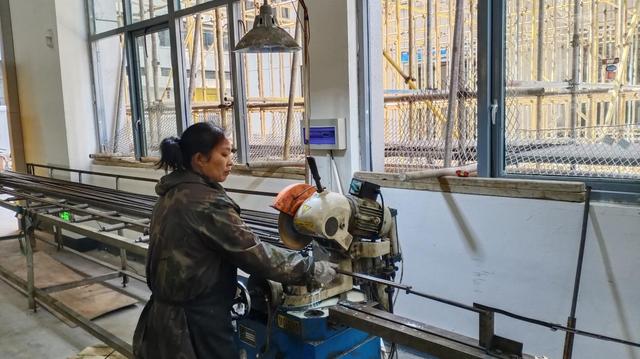
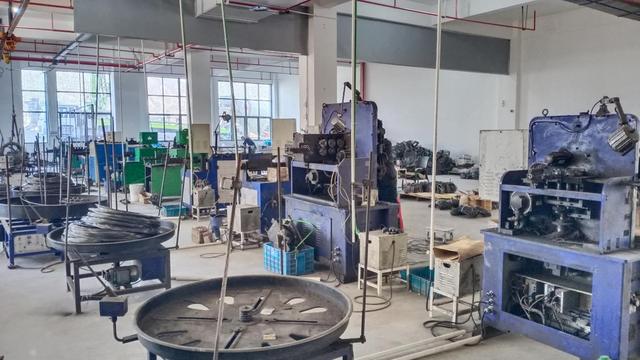
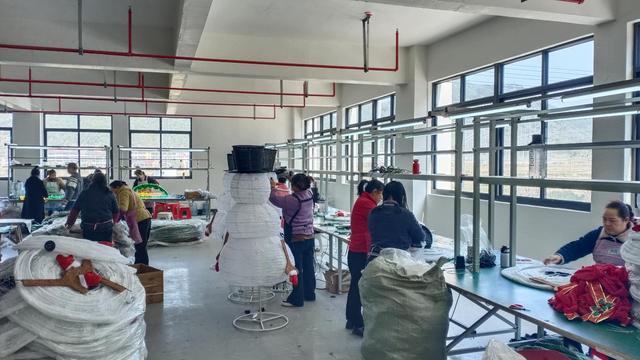
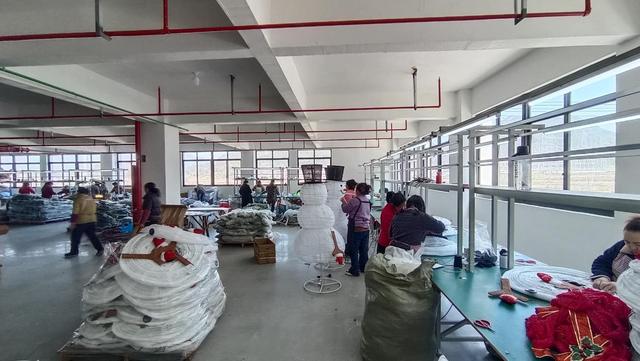
Operating out of a modern facility covering more than 15,000 square meters, the engineering team at Layr Light focuses on architectural lighting systems, custom LED fixtures, and smart lighting solutions. By utilizing advanced production equipment and systematic quality management protocols, they ensure that every batch of wall sconces or custom architectural fixtures maintains photometric consistency (SDCM < 3) and long-term electrical reliability.
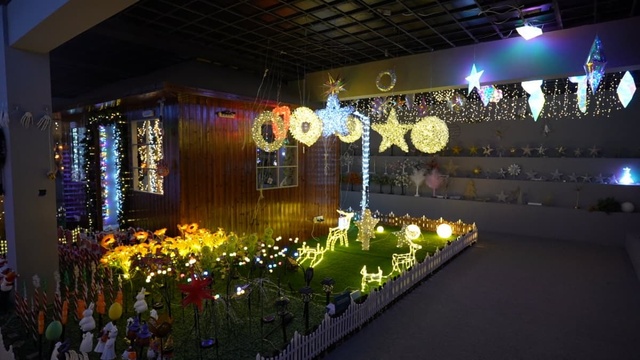
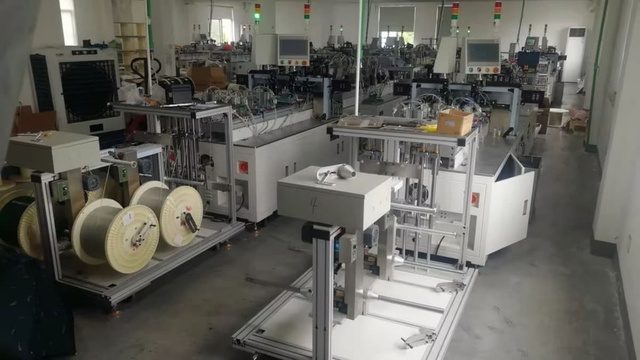
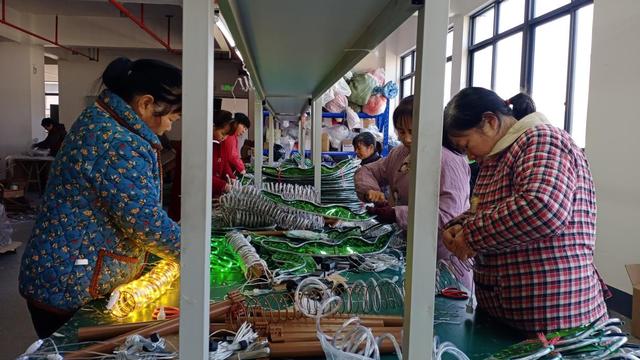

Selecting the right wall sconces requires deep understanding of the intended spatial application. Lighting requirements vary greatly between a high-traffic hotel corridor, a luxury residential dining room, and an exterior facade exposed to marine-grade salinity.
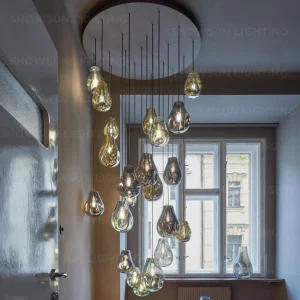
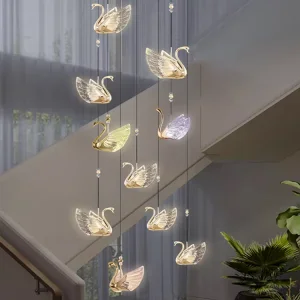
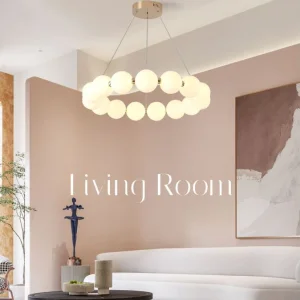
In high-end hotel environments, wall sconces do not just provide ambient illumination; they establish the brand's visual identity. Sconces must have premium finishes (such as brass or marble) and support smooth, flicker-free dimming down to 1%. Utilizing custom modern lobby chandeliers in combination with matching wall sconces creates a unified design language that enhances guest comfort and highlights high-end interior surfaces.
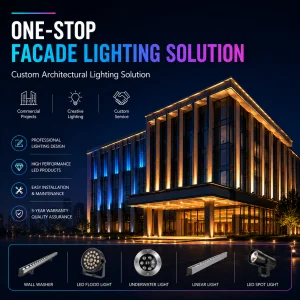
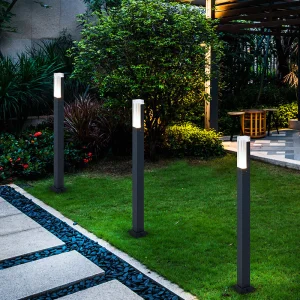
Outdoor wall sconces and linear facade lights require high IP ratings (IP65 to IP67) to withstand heavy rain, dust, and temperature fluctuations. The housing must be treated with anti-corrosion, UV-stabilized powder coatings. Ningbo Layr Light's outdoor product line incorporates high-power LEDs with precise beam angles, allowing architects to project clean columns of light onto building exteriors, highlighting architectural lines without causing light pollution.
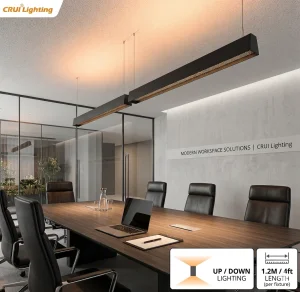
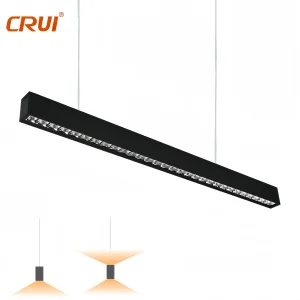
Modern commercial workspaces require lighting that minimizes eye strain and fatigue. In these environments, indirect wall-mounted luminaires or linear pendant systems are used to bounce light off ceilings and walls, generating uniform, diffuse lighting. This helps meet Unified Glare Rating (UGR) targets below 19, ensuring compliance with strict occupational health and safety regulations.
When sourcing wall sconces from China, professional B2B buyers must implement strict quality control protocols to protect their brand and project timelines. High-performance manufacturing requires systematic checks at every stage of the production process.
The driver is the most vulnerable component in an LED luminaire. Buyers must specify premium driver brands (such as Meanwell, Lifud, Tridonic, or Philips) and ensure the drivers carry relevant certifications (UL/ETL for North America, CE/TUV for Europe, SAA for Australia). LED chips should ideally be sourced from tier-1 manufacturers (Cree, Osram, Citizen, or Lumileds) with L70 lifetimes exceeding 50,000 hours.
A professional manufacturer must provide full photometric reports (IES or LDT files) generated via an integrating sphere or a goniophotometer. These files are essential for lighting design software like Dialux, allowing designers to calculate precise illuminance levels (lux) and light distribution patterns before purchasing.
For outdoor or bathroom wall sconces, verify that the supplier conducts systematic salt spray tests (typically 24 to 96 hours depending on the finish) and water ingress tests to confirm the IP rating. Ensure that sealing gaskets are made of high-quality silicone rather than standard rubber, as silicone maintains its elasticity and sealing properties under extreme temperature cycles.
Explore the remainder of our specialized product line, ranging from hospitality chandeliers to high-durability outdoor linear systems.
 Layr Light