Explore our flagship commercial and smart residential lighting configurations engineered for ultimate visual performance, durability, and aesthetics.
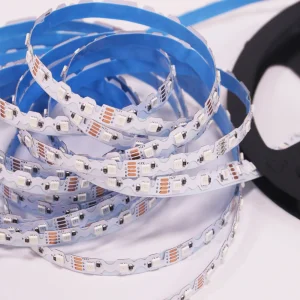
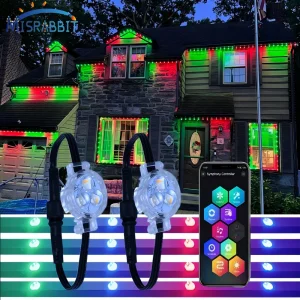
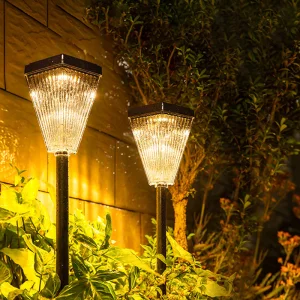
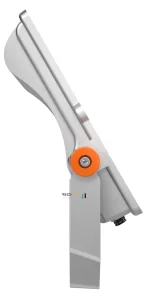
In the contemporary architectural and urban design sectors, Visual Impact Lighting has transitioned from a supplementary cosmetic feature to a core structural element. Global construction projects, commercial centers, and hospitality environments leverage visual impact lighting systems to maximize aesthetic presence, ensure energy efficiency, and shape user experiences. The global demand for high-efficacy, multi-scenario solid-state lighting remains robust. Across North America, stringent energy mandates (such as California Title 24) are driving builders to source addressable, highly efficient pixel track and smart LED installations. Concurrently, European markets prioritize circular economy design, prompting lighting exporters to construct architectural systems using modular, easily serviceable, and fully recyclable components.
In emerging industrial hubs, particularly the Middle East and Southeast Asia, hospitality and public infrastructure projects rely on Visual Impact Lighting as a pillar of regional tourism development. Large-scale structural facades, high-end hotel guestrooms, and sprawling entertainment plazas require continuous pixel networks, dynamic soft-film ceiling systems, and luxury custom chandeliers to establish immediate visual recognition. As a major export force, Chinese manufacturers, centered in primary industrial corridors such as Zhejiang Province, integrate optical research, precision injection tooling, and advanced electronic engineering to serve these dynamic markets.
The architecture of light is undergoing rapid technological convergence. The following four macro-trends represent the critical technical paradigms that specify product development for visual impact lighting systems:
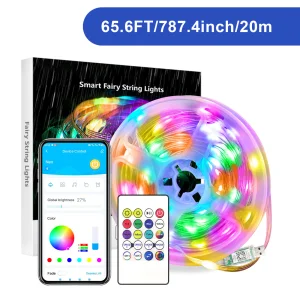
Traditional static fixtures have given way to DMX512, RDM, and Art-Net enabled systems. Real-time control of individual pixel points permits intricate architectural media facades that communicate stories and adapt to temporal patterns.
Adjusting color temperature (CCT) and spectral composition based on circadian rhythm is critical. Integrating tunable white and high CRI (>95) diodes improves human performance and sleep-wake cycles.
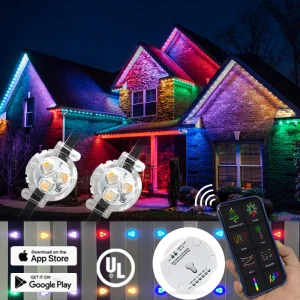
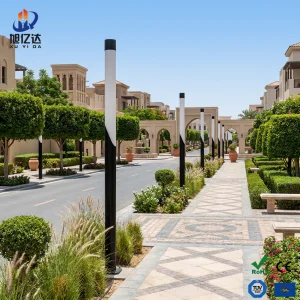
Outdoor landscape fixtures demand IP67 or IP68 ratings, marine-grade aluminum tracks, and UV-stabilized polyurethane encapsulation to withstand thermal shock, humidity, and atmospheric salinity.
A global leader in custom decorative fixtures, intelligent architectural networks, and high-performance landscape lighting systems.
Ningbo Layr Light Co., Ltd. is a professional decorative lighting manufacturer specializing in custom LED lighting, architectural lighting systems, and smart lighting solutions for residential, commercial, hospitality, and public-space applications. Established in 2013, the company is located in Ningbo, Zhejiang Province, China, a major manufacturing and export center with convenient access to international shipping networks.
With a modern manufacturing facility covering more than 15,000 square meters and a team of over 220 experienced employees, Layr Light integrates product design, engineering, tooling, production, quality management, and global sales operations. The company operates advanced production lines and testing equipment to ensure reliable performance, energy efficiency, and compliance with international quality standards.
Layr Light offers a diverse portfolio of decorative lighting products and customized solutions, including architectural lighting fixtures, smart lighting systems, indoor decorative lighting, outdoor landscape lighting, hospitality lighting, commercial lighting, and project-based lighting designs. The company continuously invests in LED technology, intelligent control systems, and innovative design capabilities to meet the evolving needs of architects, designers, contractors, and brand owners worldwide.
As a trusted OEM and ODM manufacturing partner, Layr Light provides comprehensive customization services, including product development, private labeling, lighting project support, packaging design, and technical consultation. Its products are exported to North America, Europe, the Middle East, Southeast Asia, Australia, and other international markets.
Committed to innovation, quality, and long-term customer partnerships, Ningbo Layr Light Co., Ltd. focuses on delivering reliable decorative lighting solutions that combine aesthetics, functionality, and energy efficiency while supporting the success of customers in global lighting markets.
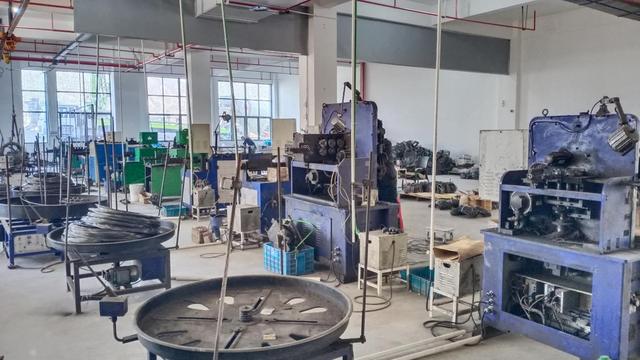
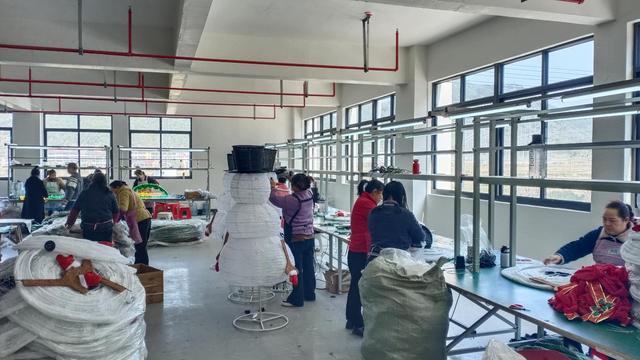
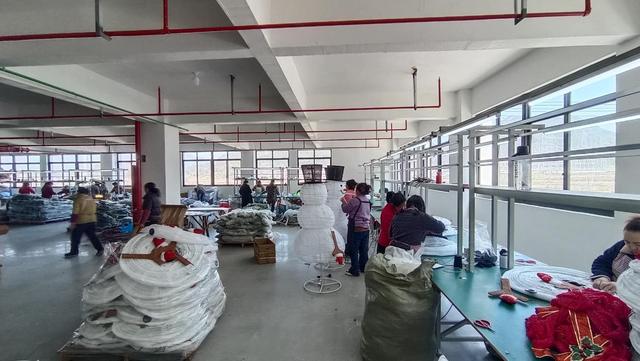
A glimpse into our advanced production lines, quality inspection facilities, and technical capabilities.
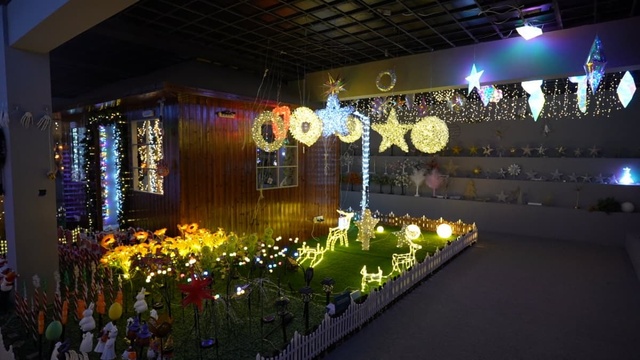
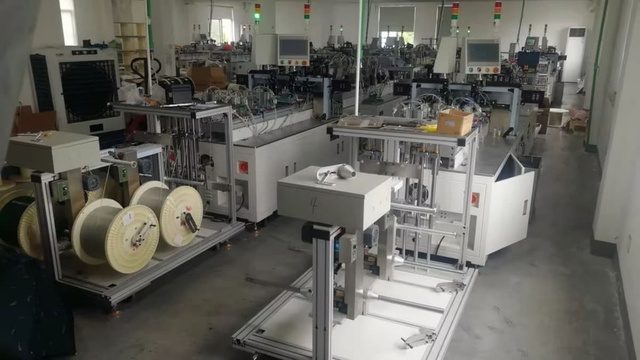
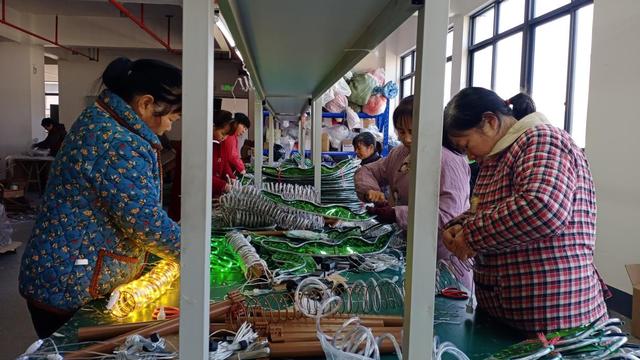
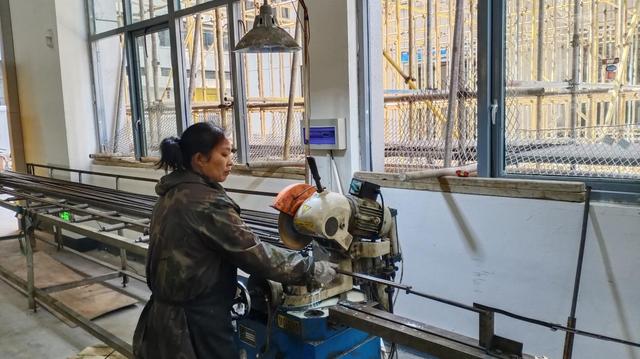


Lighting systems are not isolated commodities; they perform contextually within human architectures. A true Visual Impact Lighting setup optimizes light quality based on spatial volume, ambient noise, and geographical site features:
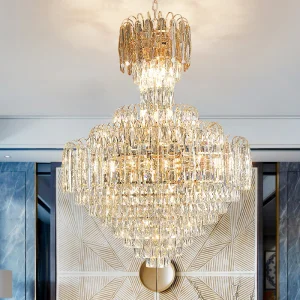
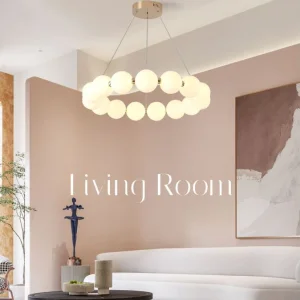
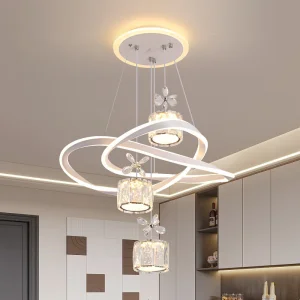
Our custom vintage wall lights and luxury K9 crystal pendants shape structural intimacy. By utilizing high color consistency and custom dimming paths, luxury resorts establish unique visual identities while providing visually comfortable lighting.
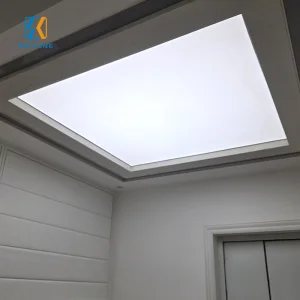
Soft film ceiling light boxes provide seamless, shadowless plane illumination. This recreates natural sky-like diffuse conditions, which is crucial for automobile showrooms, museum displays, and luxury department stores where high-end merchandise requires accurate color reproduction.
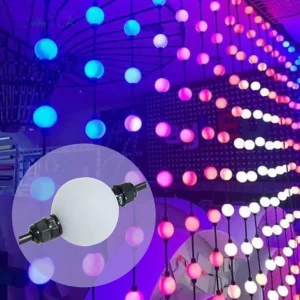
Permanent pixel track systems, featuring UCS2904 addressable drivers and IP68 physical properties, convert cold concrete structures into vivid dynamic canvases during holiday celebrations, corporate product launches, and national events.
Achieving optimum visual impact requires careful materials engineering and precise control over raw components. Our architectural lighting systems rely on strict technical standards:
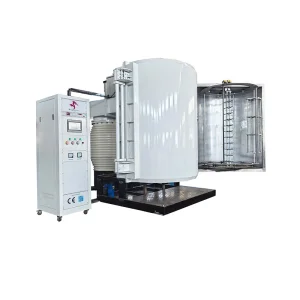
Optic Engineering & Reflectance: In industrial reflector production, we utilize advanced vacuum metallization coating systems. This technique deposits vaporized aluminum onto molded polymer caps and structural chambers under high vacuum conditions. The resulting mirror-finish reflector increases light output ratio (LOR), controls beam angles, and minimizes stray glare. This technology is critical for both precision auto lamps and architectural spotlights.
Advanced Membrane Technology: Our soft film architectural light boxes utilize fireproof PVC translucent membranes with class B1/A fire-retardant performance. This specialized film stretches evenly over light-gauge aluminum frames, ensuring uniform light transmission and diffusion without visible hot spots or color shifting.
"Sustainable design is no longer an option; it is an architectural necessity. The integration of high-reflectivity optics, intelligent sensors, and solar micro-grids allows modern developments to reduce energy footprints while maximizing visual impact."
Find technical answers on architecture compliance, design engineering, and OEM/ODM procurement pipelines.
Browse our advanced smart controls, landscape luminaires, and decorative designs tailored for global markets.
 Layr Light