Layr Light
White Paper: Illuminating the Sultanate of Oman
Technological Integration, Sustainable Engineering, and Supply Chain Resilience in Contemporary Architectural Lighting
1. Introduction & Executive Summary: Modern Lighting in Oman's Urban Boom
The Sultanate of Oman is undergoing a profound structural transformation guided by Oman Vision 2040. This comprehensive economic and urban masterplan seeks to diversify the national economy away from petrochemical dependence and towards luxury tourism, logistical hubs, smart city infrastructures, and premium residential spaces. The expansion of Muscat, the development of the Special Economic Zone at Duqm (SEZAD), and the rise of hospitality infrastructure in Salalah and Sohar have catalyzed a massive demand for advanced architectural lighting systems.
In this architectural landscape, modern decorative lighting is no longer treated as a purely aesthetic element. Today, lighting systems serve as critical infrastructure interfaces, blending structural art with smart home protocols and rigorous energy standards. The intersection of Omani national heritage, contemporary geometric architecture, and extreme environmental challenges demands highly customized, certified, and thermodynamically stable lighting solutions. This white paper highlights how modern decorative lighting factories, specifically those built on China's Industry 4.0 models, are uniquely positioned to bridge the gap between Omani design visions and robust engineering realities.
2. Oman's Commercial, Environmental & Industrial Lighting Requirements
Oman is characterized by a harsh desert-coastal climate, with ambient summer temperatures frequently exceeding 50°C, high atmospheric salinity in coastal regions such as Sur and Muscat, and localized sand and dust storms. For architectural lighting fixtures to survive, they must meet strict material standards:
- Thermal Management: Standard plastic structures degrade rapidly under intense UV radiation and heat. Heavy-duty enclosures manufactured from ADC12 die-cast aluminum or CNC-machined 6063 aluminum alloys are essential. Heat sinks must be engineered to keep junction temperatures of high-power LEDs below 85°C to prevent premature lumen depreciation.
- Corrosion Prevention: Proximity to the Arabian Sea demands multi-layered surface finishes. Electrostatic powder coating, PVDF coatings, and marine-grade anodization protect aluminum surfaces from salt-spray corrosion and peeling.
- Ingress Protection (IP Ratings): Decorative fixtures installed in open-air courtyards, beachfront promenades, or luxury villas must feature IP65 to IP66 ratings to resist sandstorms, moisture intrusion, and high-pressure washdowns.
Furthermore, Omani municipal guidelines emphasize the integration of sustainable technologies. Modern developments are progressively aligning with green building ratings (such as LEED and regional green codes) that restrict light pollution, require strict light-loss control (shielding), and mandate high luminous efficacy (typically above 120 lm/W for modern LED setups).
3. Technology Roadmap: The Shift to Smart Control & Circadian Systems
Modern decorative lighting is rapidly merging with Internet of Things (IoT) technologies. In Omani smart villa compounds and luxury resorts, the integration of automation platforms is now standard. The current technology roadmap focuses on:
Intelligent Protocol Integration
Fully compatible with DALI-2 (Digital Addressable Lighting Interface), KNX automation, and Zigbee/Bluetooth Mesh systems for seamless centralized building controls.
Circadian & Tunable White Systems
Dynamically adjusts color temperatures from warm white (2700K) to cool daylight (6500K) to sync lighting with natural human biological rhythms.
Optoelectronic Efficiency
Equipped with industry-leading LED chips (Osram, Cree, Bridgelux) and robust drivers (Mean Well, Lifud) ensuring flicker-free operation and low UGR.
4. Macro Industry Solutions: Tailored Lighting for Oman's Major Verticals
Commercial lighting cannot be one-size-fits-all. Layr Light works closely with architects and procurement managers to build application-specific variants:
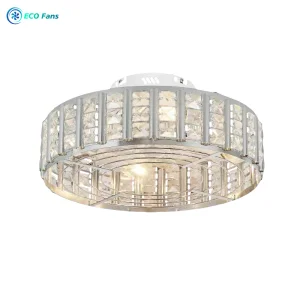
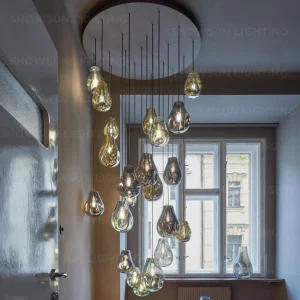
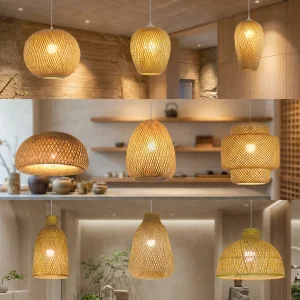
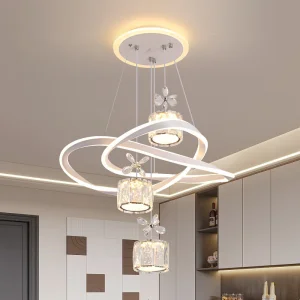
- Luxury Hospitality & Eco-Resorts: For coastal resorts in Muscat and Salalah, custom large-scale installations (including natural fiber rattan art pendants and grand crystal chandeliers) are engineered with reinforced internal frames to withstand coastal humidity while providing a warm, high-CRI (Color Rendering Index >95) illumination that enhances interior spaces.
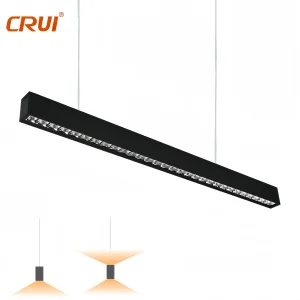
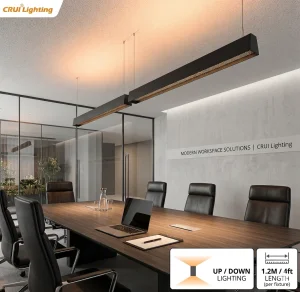
- High-End Corporate Offices: For financial centers in Ruwi and Seeb, linear lights, anti-glare downlights, and custom track systems improve employee focus. These fixtures are designed for unified glare ratings (UGR) below 19.
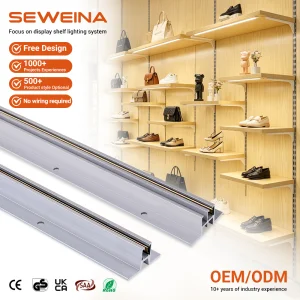
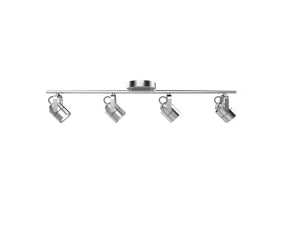
- Retail & Showrooms: High-density spots and cabinet track lights feature specialized optical lenses (such as 15°, 24°, and 36° beam angles) to emphasize premium merchandise while preventing glare in supermarkets, apparel shops, and shoe boutiques.