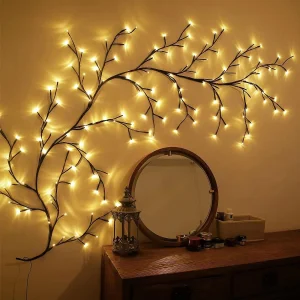
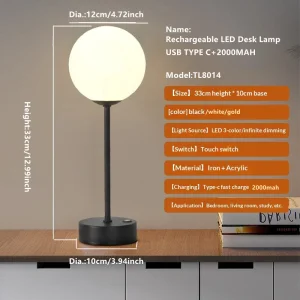
Engineered for immediate commercial compliance and deep aesthetic integration in institutional, office, and hospitality upgrades.
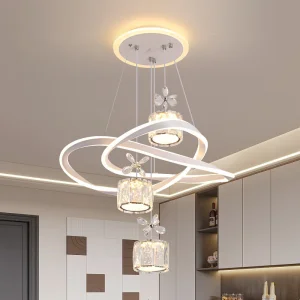
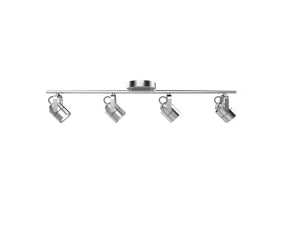
The lighting landscape of the greater Boston metropolitan area is an intricate, highly specialized domain. Project planners, real estate developers, and design engineers face a unique structural dichotomy. On one end of the spectrum is Boston's treasured historic fabric—consisting of century-old masonry facades, adaptive-reuse industrial brick-and-beam properties in the Fort Point Channel, and strict municipal historic preservation regulations (like the Beacon Hill Architectural Commission rules). On the opposite end lies the ultra-futuristic infrastructure of the Kendall Square biotech corridor, high-rise office towers in the Financial District, and the sprawling LEED-driven glass architecture of the Seaport District.
Operating as a primary supplier for this complex region demands more than just shipping standard aesthetic products. It requires a granular understanding of local construction mandates and energy efficiency thresholds. Lighting systems installed in Boston must align with the Massachusetts Energy Code (780 CMR), which is heavily integrated with the strict ASHRAE 90.1 standard and IECC frameworks. Furthermore, modern projects aiming for prestigious LEED v4.1 or WELL Building certifications require lighting layouts that satisfy rigorous specifications for light pollution reduction (Dark Sky compliance), glare control (maintaining unified glare ratings (UGR) under 19 for corporate work environments), and exceptional color rendering quality.
In response to these demands, modern decorative lighting is no longer treated as an afterthought or purely cosmetic element. It is the core spatial driver that bridges human health, functional efficiency, and architectural continuity. As modern decorative lighting manufacturers and exporters serving the Boston market, our design and production strategies are built around satisfying these precise regional criteria—insisting on flicker-free driver technologies, custom dimming options (0-10V, DALI, and phase-cut compatibility), and material integrity that withstands the variable coastal climate of New England.
The global decorative and architectural lighting sector is undergoing a profound structural evolution. For decades, the conversion from traditional incandescent or fluorescent sources to LEDs was motivated primarily by basic energy savings (luminous efficacy, measured in lumens per watt). While energy conservation remains a core tenet, the modern global market is driven by three main trends: human-centric lighting (HCL), complete control integration (smart systems), and low-carbon manufacturing cycles.
Research in circadian photobiology has proven that indoor light exposure directly dictates human cognitive performance, sleep quality, and biological health. Because modern urban occupants spend over 90% of their lives indoors, architectural lighting is tasked with simulating the natural progression of solar light. Global corporate offices, high-end residential complexes, and healthcare campuses in Boston are demanding luminaires with Tunable White systems (ranging from a warm 2200K to a crisp 6500K). By adjusting color temperature and intensity in synchronization with the natural circadian cycle, spaces can promote focus during the day and restfulness in the evening. As a leading manufacturer, we source high-density LED arrays with superior Color Rendering Indices (CRI ≥ 90, with R9 values exceeding 50) to ensure that skin tones, raw materials, and architectural features are displayed in their truest light.
Standalone fixtures are rapidly being replaced by interconnected nodes in a larger building management system (BMS). Decorative lighting fixtures must integrate seamlessly with protocols such as DALI-2, Zigbee, Casambi wireless networks, and Power over Ethernet (PoE) infrastructures. In Boston’s Class-A office spaces, lighting controls are used for occupancy sensing, daylight harvesting, and predictive maintenance scheduling. We design our custom driver cavities and PCB boards to accommodate compact, intelligent drivers, allowing commercial projects to achieve smart-grid compatibility without sacrificing the artistic lines of custom-designed chandeliers or minimalistic linear pendants.
Modern global developers are increasingly evaluating the life-cycle assessment (LCA) of building materials. Sourcing lighting fixtures made from high-purity recycled aluminum, low-VOC finishes, and sustainably harvested natural elements (such as fast-growing bamboo and rattan) is critical to reducing a project’s embodied carbon footprint. By engineering modular luminaires where LED engines and power units are independently serviceable, we significantly extend the functional lifecycle of the product and prevent early landfill disposal.
Rapid conversion of physical concepts to engineered CAD models, supported by fast-turnaround 3D printing and precise structural engineering.
Full production compliance with UL, cUL, CE, FCC, RoHS, and DLC guidelines. Our components undergo strict thermal and electrical stress testing.
Strategic geographic location in Ningbo, allowing direct sourcing of raw raw-materials, advanced components, and efficient maritime shipping.
Tailored decorative lighting configurations that offer distinct visual branding and superior illumination comfort.
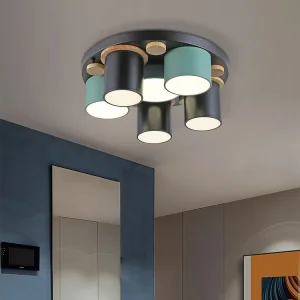
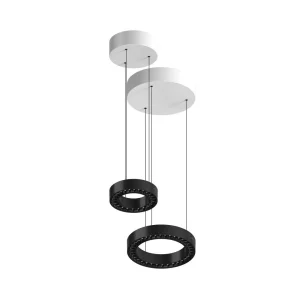
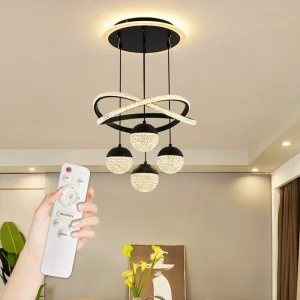
Global procurement projects often struggle with long lead times, variable manufacturing standards, and fragmented shipping arrangements. To resolve these challenges, Ningbo Layr Light Co., Ltd. has optimized its industrial approach through a vertically integrated "Factory 4.0" model, providing high efficiency and reliable quality output.
Established in 2013, our production facility spans more than 15,000 square meters in Ningbo, Zhejiang Province—one of China's primary advanced manufacturing corridors. Located near the Port of Ningbo-Zhoushan, the busiest port in the world by cargo tonnage, we have rapid, direct access to global shipping channels, helping to reduce transit times and lower overseas shipping costs.
SolidWorks modeling, thermal analysis, and custom optical layout optimization.
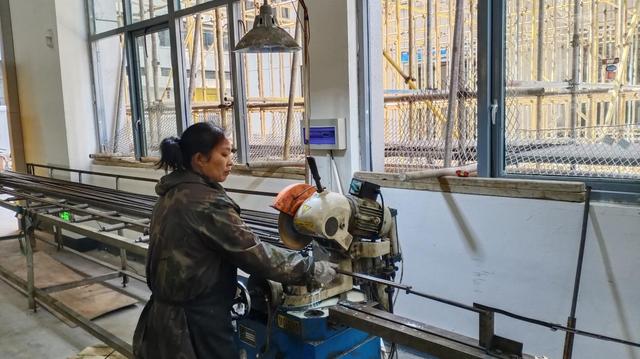
In-house CNC machining, die-casting, and surface treatment.
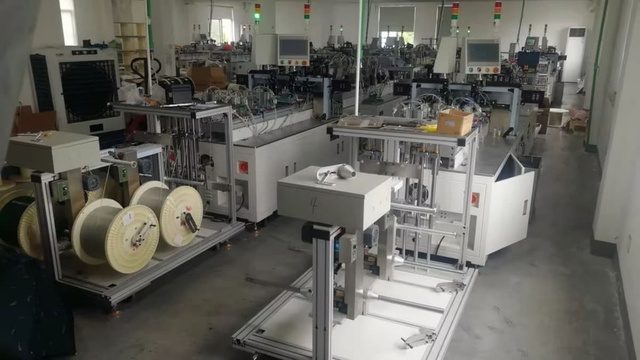
SMT pick-and-place lines, static-free workspace, and component tracking.
Goniophotometric profiling, IP testing, and high-voltage safety checks.
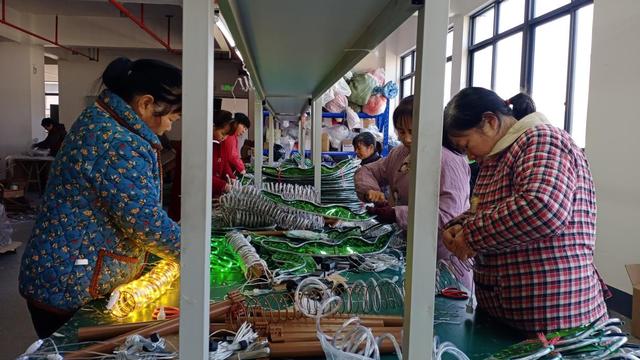
With a dedicated team of over 220 experienced employees, we control every step of the manufacturing lifecycle. Our facility integrates raw design drafting, mechanical engineering, custom tool fabrication, SMT electronic placement, surface finishing, final assembly, and quality verification. This vertical integration keeps us agile: if an architect in Boston requires a custom diameter for an ring pendant light or a modified mounting bracket for historic masonry, our R&D team can adjust the tooling specifications internally. This reduces typical prototype cycles from months to just days.
Our Quality Management System operates in compliance with ISO 9001 certifications. Key testing apparatus includes integrated spheres for luminous flux calculation, spectroradiometers for color consistency (SDCM < 3), thermal cameras for passive heat sink analysis, and salt-spray chambers to test finish longevity under humid coastal conditions. When Boston developers import Layr Light fixtures, they receive products engineered to perform reliably over a long service life.
Lighting application needs vary widely depending on the neighborhood and building type. Here is how our product lines are customized to suit different Boston settings:
Locations: Fort Point, North End, South End.
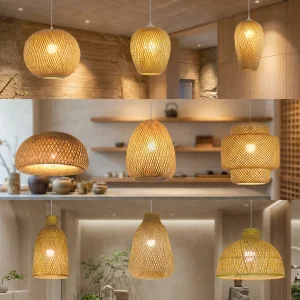
We provide fixtures with historic design elements—such as natural bamboo, rattan, and matte-black finishes—equipped with energy-efficient LED modules to complement exposed brick and wood beam interiors.
Locations: Kendall Square, East Cambridge, Seaport.
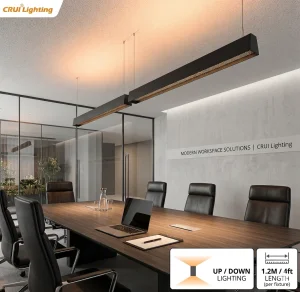
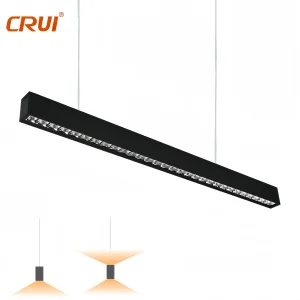
We supply micro-prismatic anti-glare linear pendants and adjustable track lights designed for workspaces that require high visual comfort, minimal screen glare, and smart dimming capabilities.
Locations: Back Bay, Newbury Street, Theater District.
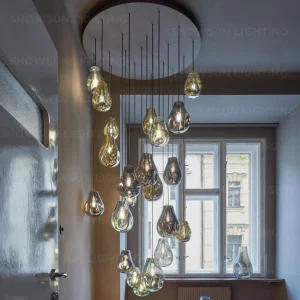
We design large custom geometric ring chandeliers and accent cabinet lighting for luxury boutiques, hotels, and restaurants seeking to create unique, eye-catching spaces.
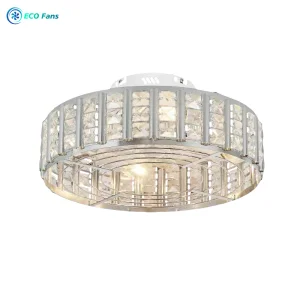
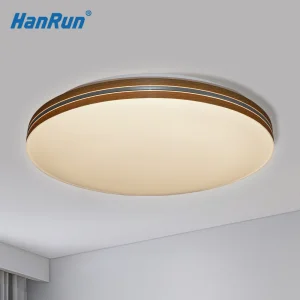
Browse our full range of energy-efficient linear lights, ceiling fixtures, and customized options for global distribution.
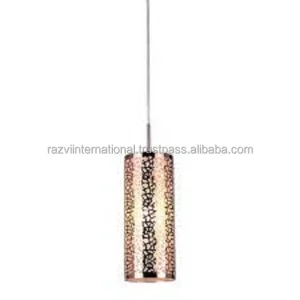
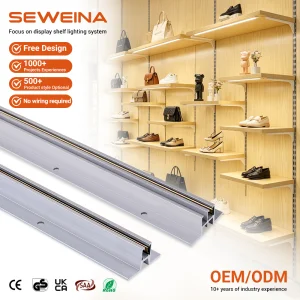
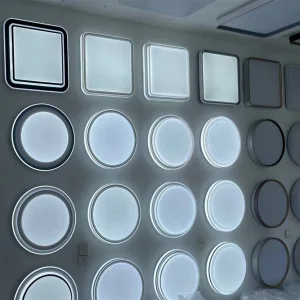
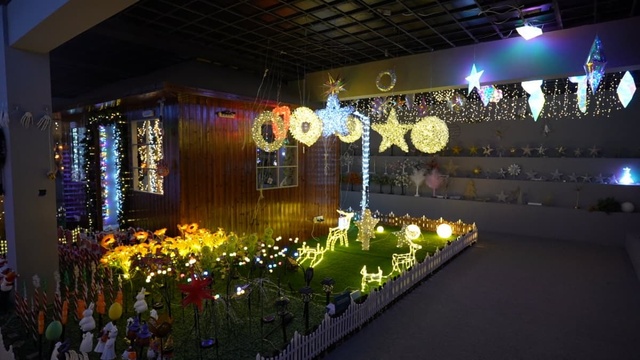
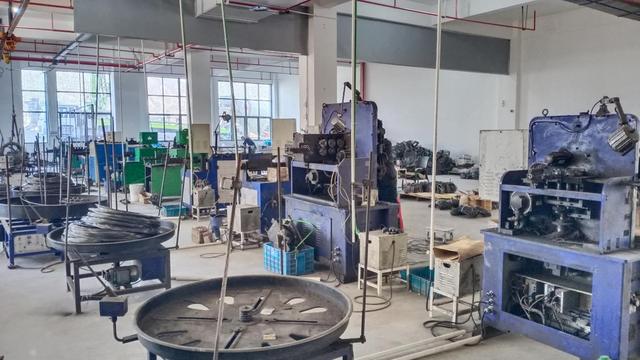
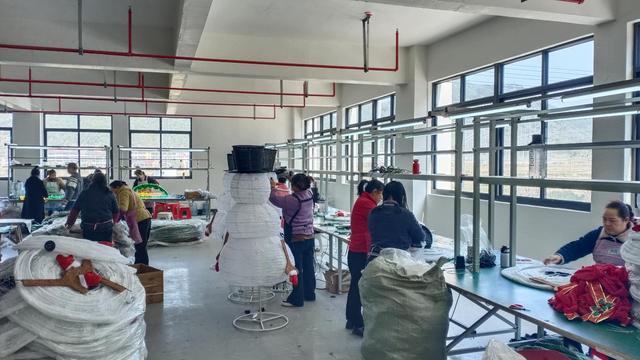
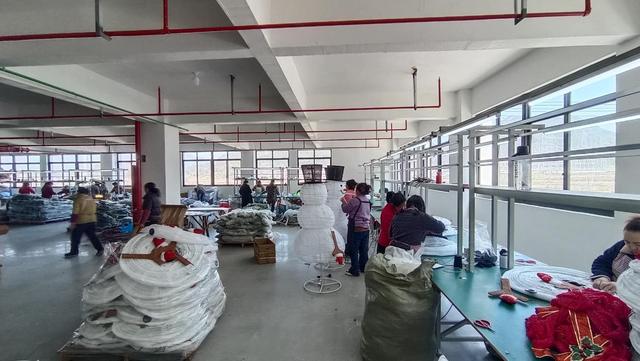
Explore our production floors, precision CNC tooling stations, and integrated optical testing laboratories in Ningbo.
Answers to common engineering, regulatory compliance, and international logistics questions for Boston-based projects.
 Layr Light