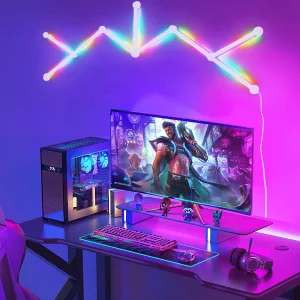
Engineered to deliver exceptional lumen efficacy, architectural integration, and seamless IoT device connectivity.
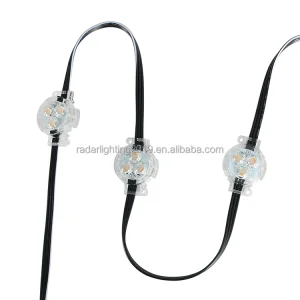
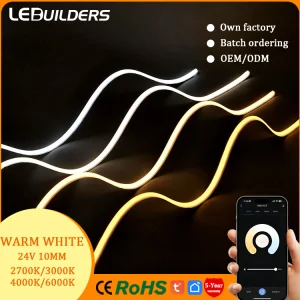
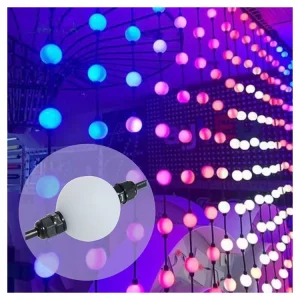
A deep dive into the technical capabilities of Ningbo Layr Light Co., Ltd.
Ningbo Layr Light Co., Ltd. is a professional decorative lighting manufacturer specializing in custom LED lighting, architectural lighting systems, and smart lighting solutions for residential, commercial, hospitality, and public-space applications. Established in 2013, the company is located in Ningbo, Zhejiang Province, China, a major manufacturing and export center with convenient access to international shipping networks.
With a modern manufacturing facility covering more than 15,000 square meters and a team of over 220 experienced employees, Layr Light integrates product design, engineering, tooling, production, quality management, and global sales operations. The company operates advanced production lines and testing equipment to ensure reliable performance, energy efficiency, and compliance with international quality standards.
As a trusted OEM and ODM manufacturing partner, Layr Light provides comprehensive customization services, including product development, private labeling, lighting project support, packaging design, and technical consultation. Its products are exported to North America, Europe, the Middle East, Southeast Asia, Australia, and other international markets. Committed to innovation, quality, and long-term customer partnerships, the company focuses on delivering reliable decorative lighting solutions that combine aesthetics, functionality, and energy efficiency.
Understanding the market forces, regulatory compliance, and economic shifts shaping modern ambient lighting supply chains.
The global residential ambient lighting market has transitioned from traditional illumination toward integrated ambient architectural components. Valued at billions of dollars and growing at a strong compound annual growth rate (CAGR), this industry sits at the intersection of energy-efficiency mandates, advanced home automation, and human-centric design. Rapid urban growth, higher disposable incomes, and the modernization of residential spaces are primary drivers of demand for energy-efficient, high-performance ambient light fixtures.
In mature economies such as North America and Europe, lighting systems must align with strict energy efficiency regulations and ecological policies, including the European Union's Ecodesign Directive (ErP) and the Energy Star guidelines in the United States. Compliance with these frameworks requires lighting manufacturers to invest in advanced driver design, high-quality LEDs, and heat dissipation materials. This shift presents challenges for standard assembly plants but rewards integrated enterprises capable of managing complex thermal configurations and driver electronics.
On the industrial side, China remains the manufacturing core for global decorative and ambient lighting systems. Industrial clusters like Ningbo provide complete supply chain advantages, from raw materials and precision optics design to final assembly and international shipping. Modern manufacturers in these regions have moved up the value chain from basic assembly (OEM) to full design integration (ODM), using computer-aided engineering, thermal simulation tools, and automated surface-mount technology (SMT) lines to provide global partners with rapid prototyping and reliable mass production.
Strategic logistics access from Ningbo Port guarantees delivery to critical distribution channels in the US, Europe, and Asia-Pacific.
Rigorous verification controls confirm electrical safety, high power factor drivers, and robust IP ratings across our portfolio.
Integrated tool making and in-house CAD processing translate project concepts into production-ready physical components quickly.
Analyzing the technologies driving modern, functional, and decorative ambient lighting developments.
Modern residential ambient designs now mimic natural daylight cycles to support circadian health. Dynamic CCT adjustments, shifting from warm 2200K at night to cool 6000K during midday, are becoming standard features in mid-to-high-end residential products.
Proprietary control hubs are being replaced by unified smart home standards. Ambient lights are increasingly built to support global protocols like Matter, Zigbee 3.0, and Bluetooth Mesh. This guarantees seamless operation with Apple HomeKit, Google Assistant, and Amazon Alexa.
Lighting is becoming more integrated into architectural materials. Sub-miniature COB LED strips, flush-mounted trimless profiles, and indirect linear systems provide soft, glare-free light while keeping the physical fixtures concealed.
The manufacturing technologies, semiconductor innovations, and materials science shaping tomorrow's lighting.
The path forward for ambient light fixtures centers on structural integration, thermal performance, and light quality. The industry is moving from traditional Surface Mounted Device (SMD) arrays toward Chip-on-Board (COB) and Chip Scale Package (CSP) configurations. These designs allow for higher component density, removing visible diode spotting and delivering consistent, linear light output. This is vital for high-end residential accent lights and wall-wash applications.
Driver technology is undergoing a similar evolution. High-frequency, ripple-free current regulation is necessary to prevent digital camera flicker and reduce eye strain. Modern driver designs prioritize high power factor correction (PFC > 0.95), low total harmonic distortion (THD < 10%), and wide-range dimming control (down to 0.1%). These drivers utilize advanced gallium nitride (GaN) components to achieve smaller footprints and higher power conversion efficiency.
From a sustainability perspective, future designs focus on circular design principles. This includes designing modular products with easily replaceable drivers and LED engines, reducing raw material waste and lowering carbon footprints over the product lifecycle. Incorporating bio-based polymers and recycled aluminum alloys into fixture housings, without sacrificing mechanical strength or thermal dissipation, is a key focus for our design and engineering teams.
Optimizing light delivery across diverse architectural layouts and exterior environments.
Modern homes use layers of light to define open-plan layouts. By combining indirect cove lighting, low-glare ceiling spotlights, and accent wall washers, interiors can transition from functional bright workspaces to warm, relaxed evening settings using pre-programmed scenes.
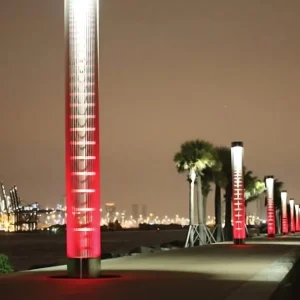
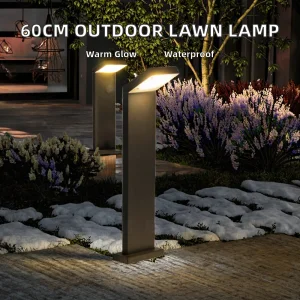
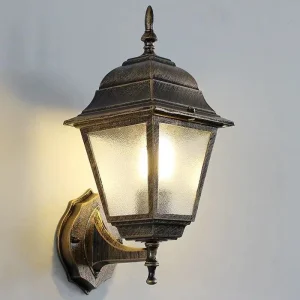
Outdoor lighting requires durable construction to withstand weather exposure. High IP-rated path lights, ground spotlights, and permanent track lights need waterproof housings, anti-condensation valves, and UV-stabilized optics to ensure reliable long-term performance.
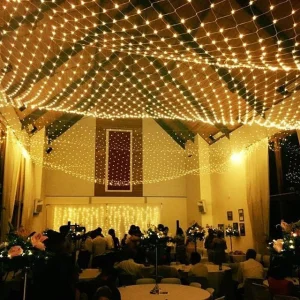
Hotels, restaurants, and retail spaces use dynamic lighting to guide visitor experiences and support branding. Implementing DMX512 or DALI-2 systems allows for centralized control of complex color changes, light levels, and scheduling across large properties.
Visualizing our advanced manufacturing processes, testing chambers, and assembly lines in Ningbo, China.
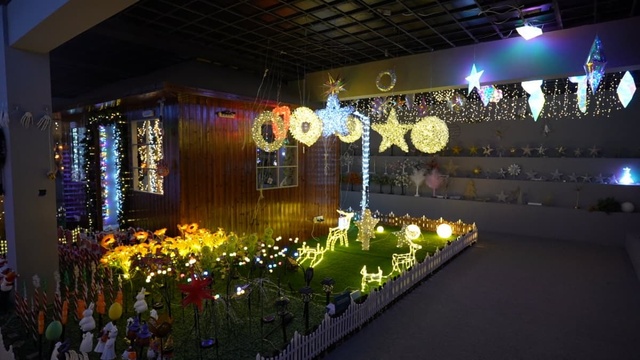
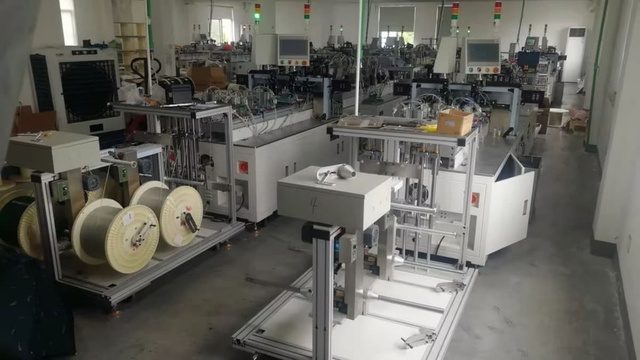
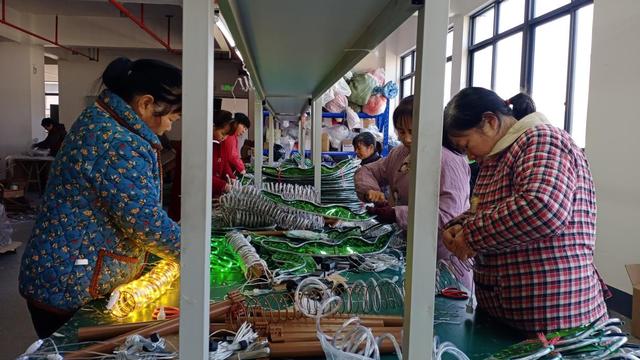
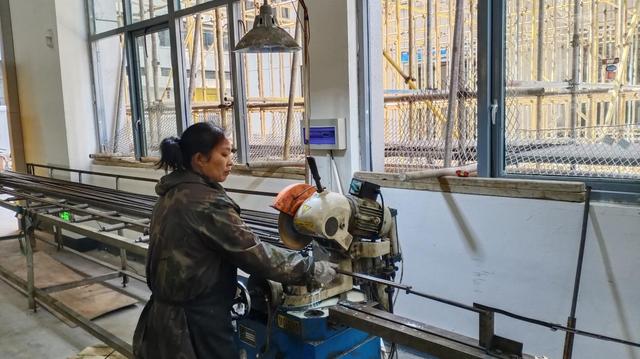
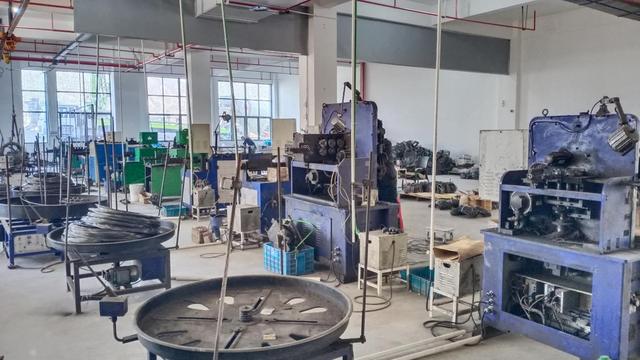
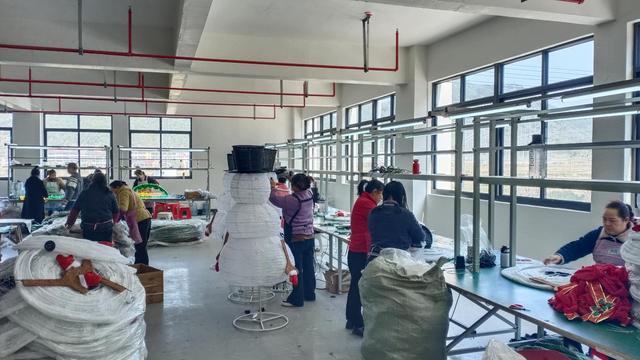
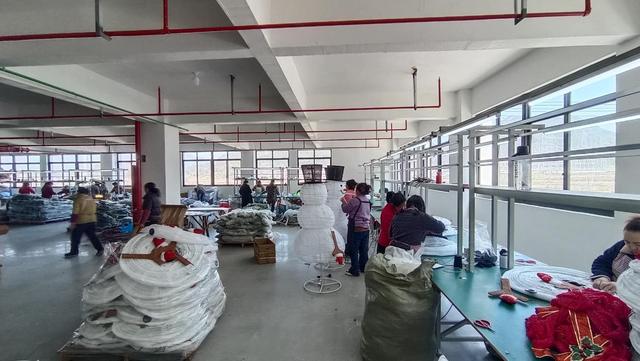


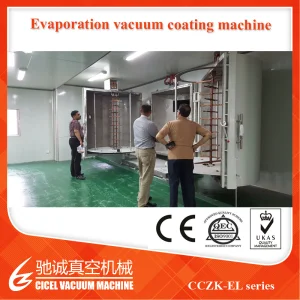
The manufacturing capabilities of Ningbo Layr Light Co., Ltd. are built on systematic quality control. Our facility houses dedicated assembly workshops, clean SMT rooms, and an in-house CNC shop for precision light housings. We manage every step, from raw metal sheets to detailed coatings, using advanced machinery such as our evaporation vacuum metallizing systems. This setup allows us to apply durable, high-quality metallic and chrome finishes for our modern interior pendants, chandeliers, and spotlights.
Each production run undergoes rigorous optical, electrical, and environmental testing. Integrating sphere tests verify lumen output, Color Rendering Index (CRI), and color consistency. Goniophotometers analyze precise light distribution profiles, while environmental chambers test fixtures for thermal performance and moisture resistance under extreme conditions. This ensures that every luminaire exported to North America, Europe, or the Asia-Pacific region meets strict local safety and performance certifications.
Expert answers to common technical, logistics, and manufacturing questions for B2B lighting buyers.
For custom OEM and ODM projects, our engineering team typically completes 3D designs and technical drawings within 5 to 7 working days. Once the design is approved, tooling and sample production take 20 to 30 days, followed by mass production which ranges from 30 to 45 days, depending on order size and complexity.
We maintain strict color consistency by sourcing LEDs from leading suppliers and utilizing tight MacAdam Ellipse binning (typically within 3-step or 5-step SDCM). This ensures uniform color temperature and output across all fixtures in a project, preventing visible color variations.
Our products are engineered to comply with major global standards. We hold certifications including CE, RoHS, GS, and CB for European markets, UL/ETL for North America, and SAA for Australia. In-house test reports for IP waterproof ratings (up to IP67) and IK impact resistance are available upon request.
Yes, we design our smart fixtures to use standard protocols like Zigbee 3.0, Bluetooth Mesh, and Wi-Fi. This allows them to integrate easily with major smart home platforms, including Apple HomeKit, Google Assistant, Amazon Alexa, and home automation systems using the Matter standard.
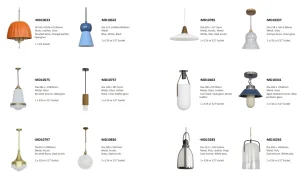
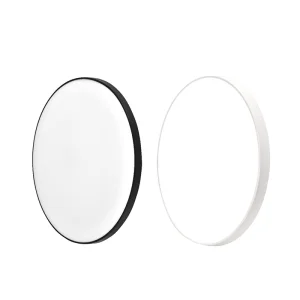
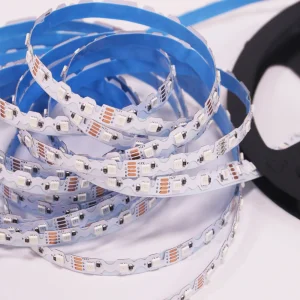
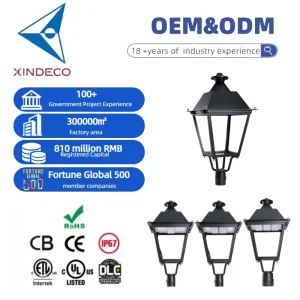
Complete lighting solutions from smart home strips to durable architectural exterior fixtures.
 Layr Light